


Have you ever noticed how the little things you do each day might spark tomorrow’s breakthroughs? Research tells us that our everyday routines can lead to surprising new ideas that eventually change our lives.
It’s like there’s a lively back-and-forth between what we do and the world of innovation. By blending ideas from history, philosophy, and culture, we start to see the bigger picture of how society and technology influence each other. In the post below, we share how these different views help us see science and tech in a fresh, exciting light.
Understanding the Scope of Science and Technology Studies
Science and technology studies is a friendly field where experts take a close look at how our ideas and inventions shape everyday life, and how, in turn, our daily habits influence what scientists and engineers come up with. It’s all about seeing the back and forth between cool new discoveries and the ways society uses them.
This field isn’t stuck in one box. It pulls ideas from many areas like anthropology (the study of people and cultures), philosophy (thinking about big questions), history, art history, and even literary theory. All these views come together to show how inventions, government choices, and our beliefs all mix into one big picture.
| Disciplinary Lens | Focus |
|---|---|
| Anthropology | How customs and behaviors shape and are shaped by science and tech |
| Philosophy of science | Big questions about the nature of discovery and knowledge |
| History of technology | The evolution of tools and machines over time |
| Sociology of scientific knowledge | How people agree on what counts as a discovery |
| Cultural and literary analysis | The stories and art that shape how we see science |
| Science policy studies | How government choices steer research and innovation |
Each of these angles gives us a little puzzle piece of the whole picture. Anthropology looks at how our traditions come into play, while philosophy digs into why we even ask certain questions. History shows us the journey of our gadgets and tools, and sociology explains how groups settle on what’s true. Cultural studies add flavor by revealing the stories that make science relatable, and science policy helps us see the impact of laws and decisions. Together, they build a complete view of how science, technology, and society grow and evolve together.
Historical Evolution of Science and Technology Studies Programs
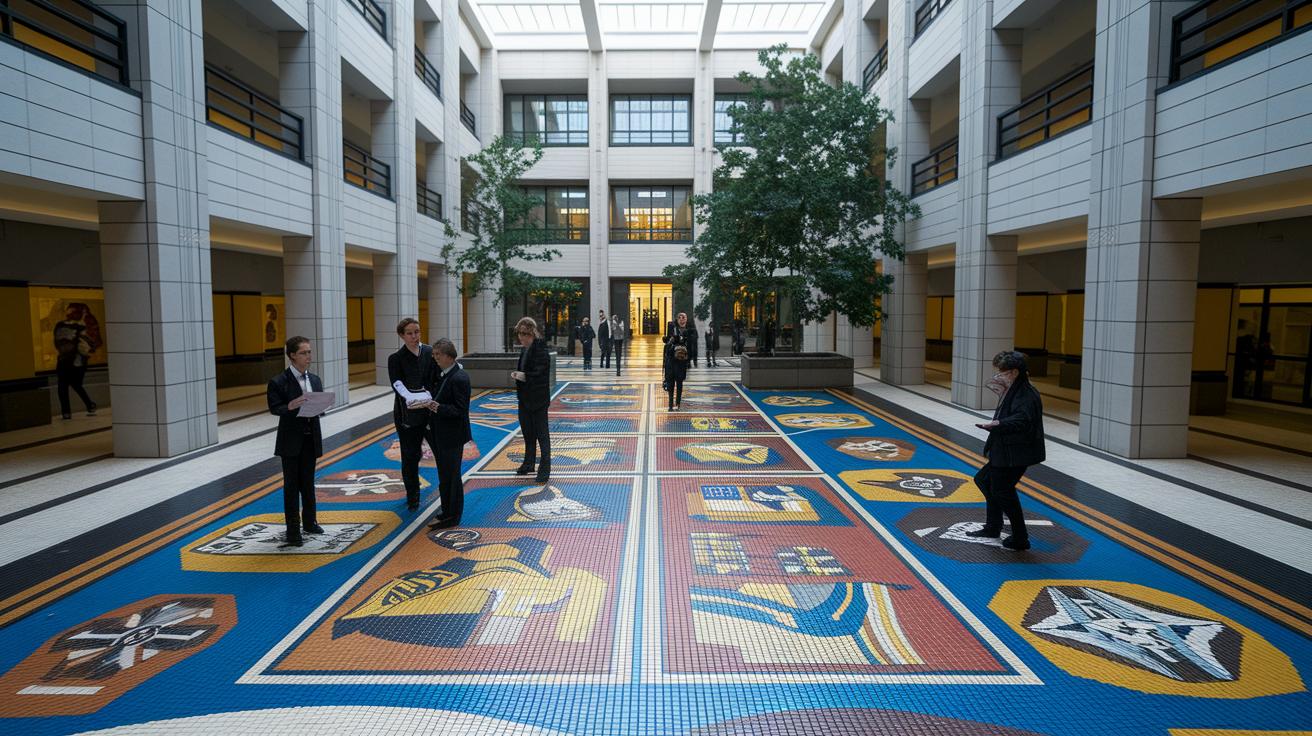
Back in the late 20th century, forward-thinking academics started mixing ideas from the humanities and social sciences. They wanted to understand how science and technology really shape our lives. Instead of seeing scientific breakthroughs as lone achievements, they noticed that social, political, and cultural forces play a big role too. Imagine putting together a lively puzzle with pieces from art, literature, government, and culture, that’s what they were doing. This new way of thinking stirred up conversations about what true scientific progress means and pushed back against old, narrow ideas.
Soon, universities began offering undergraduate programs that let students dive into how technology and society interact. Then, a Graduate Certificate Program popped up for Ph.D. students, giving them hands-on training in both theory and methods. With groups like the Department Undergraduate Group (DUG) forming, plus regular talks and an extensive archive of events, the field kept growing and changing. In truth, all these steps show how science and technology studies have become a team effort, always evolving as new ideas and technologies emerge.
Key Theoretical Frameworks in Science and Technology Studies
Theory plays a big role in understanding science and technology because it gives us different ways to look at how people, ideas, and inventions connect. It shows us how scientific knowledge is built and changed, highlighting the hidden influence of culture, power, and money in driving new ideas.
Actor-Network Theory
Actor-Network Theory (ANT) sees both people and objects as active players in science. It lays out how researchers, tools, and materials link together to create a working network. For instance, ANT can reveal how a new tool reshapes how researchers interact and work together.
Social Constructivism
Social constructivism suggests that scientific knowledge comes to life through social interaction and teamwork. It tells us that what we believe to be true is shaped by cultural talks and community agreements. This view helps us see how traditions, media, and politics can steer the science we accept.
Feminist Critiques
Feminist critiques focus on how ideas about gender and power can shape scientific questions and answers. They point out that our biases about gender often guide which questions are asked and whose work gets noticed. This approach reminds us that including diverse voices makes science and technology richer and more accurate.
Political Economy Approaches
Political economy approaches explore how money, policies, and market forces steer technological progress. By looking at things like funding, consumer needs, and government rules, this framework helps us understand how outside pressures shape the path of innovation.
| Framework | Proponent | Core Tenet |
|---|---|---|
| Actor-Network Theory | Bruno Latour | Mapping networks among human and non-human actors |
| Social Constructivism | Peter Berger | Science as a product of social processes |
| Feminist Critiques | Donna Haraway | Interrogating gender dynamics in research |
| Political Economy Approaches | Joel Andreas | Analyzing economic and policy influences on innovation |
Research Methodologies in Science and Technology Studies

STS research uses a mix of different methods that borrow from both the humanities and social sciences. It helps us understand how science and technology work and impact society. Researchers use a blend of techniques to dig into everything from the way people work together in labs to the stories hidden in old archives. For Ph.D. students in the Graduate Certificate Program, this means learning well-known methods and also inventing new ones. Activities like the DUG, the STS Colloquium Series, and the Events Archive give them a hands-on way to experiment and grow. This variety breaks down old academic walls and shows us how ideas move and change over time.
Some common methods in STS research include:
- Ethnography (watching and learning from people in their daily lives)
- Archival analysis (looking at historical records and documents)
- Semi-structured interviews (having guided chats that also allow for surprises)
- Digital humanities techniques (using digital tools to study cultural topics)
- Bibliometric mapping (making sense of how research is connected)
- Discourse analysis (studying language and conversation in texts)
New digital methods are also shaking things up. Open-access archives and open science projects help researchers share data more easily and work together across different fields.
Case Studies Highlighting Science and Technology Studies Research
Case studies in science and technology studies bring academic ideas to life by showing how research meets everyday challenges. They turn abstract theories into real stories that highlight how culture, technology, and social habits shape our rapidly changing world.
- Spirits and mental health in Africa – This study looks at how age-old cultural beliefs and healing methods work together with modern mental health care.
- Technological change in China – It examines how fast industrial growth can shift community values and spark new ways of living together.
- Atomic America – This case digs into how past innovations in nuclear technology still influence public opinions and political choices today.
- Religion and science – Here, researchers explore the mix of faith and scientific inquiry, revealing both harmony and conflict between the two.
Each example goes beyond a simple history lesson. The study on African spirits and mental health, for instance, makes us wonder how ancient practices can shed new light on today’s health issues. Similarly, the rapid changes seen in China push us to think about how technology redefines who we are, both as individuals and as communities. The look at Atomic America shows us how past events continue to affect our views on safety and the environment. And the discussion between religion and science challenges us to reimagine the boundaries between what we believe and what we can prove.
Together, these case studies prove that blending different fields can help us understand the ties between technology and society. They remind us that digging into these connections deepens our understanding of current and past debates, sparking meaningful conversations for both scholars and the public.
Academic Paths and Career Opportunities in Science and Technology Studies

Science and technology studies come in a variety of paths that suit different interests and job dreams. At the undergraduate level, you get a mix of core classes and electives that spark your curiosity about scientific discoveries. For those looking to dive a bit deeper, there are graduate certificates that help you build solid methods (basically step-by-step techniques) and doctorates that let you focus on advanced research.
| Program Level | Type | Key Features |
|---|---|---|
| Undergraduate Concentration | BA/STSc | Core courses + electives |
| Graduate Certificate | Ph.D. students | Methodological seminars |
| Doctoral Specialization | PhD | Advanced research seminars |
Students diving into these studies often find that the skills they pick up open up a range of career choices. Some go on to share their passion by teaching and researching more about the ties between science, technology, and society. Others jump into science policy roles, where they help shape decisions in government or organizations by using their sharp insights from history and culture. There are those who become industry consultants too, guiding businesses through tech changes and smart planning based on lots of ideas mixed together. And then there are graduates who find joy in science communication, turning tricky ideas into clear, everyday stories. All in all, this blend of academic learning and practical know-how prepares you for jobs that need a thoughtful mix of innovation and understanding of our changing world.
Final Words
In the action, we’ve taken a close look at how science and technology studies blend multiple disciplines to map out the complex interplay between science, technology, and society. We broke down its evolution, theoretical frameworks, research methods, real-world case studies, and academic paths.
Each segment revealed practical insights while recognizing the value of diverse perspectives. The discussion helps you understand cutting-edge findings and get ready for more breakthroughs in science and technology studies. The future looks bright and full of promise, sparking even more curiosity.
FAQ
What topics and research does the Science and Technology Studies journal cover?
The Science and Technology Studies journal explores how science and technology interact with society, examining social influences, cultural contexts, and historical perspectives to offer diverse insights for researchers and practitioners.
How do institutions like Cornell and UC Davis approach Science and Technology Studies?
The approaches at Cornell and UC Davis integrate historical, social, and philosophical methods to analyze science and technology, giving students the chance to understand how ideas and values shape innovations.
Where can I find downloadable PDFs or books on Science and Technology Studies?
You can access comprehensive PDFs and books that outline key theories, methods, and case studies in Science and Technology Studies, providing clear explanations for both beginners and experienced scholars.
What distinguishes a Science and Technology Studies master’s program from a PhD program?
A master’s program in STS introduces interdisciplinary concepts and research methods, while a PhD program emphasizes advanced research, specialized inquiry, and academic contributions to policy and societal understanding.
Is majoring in Science and Technology Studies a worthwhile choice?
Majoring in Science and Technology Studies provides you with a blend of cultural, historical, and social insights into science, preparing you for careers in academia, policy, or roles that benefit from multidisciplinary analysis.
What career opportunities does a Science and Technology Studies degree offer?
A Science and Technology Studies degree opens career paths in academic research, science policy, consulting, and communication, empowering you to influence how society views and applies technological developments.
Why is Science and Technology Studies included in the curriculum?
Including Science and Technology Studies in the curriculum helps students explore how scientific discoveries and technological changes interconnect with society, developing critical thinking skills for addressing complex real-world issues.