


Have you ever thought about how medicine might work just for you? New breakthroughs show that treatments can be as unique as your DNA. It’s like getting a suit made just for you, perfectly crafted to match your body.
Doctors now use fast gene checks and tests to pick the best treatment for each person. This shift in health care means we’re moving toward a world where every treatment plan is made just for you, almost as unique as your own fingerprint.
Isn’t that pretty exciting? It feels like our health care is finally catching up to us, offering real, genuine care that fits as well as your favorite pair of shoes.
Precision Medicine Trends Driving Personalized Medicine Today
Personalized medicine is changing treatment by focusing on what makes each person unique, such as DNA, RNA, proteins, or metabolites (small chemicals in the body). It’s like having a custom-built suit where every detail matters, treatments get sized-up to fit you perfectly rather than offering the same old option for everyone.
Today, doctors group patients by specific gene differences, which gives a peek into the unique makeup of each person. Most people don’t get the same long-lasting benefits from standard treatments, so this approach sparks the need to design therapies that work better for each unique biology. Only a few actually respond well to the regular methods out there, which is a fascinating fact that points us toward more personalized care.
Then there’s theranostics. This clever combo of diagnostics (tests to see what’s happening in your body) and therapy selection helps quickly drop ineffective treatments from the schedule. It’s a bit like having a smart guide that points you in the right direction from the start. Recent projects and breakthroughs in medical science show how mixing genetic data with real patient observations can really turn the tide for better outcomes.
Experts now say that fast genomic analyses (quick looks at your genes) can predict which treatments will work best. With ongoing progress in medical technology, the possibilities for personalized medicine seem brighter than ever. Imagine a simple test that immediately directs doctors to the perfect treatment path, cutting down on trial and error while speeding up your journey to better health.
Next-Generation Sequencing Techniques in Personalized Medicine

Next-generation sequencing (NGS, which means reading all of your DNA with modern technology) has really changed the way we understand and treat illnesses. It helps us look at the whole genome (all your genes) and the exome (the parts that actually make proteins). This lets researchers spot genetic changes that doctors can act on. For example, one NGS test can reveal genetic clues that steer targeted cancer therapies, reducing the chance of using treatments that don’t work.
Today, clinical labs use specialized NGS panels to search for gene changes linked to inherited disorders and signs of cancer. These tests quickly show which patients might benefit from a certain treatment. Imagine a test that zooms in on a single gene causing a rare disorder, letting doctors design a treatment plan almost immediately.
Advanced computer tools, such as GATK and SAMtools (which help sort through huge amounts of DNA data), break down massive data streams into small, clear pieces that highlight key genetic shifts. And with the cost of sequencing now around $200 per genome, full genetic profiling is more accessible than ever. This lower cost is opening up fresh opportunities in genome research, giving more people the chance to benefit from detailed genetic insights.
By blending the latest in genomic medicine with precise clinical testing, healthcare professionals can create treatments that are truly personalized. This progress not only makes choosing the right therapy easier, but it also paves the way for smarter, faster decisions in personalized medicine.
Personalized Medicine Innovations: Bright Future Unfolds
Imagine stepping into a world where one simple test tells you exactly which treatment fits you best. That's the promise of modern molecular tests. Instead of playing guessing games, doctors now use companion diagnostics to match you with treatments, like EGFR inhibitors for lung cancer, in the same way you'd find the perfect key for a lock.
One study even looked at nearly 1,400 brain tissue samples with a tool called the corticolimbic index (a measure that sorts brain changes). This tool helped sort Alzheimer's subtypes by how quickly thinking skills decline. It gives doctors a much clearer idea of the best treatments for each person, moving away from the old one-size-fits-all method.
Over at the Mayo Clinic, researchers are exploring pharmacoexposomics. They’re studying how your surroundings, be it a polluted area or a unique lifestyle, can change the way drugs work in your body. This means treatments can be tweaked to lower side effects and boost effectiveness, just for you.
Then there’s theranostics, a method that reads your molecular profile to steer treatment decisions. It’s like having a guide that helps avoid unnecessary rounds of therapies that might not work.
A simple diagnostic test can soon decide which drug will work best for you, much like figuring out the perfect key for a lock. This exciting mix of molecular diagnostics and targeted therapy is paving the way for treatments as unique as your own biological story.
Pharmacogenomics in Personalized Medicine and Custom Drug Therapies

Pharmacogenomic markers, like CYP2C19 variants, help doctors decide the right dose for medicines such as clopidogrel and warfarin. You can think of these markers as tiny guides that show which dose might work best for someone based on small differences in their genes (the blueprint that makes you, you). Early tests in this area have cut down on the trial-and-error of prescribing, meaning patients don’t have to switch drugs as much before finding one that suits them.
Pharmacoexposomics takes things a step further by looking at both your genes and your surroundings. In simple terms, it fine-tunes dosing decisions by considering not just your genetic makeup but also your everyday environment. It’s a bit like having a tailor who doesn’t just measure your body but also looks at your lifestyle to craft the perfect outfit. This extra step helps reduce side effects and bumps along the treatment path.
Genomic insights are also opening up new ways to use already-approved drugs. By diving into genetic profiles, researchers can discover if a medication made for one condition might be a good fit for treating another. This means that a drug could become a helper for a different illness when a patient’s unique gene pattern is just right.
Overall, clinical pharmacogenomics is paving the way for drug therapies that match each person’s unique biochemical makeup. It leads to safer, more tailored treatment decisions and brings us one step closer to a future where your medicine fits you just as perfectly as a well-cut suit.
AI-Powered Diagnostics and Bioinformatics Platforms in Personalized Medicine
Today’s digital helpers are revolutionizing how we pinpoint the right treatments for each person. Imagine having a friendly digital assistant that carefully examines your unique genetic make-up, lifestyle details, and environmental factors, all at once, to recommend the treatment that fits you just right. One cool example: a smart tool looks through thousands of patient records in just seconds and picks out the best therapy. In fact, when this system analyzed data from over a million patients, it predicted treatment outcomes correctly 90% of the time!
Medical technology companies are also stepping up to show us how this works in real-life hospital settings. They host interactive demos that blend huge patient data banks with live clinical info. So, doctors now get almost instant insights from large data sets that pull together everything from patient histories and genetic profiles to treatment results. It’s like having the low hum of a busy lab right at your fingertips!
Take the Mayo Clinic, for instance. They’re mixing AI into everyday care, from diagnostics and clinical trials to teaching future doctors. Their approach shows how different data sources can chat with each other, so treatments can change and improve in real time as new patient info comes in.
- AI-powered diagnostics
- Machine learning in therapy
- Bioinformatics platforms
- Big data healthcare insights
- Health data interoperability
This smooth blend of digital smarts and human touch is paving the way for treatment plans that are as unique as each of us. And isn’t that a future we’d all be excited to see?
Digital Health Solutions and Remote Monitoring in Personalized Medicine

Digital tools are shaking up how we get care by letting you check important health stats from afar. Imagine wearing a nifty sensor that monitors your heart rate and blood pressure right as it happens. If something feels off, your doctor gets a heads-up immediately, this way, your treatment can be adjusted on the fly to match how you’re feeling.
Telehealth is getting a personal touch these days. Think of a quick video call where your healthcare provider notices a small change in your symptoms and tweaks your treatment just like that. It’s like having a checkup with a friend, no matter how many miles are between you.
Mobile health apps are stepping in to make managing your health even easier. These handy apps remind you when it’s time to take your medicine, help you keep track of your daily symptoms, and suggest lifestyle tips that really work for you. It’s like having a coach in your pocket.
Providers aren’t left behind either, customized demos and implementation services show them how to use remote monitoring seamlessly in their everyday routines. With real-time data at hand, your clinician can quickly adjust your care to help you feel your best.
Personalized Clinical Trial Designs and Future Directions in Personalized Medicine
Many clinical trials in the past grouped patients based on a single gene. Now, the focus is shifting to n = 1 studies that examine a person's complete genetic makeup and physical traits. This change means treatments can be as unique as a tailor-made suit. Imagine a test where rules and doses shift in real time, much like fine-tuning a recipe as you go along.
Mayo Clinic is leading the way by using AI (artificial intelligence, which means smart computer systems) and new diagnostic tools in their studies. They are investing resources so these flexible trials can quickly adapt. It's like having a smart engine that improves its path with every twist and turn on the road.
Real-world evidence is also a big part of this change. With these adaptive systems, doctors can decide who joins a study and how much treatment to give based on how patients react. This method avoids a one-size-fits-all approach since different patients might need different treatments.
New standards are being developed to help different types of data work together. This includes genetic data, digital health records (simple digital summaries of patient info) and information from wearable devices. Here is a quick look at some of the key innovations in these trials:
- Personalized trials using n = 1 studies
- AI-driven studies that fine-tune who joins and the right dose
- Bringing together data from genes, electronic records, and wearables
- Flexible frameworks that adjust treatments as needed
These efforts mark an exciting move toward a patient-first approach in how clinical trials are designed and conducted.
Personalized Medicine Innovations: Bright Future Unfolds
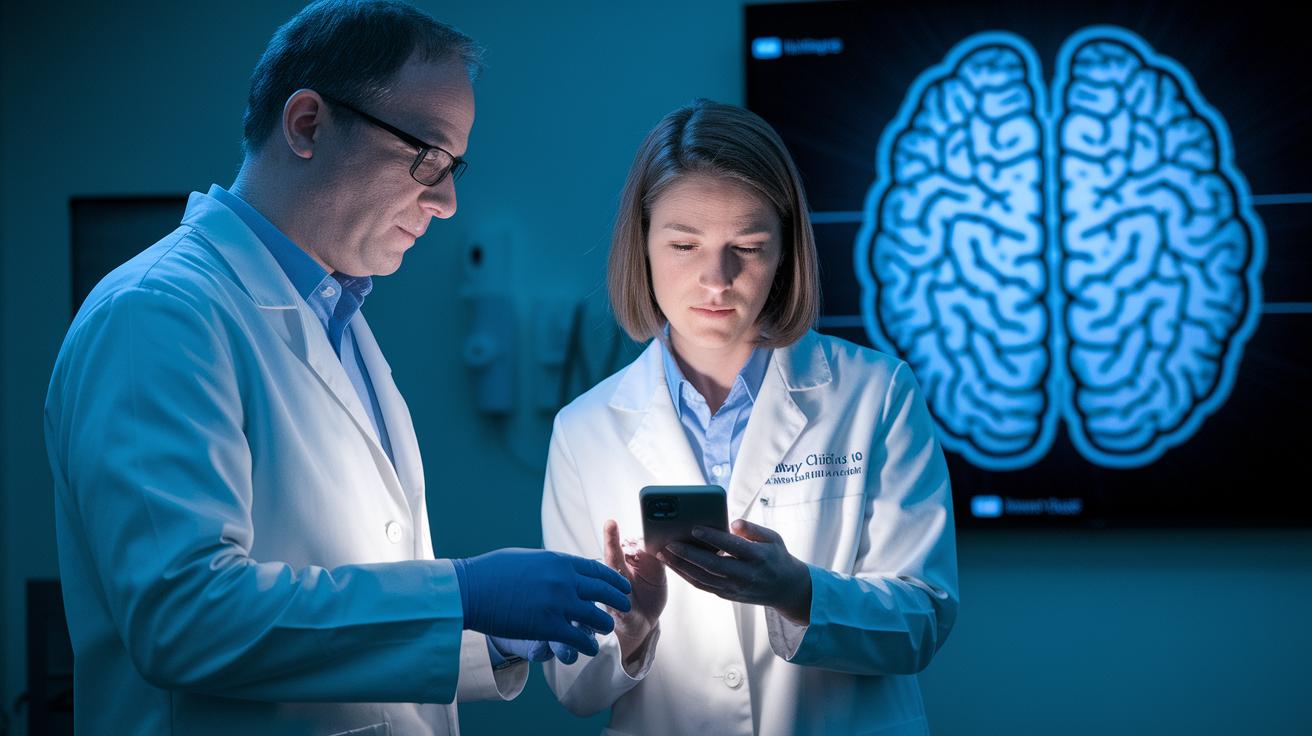
At Mayo Clinic, researchers are coming up with smart ways to catch endometrial and ovarian cancers early. They combine simple tests that pick up early signs with genetic details (think of it like a unique blueprint for each patient) so that doctors can kick off specialized treatments as soon as even a hint of trouble appears.
In another study, scientists used something called the corticolimbic index to link different types of Alzheimer’s to how quickly a person’s thinking skills might drop. This fresh insight could help shape brain treatments that fit each patient better. Meanwhile, a field called pharmacoexposomics, which looks at how our everyday surroundings affect how medicines work, is helping experts fine-tune heart medication doses, much like adjusting an instrument to hit just the right note.
- Early tests teamed with genetic details for better cancer care
- Corticolimbic index paving the way for tailored brain treatments
- Pharmacoexposomics offering a personal touch to heart medicine dosing
- Genetic profiling sharpening focused approaches in oncology
Final Words
in the action, we saw how precision and targeted therapies are reshaping healthcare. The post covered advancements from next-generation sequencing to digital health and AI-powered diagnostics that refine today’s treatment choices. Real-world examples brought home the benefits of smarter, patient-focused strategies. These personalized medicine innovations are fostering a healthier future, one breakthrough at a time. The narrative leaves us inspired and ready to follow the latest trends that make care more effective and personal.
FAQ
How is AI used in personalized medicine and discussed in research papers?
The role of AI in personalized medicine involves analyzing complex patient data to tailor treatments, and research papers explore how machine learning models improve diagnostic accuracy and therapy planning.
What are the disadvantages of personalized medicine?
The disadvantages of personalized medicine include high costs, limited widespread availability, and increased complexity in integrating various patient data points, which can affect the consistency of treatment outcomes.
How does precision medicine work?
Precision medicine works by using genetic markers, protein profiles, and other diagnostic tests to match patients with targeted therapies that best suit their unique biological makeup.
What is the Precision Medicine Initiative?
The Precision Medicine Initiative is a program focused on advancing research that integrates genetic, lifestyle, and environmental data to develop more customized treatment plans for individual patients.
What are some examples of precision medicine?
Examples of precision medicine include targeted cancer therapies that rely on genetic profiling, companion diagnostics that match patients with effective medications, and early-detection assays for various diseases.
How does precision medicine differ from personalized medicine?
Precision medicine and personalized medicine are similar, yet precision medicine specifically uses diagnostic testing to tailor treatments, while personalized medicine broadly refers to care that considers individual patient differences.
What is the future of personalized health care with AI in precision medicine?
The future of personalized health care with AI in precision medicine promises more accurate diagnostics and treatment planning by combining comprehensive patient data with advanced algorithms to forecast therapy responses.