


Ever thought that one small tweak could change everything in science? Lately, new discoveries are shaking up the old ways we see things.
Take gene editing, for example. It’s like having a tiny pen that rewrites nature’s own blueprints (changing the very code of life). Meanwhile, improved battery designs promise energy that lasts longer and is safer to use.
Then there are fresh approaches in handling data and developing smarter materials. These innovations might even help cut pollution and boost healthcare. Each breakthrough feels like finding a missing puzzle piece, it sparks new insights and invites us to reimagine a future full of endless possibilities.
Comprehensive Overview of New Science Breakthroughs
Did you know that in memorable experiments, even tiny changes in our genetic code have completely shifted treatment plans, rewriting what's possible in just one generation? For centuries, science has been steadily moving forward, and today we’re witnessing trends that seem to jump from ancient cave art right to the marvels of lunar exploration.
One of the most exciting breakthroughs is advanced gene editing. Think of it like a tiny pen that lets us rewrite the instruction manual of living things, opening up amazing new paths in medicine and farming.
Then there’s next-generation solid-state batteries. These batteries promise to pack more power and offer extra safety for everything from electric cars to your everyday mobile device.
Data quality is also taking center stage in the world of artificial intelligence. Experts say that using clean, robust datasets (imagine using only the freshest ingredients in your favorite recipe) is key to boosting AI performance.
Materials science is stepping up too. Researchers are crafting innovative new structures that not only help products work better but also cut down on greenhouse gas emissions, offering a creative way to fight climate change.
Molecular editing is another breakthrough field. With precise chemical tweaks, scientists can speed up the discovery of life-changing medicines, almost like assembling the parts of your favorite gadget in record time.
Fresh strategies in waste management are reshaping how we reuse resources. By embracing circular ideas, we’re finding smarter ways to reduce our environmental impact and keep our planet cleaner.
Quantum computing is just beginning to show its promise. Early applications in healthcare and material simulations are already hinting at a future where computing power can tackle challenges we once thought impossible.
Lastly, omniomics opens up a world of detailed insights at the single-cell level. It’s like getting a close-up look at the tiniest parts of nature, revealing the rich diversity of life in ways we never imagined.
All these breakthrough trends are setting the stage for deeper exploration. They invite us to imagine a future where tiny changes and big ideas work together to reshape our world, one surprising discovery at a time.
Breakthroughs in Gene Editing with CRISPR
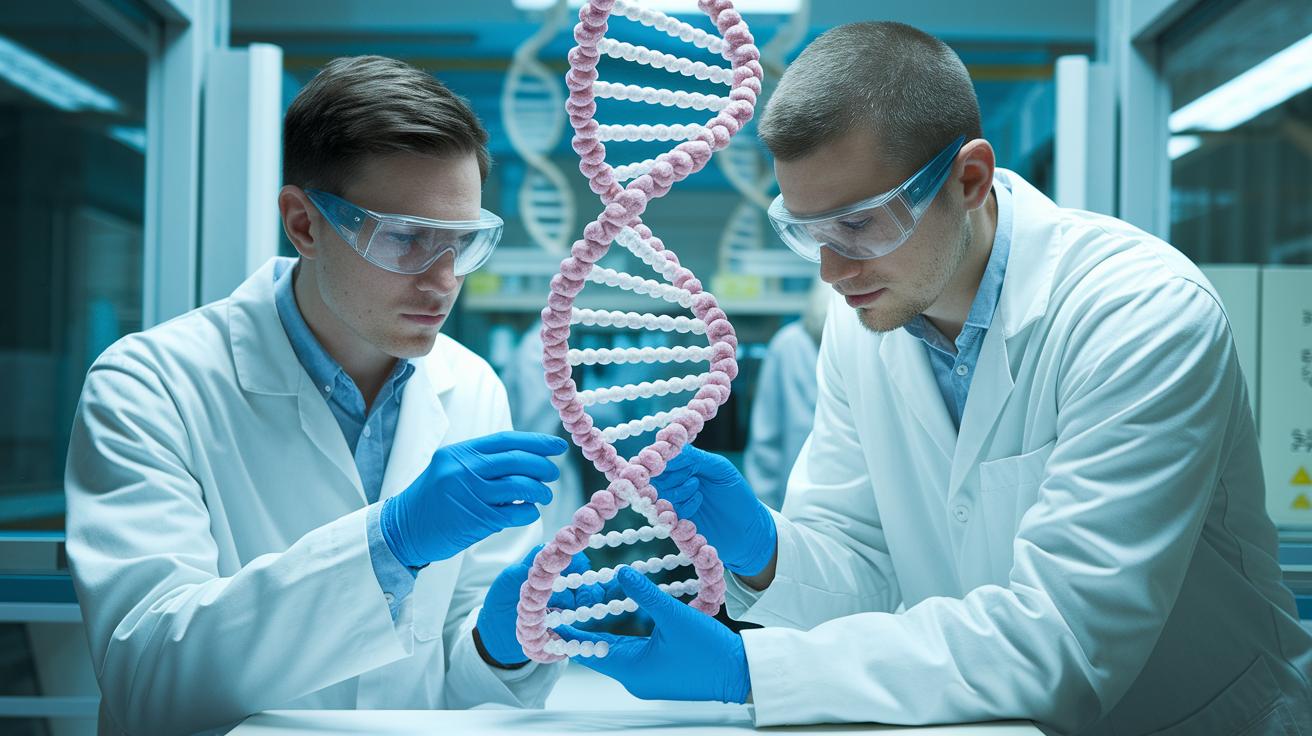
Imagine being able to edit DNA as easily as fixing a word in a sentence. That’s CRISPR for you! With the U.S. FDA giving the thumbs up on the first CRISPR-Cas9 therapy, scientists now have a powerful tool that changes genes with pinpoint accuracy. This breakthrough has paved the way for many new treatments now being tried in clinical trials, all thanks to careful research and testing that has built up our confidence in these methods.
It might sound like something out of a science fiction movie, but CRISPR earned the 2020 Nobel Prize in Chemistry for a reason. In simple terms, CRISPR lets researchers copy, tweak, or turn off specific genes, it’s like having a magic eraser and pencil all in one for our DNA! Researchers in labs are busy fine-tuning these techniques, turning basic science into treatments that could one day help tackle previously untreatable conditions.
Here are some key CRISPR milestones:
| Year | Milestone |
|---|---|
| 2020 | Nobel Prize in Chemistry for CRISPR-Cas9 |
| 2023 | FDA approved first CRISPR-based therapy |
| Ongoing | Clinical trials in Phase I/II for CRISPR treatments |
These exciting advances are helping bring biotechnology from a research lab directly into the clinic, promising a future where gene editing makes a real difference in everyday life.
Emerging Energy Breakthroughs in Next-Generation Solid-State Batteries
Solid-state batteries are becoming a hot topic because they offer a safer, more robust option than our traditional lithium-ion cells. Scientists are testing out new solid materials (think of it like a sleeker, tougher gel) that could let these batteries hold more energy without taking up extra space. This is perfect for electric cars and smartphones, and it also tackles safety concerns since lithium-ion types can sometimes overheat, while these new designs promise more stability and less risk of fire.
Another exciting point is the battery’s lifespan. Regular lithium-ion batteries tend to wear out after a number of recharges, but solid-state batteries are likely to keep going strong, even when the weather is really extreme. This means our devices could last longer and perform reliably when we need them the most.
| Feature | Lithium-Ion Batteries | Solid-State Batteries |
|---|---|---|
| Energy Density | Moderate | High |
| Safety | Risk of overheating | Better stability |
| Lifecycle | Limited cycles | Extended cycles |
| Operating Temperature | Standard conditions | Performs in extremes |
All in all, these breakthroughs mark an exciting step forward in making our energy solutions safer and more efficient, which could soon change the way we power our lives.
Data Quality Driving Artificial Intelligence Performance

Earlier sections compared clean data to fresh ingredients in a recipe. Here, we’re taking a closer look at the little details that really matter for AI performance. Instead of listing the broad benefits, let’s focus on a few key aspects that often get overlooked:
- Completeness – making sure we have every bit of data so nothing important is missing.
- Accuracy – keeping every record true and exact.
- Consistency – using the same format and standards everywhere.
- Timeliness – updating data regularly to capture current trends.
Think about a system that reviews real-time transportation info. If some sensor data comes in late or some pieces are missing, the system’s predictions can easily go off track. This detailed look reminds us that strong, robust data isn’t just a bonus, it’s essential for making AI work at its best.
Materials Science Innovations for Climate Action
New materials are proving to be true game-changers in our battle against climate change. They help cut down greenhouse gas emissions while enhancing everyday products. Scientists are busy designing these clever substances to support global goals for net-zero emissions by 2050 as set out in the Paris Agreement. It's exciting to see solutions that are both practical and efficient.
Researchers are exploring a range of innovative materials that could drastically reduce emissions in homes and industries. Imagine a material that soaks up carbon like a sponge or solar panels that can grab sunlight more efficiently than ever before. These breakthroughs could be our ticket to lower pollution and smarter ways of using energy and insulation.
Key innovations include:
- Carbon-capture sorbents that filter out harmful gases from factory exhaust
- Perovskite-based solar cells (a type of solar panel) that exceed 25% efficiency
- Aerogel insulation, known for its extremely low thermal conductivity
Each technology tackles a different part of our energy puzzle. For instance, carbon-capture sorbents act like filters for polluted industrial air, while perovskite solar cells convert sunlight into power more effectively. Aerogel insulation helps keep heat in, or out, making homes more energy-efficient. Together, these material advances are paving the way toward a cleaner, more sustainable future for everyone.
Advances in Molecular Editing for Drug Discovery
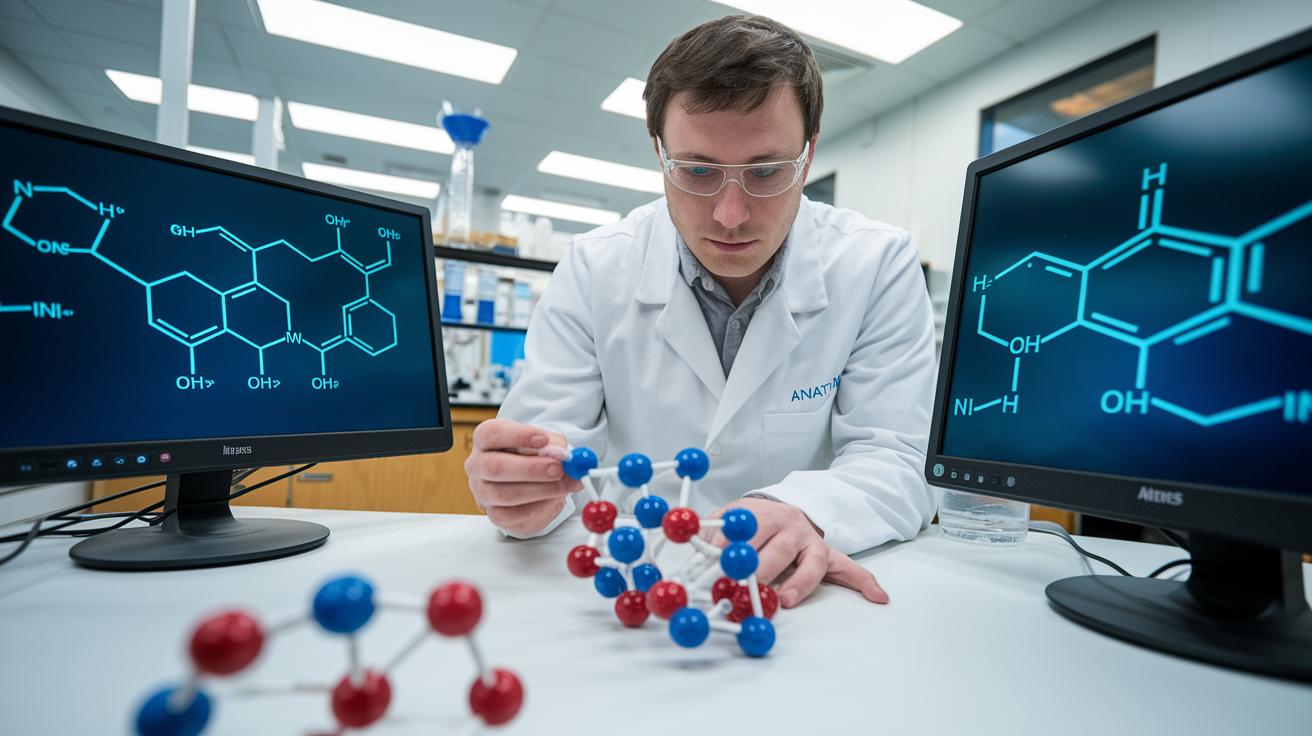
Molecular editing is changing how we discover and design new drugs. Scientists are now tweaking the tiny building blocks of molecules much like you’d adjust the parts in your favorite gadget. Each small change in a molecule, like fixing a loose connection, can heighten its ability to fight disease. For example, new catalysts (helper chemicals) make it easier to work with stubborn bonds, speeding up the creation of promising drug candidates.
In the lab, these methods are not just theories, they’re leading to real breakthroughs. Researchers can now combine chemical reactions in fresh, inventive ways. This means they can build complex molecules faster and more efficiently, just like assembling a model kit with the perfect parts in place.
With these advances, the future of drug discovery looks bright. Imagine a scenario where every tweak creates a more precise medicine tailored for specific health issues. It’s exciting to think about how tools like molecular editing will help us tackle tough biological challenges and improve lives.
Innovations in Waste Management for a Circular Economy
Imagine a future where what we toss away becomes something valuable instead. New ideas in managing waste are starting to change how we think about trash, turning it into resources that can be used again and again. Recent research, like the UN Global Waste Management Outlook 2024, tells us that if we don’t change our habits, costs could double by 2050. That kind of news has sparked some really exciting new methods to handle our waste in clever ways.
One cool method is chemical recycling. It breaks down old materials back into their basic ingredients so they can be used in making new items, sort of like taking apart an old gadget to use its parts again. Another neat development is using enzymes (natural proteins that speed up chemical reactions) to break down plastics. This technique speeds up the process of turning plastics back into simpler substances, which means waste is cleared more quickly and with less harm to our planet.
All these breakthroughs are changing how businesses see waste. By recycling materials at the chemical level and using enzymes to pull out useful bits, industries are moving toward a future with less garbage and lower costs. Have you ever wondered how everyday trash could help build a cleaner world? Well, these innovations are a big step in that direction.
Progress in Quantum Computing Applications for Research
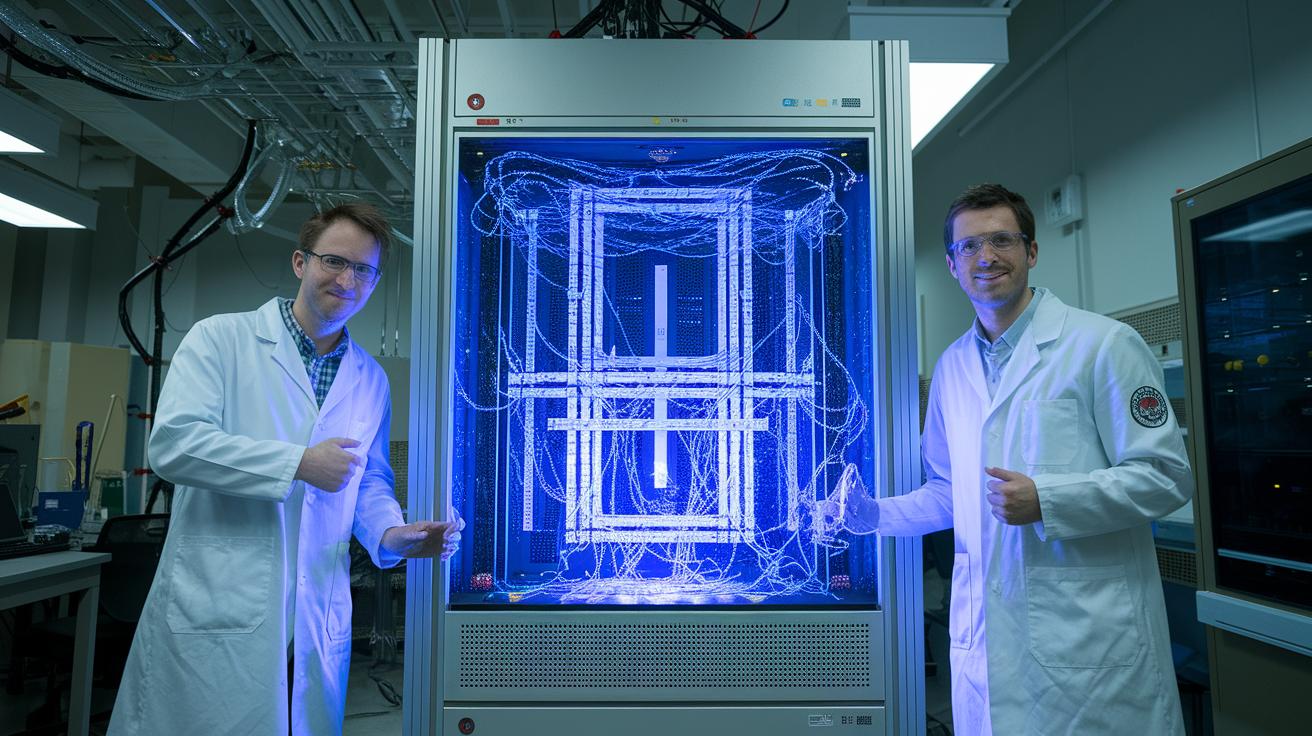
Quantum computing is shaking up how research is done in many fields. In 2025, during the International Year of Quantum Science and Technology, new systems like the one set up by Cleveland Clinic and IBM have made huge strides. These machines are opening up new possibilities in healthcare research and drug discovery. Then, in March 2023, Intel and the Betty Moore Foundation made a big announcement: they’ve reached a 2 nm transistor limit, meaning Moore’s Law is coming to an end. This change is pushing researchers to look for new ways to achieve faster and more efficient computing.
Healthcare Applications
Scientists are now using quantum models to speed up drug candidate screening. They simulate how molecules interact at the atomic level, it’s like having a fast-forward button in your lab. Early studies show that this approach not only cuts down the time for drug development but also reduces costs, making it easier to bring innovative treatments to patients.
Material Science Simulations
Quantum-powered simulations are also transforming material discovery. By modeling how atoms behave under extreme conditions, researchers can predict new material properties without expensive, trial-and-error experiments. This technique helps find promising compounds more accurately, which could lead to breakthroughs in areas from electronics to sustainable energy solutions.
The Single-Cell Revolution: Omniomics in Biological Research
Omniomics is changing how we understand life at its tiniest level by mixing info from genomics (the study of genes), transcriptomics (the study of RNA messages), and proteomics (the study of proteins) into one clear picture. In 2023, the single-cell analysis market hit USD 4.34 billion, showing us that precision biology is really taking off. Experts predict that this field could grow by about 18.7% each year through 2030, which tells you just how much interest there is around these cool new methods.
With omniomics, scientists can focus on one cell at a time, imagine looking closely at each brush stroke in a detailed painting. This method uncovers little differences between cells that we might miss when looking at them in a big group. These new insights are important for figuring out everything from how diseases start to how cells react to different treatments. As this technology spreads, it could make personalized medicine, custom treatments just for you, even better by mapping out our bodies one cell at a time. Have you ever wondered how one tiny cell can completely change our idea of health? It’s a neat reminder that even the smallest details can lead to big discoveries.
Recent Milestones in Modern Space Exploration
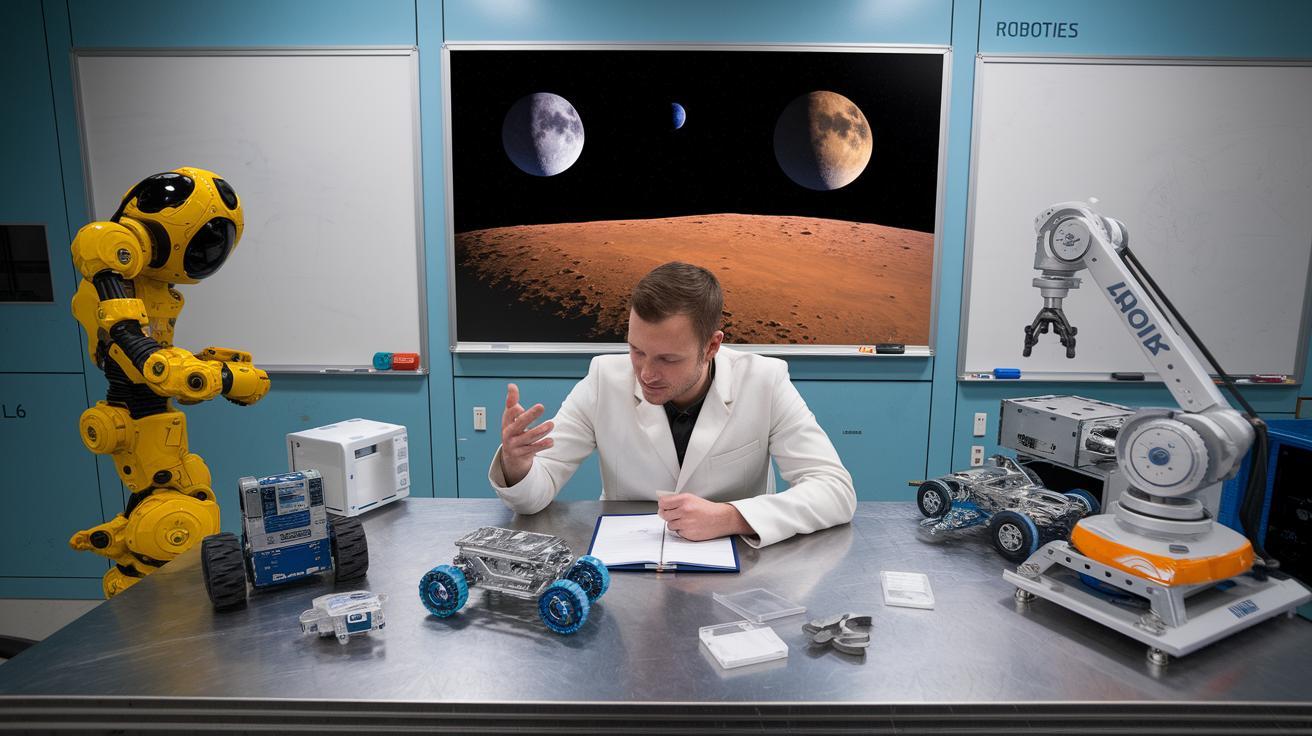
Since Apollo XI's groundbreaking moon landing in 1969, our view of space has evolved. Today, the focus is on the International Space Station and many unmanned missions that explore the unknown. NASA's Artemis program is a real game-changer, it’s aiming to put people back on the moon by 2025, sparking a fresh chapter in human space travel.
This new wave of interest isn't just about the moon. Scientists and engineers are teaming up to explore Mars and venture further. You know, it's like building a giant puzzle where robotics, biology, and engineering all come together to solve big mysteries. And while these efforts are cool on their own, they’re also creating practical benefits here on Earth, think new robotic tools for tough jobs or breakthroughs in bio-research that might help in medicine.
Different teams are already working on spacecraft that can handle tough challenges, thanks to this mix of talents. Robotics pros are busy testing smart systems that can work on their own in harsh conditions, and biologists are setting up experiments in space to see how life adapts in extreme environments. Coordination is key, and NASA’s mission control in Houston is keeping everything in sync.
It’s pretty exciting to see how this blend of creative minds and advanced tech is pushing the boundaries of what we thought possible in space exploration.
Final Words
In the action, our discussion spanned from cutting-edge CRISPR milestones and next-generation solid-state battery advances to AI data quality and innovative materials for climate action. We also explored molecular editing in drug discovery, waste management strategies, quantum computing applications in healthcare and material science, omniomics in biology, and new space exploration milestones. This summary showcases how emerging science breakthroughs are shaping the future, leaving us with an optimistic outlook and plenty of reasons to stay curious about what’s next.
FAQ
Q: What are the latest science and technology breakthroughs?
A: The latest breakthroughs include advances in gene editing, AI data quality improvement, solid-state battery innovations, quantum computing, and eco-friendly materials, marking clear progress across health, energy, and environmental research.
Q: What are the newest discoveries in science?
A: The newest discoveries cover areas like enhanced CRISPR therapies, next-generation battery research, quantum applications, and omniomics, each contributing fresh insights that push the boundaries of science and technology.
Q: What is the next big scientific breakthrough?
A: The next big breakthrough could emerge from fields such as quantum computing, molecular editing, or omniomics research, as ongoing studies in these areas drive significant improvements in healthcare, energy, and materials science.
Q: Which scientific discoveries have changed the world?
A: Discoveries like CRISPR in gene editing, solid-state battery improvements, and quantum computing applications have reshaped our approach to medicine, energy, and technology, transforming how we live and work.
Q: What is the new science discovery in 2025?
A: The new science discovery in 2025 is expected to focus on trends like advanced gene editing, improved battery technology, and omniomics, promising to further refine medical treatments and sustainable technology solutions.