


Ever wonder how a smart machine helped make the Moon a safer place for astronauts? The Lunar Module was built just for Apollo missions, and its design had two important parts. One part landed gently on the Moon’s surface, while the other prepared to lift the crew back into space, kind of like a relay race where one runner smoothly hands off the baton to the next. This clever setup not only kept the astronauts safe but also completely changed how we approach space travel.
Comprehensive Overview of the Lunar Module
Grumman Aircraft Engineering Corporation built the Lunar Module just for Apollo missions. It came in two parts: one part for a gentle landing on the Moon and another for lifting the crew back into space. Think of it like a clever two-piece design where one piece touches down safely and the other takes off, making every move on the Moon smooth and secure.
The Lunar Module was a big deal on Apollo missions, especially during Apollo 11 when the Eagle landed on July 20, 1969. When mission control heard the words "The Eagle has landed," it was a moment that truly changed how we see space travel. This design wasn’t only about making it to the Moon, it was all about keeping the crew safe during every step, whether they were coming down to the lunar surface or soaring back up.
This spacecraft made history with its simple yet smart two-part build. For example, the Lunar Module knew how to land softly on the Moon without a rough impact, using controlled engine power and taking advantage of the Moon’s lower gravity. That kind of precision still inspires engineers today, pushing us to develop even better spacecraft and missions for exploring space in the future.
Design and Technical Specifications of the Lunar Module
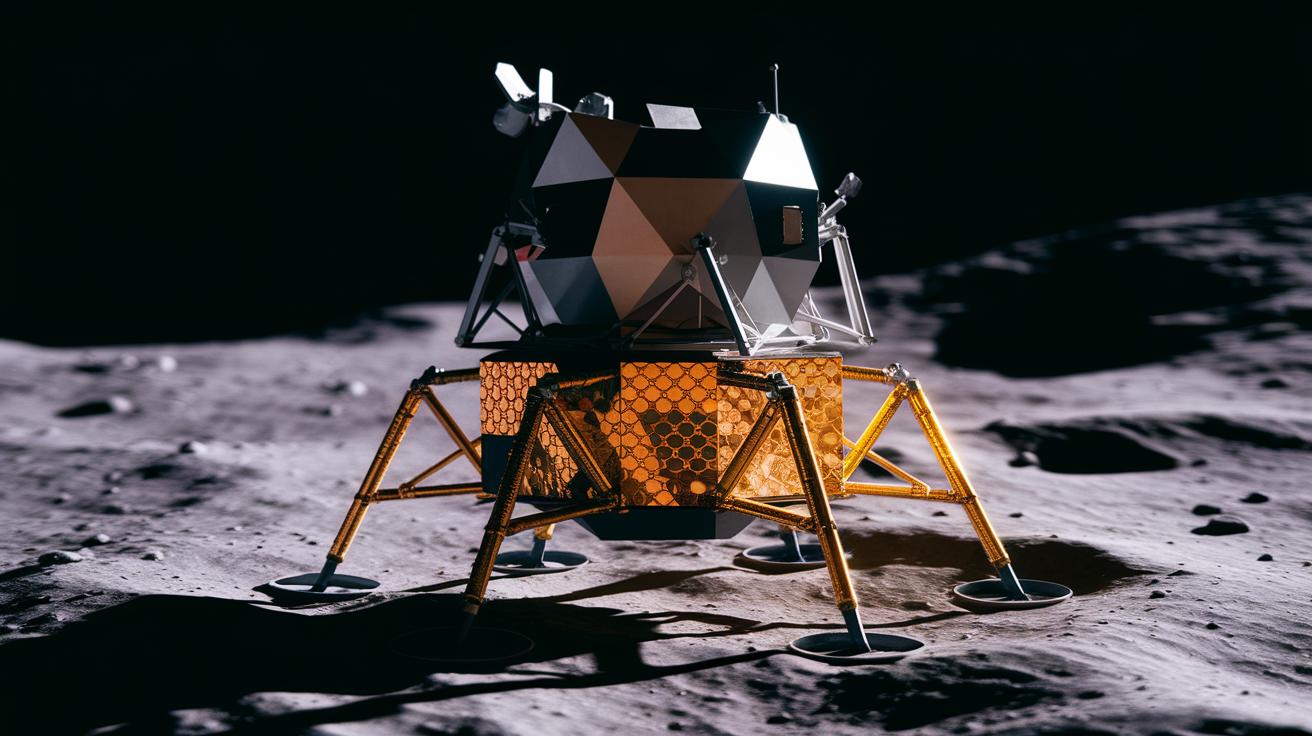
Early design models used simple yet effective materials that led to the iconic LM seen in Apollo missions. The Lunar Module combines a tough aluminum alloy frame with light honeycomb panels, keeping it both nimble and rugged enough for space travel.
The bottom section, known as the descent stage, weighs about 14,370 kg and is built for gentle, controlled landings on the Moon. Meanwhile, the top part, or ascent stage, weighs roughly 4,547 kg and helps lift the crew off the lunar surface. Standing 9.4 m tall with legs spread over 9.1 m, it manages to be compact for launch yet stable enough on the Moon.
The propulsion system is just as impressive. Imagine a dimmer switch that lets you adjust the brightness: the descent engine can be tuned between 10% and 60% power, reaching up to 9,870 lbf for a smooth landing. By contrast, the ascent engine is like a reliable starter button, consistently producing 3,500 lbf to get the module off the ground.
| Parameter | Value |
|---|---|
| Mass (descent) | ~14,370 kg |
| Mass (ascent) | ~4,547 kg |
| Height | 9.4 m |
| Span | 9.1 m |
| Descent thrust | 9,870 lbf |
| Ascent thrust | 3,500 lbf |
Historical Evolution of the Lunar Module
Back in the early 1960s, engineers at Grumman started by tinkering with a wooden model of the Lunar Module. In 1962, they built a simple mock-up that let them sketch out early ideas for a craft meant to take astronauts to and from the Moon. These first experiments were key in showing how to balance weight with durability, much like figuring out the right mix for a cake recipe.
After these initial tests, the team moved on to unmanned flights. On January 22, 1968, the LM-1 lifted off on the Apollo 5 mission without a crew, testing its basic functions. Then, in March 1969 during Apollo 9, astronauts took to the module for a full orbital trial that checked critical systems like docking and life support. It was a careful buildup of experience, step by step.
| Year/Date | Event |
|---|---|
| 1962 | Wooden mock-up design review |
| 1968 | Unmanned LM-1 Apollo 5 flight |
| March 1969 | Crewed LM operation on Apollo 9 |
| July 1969 | First lunar landing with Apollo 11 Eagle |
| December 1972 | Last lunar landing with Apollo 17 |
Every milestone not only marked progress but also refined the craft's balance and strength. That modest wooden model sparked a series of adjustments, ensuring each part helped the module perform reliably during critical moments. As unmanned and later crewed flights piled up, every tweak made the Lunar Module tougher and more balanced, turning it into the resilient spacecraft that played a central role in the historic Apollo missions.
Mission Operations and Apollo Data for the Lunar Module
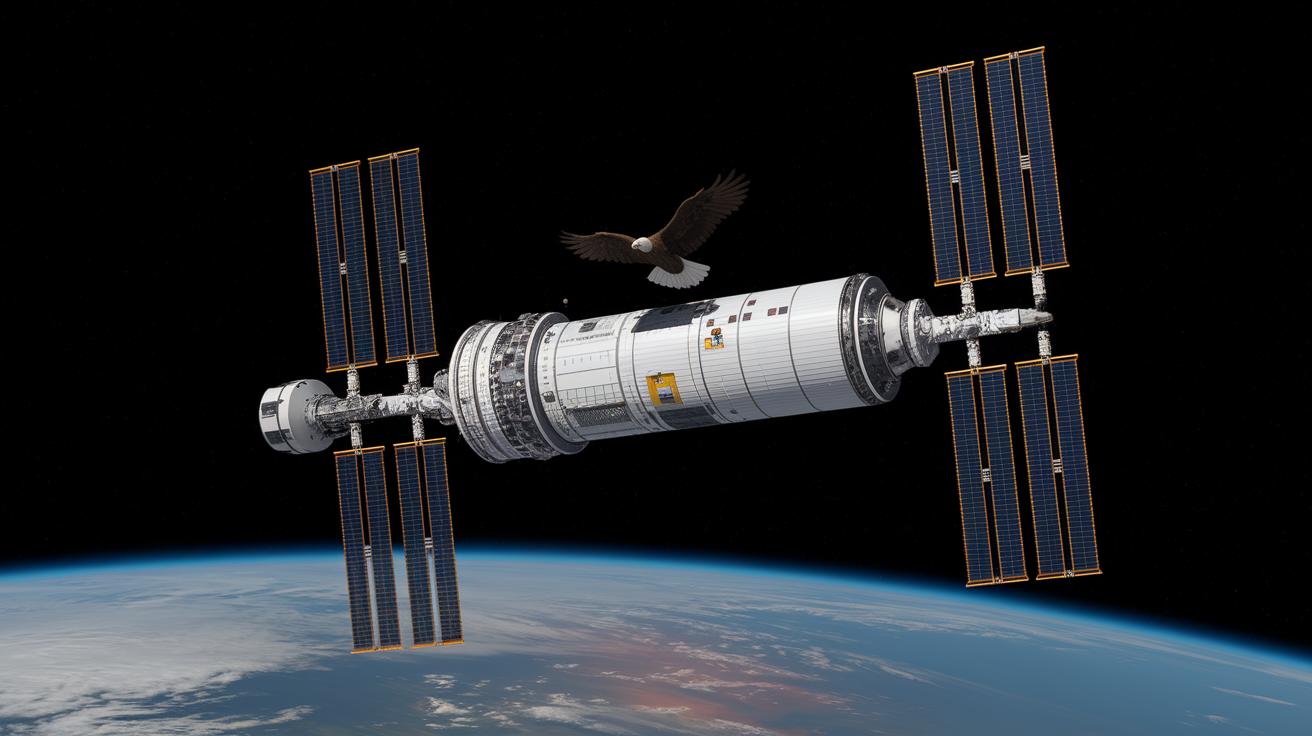
After liftoff, the spacecraft split apart and connected perfectly. When it settled into orbit, the Lunar Module, nicknamed Eagle, stayed firmly attached beneath the larger Command and Service Module called Columbia. Later on, the two parts undocked, letting Columbia flip around to meet up with Eagle. This smart plan allowed the crew to switch from the orbiting ship to the descent craft, paving the way for their unforgettable trip to the Moon. Engineers even designed the docking moves so the handoff was as smooth as passing the baton in a well-practiced relay race.
During the nerve-wracking descent, keeping in touch between the spacecraft and mission control was a must. The timeline shows that this phase kicked off with a Trans-lunar injection burn (a push to leave Earth’s orbit) on July 18, 1969. Then, on July 20 at 102:47 GMT, Eagle’s engines fired up for a powered descent, sending the module steadily toward the Moon. Onboard sensors (telemetry) and live voice updates from mission control made sure every detail was safe, leading up to the famous Eagle touchdown in the Sea of Tranquility at 20:17 UTC. That perfect landing was a clear sign of real teamwork.
The following day, July 21, 1969, more key steps were reached. After landing safely, the astronauts left Eagle for the very first moonwalk (an activity outside the spacecraft), with every move relayed back to Earth. Later on that same day, at 17:54 UTC, the ascent stage took off, kicking off the return journey. The well-timed series of events, from separating the stages, to the descent, the moonwalk, and finally the ascent, clearly showed how perfectly the Apollo 11 landing was carried out.
Descent and Ascent Stage Mechanics of the Lunar Module
Descent Stage Engine
This engine runs on a special fuel mix called hypergolic propellant (a mix that lights up immediately when it touches its partner), letting it kick in without a spark. It can adjust its power between 10% and 60% so the landing is smooth and precise. Plus, its movable mount acts like a steering wheel, guiding the engine to the right angle. Early tests even revealed that a tiny change in the engine’s tilt could ease the final seconds of landing, sort of like tweaking the water flow from a faucet when you’re filling a glass.
Ascent Stage Engine
This engine is built to deliver a steady 3,500 lbf of thrust and comes with a neat trick: it can shut down and restart reliably between landing and takeoff. This restart feature was vital for safety, making sure the module had several chances to lift off again if needed. Think of it like a trusty flashlight that you can flick on and off without ever dimming, the engine would always deliver the power needed to get the module back into space.
Operational Challenges and Successes of the Lunar Module
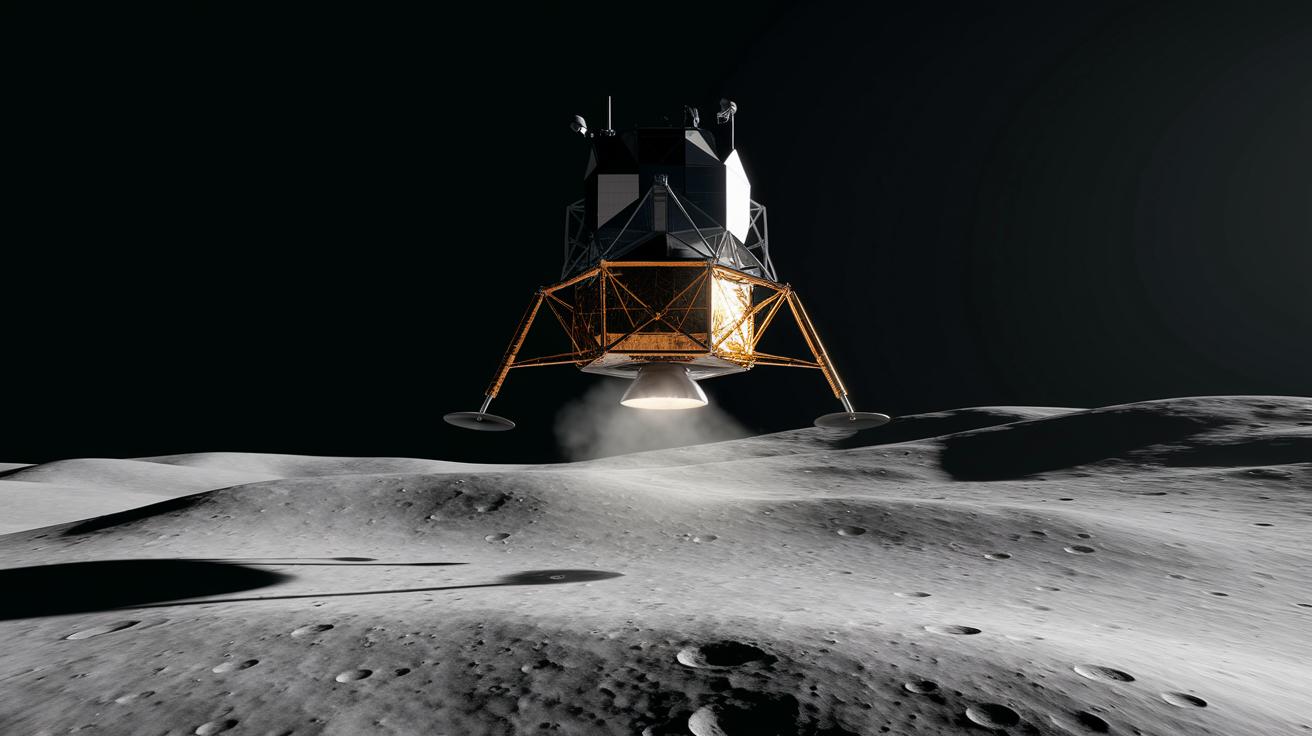
One of the coolest feats of engineering was how the module managed to land softly on the Moon. The Moon has less gravity than Earth, so engineers carefully eased the descent engine’s power (the push that slows the craft) to avoid a harsh impact. When the Lunar Module touched down, a small dust cloud gave a clear sign that the slow, steady drop of power not only slowed the spacecraft but also preserved the landing area. In other words, that gentle puff of dust told everyone that the thrust was just right.
Apollo 13 threw a curveball at the astronauts when its Service Module ran into big troubles. In that tense moment, the Lunar Module, nicknamed Aquarius, became a lifeboat, offering essential life support and helping guide the crew back home safely. It was amazing to see how this craft could step up under pressure and turn a dangerous situation into a success story.
Engineers also kept a close eye on tiny shifts in dust and readings from onboard sensors. These careful observations confirmed that the gentle descent only stirred up a little surface dust without causing any damage. One engineer summed it up nicely, noting that every carefully controlled movement helped secure a safe landing.
Legacy of the Lunar Module and Future Vehicle Designs
The Lunar Module’s unique design really changed the game in space exploration. Its clever two-part setup helped pave the way for new landers like the Artemis Human Landing System. This module brought in cool tech ideas, like engines that could restart using hypergolic fuel (a type of fuel that ignites easily without needing extra help) and precise landing control with a gimbaled descent engine (one that can pivot for better accuracy). These choices laid down a solid tech base and showed how important a light, flexible design is when facing space’s tough challenges.
Here are some of the standout features:
- Two-part design that separates ascent and descent
- Hypergolic fuel for engines that can reliably restart
- A pivoting engine for more accurate landings
- A honeycomb structure that keeps it strong yet lightweight
Today’s space vehicles still take cues from the Lunar Module. Modern lunar missions build on its proven ideas by using updated versions of its systems to handle new challenges. By drawing on this history of smart, reliable tech, engineers are making landers that are safer, more efficient, and better prepared for the tricky business of exploring the moon. It’s a great example of how refining good ideas can push the limits of what our technology, and we, can do.
Final Words
In the action of exploring the lunar module, we've traced its journey from innovative design and technical specs to its crucial role in lunar missions. The post covered everything, from the two-stage architecture crafted for safe landing and ascent, to detailed mission operations that marked historic moments in space.
We've seen how operational challenges steered real problem-solving and sparked lasting influence for future explorers. It all leaves us with a positive sense of anticipation for what lies ahead in lunar module advancements.