


Have you ever wondered if your dinner might almost feel alive? Food tech is changing the way we grow our food and get it to our tables. Just like your phone tracks your steps, modern sensors (little devices that check every move) and smart machines are keeping an eye on every part of the food process.
Now, you’ll see robots sorting fruits and vegetables while digital tools make sure every package follows the best route. In short, these clever changes help reduce waste, keep costs down, and bring fresh ideas to your plate. It all points to a future where your food system is not only more reliable but also a lot more efficient for everyone.
How Future Food Tech is Reshaping Production, Distribution, and Consumption
New breakthroughs in food technology are changing the way we grow, process, and deliver our food. You know how your smartphone tracks your steps in real time? Well, modern production lines do something similar by checking product quality as things happen. Sensors, robotics, and data tools are now part of the whole food journey, making everything smarter and more connected.
This transformation isn’t just about improving how food is made. It’s also about making distribution faster and more reliable. By using smart tech, companies can track every step of a food product’s journey, ensuring that everything runs smoothly and efficiently. When folks ask about the future of tech in food, it’s these clever systems and logistics answers that come to mind.
Key drivers include:
- Automated sorting and packaging processes
- Real-time supply chain data and quality checks
- Sustainability practices in production techniques
- Advanced tracking for distribution and delivery
These innovations help everyone involved, from farmers and producers to the consumers on their dinner tables. They cut down waste, save precious resources, and reduce costs. With a focus on sustainable production, these new ideas are setting the stage for safer and more dependable food systems. By mixing digital tools with smart analytics, the food industry is rethinking its core practices and transforming how everyday meals make it from the farm to your table.
Alternative Protein Development and Cultured Meat Advances in Future Food Tech
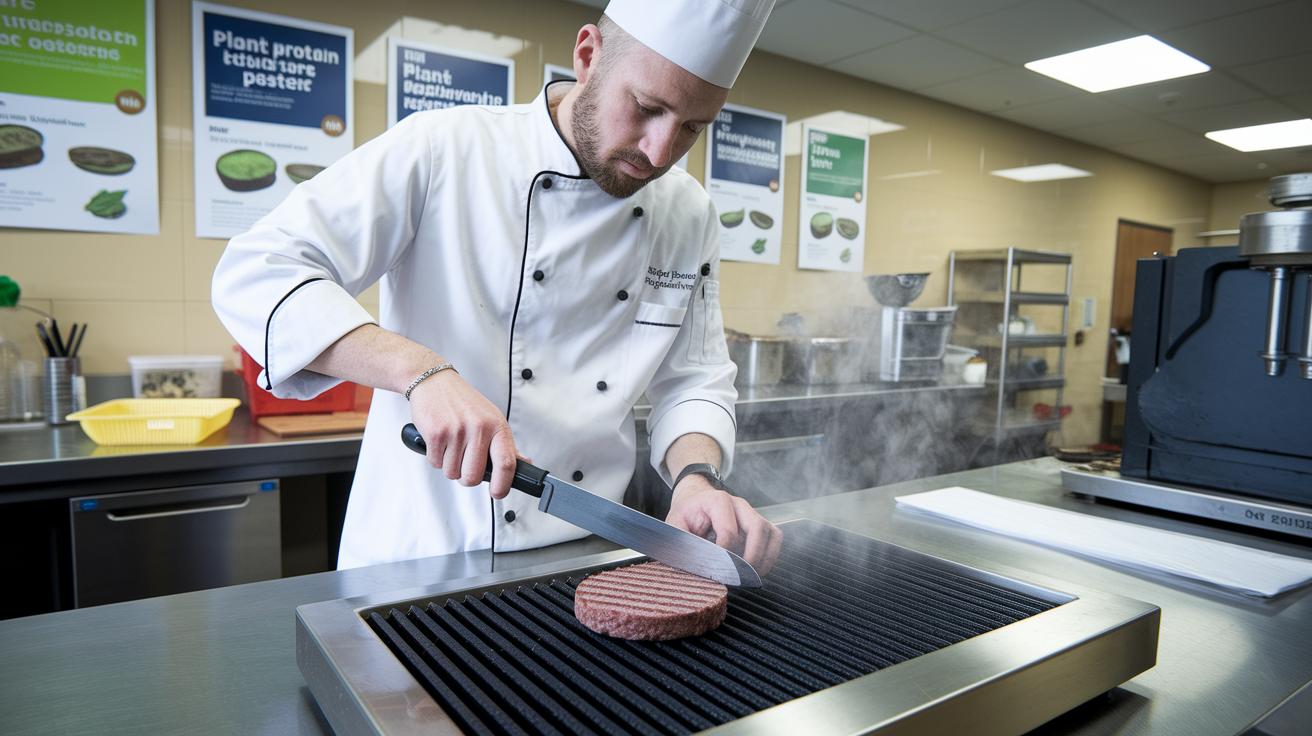
Food technology is having an exciting moment right now, opening up creative ways to make protein that doesn’t come from traditional animal sources. Researchers are exploring plant powers, clever fermentation methods, and even growing meat from cells in labs. They’re hoping these fresh techniques will not only keep our food supplies steady but also help take care of our planet’s health.
Take a look at some of the standout ideas shaping this field:
- Plant-based protein that’s been refined to taste and feel more like meat – imagine biting into a burger made entirely from plants that sizzles just like the real thing.
- Protein produced through fermentation, where tiny microbes turn sugars into a healthy protein ingredient – it’s a bit like brewing your favorite drink, but with a high-protein twist.
- Cell-cultured meat grown in lab settings under careful control – picture it as a mini steak developed in a lab, mirroring the texture and flavor of usual meat.
- Hybrid products that mix both plant-based and lab-grown proteins to boost nutrition – a smart blend where nature and science team up for better protein options.
- Advanced bioreactors that speed up cell growth and drive down costs – think of it as a greenhouse setup, but designed for growing protein cells efficiently.
- 3D-printed protein structures that let you choose textures and shapes to suit your taste – like printing out your ideal food creation, exactly how you like it.
All these innovations are reshaping our ideas about sustainable protein. They’re not just about funky lab experiments – they’re setting the stage for food that is better for the environment and easier to make on a large scale. Experts believe that over the next decade, these new methods could cut costs and win over more fans, gradually shifting us from traditional meat to these modern alternatives in our everyday meals.
Precision Ag and Plant-Based Revolution in Modern Food Tech
Have you ever wondered how today’s tech is transforming farming? Modern farms now use smart sensors and data tools that work around the clock to help farmers grow their crops better. These digital helpers gather real-time info so adjustments to water, nutrients, and other needs are made with surprising accuracy. This smart approach not only cuts down on waste but also lightens the strain on our environment.
One neat trick in precision farming is precision seeding. This method places seeds in just the right spots to give each plant the best chance to thrive. Then there’s variable-rate irrigation, which adjusts water amounts according to the specific needs of each part of the field. And with real-time crop monitoring, thanks to small networked devices (think mini-computers in the field), farmers can spot issues before they turn into major problems.
Together, these techniques boost both the yield and quality of crops while also lowering costs. They help reduce the overuse of water and chemicals, leaving our lands healthier and more sustainable. As more farms adopt these smart methods, we’re looking at a future where agriculture is not only more efficient but also kinder to our planet.
Vertical Farming Innovation and Robotics in Future Food Tech
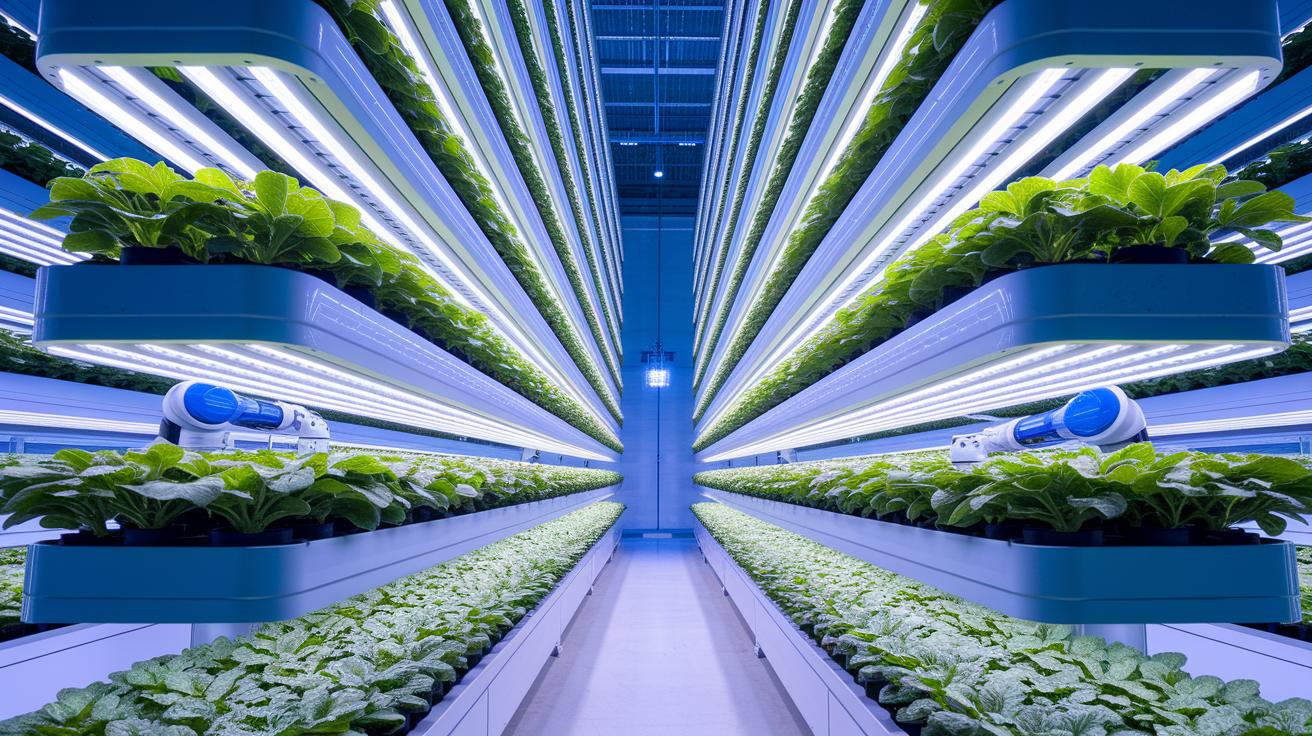
Inside vertical farms and smart greenhouses, technology is changing the way we grow our food. Picture rows of plants stacked in layers under soft, tuned LED lights while helpful robotic arms carefully plant and pick each crop. This clever setup not only makes use of less space but also cuts down on water and chemical use. In fact, some models have shown they can save up to 70% of the water and boost crop yields by almost 300% throughout the year.
In these modern greenhouses, smart climate-control systems work hand in hand with sensors that check the temperature, humidity, and light levels all the time. They adjust the conditions instantly so the plants feel like they’re always in their perfect season. Meanwhile, lightweight drones glide through the farms, scanning for the best time to harvest fruits and vegetables, which speeds things up and helps reduce waste.
Key innovations in this field include:
- Robotic planting tools that make sure each seed is placed just right.
- Drones that help gather data during harvest for quicker, more efficient picking.
- Climate control systems that keep the environment just right around the clock.
These forward-thinking methods could really cut back on the land and energy needed for growing food while making sure we get steady, reliable harvests every single month.
Digital Supply Chain, Blockchain, and AI-Powered Cuisine in Future Food Tech
Food tech is speeding up in exciting ways. Experts are mixing smart digital supply chains, blockchain (a super safe way to record information) for tracking, and AI-powered cooking to create meals that are easier, safer, and feel made just for you. Imagine a world where you can see every step your food takes, from the farm to your fork, and where deals and transactions happen all on their own with smart contracts. All of this is possible thanks to clever computer programs in farming that can predict what we’ll need (it’s like having a friendly digital assistant for crops).
Here’s how it breaks down:
| What It Does | How It Helps |
|---|---|
| Predictive Demand Forecasting | Changes food production in real time as our eating habits shift. |
| Quality Sensor Integration | Sensors check food quality all the time, keeping our meals top-notch. |
| Automated Blockchain Verification | A digital ledger confirms every ingredient’s origin and safety with each handoff. |
At the latest Future Food-Tech event, industry leaders chatted about how AI can spot trends early and fine-tune every part of food production. And in panels titled “2035 Visions,” experts painted a picture of the future where these digital tools work even more closely together. All these innovations are paving the way for a food system that isn’t just smarter and safer, it also caters to our personal tastes and health needs.
It’s pretty cool to think about how these changes might affect the way we enjoy our meals. Have you ever wondered what your next dinner might look like with this tech at work?
Smart Kitchens and Immersive Dining with Future Food Tech
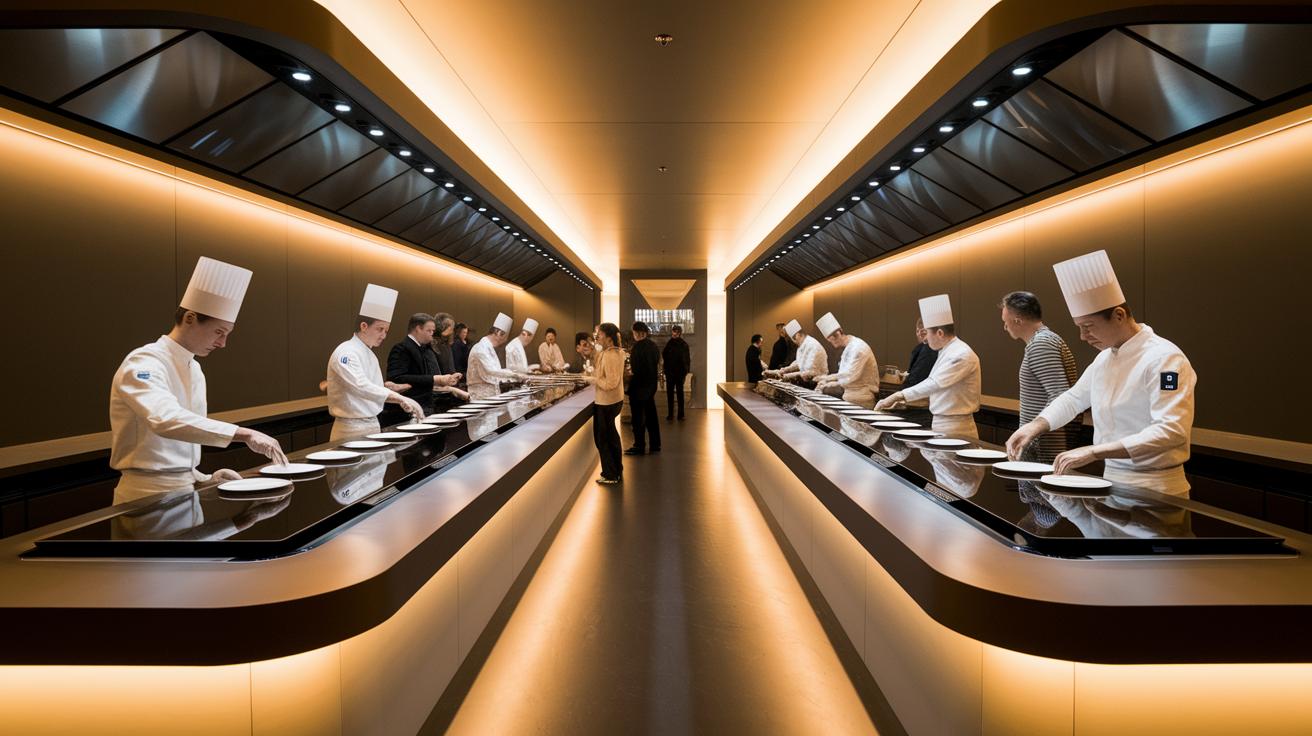
Smart kitchens and immersive dining are shaking up the restaurant world. Imagine a kitchen where robot chefs stir, sauté, and even plate dishes with amazing precision, it's like having a culinary wizard at your service. AI recipe generators even come up with creative menus by looking at what you like and what’s in season, so every meal feels made just for you. And not long ago, menus using AR (augmented reality, which means blending digital images with the real world) let diners see exactly how a dish might look before they order.
Then there are modular kitchens that can change to suit any cooking style or workflow need. Sensor-driven cooking systems keep a close eye on temperatures and cooking times, making sure every dish comes out just right. It's a bit like having a dedicated culinary assistant who makes sure every flavor is in perfect harmony.
On the dining side, immersive experiences add a whole new layer of fun. Diners can now enjoy meals that mix stunning visuals with rich sounds, enhancing the taste and overall vibe of the food. With these new tech tools, dining isn’t just about eating, it’s about enjoying a full, multi-sensory adventure. As more restaurants jump on board, chefs and owners are finding creative ways to streamline service and wow their guests. All these innovations point toward a future in hospitality that's not just smart, but downright delicious.
Sustainable Production Solutions and Circular Practices in Future Food Tech
Our food industry is getting a green makeover by reimagining waste as a valuable resource. Take enzymatic upcycling, for example, this process turns plant leftovers into useful ingredients like flavor enhancers, almost like you’re finding hidden treasures in your kitchen scraps. It’s a neat way to close the loop on resources while cutting down on trash.
Manufacturers are also embracing edible biodegradable packaging that not only safely holds food but naturally breaks down after use. This means less reliance on traditional plastics and a smarter, circular way to recycle materials. In addition, energy recovery units in production plants capture waste energy and convert it into electricity. This clever trick reduces energy loss and helps run facilities much greener.
Key innovations in this field include:
| Innovation | Description |
|---|---|
| Enzymatic upcycling | Transforms leftovers into essential ingredients |
| Biodegradable packaging | Replaces traditional plastics with eco-friendly options |
| Energy recovery units | Recycles waste heat into usable power |
These smart, sustainable techniques are setting the stage for a future in food tech that makes every resource count. Have you ever thought about how turning waste into a resource can change the way our food is made? This shift not only helps our planet but makes the entire production process more efficient and thoughtful.
Market Analysis and Event Case Studies for Future Food Tech
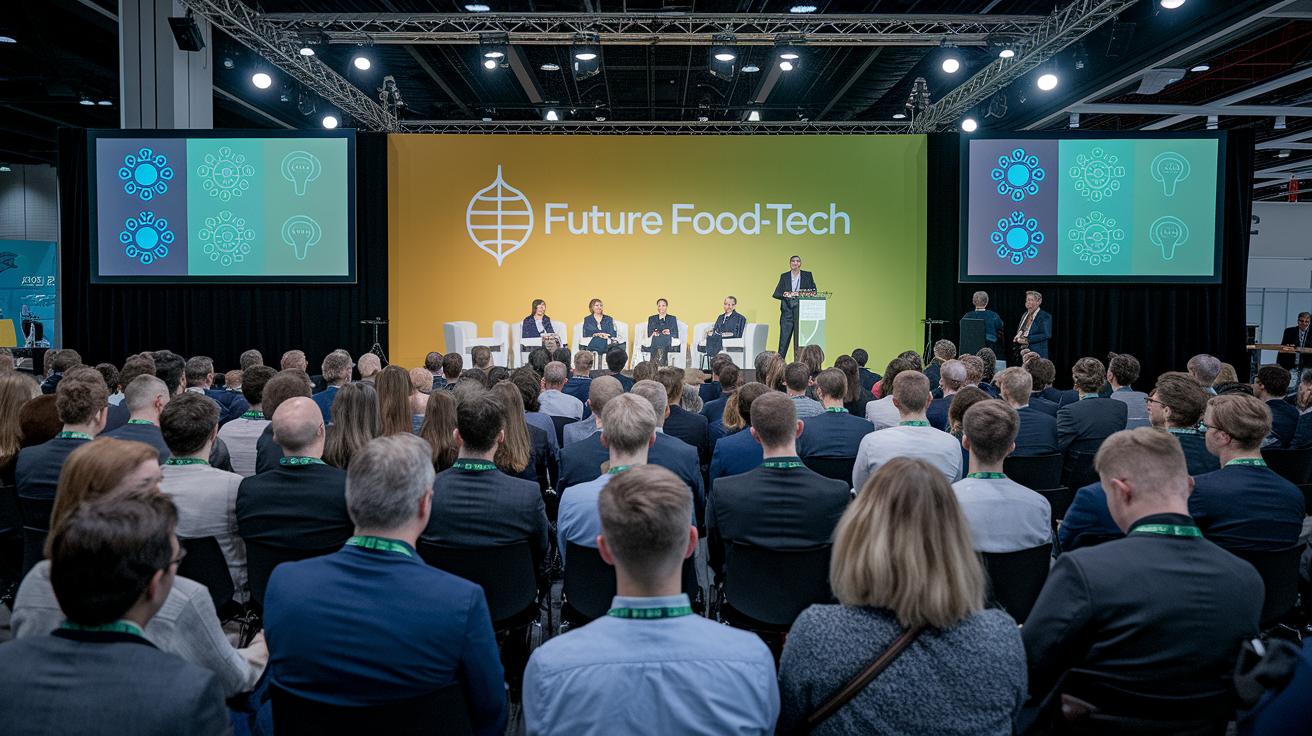
The food tech world is buzzing with energy right now. Investors are keen on backing agri-tech startups, and events around the globe spark fresh conversations about smart, new ideas. One standout event is the Future Food-Tech conference, where over 600 leaders come together. Here, experts chat about topics like alternative raw materials, clear labeling rules, AI helping at every step (that’s artificial intelligence helping with decision-making), gut health with postbiotics and biosensors, and clever ways to cut waste and lower carbon emissions.
Organizers have planned some really engaging sessions, such as the Women’s Networking Breakfast, a UC Davis Tour, an Innovation Stage, and even a Future Food-Tech Run. These sessions let you see market changes up close and learn about new trends in funding. They even offer insights from venture investment experts that give agri-tech startups a great start in growing innovative ideas. Industry leaders like Olaf Gruess, Jim O’Neill, and Tara Glasgow share their thoughts on how these trends might change the food tech landscape. Their advice, along with market predictions from future tech forecasts (find out more at https://fairlygreat.com?p=1188), gives a helpful guide for anyone planning for the future.
| Event Dates | Location | Main Themes |
|---|---|---|
| March 19–20, 2026 | Marriott Marquis, San Francisco | Alternative Raw Materials, Labelling & Legislation, AI Value Chain |
| September 24–25, 2026 | InterContinental O2, London | Gut Health, Waste Valorization & Decarbonization |
These insights are laying out a clear path for strong teamwork in the industry and steady market growth over the long term.
Final Words
In the action of reshaping our plates, future food tech marks a clear shift in food production, supply, and sustainability. The post showcased breakthroughs in alternative proteins, smart agriculture, vertical farms, digital supply chains, immersive dining, and eco-friendly production methods.
These innovations show how science and tech connect to build better food systems. This vibrant outlook invites us to stay curious as new solutions come to life. We're looking forward to a world with smarter, sustainable practices that benefit everyone.
FAQ
What is Future Food-Tech London about?
The Future Food-Tech London event brings together industry experts to explore advanced food technology and sustainable protein innovations. It covers alternative raw materials and smart systems to drive modern food production.
What happens at Future Food-Tech Chicago?
The Future Food-Tech Chicago gathering highlights digital supply chains and precision agriculture, offering insights into efficient production methods and digital solutions for transforming food systems.
What is being discussed at Future Food-Tech 2026?
Future Food-Tech 2026 focuses on emerging technologies that reshape production, distribution, and consumption. It discusses vertical farming, digital supply chains, and lab-cultured protein trends impacting the future of food.
What roles does Future Food-Tech San Francisco play?
Future Food-Tech San Francisco showcases smart agriculture and tech-driven food planning. It emphasizes innovative practices, such as robotic systems and blockchain traceability, ensuring efficient modern food production.
What can one expect at Future Food-Tech New York?
The Future Food-Tech New York event emphasizes innovative food systems and sustainable production practices. It covers topics like alternative proteins and advanced digital solutions to improve food processing and delivery.
What does Future Food-Tech Protein focus on?
The Future Food-Tech Protein focus centers on alternative protein development, featuring breakthroughs in cultured and plant-based proteins. It aims to provide healthier, sustainable options in the food industry.
What is the significance of the Future Food-Tech logo?
The Future Food-Tech logo symbolizes the fusion of technology and food sustainability. It stands as an emblem of modern food innovations, representing fresh approaches to production and efficient supply chains.
What is unique about the Future Food-Tech venue?
The Future Food-Tech venues, such as those in San Francisco and London, are chosen for their modern infrastructures and collaborative spaces, which support discussions on sustainable production and digital transformations in the food sector.