


Have you ever imagined an app that almost seems to read your mind? App development is evolving, making our devices more helpful than ever. Our world is getting smarter with tech like AI (artificial intelligence that learns from you) and fresh, modern designs that make using apps a joy.
Imagine an app that does more than just meet your needs, it also offers cool visuals like AR (augmented reality, where digital images blend with the real world) and VR (virtual reality, where you step into a completely different setting). These innovative tools are starting to change the way we interact with everyday technology.
Stick with us as we explore the exciting future of app development, and see how every new line of code is building a more connected, interactive world.
app development trends: Future Shines Bright
Staying up-to-date with the latest app trends is super important since our digital world changes really fast. Nowadays, many apps use smart technology and generative AI (tech that creates new content) to guess what we need. Imagine an app that picks the next song on your playlist before you even think about it! These little tech tricks make life easier and more fun.
If you're building a cool app or website, keeping an eye on these trends is key. We see lots of immersive designs like AR overlays (augmented reality images) and VR (virtual reality) experiences that pull you right in, and even voice commands add extra flair. Plus, when apps work smoothly on gadgets, from smartphones to wearables and even car dashboards, they create a seamless, engaging experience for everyone.
Recent numbers show just how much these changes are transforming our digital space. In 2024, downloads for AI chatbot apps jumped by 112%, a clear sign that people love personalized and predictive features. When an app works well on tablets, foldable phones, or even car screens, the entire experience becomes more unified and enjoyable. Also, with smart tech built right in, these apps serve up personalized services in real time. Across the globe, regions like Asia-Pacific are setting the pace for mobile adoption while Africa and Latin America are seeing strong, double-digit growth. This shift gives developers the power to design digital solutions that are agile, relevant, and truly user-focused.
Emerging Coding Frameworks Shaping App Development Trends

Today’s development scene is buzzing with new frameworks that make building apps faster and simpler. You know, these tools are like different routes on a map, each designed to help you deliver digital solutions quicker and with a smooth user experience.
React Native and Flutter are two big names that let developers create apps for both iOS and Android with ease. It’s like having one magic toolbox that combines the best of both worlds, efficient code that works almost as well as native apps while saving you heaps of time.
Then there are low-code/no-code platforms such as Bubble. These platforms take your idea from conception to launch in record time. Imagine snapping together LEGO pieces, where each click builds your vision bit by bit. They come packed with AI connectors, ready-made templates, and useful plugins, turning what used to be a long process into something you can set up in days.
Another exciting trend is the move toward modular, component-driven architectures. Think of it as having a set of interchangeable building blocks that you can update or swap without starting from scratch. This approach not only saves time but also makes maintaining code a whole lot easier, which is especially important as more enterprise apps are expected to emerge from low-code solutions in the near future.
App Development Trends: Advanced UX and Interface Insights
Immersive channels are reshaping the way we connect with digital products. Augmented reality (AR, which adds digital info on top of what you see) and virtual reality (VR, which creates whole new worlds) are now part of everyday experiences in stores, schools, and games. Think of a classroom where lessons literally come to life or a store that lets you shop in a virtual setting, tech like this is turning wild ideas into our normal routine.
Voice commands and gesture controls are also changing how we interact with our gadgets. With wearables and smart devices picking up spoken words, apps now understand simple directions and even a nod or a wave. Imagine asking your device for directions or to adjust a setting just with a quick word, this kind of interaction makes using technology feel more natural and human.
Now, developers are designing interfaces that mix touch, voice, and gesture seamlessly. They’re busy creating apps that let you choose how to interact, so every part of the experience feels both simple and personal. It’s like having several friendly ways to talk to your device, making every digital experience engaging and easy to use.
App Development Trends in Performance Optimization and Scalability
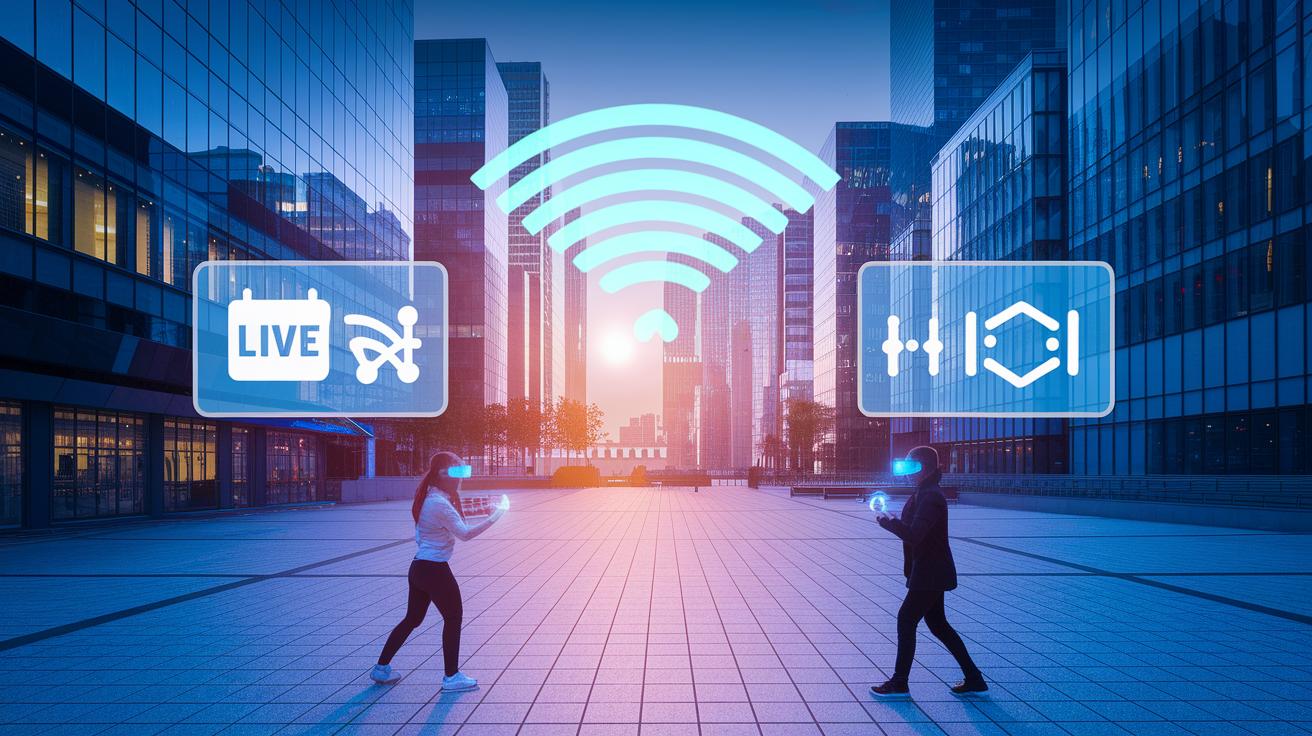
When we talk about building great apps, performance really matters. Fast connections and a strong system design let apps run live video, augmented reality, and multiplayer games without annoying delays. This means every user gets a smooth, responsive experience that keeps them coming back.
The arrival of 5G has really changed the game by cutting delay times by as much as 90%. And experts are already looking at 6G, which might even reach speeds over 1 terabit per second (that’s 1,000 times faster than many current networks). With these advances, apps can handle live streaming events and interactive games much better, even when they’re pushed to the limit.
By using edge computing – a way to process data closer to where you are – response times can drop by 40–60%. This approach, when paired with microservices (breaking down tasks into small, manageable pieces) and containers (lightweight systems for running apps), lets developers update apps without any downtime. In practical terms, apps can quickly scale up to meet high demand and stay stable even during sudden traffic surges.
| Technology | Key Benefit |
|---|---|
| 5G Connectivity | Up to 90% lower latency |
| Edge Computing | 40–60% faster response times |
| Microservices | Smooth horizontal scaling and zero downtime |
| Containerization | Simplified updates and maintenance |
App Development Trends for Security and Quality Assurance Enhancements
These days, every app needs to be built with strong security, privacy in mind, and a focus on long-term sustainability. Developers are working hard to meet new rules while keeping your information safe. Think of it like a pilot checking all the systems before a flight, your favorite app is guarding your personal details as if it were a secret vault.
Using AI to create test cases is shaking up quality assurance. This new method cuts down bugs by up to 30%. It means teams can spot problems sooner and tweak their apps to run smoothly right from the start. It’s kind of like having an extra pair of eyes that never sleeps.
Privacy gets serious with features like end-to-end encryption and automated vulnerability checks. These tools work quietly in the background, wrapping your data in layers of protection, as if your chat messages were tucked inside an unbreakable envelope.
Another trend gaining ground is crowd-based testing. By using platforms that involve testers from all over, developers can catch real-world issues on various devices and in different regions. This helps ensure that when you download an app, it works perfectly, no matter where or how you use it.
App Development Trends Integrating AI and Machine Learning

Generative AI and built-in machine learning are quietly powering smart apps that seem to know what you need before you even ask. In simple terms, your app watches your habits and then offers up suggestions, much like a helpful pocket assistant. This smart tech smooths out how you interact with the app and even helps create content on its own.
Real-time analytics work like a friendly observer, tracking every tap and swipe. This lets apps quickly adjust their features to match how you use them. Imagine a chat app that tweaks its layout on the fly based on the buttons you use most. Every little action you take helps refine the app’s design in real time.
Predictive personalization makes your experience even more engaging by serving up notifications and content that feel just right. For instance, some AI chatbot apps saw a 112% jump in downloads in 2024 by using smart data to keep users interested, boosting user retention by up to 30%. Picture an app that plays a new playlist perfectly suited to your mood even before you ask. That's how timely, custom suggestions can truly make a difference.
App Development Trends in DevOps, Testing, and Collaboration
Software development is moving fast these days, and teams are always on the lookout for tools that make coding easier and faster. They’re not just writing code, they’re blending everything so new features drop quickly and smoothly. Most teams now use tools like cloud-based IDEs and automated version control to stay connected, even when they’re not in the same room.
CI/CD pipelines are becoming a regular part of many projects. These systems cut deployment times by up to 70%, which means apps can roll out updates more often. It might sound like tech jargon, but automated testing and continuous integration (regular checks that help catch errors early) are really changing the way apps are built. And with Infrastructure as Code (IaC), developers automatically set up the right environments every time, ensuring consistency from start to finish.
Here’s what’s in the mix:
By embracing these practices, developers create a friendly coding environment that speeds up releases and improves app quality. In the end, everyone wins, teams get to work smarter, and users enjoy a smoother, more reliable experience every time they use an app.
Final Words
In the action, this article took you through breakthrough design techniques, evolving coding methods, and dynamic security measures that shape our digital platform.
It emphasized how smart tech and collaborative tools are driving forward our mobile and web experiences with real-world stats and insights.
By keeping up with app development trends, we find fresh ways to use emerging tech that brings clarity and excitement to our everyday digital lives.
FAQ
What are mobile app development trends?
Mobile app development trends involve using AI for personalized experiences, connecting smartphones, wearables, and other devices, and adding immersive elements like AR and voice interfaces to create more intuitive user experiences.
What are app development trends for 2023?
App development trends for 2023 highlight smarter personalization with generative AI, improved cross-platform integration, and more immersive interactions through augmented and voice-powered interfaces, leading to faster, user-focused solutions.
Is there a PDF for app development trends and what does it include?
An app development trends PDF typically compiles key industry insights, technological innovations, and performance statistics, offering an accessible overview of emerging frameworks, immersive interfaces, and scalability improvements in app design.
What do App Developer Magazine and Dev magazine cover?
App Developer Magazine and Dev magazine provide current updates on development innovations and software trends while sharing practical advice and best practices to help professionals stay informed about modern app creation.
How is the future of application development evolving?
The future of application development evolves by integrating AI, low-code tools, and cross-device capabilities with immersive user interfaces, supporting apps that dynamically adapt to user needs while ensuring smoother performance and scalability.
What are the latest trends in software development?
Latest trends in software development focus on streamlined workflows through modular architectures, enhanced security with automated testing, and innovative frameworks that boost efficiency, collaboration, and overall user engagement.