


Ever thought a routine checkup might lead to a new level of care? Medical breakthroughs are changing how we look at health, almost like something out of a sci-fi story. New imaging tools give doctors clear, detailed maps of your body without any surgery, and smart home devices keep you connected with your doctor every step of the way.
This post takes a closer look at these innovations. They help make treatments faster, safer, and more comfortable. Keep reading to see how modern techniques are changing how we diagnose and recover.
How advanced medical technologies are redefining patient diagnosis and treatment
Advanced Medical Solutions is reimagining patient care by bringing together the latest imaging tools and modern treatments all under one roof. They use non-invasive techniques like MRI, CT scans, and portable ultrasounds so doctors can see inside your body without any surgery. Picture an MRI creating a 3D map of your knee in under two hours, this means your diagnosis is precise and the whole experience remains comfortable.
Along with high-tech imaging, the center offers IV therapies that deliver hydration, vitamins, minerals, and antioxidants straight into your bloodstream. This fast-acting treatment boosts your body’s healing process, kind of like getting an instant, revitalizing energy drink.
They don’t stop there. The team also uses peptides therapy, which works to repair and regenerate tissues, reduce inflammation, and speed up your recovery so you get back to your routine quicker. Plus, they incorporate stem cell and PRP injections to further accelerate healing, showing their commitment to mixing new regenerative methods with traditional care.
Patients also benefit from smart home healthcare gadgets like remote vital-sign monitors and telehealth portals. These digital tools make sure that your care continues even after you leave the clinic. Imagine checking in with your doctor from your living room while your health data updates in real time, pretty neat, right?
Diagnostic Innovations powering advanced medical care
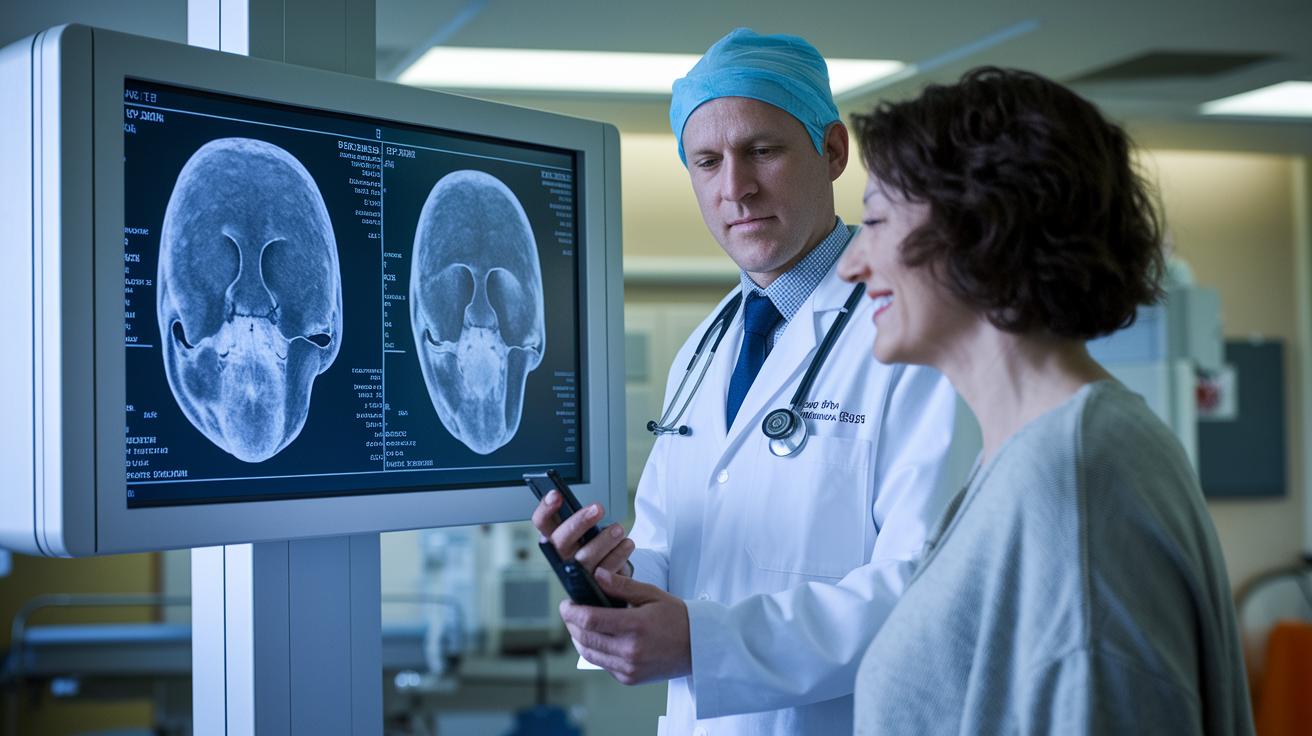
Next-gen imaging is changing how doctors spot problems and help patients feel better. Imagine an MRI scanner powered by AI that builds clear 3D maps of your body, this clever tool can find tiny issues that might go unnoticed. And then there’s the CT machine that takes super-quick, low-dose slices, giving you results in just about 30 minutes. Portable ultrasound devices let doctors check you right at your bedside. Modern ultrasound machines deliver immediate results, so doctors can decide on the spot during a regular check-up.
Point-of-care blood analyzers also speed things up by giving complete blood counts and lab-quality electrolyte readings in under 15 minutes. On top of that, the latest diagnostic systems bring together images, x-rays, and lab tests into one easy-to-read record, making the whole process smoother. Curious to learn more about these groundbreaking medical tools? Just click the link to dive deeper into the world of medical innovations that support this new way of caring for patients.
| Modality | Key Features | Result Time |
|---|---|---|
| MRI | AI reconstruction, 3D maps | 1–2 hours |
| CT | Ultra-low dose, rapid slices | 30 minutes |
| Ultrasound | Portable, Doppler imaging | Immediate |
| POC Analyzer | Lab-grade CBC, electrolyte readings | 15 minutes |
These advancements let examinations, x-rays, and blood tests work together as a team. Every part of the process plays its role in giving patients faster and better care, a team effort of modern technology helping to keep us healthy.
Surgical and Therapeutic breakthroughs in advanced medical technology
Recent progress in surgical and therapy systems is completely changing how treatments are done and how people bounce back after procedures. We now have robotic systems that can move with super tiny precision, thanks to 3D vision and touch feedback that lets surgeons see and feel even the smallest details. These tools help cut down on blood loss and reduce the time patients spend in the operating room. Plus, many surgical instruments now include live imaging, so doctors can check their work in real time.
Robotic-assisted surgical platforms
Imagine a robot in the operating room that can move in many directions with crystal-clear details and super-speed. Its quick feedback lets surgeons sense even the lightest differences in tissue. This neat, compact machine is making a huge difference in the way surgeries turn out. After using such a device, patients have enjoyed fewer complications and a faster return to their everyday lives.
Advanced therapeutic devices
Therapeutic tools are getting really exciting too. New treatments like stem cell scaffolds, human tissue injections, and PRP shots are being used to help with joint issues and autoimmune conditions. These treatments come with exact cell doses and precise methods to ease pain and boost movement. And wearable exoskeletons are helping people recover after strokes or joint surgery with steady support and long-lasting power. Together, these advancements are showing us how personalized care can lead to clear, measurable improvements in recovery.
Telemedicine and digital health shaping advanced medical services
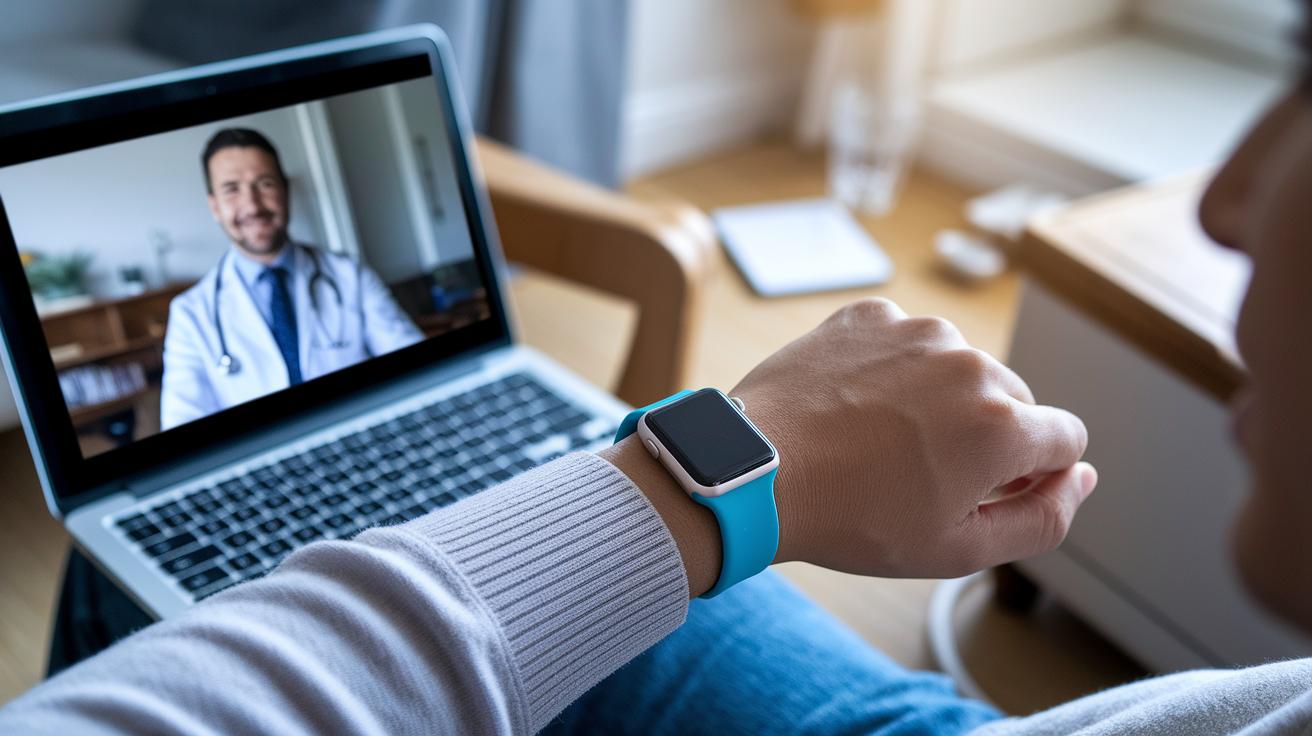
Imagine being able to chat with a specialist, any time you need help. That’s exactly what virtual urgent-care visits offer. With just a secure video call or an online form, you can get advice for both urgent and regular care, often within 24 hours. Plus, handy mobile apps make everything easier by letting you book appointments, set medication reminders, and even send messages back and forth with your healthcare team.
Picture wearing a small device that keeps an eye on your heart rate, blood pressure, and more, all day long. If something unusual happens, a sudden fall or a big change in your vitals, it sends an alert right away so help can come quickly. And all your test results, images, and treatment plans? They’re bundled together in a patient portal, giving doctors a clear window into how you’re doing in real time.
Digital health has completely reshaped how we take care of ourselves, making things smoother, faster, and more tailored to what you need. With these innovations, healthcare isn't just more efficient; it's also more reachable.
Key benefits include:
| Benefit | Description |
|---|---|
| 24/7 Specialist Access | Video calls that connect you with experts anytime. |
| Continuous Remote Monitoring | Wearable devices track your vital signs around the clock. |
| Centralized Health Records | All your imaging and lab reports stored safely in one place. |
| Automated Scheduling & Reminders | Systems that help book appointments and remind you of them, so you never miss a beat. |
| Secure Messaging | Safe, two-way communication for follow-ups and prescriptions. |
Clinical research and trials driving advanced medical development
New research centers are changing how patients are treated by running fresh clinical trials that explore regenerative treatments. These trials, ranging from early to later phases, use methods like stem cell therapy and PRP injections to target conditions such as chronic stroke, COPD (long-term lung issues), and autoimmune disorders. With the help of modern research tools, every step is measured carefully, making the process both precise and data-driven.
One really cool development is how artificial intelligence now organizes patients into groups. Wearable devices pick up small digital health signals, much like a fitness tracker that notices subtle changes in your health rather than just counting steps. It’s like having a smart helper that offers clues on which patients might benefit most from these new treatments.
Another breakthrough is the way big-data platforms bring together information from medical records, images, and even genetics. By blending these sources into one clear picture, doctors can see patterns and predict what treatments might work best. Special groups, like pediatric and geriatric patients, are also studied to fine-tune plans that meet the unique needs of different age groups.
In the end, the impressive results from these trials show just how valuable a data-driven approach can be. By mixing cutting-edge research with smart digital tools, the future of care looks set to be more responsive and effective than ever.
Future directions for integrated advanced medical systems
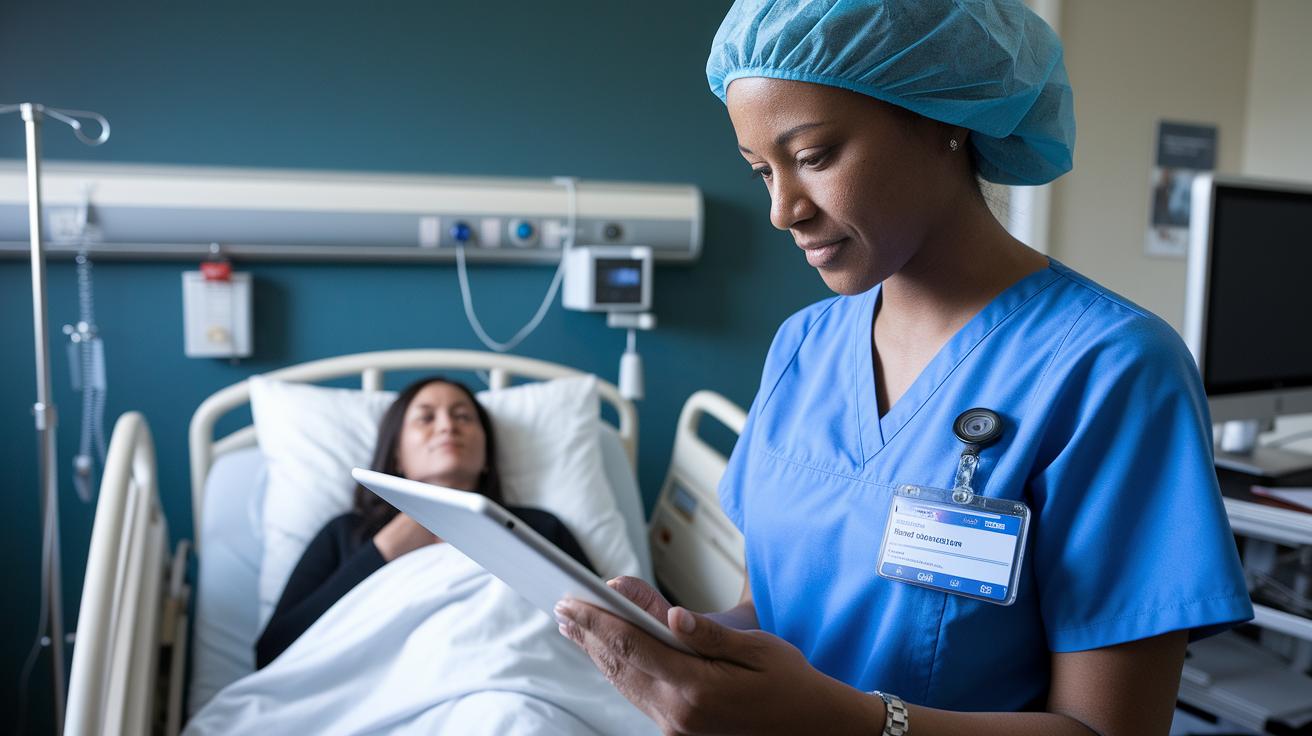
Cloud-based electronic health records (EHRs) are changing the way doctors and nurses share patient details, almost like magic. Imagine this: you get a test done, your doctor quickly updates your treatment plan on the cloud, and every specialist involved sees those updates right away. This instant sharing cuts down on waiting time and makes sure everyone is working with the same information.
In busy intensive care units, small IoT sensors (tiny gadgets that collect information) are busy sending key data to smart dashboards. These sensors notice even tiny changes in a patient’s condition, giving staff a heads-up before things get worse. It’s like having an early warning system that monitors all the vital signs so help can arrive just when it’s needed.
Automated supply-chain systems are now smart enough to reorder supplies, like bandages and other disposables, when they start running low. Meanwhile, team meetings that used to be a jumble of paper records are now held on unified digital portals. These portals bring together imaging studies, lab results, and even data reported by patients into one complete snapshot. Hospital designs are getting an upgrade too, with flexible diagnostic areas and telehealth studios that make patients feel more at ease and help care run more smoothly.
All of these improvements, from smart medical platforms and digital changes to connected care tools, are working together to build better workflows, boost patient involvement, and make the best use of resources. It’s a big step forward for medical care that just keeps getting better.
Final Words
In the action, we’ve seen how advanced medical technologies, from high-tech imaging and robotic precision to digital health systems, are reshaping patient care. Each breakthrough, whether it’s AI-powered diagnostics or regenerative therapies, is part of an integrated effort to streamline treatment and bring care to you faster.
The blend of innovative devices and digital solutions is transforming everyday health experiences. It’s inspiring to witness a future where advanced medical care not only improves outcomes but also makes healthcare more accessible and effective for everyone.
FAQ
What does “advanced medical” mean?
The term advanced medical means high-tech clinical care that uses state-of-the-art imaging, regenerative therapies, and digital health tools to streamline diagnosis and treatment.
Who is Advanced Medical Solutions and what services do they offer?
Advanced Medical Solutions refers to providers that integrate diagnostic imaging, non-invasive treatment, and remote care devices under one roof for comprehensive patient management.
What do terms like Advanced Medical Supply, Advanced Medical Corporation, and Advanced Medical Designs indicate?
These terms typically refer to companies offering innovative medical products and services, ranging from diagnostic tools to home healthcare devices, that support modern clinical practices.
What does searching for “Advanced Medical near me” or “Advanced Medical Naples” imply?
Such queries target local centers known for innovative diagnostics and digital health solutions, helping patients find nearby facilities offering advanced care and modern treatment methods.
Is an APN considered a doctor?
An APN is an advanced practice nurse with extensive training in patient care. They provide many clinical services and work closely with physicians, though they are not licensed as doctors.
What are the benefits of AdvaMed membership?
AdvaMed membership offers industry insights, networking opportunities, and resource access to help medical device professionals stay current with innovative technologies and best clinical practices.