


Have you ever thought about how your DNA might unlock better health care? Genomic medicine is shaking things up by using new ways to read our genes (like fancy DNA sequencing) and even editing them when needed. Imagine a doctor creating a treatment plan that fits you perfectly because it’s based on your very own gene map.
This exciting tech speeds up diagnoses and makes treatment plans quicker and more precise. In other words, it saves time and takes patient care to a whole new level. As these innovations grow, we're moving toward a future where every treatment is as unique as the person receiving it.
Defining Genomic Medicine Innovations: A Comprehensive Overview

Genomic medicine innovations have opened up a whole new way of taking care of patients. By combining rapid, affordable whole-genome sequencing (a test that reads nearly all of your DNA) with fresh medical technology, doctors can now get a detailed snapshot of a person’s genetic makeup. Imagine a lab technician saying, "This breakthrough sequencing technique uncovered a gene variant that helped shape the treatment plan." It’s a simple example of how complex genetic data is being turned into clear, useful information.
Recent advances in DNA sequencing have made it possible to diagnose and treat conditions like cancer and rare diseases more quickly and accurately. Modern next-generation sequencing platforms (advanced systems that speed up DNA analysis) cut both cost and time, paving the way for treatments that are designed just for you. Think of it like matching puzzle pieces, each unique genetic trait is paired with the therapy that’s most likely to work.
Innovations in CRISPR gene editing (a method that lets scientists change genes like editing a sentence) add another exciting tool to our kit. These techniques can adjust or fix genetic material at its source, opening the door to treatments that target very specific issues. Researchers are also identifying unique biomarkers (genetic clues that signal certain conditions) to refine these treatment plans even further.
Bioinformatics (using computer tools to make sense of biological data) and artificial intelligence are also stepping in to help. Automated systems scan huge pools of genetic information, turning what might seem like an overload of data into clear, actionable steps for clinicians. This blend of cutting-edge sequencing and smart data analysis is sparking new trends in biotechnology and transforming the way we care for patients.
Even more exciting is how personalized treatment is evolving. Thanks to rapid sequencing, what once took weeks can now be done in less than a day. This leap forward means that healthcare is becoming more customized, clearly weaving together molecular insights and targeted therapies to meet each patient’s unique needs.
Sequencing Technologies Advancing Genomic Medicine Innovations

Next-generation sequencing breakthroughs have really changed the way we look at modern diagnostics. With new platforms, it's now possible to sequence a full genome for less than $1,000 and get the results in under 24 hours. Picture a lab tech saying, "We just completed the full sequence, this data will steer the next step in treatment!" This speed is a real game changer, opening the door to precision medicine and personalized treatment plans that can make a huge difference in patient care.
The GEMINI study shows that whole-genome sequencing gives better diagnostic results than using just a few targeted panels, especially for newborns and infants. This finding is changing how doctors read DNA sequencing information. Instead of focusing on a small part of the genome, they’re now looking at the whole picture to find even the tiniest genetic differences that might affect treatment options.
Another exciting tool, Massively Parallel Reporter Assays, creates detailed maps of molecular markers. These maps help find important clues for treating rare diseases by making it easier to understand each patient’s unique genetic makeup. Plus, combining bioinformatics techniques with artificial intelligence (smart software that learns from data) speeds up the process. These algorithms sift through loads of genetic data, spotting complex patterns that help push biotechnology trends forward in clinical settings.
With these breakthroughs lighting the way, DNA sequencing is guiding us toward more tailored therapies. Technologies like CRISPR gene editing team up with advanced sequencing tools to create a future where diagnostics and treatment are more precise than ever before.
Gene Editing and Cell Therapy in Precision Medicine Advances
Imagine a lab tech saying, "We just fixed a genetic glitch using CRISPR-Cas9," kind of like correcting a small typo in a vital line of text. CRISPR-Cas9 is being tested to repair harmful gene errors at their very start, and that one tiny fix can transform a regular treatment plan into something that fits a person’s unique genetic makeup.
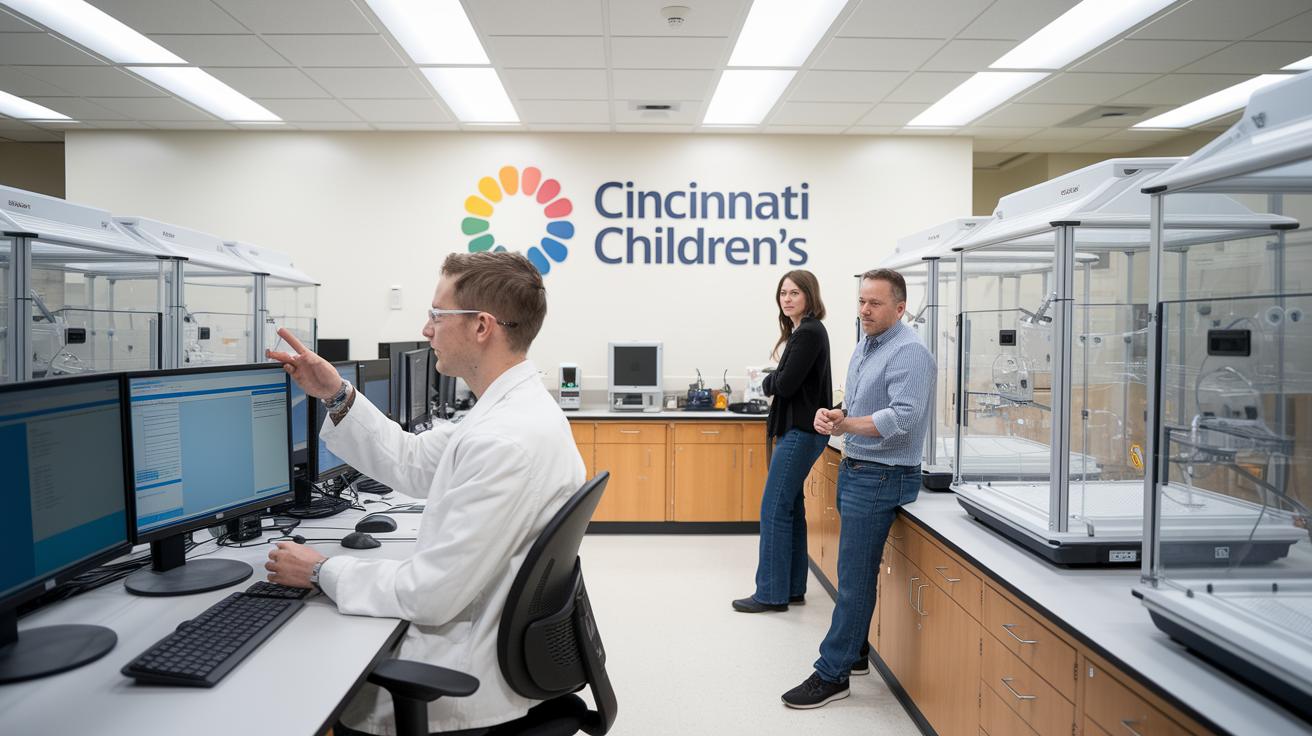
At Cincinnati Children's, they’re really raising the bar by investing $60 million into a huge 111,000 sq ft center built for making gene and cell therapy products. This new space is all about pushing precision medicine forward. Here, cell therapy isn’t just about swapping out damaged cells, it’s also about crafting smart, data-driven solutions that work especially well for young patients.
Early studies in gene therapy are using detailed molecular maps to sharpen treatments for kids. It’s like putting together a puzzle where every bit of gene information clicks into place. Researchers find small genetic clues through biomarker discovery (which is a way to find signs of disease), and then they mix in the power of next-generation sequencing and artificial intelligence to analyze the data. All these tools are part of a big wave in biotech that’s making healthcare more personal and targeted, one carefully placed puzzle piece at a time.
Integrative Bioinformatics and AI Driving Data-Driven Clinical Solutions

Today, advances in genomic medicine are powered by clever bioinformatics tools and artificial intelligence. Huge streams of genetic data are handled quickly, letting doctors spot unusual gene changes right away and group patients appropriately. Imagine a lab tech saying, "This smart algorithm caught a rare mutation in just seconds!" It’s a clear sign that modern DNA sequencing and next-generation platforms are making treatments sharper and more precise.
Smart algorithms driven by AI help predict risks and guide treatment choices super fast. With digital hubs and collaborative projects, experts can tailor therapies using detailed biological data (often called omics). This mix of machine learning and human insight means clinicians can choose treatment plans that fit each patient’s unique genetic story.
New bioinformatics tools don’t just break down complex data, they also bring people together through online talks and shared case studies. Picture a researcher happily remarking, "Our system nailed the patient outcomes with striking clarity!" This kind of open, clear data work pushes forward better treatment strategies and helps spot key markers for diseases.
Altogether, these breakthroughs are reshaping patient care by turning raw genetic info into clear, practical steps. Bioinformatics and AI are setting up a fresh blueprint for tackling genetic diseases, connecting the dots from lab discoveries straight to real-world healthcare.
Genomic medicine innovations: Advancing Patient Care

Organizations are now working hard to set ethical guidelines and rules that help boost genomic medicine. They’ve updated privacy policies so you can easily see how your genetic data and even cookies (small pieces of data stored on your computer) are handled. For example, a data manager might say, "Our new privacy rules make sure your genetic info is kept safe," which helps reassure patients about security when their DNA is sequenced.
Regulators play a big role in making sure everything in medicine is trustworthy. Guidelines like cGMP and FDA advice (which are basic rules that ensure safe manufacturing) keep the process of gene therapy on track. These steps are super important, especially when using CRISPR gene editing techniques (a way to change genes) and designing treatments just for you. Imagine a technician saying, "We follow strict rules so our gene therapy is made with care and precision." That really shows how much thought goes into protecting research ethics in molecular studies.
Regulatory strategies also boost precision medicine by making sure every clinical trial or study sticks to firm rules. Since 2014, the Center for Pediatric Genomics has put $1 million a year into projects that link clinical work with lab research. This ongoing support drives breakthroughs in DNA sequencing and the latest sequencing tools, which then help create smart, data-backed clinical solutions.
Researchers are mixing bioinformatics (using computers to understand biological data) with artificial intelligence to sort through huge amounts of genomic info. This helps them create personalized treatment plans. At the same time, finding new biomarkers (signs in the body that indicate disease) and keeping up with fresh biotech trends gives clinicians new ideas for making better choices. In short, strong ethical practices and strict regulations work together to raise the standard of patient care in this fast-evolving field of genomic medicine.
Final Words
In the action, we explored how new breakthroughs in genomic medicine innovations are reshaping health care. We saw how rapid whole-genome sequencing and next-generation platforms are making personalized care more achievable, while gene editing and cell therapy add unique treatment options. By mixing advanced bioinformatics and AI, scientists are turning raw data into clear clinical insights.
These emerging trends are paving the way for better therapies and smarter health solutions. The future of genomic medicine innovations truly looks hopeful and inspiring for everyone.
FAQ
What does the genomic medicine innovations pdf provide?
The genomic medicine innovations pdf provides a detailed guide on recent technological breakthroughs, sequencing techniques, and clinical applications. It serves as a handy reference for understanding tailored treatment approaches.
How do genomic medicine innovations in the USA manifest?
The genomic medicine innovations in the USA manifest in advanced clinical trials, sequencing technologies, and gene editing projects. They integrate bioinformatics and AI for data-driven clinical solutions while addressing privacy and ethics.
What did genomic medicine innovations in 2020 feature?
The genomic medicine innovations in 2020 featured affordable whole-genome sequencing, DNA breakthroughs, and tailored therapies. These advances boosted diagnostics and broadened treatment options for cancer and rare diseases.
What is the genomics medicine impact factor?
The genomics medicine impact factor measures the influence and quality of published research. It reflects how studies drive clinical applications and support evolving personalized treatment strategies.
What does the genomic medicine salary indicate?
The genomic medicine salary indicates earnings in roles that require expertise in sequencing, bioinformatics, and personalized healthcare. These positions often offer competitive wages due to specialized skills and advanced knowledge.
Why is genomics important in healthcare?
The importance of genomics in healthcare lies in its ability to tailor treatments through molecular profiling. This approach sharpens diagnostic accuracy and expands therapeutic options, ultimately improving patient care quality.
What does a genomics and personalized medicine ppt typically cover?
The genomics and personalized medicine ppt covers breakthroughs in sequencing, gene editing, and AI-driven diagnostics. It serves as an educational tool that highlights how advanced genomic techniques integrate into tailored treatment protocols.
What role does the Innovative Genomics Institute (IGI) play?
The Innovative Genomics Institute (IGI) plays a key role as a research hub by advancing gene editing, tailored therapies, and molecular diagnostics. Its work integrates advanced bioinformatics and AI to drive clinical genomic applications.