


Have you ever wondered if the push for space travel could lead to amazing breakthroughs on Earth? Back when both the Soviets and Americans sent satellites into orbit and their brave astronauts soared high above, their rivalry did more than boost national pride; it sparked a flow of fresh ideas and new scientific discoveries.
The Cold War space race wasn’t just about reaching for the stars, it also helped create innovations that touch our everyday lives. This article takes a look at how that fierce competition in space set off progress that still inspires us today.
Origins of the Space Race: Cold War Competition Takes to the Heavens
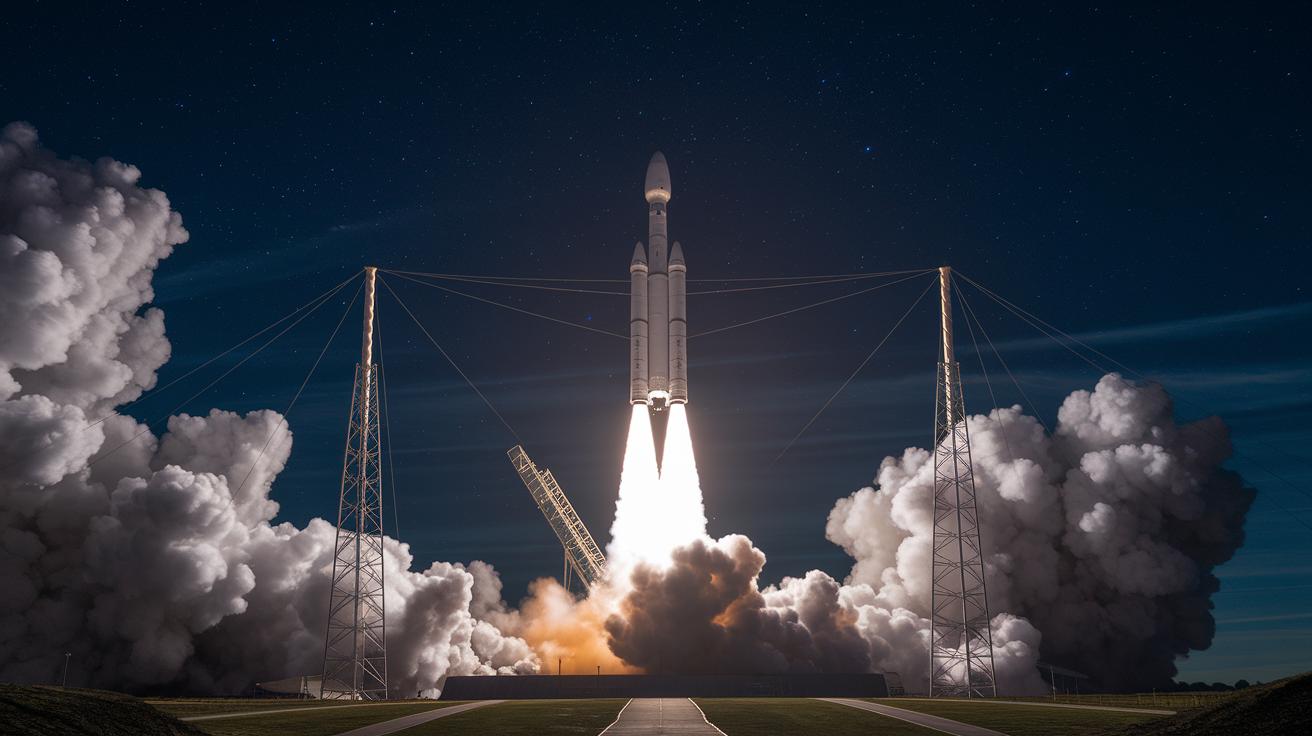
The space race kicked off after World War II when the Soviet Union and the United States set their sights on the stars. They were eager to prove their national strength by showing off both their advanced science and military power. For instance, on October 4, 1957, the Soviets launched Sputnik 1, the very first man-made satellite, sending it zooming into orbit and sparking a worldwide debate about science and strategy. That bold move opened a new chapter in the race, with each success clearly shouting out a nation’s determination.
During the Cold War, both superpowers poured their energy into developing rocket technology that could send satellites into space and maybe even carry people beyond Earth. Before long, the race expanded to include orbital flights and daring plans for lunar exploration, setting the scene for a fierce contest in space. Every new breakthrough, whether a smart rocket design or a successful crewed mission, showed just how committed they were to outdoing one another. In truth, this exciting era has left a lasting mark on space policies and scientific research, shaping the future of space exploration.
Sputnik and Vostok Milestones: Soviet Firsts in Early Orbital Achievements

On October 4, 1957, the Soviet Union made a giant leap by launching Sputnik 1, the very first man-made satellite to circle our planet. That day marked a turning point, showing off the Soviets’ amazing technical skills and sparking a fast-paced era in space exploration.
Soon after, the daring Vostok program pushed the boundaries even more. On April 12, 1961, Yuri Gagarin completed a 108-minute flight aboard Vostok 1, becoming the first person ever to venture into space. His incredible journey grabbed the world's attention and proved that humans could indeed travel beyond Earth.
The excitement continued when, on June 16, 1963, Valentina Tereshkova soared into space aboard Vostok 6. She became the first woman in space, breaking gender barriers and paving the way for future female explorers.
But not every mission went as planned. The Soyuz 1 flight ended in tragedy on April 24, 1967, when Vladimir Komarov lost his life due to a parachute failure. These early highs and lows show how the Soviet space race blended thrilling triumphs with deep sorrow, yet they also sparked continuing innovation during the Cold War.
American Momentum: Mercury, Gemini, and Apollo Program Responses
Project Mercury marked the very start of America's journey into human spaceflight. Between 1961 and 1963, Mercury managed just 15 minutes orbiting Earth, a small first step that paved the way for bigger missions. Think of it like taking a brief test drive in a new car before setting out on a long road trip.
Then came Gemini, flown from 1965 to 1966. During its 10 crewed missions, Gemini helped astronauts learn vital skills like meeting up with another spacecraft and taking a spacewalk (which means stepping out of the spacecraft to work in outer space). It was a bit like learning to dance in zero gravity, where every move had to be just right. These carefully honed techniques were crucial in catching up with Soviet space advances.
President Kennedy’s stirring speech at Rice University on September 12, 1962, set a clear, ambitious target: landing a man on the Moon. That bold vision kicked off the Apollo program, which reached its peak with Apollo 11. Launched on July 16, 1969, Apollo 11 brought Neil Armstrong and Buzz Aldrin onto the Moon's surface on July 20, 1969, a few moments that were shared live with over 500 million people. For more details on this historic feat, check out the link to nasa apollo missions.
Technological Advancements: Rocket Engineering and Spacecraft Innovations
The race to explore space pushed engineers to make rockets and spacecraft better than ever before. The Soviet R-7 rockets kicked off early adventures like Sputnik and Vostok, while the American Saturn V, one of the strongest rockets ever built, took Apollo missions all the way to the Moon. Imagine building a race car where every part gets a new upgrade after lots of testing and experimenting.
Project Gemini brought its own cool breakthroughs. Its capsules featured improved life-support systems that made longer trips possible, and astronauts learned how to do precise spacewalks, kind of like upgrading from a simple bike to a slick electric scooter. Innovations in the lunar module made it possible to land on the Moon and come home safely.
Other key improvements during this time include guidance computers that helped the spacecraft navigate on their own, heat shields that protected them when they re-entered the atmosphere, and new spacesuit designs that let astronauts work outside the ship safely. Think of rocket propulsion like a powerful engine that not only has raw strength, but also uses smart design.
All these advances laid a strong foundation for today’s sophisticated rockets and spacecraft. The spirit of competition back then sparked innovations that continue to shape our journey into space.
Politics, Propaganda, and National Pride in the Space Race
Space achievements weren't just about science, they served as powerful messages packed with politics. Nikita Khrushchev made sure everyone knew that each soaring Soviet rocket was a sign of communist strength. Imagine every satellite not only orbiting the Earth but also waving a flag of national pride.
Back home, leaders like Lyndon B. Johnson and agencies like NASA turned the Apollo missions into symbols of hard work and democratic spirit. With every televised launch, people felt like they were part of a team, cheering on their country's bold steps into the unknown.
Both sides used clever propaganda to boost national pride. Whether it was a Soviet postcard featuring Yuri Gagarin or Kennedy’s inspirational speeches, each piece of media helped build a story that mixed achievements with a larger vision of strategy and innovation.
In the end, strong presidential leadership and dynamic media transformed the space race into a vibrant showcase of what a nation could dream, achieve, and celebrate together.
Timeline of Key Space Race Events: From Sputnik to the Moon

This part shines a light on the deeper, sometimes hidden impacts of these space milestones. Think about it like this: when we talk about history, we might say, "Sputnik 1 wasn’t just a win for technology, it sparked a global boost in science spending."
| Date | Event and Implications |
|---|---|
| October 4, 1957 | On this day, Sputnik 1 went into orbit. Its launch nudged many nations to ramp up their investment in science and shift their research priorities. |
| April 12, 1961 | Vostok 1, carrying Yuri Gagarin, soared into space. This once-in-a-lifetime flight reshaped how we view human limits and lifted national spirits. |
| June 16, 1963 | Valentina Tereshkova piloted Vostok 6 into flight. Her journey opened doors to new conversations about gender roles and inclusivity. |
| January 27, 1967 | A fire during the Apollo 1 mission led to a serious rethink of safety measures in space travel, reminding us that caution is key. |
| April 24, 1967 | The Soyuz 1 mishap underscored the real dangers of early space exploration, showing that every leap in tech comes with risks. |
| July 16–24, 1969 | Apollo 11’s historic Moon landing became a shining symbol of human ambition and sparked global chatter about international cooperation. |
| December 19, 1972 | The final Apollo 17 Moon mission marked the end of an era and got many of us thinking about the future direction of space research. |
Legacy and Modern Echoes of the Space Race
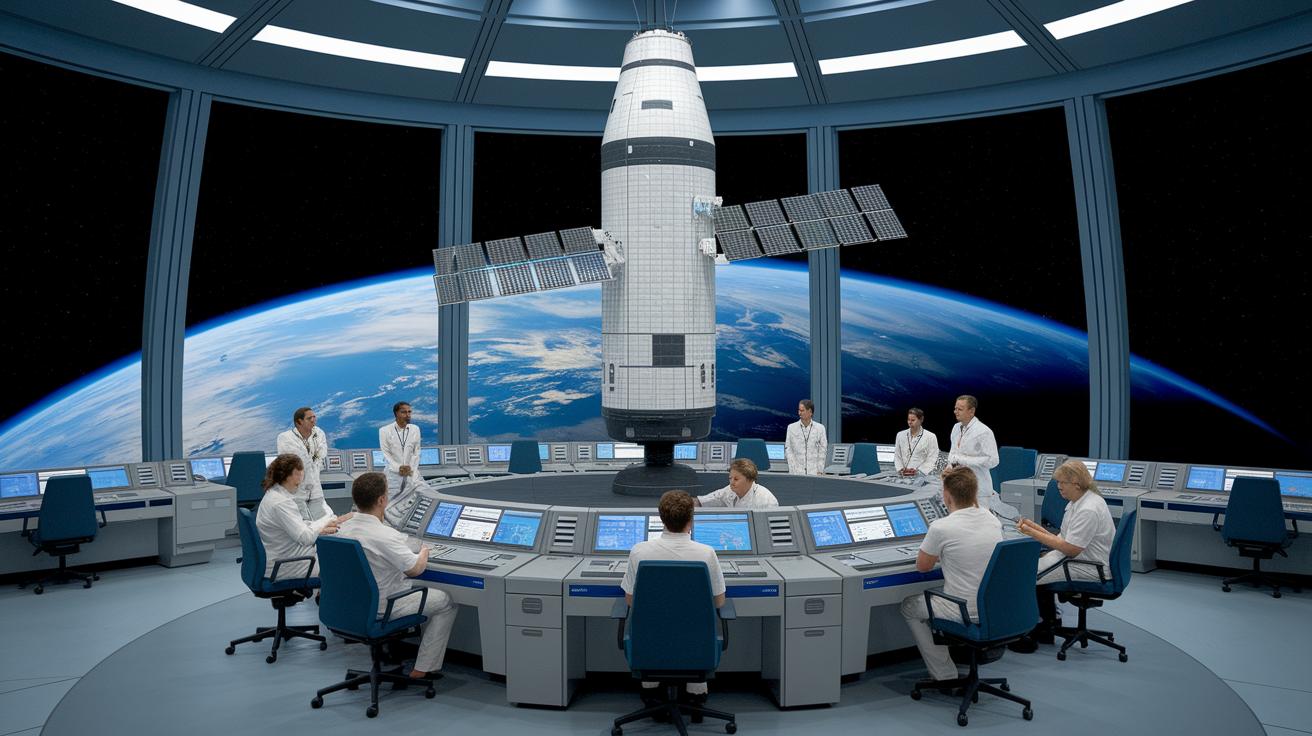
Cold War tensions have given way to a shared vision in space exploration. After the Apollo era, it wasn’t just about two superpower rivals battling it out, instead, countries and even private companies joined forces. Think about the International Space Station, which launched in 1998; it shows how working together can ease down conflicts here on Earth while pushing our reach into the cosmos.
Today, old competitors and new allies pool their knowledge and resources to solve really tough challenges. Investments in space have skyrocketed, fueled by government funds and private cash alike. For example, China is making impressive moves by sending lunar probes, while private firms like SpaceX are rapidly advancing rocket technology and space travel. And with projects like Artemis, we’re not just revisiting the Moon, we’re paving the way for journeys even further.
When you compare these modern efforts to the historic space race, you see a neat blend of past competition and new collaboration. It’s pretty amazing how a history of rivalry can lay the groundwork for a future where shared progress lights up the vast, ever-intriguing universe.
Final Words
In the action, we explored the journey that launched the modern space race. From the bold start of Sputnik and early Soviet milestones to America's trailblazing Mercury, Gemini, and Apollo missions, we saw how rivalry pushed rocket engineering and spacecraft innovations. Political narratives added a distinct flavor, shaping national pride and public imagination. The historical timeline reminds us that bold ideas can spark remarkable progress. Today’s collaborations and challenges echo those early feats, lighting our path with optimism and drive. Stay inspired by this bold chapter in space race history.
FAQ
What was the Space Race and why was it important?
The Space Race was a Cold War competition that pushed technological breakthroughs and boosted national pride. It drove superpowers to achieve key milestones and demonstrate their strength.
Who won the Space Race?
The Space Race wasn’t clearly won by one side; both the U.S. and the Soviet Union achieved breakthroughs, with the U.S. lunar landing serving as a powerful symbolic milestone.
When did the Space Race end?
The Space Race wound down in the early 1970s after the Apollo lunar missions, eventually giving way to international cooperation in space exploration.
What key events are included in the Space Race timeline?
The timeline features Sputnik’s launch in 1957, Yuri Gagarin’s orbital flight in 1961, Apollo 11’s Moon landing in 1969, and other important Soviet and American milestones.
What role did NASA play in the Space Race?
NASA led America’s efforts with programs like Mercury, Gemini, and Apollo, achieving landmark moments including the Apollo 11 Moon landing that showcased U.S. capabilities.
How did Cold War events like the Korean War, Cuban Missile Crisis, and Hungarian Revolution relate to the Space Race?
These events intensified global tensions and underscored the need for technological prowess, making space achievements a key part of each superpower’s defense and prestige.
What influence did the Space Race have on the modern Space Age?
The competition set the stage for today’s collaborative and competitive space efforts by driving innovations in rocket and spacecraft technology that still shape space exploration.
What can I learn from Space Race books and games?
Space Race books and games offer engaging insights into the era, blending interactive experiences with historical narratives to highlight important breakthroughs and challenges.