


Have you ever wondered what might happen if we left fossil fuels behind for good? Energy from sources like wind and solar (simple ways to capture nature's power) is already lighting the way to a cleaner system.
Nowadays, when pollution threatens our health and the planet, these clean energy choices give us hope. They not only protect our communities but also boost our economy in a real, down-to-earth way.
Step by step, as renewables take over from older methods, we're creating a future where our power comes from smart, sustainable decisions. It's like building a better tomorrow with every gust of wind and ray of sunlight.
Understanding Alternative Energy Sources: A Comprehensive Overview
Alternative energy sources are ways to generate power without using coal, oil, or gas. They’re cleaner and kinder to our planet. Have you ever wondered how one hour of sunlight can provide enough energy for the whole world for a year? It's pretty amazing once you think about it!
For decades, industries ran on fossil fuels, but these old energy sources are running out and harm the environment. In 2020, renewables produced 21% of the electricity in the U.S., and wind energy jumped by 14% from 2019. These numbers tell us that we're slowly shifting to energy options that help clear the air and cut down on pollution.
Today, there are over 14 types of alternative energy methods in action or testing, like solar, wind, tidal, and biofuels. Each one has its own benefits. Solar panels, for example, turn sunlight into electricity, and wind turbines spin power with a small footprint on the ground. Imagine putting together a puzzle where every piece, solar, wind, tidal, and biofuels, comes together to create a vibrant, energy-saving picture.
No single energy source can completely replace fossil fuels by itself. Instead, a mix of these alternatives offers the best way to cut carbon emissions and build a cleaner future. By combining various non-fossil fuel methods, we can create energy systems that meet our needs while also protecting our environment.
Solar Power Innovations in Alternative Energy Sources
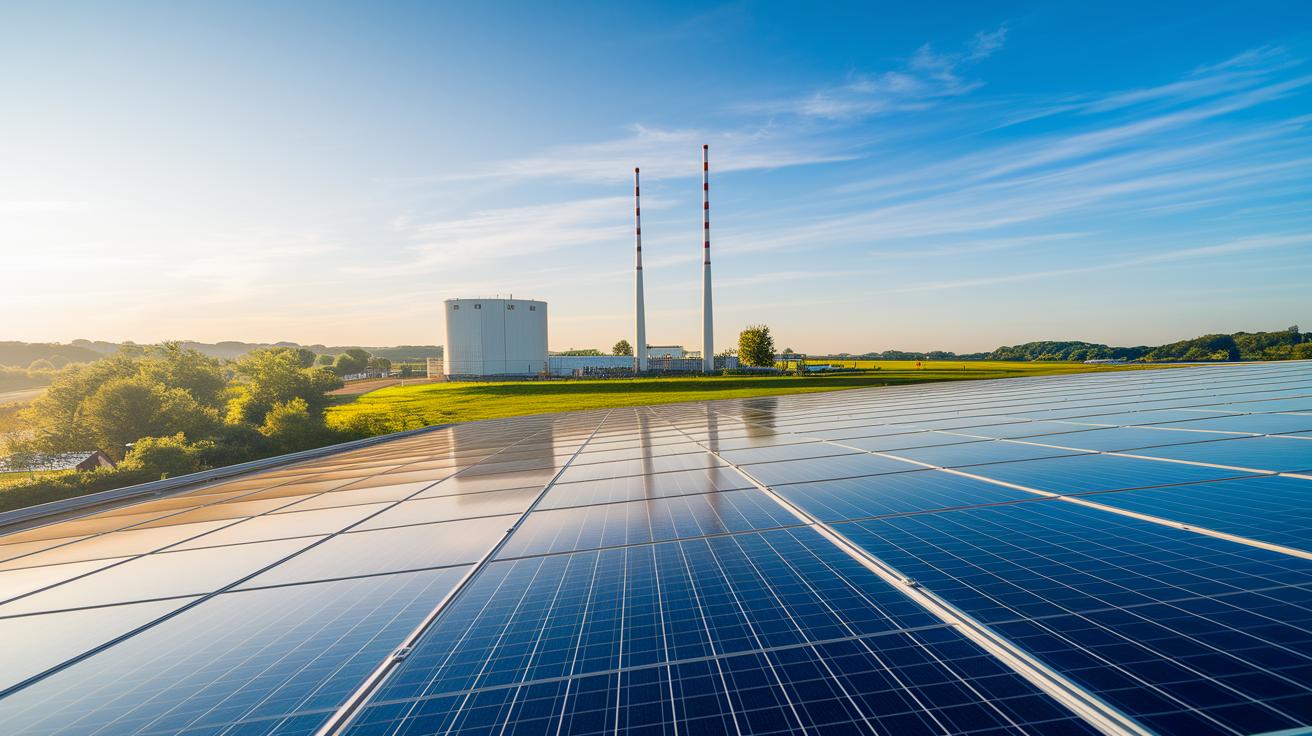
Imagine this: In just one hour, the Sun delivers more energy to Earth than we use in an entire year. Photovoltaic (PV) tech captures this sunlight and turns it into electricity almost like magic. Many UK households using these systems see their electric bills shrink by about £525 (roughly US$681) every year.
Concentrated Solar Power (CSP) works a bit differently. It uses mirrors or lenses to focus sunlight onto a small spot, heating it up. This heat then spins turbines to produce electricity. CSP can convert heat into power at rates higher than 20%, which shows a lot of promise for large-scale projects that need a steady stream of energy.
And here’s something cool: solar energy is getting more affordable by the day. The average cost for solar PV is around $0.068 per kWh, and over the past decade, big solar projects have seen costs drop by nearly 85%. Plus, thanks to ramped-up manufacturing and smarter cell designs, solar module prices are 16% lower. Curious about the ups and downs? Check out solar energy pros and cons to dive deeper into the benefits and trade-offs of these innovations.
Wind-Generated Electricity Benefits Among Alternative Energy Sources
Wind power is quickly becoming a favorite renewable energy choice in the U.S. In 2020, wind capacity grew by 14% compared to 2019, showing that wind energy is both dependable and rapidly expanding to meet our rising power demands.
Modern wind turbines work much like giant fans that catch nature’s energy. When wind blows, it turns their blades, and a generator then changes that movement into electricity. It’s a simple idea that packs a punch! Plus, these turbines produce more energy in a compact space, which is a huge advantage when land is scarce, especially in busy areas.
The financial benefits are pretty impressive too. Onshore wind projects cost about $0.053 per kilowatt-hour, offering a consistent, fuel-free price over the project’s life. Imagine a small wind turbine powering a community, this means less need for huge, costly spaces while still delivering steady energy.
| Metric | Value |
|---|---|
| Cost per kWh | $0.053 |
| Growth Rate | 14% (2020 vs 2019) |
All in all, wind-generated electricity shines as a clean and affordable power source that fits perfectly into our future of diverse, alternative energies.
Geothermal Power Viability in Alternative Energy Sources
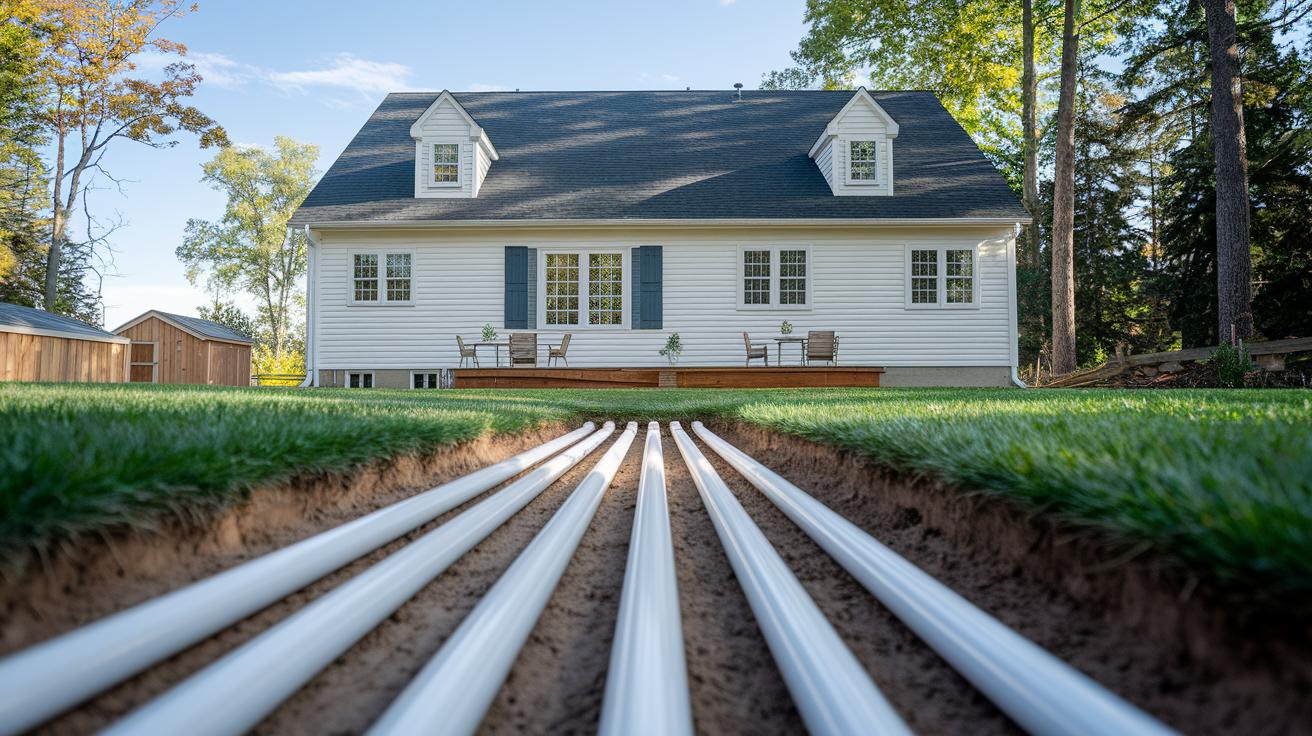
Geothermal energy taps into the Earth’s natural heat to provide steady, reliable electricity and direct heating. It’s kind of like having a natural furnace deep underground that keeps on giving, rain or shine. Imagine your home being warmed by a gentle, constant heat that nature itself supplies.
This energy source is great because it produces very few emissions, far fewer pollutants than burning fossil fuels. Since the heat comes from deep in the Earth, geothermal systems can consistently power essential services without interruption.
Recent breakthroughs in enhanced geothermal systems (EGS) are really opening up new possibilities. These systems use clever drilling methods and special techniques (like reservoir stimulation, which helps release heat) to access energy in areas where it wasn’t available before. It’s as if we’re discovering new ways to warm our homes in places we never thought possible.
With improvements in drilling and reservoir engineering, we’re learning how to get even more heat, making geothermal energy an even more promising player in our cleaner, low-emission future.
Hydroelectric Generation Methods and Alternative Energy Sources
Big dam systems are like rapid response teams for energy. They store water in large reservoirs and quickly release it to keep the power grid steady. In China, hydropower makes up almost 15% of all electricity, which shows just how important these systems are. Imagine a dam acting like a giant sponge, soaking up water during heavy rains and then releasing it when energy demand spikes.
On the flip side, run-of-river projects work with the natural flow of water instead of building huge reservoirs. This method gently uses the river’s everyday flow, causing minimal change to the local environment. Think of it as using a small, clear stream to power a little mill, efficient and kind to nature.
Each approach has its own perks. Reservoir systems are perfect in places that need extra water stored to handle energy ups and downs, while run-of-river setups shine where water flows steadily and space is at a premium. Designers choose which system to use by considering available water, the need for quick energy responses, and how the land is best preserved.
Biomass Fuel Conversion Techniques for Alternative Energy Sources

Biomass energy turns everyday organic stuff into reliable, eco-friendly fuel. It’s a bit like taking leftover fruit peels or fallen leaves and giving them a second life. Using materials from plants, animals, and even algae (tiny water plants), this process not only creates heat and electricity but also helps cut down on carbon emissions.
One common method is combustion. Here, the material is burned, as you’d think of a cozy wood stove in action, to release energy. Another technique, gasification, heats up biomass in a low-oxygen setting so that it slowly turns into a combustible gas. This gas can then power turbines or generators, generating electricity. And then there’s anaerobic digestion: a process where bacteria break down organic waste, producing biogas that can replace fossil fuels for heating or electricity.
Imagine your kitchen scraps transforming into a clean-burning gas, turning everyday waste into a handy resource. With smart upgrades in boilers, gasifiers, and digesters, facilities can now extract even more energy from less material while reducing unwanted byproducts. This means a lighter impact on our environment.
Moreover, algal biofuels can be blended with diesel to further lower emissions. Companies working with algae have shown that even small tweaks in how they process these materials can significantly shrink carbon footprints, paving the way for a cleaner, greener future.
Emerging Technologies in Alternative Energy Sources: Green Hydrogen & Biofuels
Green hydrogen is an exciting, clean fuel made by splitting water using electricity from renewable sources like solar and wind. This method, known as water electrolysis (a process that breaks water into hydrogen and oxygen), creates a fuel that leaves zero pollutants behind. Picture a small community powered by one electrolysis system, enjoying clean and nearly silent energy. Big companies are now testing this technology in real-world situations to see how it can gradually replace parts of the old fuel mix.
Biofuels are also making headway by turning organic materials into fuels that mix more easily with regular diesel. In several pilot projects, engineers blend biofuels with conventional diesel to cut down harmful emissions while still keeping the engine’s performance sharp. In some trials using concentrated solar power (a way of harnessing the sun's heat), the systems have reached thermal-to-electric efficiencies above 20% in controlled settings. This shows that marrying these two methods can boost overall energy output.
Many case studies highlight that combining green hydrogen production with biofuel blends offers benefits like steady grid support and a smaller impact on the environment. This smart pairing offers a clear glimpse into how different alternative energy systems can work together to fuel a clean future and serve a variety of power needs. Early pilot programs and detailed analyses continue to fine-tune these methods, showing new ways to be more efficient and cut costs along the way.
Environmental Energy Impact Analysis of Alternative Energy Sources
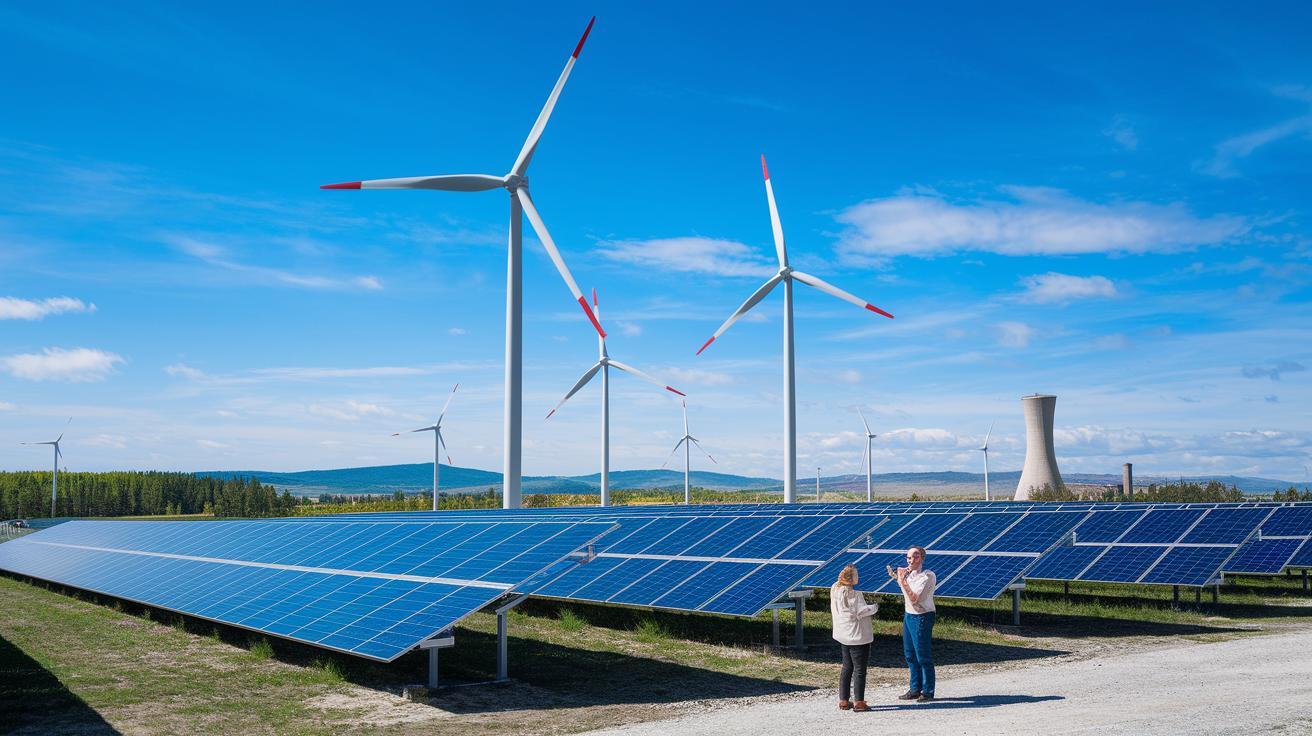
Renewable energy like wind, solar, and geothermal offers a real boost for our planet. These cleaner sources help cut down on greenhouse gases compared to coal and natural gas. In fact, since 2014, clean-energy providers in the U.S. have kept billions of pounds of CO₂ out of our air. It’s a bit like swapping out an old power plant for modern renewable setups, imagine taking millions of cars off the road for a year!
When you look at the entire process, from building to operating and finally winding down, the emissions are much lower with renewables. They don’t rely on heavy mining or drilling, which means less disruption to communities and wildlife. It’s almost like using nature’s own gifts instead of forcing the Earth to work overtime.
There’s also a smart twist when it comes to space. Sure, solar farms and wind turbines need room, but many of these systems are designed for compact areas or can even be placed on existing structures. For example, one community cleverly combined rooftop solar panels with wind turbines on spare land. This mix reduced the overall impact on natural habitats while still capturing the benefits of clean energy.
When you add it all up, renewable energy doesn’t just meet today’s electricity needs, it sets us up for a cleaner, healthier future. The way these alternatives reduce emissions and support sustainability shows just how powerful science and innovation can be in making our world a better place.
Cost-Effective Energy Techniques: Comparing Alternative Energy Sources
Renewable energy sources like solar and wind are now on par with traditional fuels when it comes to cost. Have you ever been amazed by how fast things change? In just one year, solar costs fell by 85%, turning what used to be a pricey project into a favorite among energy planners.
But there’s still a big hurdle, battery storage. Even though generating energy is getting cheaper, current storage tech can leave up to 20% of that energy unused. Think of it like baking a delicious cake only to find you have no place to save the leftovers. That’s why moving forward with better storage solutions is key to making our power grids more reliable for homes and businesses.
Future Renewable Roadmap & Policy Support for Alternative Energy Sources

Making a clean energy future means more than just working on new technology, it also means reshaping our policies and money plans to back the renewable sources of tomorrow. Pretty soon, we could see nearly $110 trillion poured into green energy by 2050, according to the Paris Agreement. This huge investment is needed to update our old electrical grids and build new, smaller ones that can handle our changing energy needs. And with the world's population expected to hit 9.7 billion in a few decades, our energy setups must get smarter and more efficient to keep up.
Government support plays a huge role in this shift. We need leaders to set up programs and rules that inspire researchers and companies to put money into updating our power systems. This isn’t just about swapping out old wires and equipment, it also means using smart digital tools (like high-tech sensors) to keep an eye on how energy is used. Imagine a system that balances energy start to finish across entire neighborhoods, making sure renewable sources power homes when they’re needed most.
Key policy ideas include:
| Idea | Description |
|---|---|
| Subsidies & Tax Credits | Lower the upfront costs for renewable projects. |
| New Financing Models | Attract private investment for mini-grid systems, especially in remote or fast-growing areas. |
| Updated Regulations | Create rules that support flexible and small-scale energy networks instead of sticking to old, rigid models. |
We also need national plans that work together with long-term climate goals. By teaming up, researchers, tech experts, and policymakers, we can draw up plans that bring cleaner energy into the mix. This fresh look at our power grids relies on new, alternative energy trends to build systems that are strong, adaptable, and green. In the end, all these steps will help drive us toward a brighter, cleaner future.
Final Words
In the action, we dug into how switching from fossil fuels to alternative energy sources is reshaping our power systems. We covered solar advances, wind effectiveness, geothermal reliability, hydro methods, biomass techniques, and even hints of green hydrogen. Each section showed how blending these options can lead to cleaner, more efficient energy. With ongoing innovation in alternative energy sources, a brighter and more sustainable future is right around the corner.
FAQ
What are alternative energy sources?
The term alternative energy sources refers to power generated from natural processes like solar, wind, biomass, geothermal, and hydro. These options offer cleaner energy compared to fossil fuels.
What is renewable energy and sustainable energy?
Renewable energy comes from naturally replenishing sources such as sunlight and wind. Sustainable energy involves methods that meet current needs while preserving resources for the future.
What are the main types of renewable and alternative energy sources?
Main types include solar, wind, hydroelectric, geothermal, biomass, tidal power, and green hydrogen. These categories provide diverse options suited to different regions and energy demands.
What is the best alternative source of energy?
The best alternative often depends on local conditions, but many regions find solar and wind power ideal due to their cost effectiveness, availability, and low emissions.
What are the advantages of renewable energy?
Renewable energy offers benefits such as lower greenhouse gas emissions, reduced pollution, operational cost savings, and enhanced energy security compared to fossil fuels.
What are nonrenewable resources?
Nonrenewable resources are fossil fuels like coal, oil, and natural gas that take millions of years to form. Their use can lead to higher emissions and environmental impact compared to renewable options.
What is wind power?
Wind power means generating electricity using turbines that convert wind energy into electrical power. This source is cost effective and produces energy with minimal environmental disruption.
What is hydroelectricity?
Hydroelectricity is power created by harnessing the force of moving water, either through dams or run-of-river methods. It generates clean electricity and supports grid stability.
What is electricity?
Electricity is the flow of electrons that powers modern devices and systems. It can be produced using various sources, including renewable methods that reduce environmental impact.