


Ever wondered how we manage to overcome the extreme forces of space? In the early days of space travel, even seemingly miraculous rocket launches met real limits. Powerful vibrations and dramatic temperature swings turned what felt like magic into a tough challenge.
Today, every space mission needs careful planning because even a small error can lead to huge costs. In this post, we’re diving into some of the biggest hurdles, from coping with brutal space conditions to managing fuel with pinpoint accuracy, and we’ll explore the smart advances that are helping us push the limits of exploration. Stick with us as we break down these obstacles and share the inspiring solutions that keep us reaching for the stars.
Overview of Key Obstacles in Space Exploration
Back in the mid-1900s, breakthroughs in rocket engineering, like the multi-stage rockets from the Apollo missions, let us step into space. But as amazing as they were, these early rockets also brought along some tough challenges. Rockets, which once felt like magic, now expose their cargo to extreme conditions. For instance, during launch, vibrations can hit up to 12g and intense noise pounds the equipment, which means everything has to be rigorously tested. On top of that, spacecraft face temperature swings from a scorching 125°C in full sunlight to a freezing -200°C in shadow. It’s no wonder that keeping missions safe is a tricky balancing act for engineers.
Today, space exploration still wrestles with many of these hurdles. One big issue is that spacecraft can’t be refueled once they’re launched, forcing engineers to nail a one-time, precise flight plan with perfect fuel management. And as new missions build on past lessons, they also have to navigate a mix of technical troubles, financial hurdles, harsh space environments, and the detailed planning required to pull it all off.
Consider these four major challenge categories:
| Category | Description |
|---|---|
| Technical Challenges | Designing hardware that can handle extreme vibrations and temperature variations |
| Financial Constraints | Steep costs, like roughly $10,000 per pound to reach Low Earth Orbit, and even more for lunar missions |
| Hostile Space Environment | Unpredictable conditions like extreme temperatures and intense acoustic forces |
| Mission Planning Difficulties | Precise trajectory calculations and meticulous fuel management to ensure safe passages |
Each area calls for creative solutions. When it comes to technical challenges, engineers are hard at work designing hardware that can survive severe vibration and temperature swings. And with the high costs involved, every extra dollar matters, impacting programs and taxpayers alike. Moreover, navigating unpredictable space conditions while plotting the perfect trajectory makes planning a complex puzzle. This has spurred the development of advanced navigation algorithms and adaptive management systems, ensuring that as our ambitions in space grow, so do our tools and strategies to tackle these obstacles.
Budgetary and Funding Challenges Impacting Space Exploration Programs

Sending a payload into an orbit that ranges from 400 to 2,000 km usually costs about $10,000 per pound. When the same weight is aimed at the Moon, the price soars into the hundreds of thousands per pound because of the extra fuel, additional engines, and special equipment required. Every extra dollar adds up, and mission planners have to be extra careful to make sure these high costs don’t stop them from reaching their goals.
Take a look back at projects like the James Webb Space Telescope and the Space Shuttle, they blew past their initial budgets by billions. This wasn’t just a matter of numbers; it forced U.S. space agencies to overhaul how they plan and spend their money, trying to mix bold innovation with strict cost controls.
There’s also a big conversation about whether public funds or private money should drive space exploration. Supporters of government funding argue that agencies like Space Center Houston have the solid background and tools to handle these tough missions. On the other hand, those favoring private investment often point out that a leaner, more flexible approach can cut costs significantly. These ongoing discussions continue to shape decisions and policies in the exciting world of space exploration.
Engineering Technical Challenges in Space Exploration Launch and Orbit Operations
Rocket launches expose payloads to intense vibrations that can hit nearly 12g, paired with high levels of sound energy. Imagine the ground shaking and the roar of a liftoff where every piece is tested to its limit. Engineers run tough tests and come up with clever design fixes to keep valuable instruments safe during these extreme moments.
Thermal Regulation and Protection
Spacecraft deal with wild swings in temperature. In bright sunlight, they can heat up to +125°C, while in the deep cold of shadow, temperatures can drop to -200°C. Think of it like dressing in layers on a very unpredictable day. Engineers use special insulation along with heat pipes and radiators (tools that move heat away) to keep everything at just the right temperature throughout the journey.
Propulsion System Complexity
Multi-stage rockets add extra challenges because each stage has its own risks. It’s a bit like piecing together a complex set of interlocking blocks where every piece must fit perfectly. Engineers carefully test each ignition, separation, and burn to ensure they all work in harmony. And to cover unexpected issues, they set up backup electronics and strong system protocols. This way, even if one part slips up, the rest of the spacecraft stays on track.
Mitigating Environmental Hazards in Space Exploration: Radiation and Debris
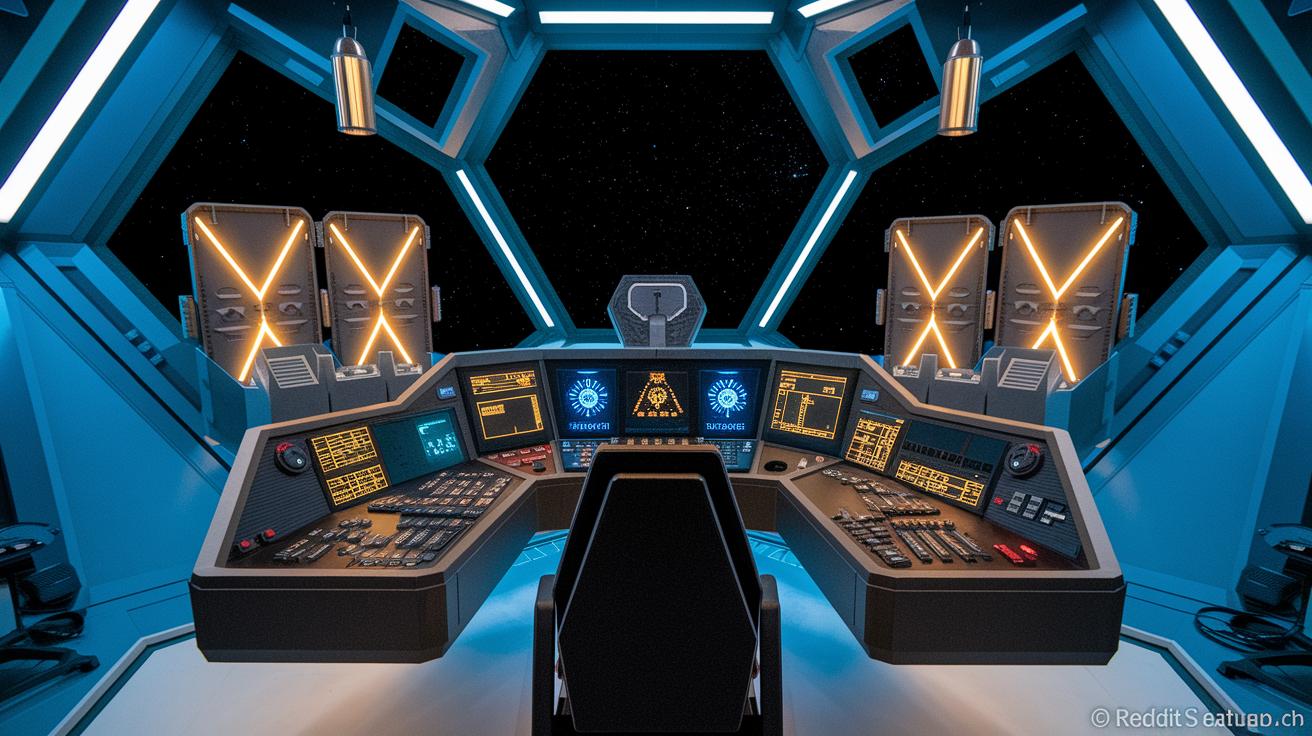
Space vehicles journey through some pretty tough environments once they leave Earth. They get hit with cosmic radiation, tiny high-speed particles (micrometeoroids), and face scorching heat when coming back through the atmosphere. When these dangers mix, imagine fast-moving particles plus relentless radiation and the friction heat, it’s like stacking multiple challenges at once. That's why spacecraft need really strong, smart protection.
Engineers tackle this by using rad-hardened parts (components built to resist radiation) and advanced shielding that not only defends sensitive electronics but also keeps crew areas safe. Think of it as outfitting the spacecraft with a high-tech suit of armor.
| Hazard | Mitigation |
|---|---|
| Micrometeoroids | Multi-layer impact-resistant shields that spread out the energy from collisions |
| UV Radiation | Radiation-resistant electronics and special protective coatings |
| Solar Wind | Electromagnetic shields and sturdy panel designs |
| Re-entry Heating | Heat shields that can handle extreme temperatures and active cooling systems |
Researchers and space organizations are always on the lookout for orbital debris and unpredictable space weather by using advanced tracking tools. They test collision risks and simulate conditions like radiation and intense heat in special labs. This ongoing work has led to better shield designs and updated safety procedures as new threats emerge. With fresh innovations in materials and design, engineers keep finding smarter ways to protect missions from the many challenges space throws their way.
Challenges in Fuel Management and Trajectory Planning for Space Exploration Missions
Space missions are a bit like a tight-budget road trip where every bit of fuel really counts. Since you can’t refill the tank once the spacecraft is on its journey, even a tiny error in weighing fuel and calculating mass can throw off the whole plan. As the spacecraft burns fuel, its mass drops, so engineers have to nail those numbers down right from the start.
Mission planning feels a lot like balancing on a seesaw. Engineers juggle delta-v (extra speed needed), gravitational assists (nature’s way to boost speed without extra fuel), and huge energy demands all at once. Every single move, from breaking free of Earth’s gravity to adjusting the spacecraft’s path for a precise target capture, takes careful energy calculations. It’s like planning a series of perfect billiard shots, where each tap is timed just right.
On top of that, the vast distances in space mean there’s always some lag in communication. When signals can take minutes or even hours to travel back and forth, the spacecraft has to handle a lot on its own. Pre-programmed responses and smart, automatic systems take the wheel during these moments. This adds an extra layer of challenge for mission planners, who have to be ready with fallback plans for any unexpected twists along the journey.
Overcoming Lunar Surface and Refueling Limitations in Space Exploration
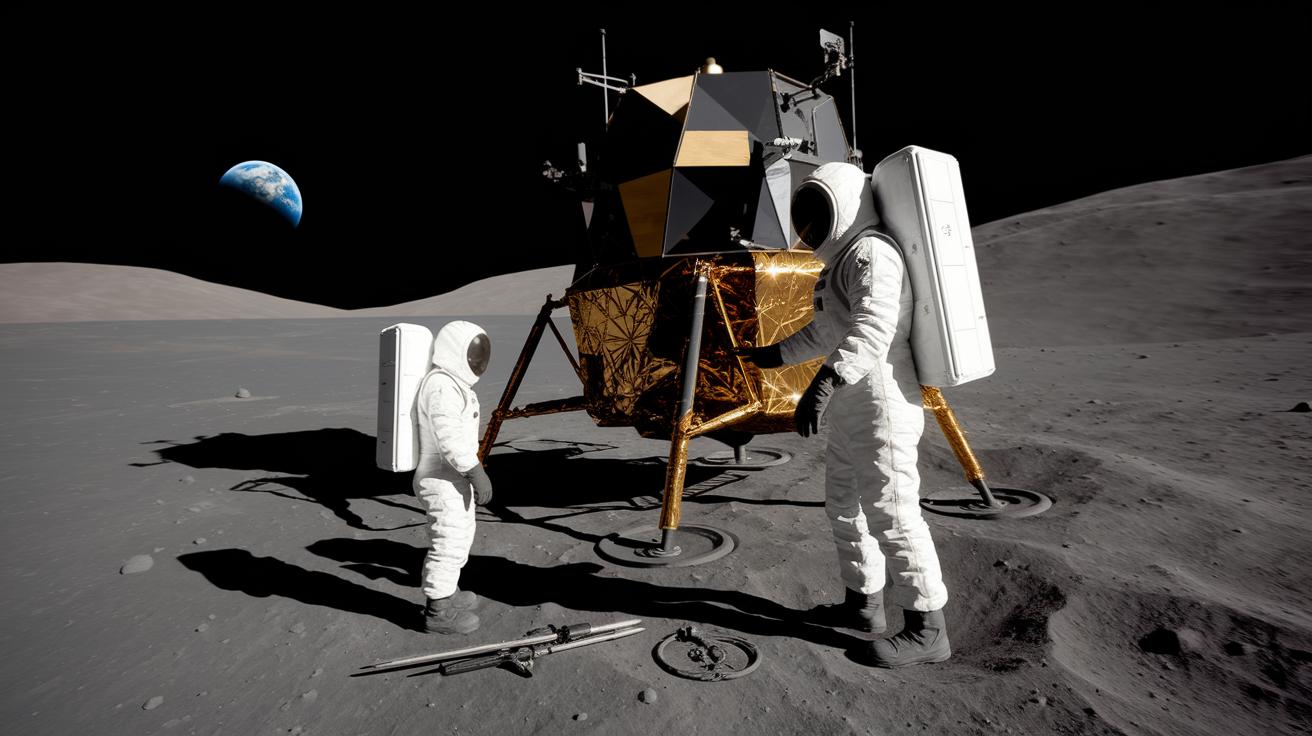
Landing on the Moon isn’t as simple as it might seem, mostly because of the lunar dust. This fine, gritty regolith loves to stick to every piece of equipment, messing up seals and delicate sensors. Think about trying to clean sticky dust off your favorite gadget every single time you use it. Engineers have had to get creative with new materials and cleaning techniques just to keep those tools working smoothly.
Another challenge is getting enough fuel for the return trip. Without any refueling spots on the Moon, all the extra fuel has to come from Earth. Even though the Moon’s pull is much lighter (only about 1/6 of Earth’s), every extra bit of weight counts. This means designers must carefully balance adding fuel and extra engines while keeping the spacecraft as light as possible for a safe takeoff.
Lastly, the timing of launches and supply drops is a real juggling act. With strict deadlines and unpredictable weather, every step, from entering orbit to loading fuel, needs to be perfectly in sync. It’s a bit like trying to organize a well-timed dance in outer space, where one misstep can lead to delays or extra costs.
Integrated Mission Planning and Engineering Complexities in Space Exploration
Mission analysis and flight dynamics are at the heart of every reliable space mission. Engineers work out the best route, sort out how heavy loads are shared, and set a timeline that fits the mission’s goals. Every detail, from liftoff to settling into orbit, is planned with care. When many systems join the mix, it all depends on exact math and a deep grasp of how forces interact.
Redundancy and Risk Management
When it comes to handling risks, engineers build backups for crucial parts like avionics, life support, and software. They add fault detection and fail-safe designs like extra safety nets so that even if one part fails, the rest can keep things going smoothly. Thanks to these extra layers, mission planners feel confident enough to face any surprises that might pop up during the journey.
Robotics and Systems Integration
Robotic helpers like autonomous rovers, mechanical arms, and sensor arrays team up with spacecraft and habitat modules to run precise operations. Engineers design these robots to work in sync, making sure both ground exploration and onboard work stay coordinated. Plus, with adaptive plans ready to adjust on the fly, teams can handle unexpected events during deep-space missions. It’s pretty amazing how each challenge, met head-on with smart planning and inventive engineering, helps push the limits of what we think is possible.
Final Words
In the action, early breakthroughs sparked space missions while introducing risks that are still with us today. We summarized how technical, financial, environmental, and planning issues have shaped the course of space travel.
We also touched on the complexities of managing fuel and crafting secure trajectories. As we explore new heights, dealing with challenges in space exploration fuels our drive forward. Every step brings fresh insight and potential for progress in the world of scientific advancement.
FAQ
What are the main challenges for space exploration?
The main challenges for space exploration include overcoming launch vibrations, extreme temperature shifts, precise fuel management, and dealing with cosmic dangers like radiation and debris.
What are the key problems and hazards of space travel?
The key problems and hazards include exposure to intense vibrations, rapid temperature changes, radiation damage, micrometeoroid impacts, high costs, and complex fuel logistics.
What are the disadvantages of space exploration?
The disadvantages of space exploration are high financial costs, technical risks during launch and orbit, exposure to harmful space environments, and the burden of intricate mission planning.
What challenges did the astronauts face during space missions?
The challenges astronauts faced include coping with extreme conditions, managing the technical demands of spacecraft systems, handling long communication delays, and enduring harsh physical stresses.
Why is space exploration so difficult?
Space exploration is difficult because it must address strict engineering limits, tight fuel management, intense environmental risks, and the constant need to balance technical success with steep budgets.
What is the author’s claim in “Challenges for Space Exploration”?
The author’s claim in “Challenges for Space Exploration” is that early engineering successes brought new risks, making it essential to carefully manage technical hurdles and environmental hazards during missions.