


Ever wondered if space technology could work together like a perfectly coordinated band? Research breakthroughs are changing our ideas about satellites.
Take Project Suncatcher for example. It brings together smart AI chips (tiny computer parts that think a bit), fast data links, and systems that run on sunlight. These clever design twists are set to lower launch costs and improve control way before tests in early 2027.
In short, these bold and fresh ideas in space research are sparking real progress and reshaping how we see satellites in orbit.
Leading Breakthrough Space Research Projects Shaping Next-Gen Orbital Systems
Projects like Project Suncatcher are opening new doors in space research. They use solar-powered satellites orbiting close to Earth (LEO satellites) and pack them with advanced Google v6e Cloud TPU chips that boost onboard computer intelligence. An early test, set for early 2027 in partnership with Planet, might change how satellites operate, and it sounds pretty exciting.
The team is mixing classic satellite designs with fresh ideas to send data quickly. They are experimenting with high-bandwidth links between satellites that use multi-channel DWDM (a way to send lots of data at once) and spatial multiplexing (a technique to pack more information into each signal). Have you ever wondered how satellites seem to move in a perfect dance? They use models based on Hill-Clohessy-Wiltshire formulas (math that helps predict satellite movement) and JAX-driven simulations (computer tests that mimic real conditions) to keep satellite groups in perfect harmony.
Here’s what makes this project stand out:
- Space-based AI compute infrastructure (Project Suncatcher)
- Ultra-high-speed data sharing between satellites
- Models for precise satellite formation control
- Radiation-hardened, machine-learning accelerators
Together, these breakthroughs could reshape both scientific and commercial space missions. By blending advanced AI chips with strong communication networks, this research is pushing the boundaries of what satellites can do together. The new methods not only aim to simplify control in complex orbital arrays but might also bring down launch costs to below $200 per kilogram by the mid-2030s. This mix of smart technology and economic benefits is setting the stage for a future where satellites boost everything from internet access to remote sensing, making space a bit more reachable for everyone.
Advanced Orbital Propulsion and Power Innovations in Space Technology
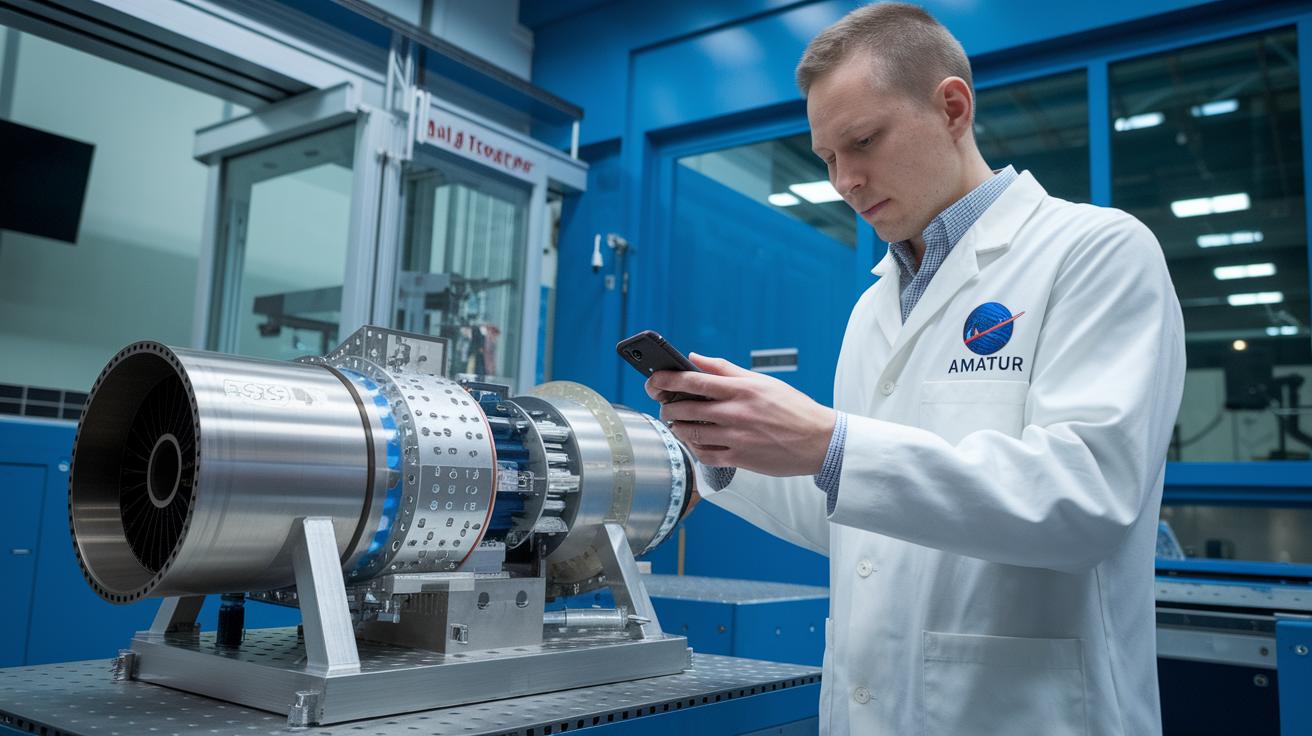
Electric and plasma propulsion technology is really changing how spacecraft get around. Scientists are breaking new ground with commercial Hall thrusters that push fuel efficiency (measured as specific impulse) beyond 4,000 seconds. They’re also trying out variable specific impulse magnetoplasma rockets for deep-space voyages, which could mean quicker and smarter journeys past Earth.
Fusion drive research is also drawing a lot of attention. Big ideas like high-thrust designs using compact fusion prototypes (tiny, fusion-based engines) are in the spotlight. At the same time, cool advances in cryogenic fuel tech are promising better fuel storage by using improved insulation that cuts fuel boil-off to less than 1% per month. These early tests suggest future spacecraft might tap into these innovations to perform even better on those long missions.
Solar energy and battery technology are just as important. New multi-junction solar panels orbiting Earth now convert sunlight with over 30% efficiency, which helps a lot when the light is low. Plus, advanced batteries like lithium-sulfur and solid-state types can handle up to 10,000 charge cycles, even in the weightless conditions of space. Mixing these breakthroughs together might let long-duration missions run more smoothly without needing constant resupply.
Enhancing Deep Space Communication and AI Integration on Spacecraft
Space exploration is reaching exciting new levels. Scientists are finding quicker ways to send data and making onboard systems much smarter. They’re testing powerful lasers and quantum communication (a method using the special behavior of particles) alongside clever AI to make deep space missions both secure and efficient.
Laser and Quantum Communication Breakthroughs
Earth-based laser systems now let spacecraft share loads of data, up to several billion bits every second, with stations on Earth. They use a trick called DWDM (Dense Wavelength Division Multiplexing, which packs more signals into one channel) to carry even more information at once. Plus, early experiments with quantum key distribution (a way to set up secret codes using tiny particles) on small satellites have shown that secure, interplanetary communication can happen at speeds over 1 Gbps. In simple terms, these tests show that fast and safe data links are ready to handle the growing demands of future space missions.
Autonomous AI for Deep-Space Operations
Inside spacecraft, onboard AI is getting smarter by the day. Using machine learning (ML, where computers learn from patterns) models like JAX, these systems help adjust a spacecraft’s path in real time. They’re also built to spot small issues and handle them on the fly, thanks to their fault-tolerant, built-in designs. In other words, predictive maintenance algorithms keep everything in check, meaning spacecraft can tackle unexpected challenges during long journeys without wasting valuable time.
Robotic Automation and Experimental Research Platforms in Space Technology
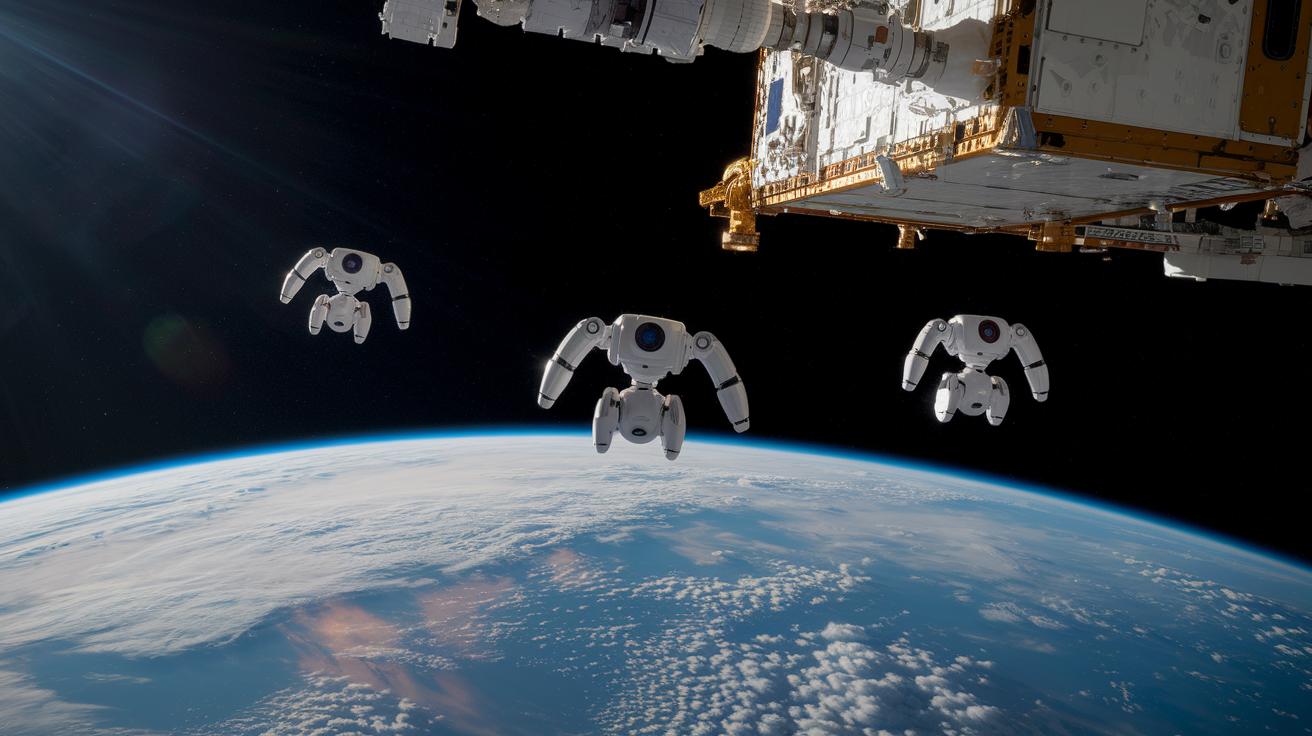
Robotic automation is shaking up how we do space research. Picture small labs and nimble robots like the Astrobee free-flyers on the International Space Station zipping around to handle automated experiments in microgravity (that’s when gravity is very weak). These clever helpers work with great accuracy, giving scientists quick and clear data that older methods might miss. This not only speeds things up but opens new doors for research without needing as much human attention.
Then there are other platforms making waves too. DARPA-backed OffWorld prototypes and the cool new CubeSat constellations are set to change the game in space experiments. These innovations help cut mission costs and shorten test cycles, making top-notch experiments possible both up in space and here on Earth. And think about how advances like 3D printing high-grade metal on the ISS can boost research efficiency and make missions more reliable.
| Platform | Mission Type | Current Stage |
|---|---|---|
| Astrobee Free-Flyers | Automated microgravity experiments | Operational on ISS |
| OffWorld Prototypes | Autonomous planetary sampling | In development |
| CubeSat Constellations | Earth-observation and IoT networks | Pre-launch (2025–2026) |
Overcoming Challenges through International Collaboration and Funding in Space Tech
Fighting space debris is a top priority in keeping orbits safe. Agencies like ESA are busy with their Clean Space program, where they design and test satellites made to grab and remove space junk. And then there’s SpaceX, which is trying out de-orbit plans using smart drag-enhancement units on its Starlink satellites (basically, tools that help slow down satellites so they re-enter safely). It’s amazing to see how smart tech can cut through the clutter in space.
International teamwork really gives these efforts a boost. For example, the US and Japan are teaming up in a lunar science partnership to push ahead with Artemis-related tech. When experts from different countries share ideas and work together, it not only makes space operations safer but also builds a global community of shared innovation and responsibility.
Government funding is a big part of the picture, too. NASA has set aside $4.1 billion for Artemis Technology in FY 2025, complete with SBIR grants (small business innovation research) that support creative, bite-sized projects. In simple terms, mixing public investment with international collaboration is key to both solving today’s issues and driving long-term advancements in space technology.
Visionary Trends: Lunar and Interstellar Innovation in Space Technology Research

The European Space Agency (ESA) is running innovative tests to create a system that recycles air, water, and more, what experts call bioregenerative life support (using natural processes to sustain life). They’re designing habitat modules for the Lunar Gateway with tests planned as soon as 2026. Imagine setting up a little, self-sustaining Earth right on the Moon! Fun fact: long before the first lunar module was built, engineers dreamed of space habitats that could grow their own food.
Out on Mars, SpaceX is gearing up for Starship cargo missions that will try out new ways to build on the red planet by 2030. Engineers are coming up with smart construction ideas and using eco-friendly energy sources to design habitats that can handle Mars’s tough conditions. This work is all about making long-term stays on Mars a real option.
Back on the Moon, robotic drills are being tested in labs and out in the field to pull oxygen from the lunar soil (also known as regolith) using a method called in-situ resource utilization (or making useful stuff from what’s already there). This approach could let future settlers create their own breathable air and even fuel right on the Moon. Just picture drilling into lunar dirt and having enough oxygen to help you live comfortably!
Looking further afield, breakthrough ideas like the Breakthrough Starshot light-sail (a super-thin sail pushed by light) and fusion drive studies (engines powered by nuclear fusion) are paving the way for interstellar travel. Scientists are also exploring ways to use plasma (a charged form of gas) to propel tiny probes, sometimes weighing just a few grams, up to 20% of light speed. It’s thrilling to think that these visionary projects may one day carry us to destinations far beyond our solar system.
Final Words
In the action, we saw groundbreaking projects shaping orbital systems, propulsion and communication advances, and experimental research platforms fueling space exploration. We touched on innovations like Project Suncatcher, ultra-fast satellite links, and creative robotics while noting robust international partnerships.
This article spotlights how space technology breakthrough research is transforming our view of orbit and beyond. Optimism runs high as inventive mission designs and inventive engineering solutions move us closer to our next bold milestone.
FAQ
What does a space technology breakthrough research paper cover?
A space technology breakthrough research paper covers major projects showcasing innovative orbital systems. It explains steps like AI-powered satellites, high-speed data links, and precise formation control models that drive future space research.
What are some examples of space technology?
Space technology examples include solar-powered satellite networks, ultra-fast inter-satellite communication systems, precise formation control models, and radiation-hardened AI accelerators that help modern orbital missions operate efficiently.
How is space technology used in everyday life?
Space technology used in everyday life improves services like GPS navigation, weather forecasting, and telecommunications. These advances help everyday devices connect smoothly and support critical communication infrastructure.
What is available in a space technology PDF?
A space technology PDF typically provides detailed overviews of cutting-edge projects, technical data, and research findings on innovations like next-gen satellites, propulsion methods, and advanced energy solutions for space missions.
What does “space technologies” refer to?
Space technologies refer to a diverse set of innovations including advanced satellite systems, propulsion improvements, deep-space communication tools, and AI-driven automation—all designed to support both scientific research and commercial space operations.
What are some recent advancements in space technology?
Recent advancements in space technology include electric and plasma propulsion breakthroughs, enhanced solar panel efficiency, ultra-high-speed data links, and onboard AI systems that improve deep-space communications and operational reliability.
What is the latest space technology news?
The latest space technology news highlights breakthrough projects, international collaborations, and new test launches. Updates cover developments in propulsion, orbital systems, advanced communication methods, and AI integration for space exploration.
What is NASA Space Technology known for?
NASA Space Technology is known for developing pioneering methods in propulsion, deep-space communication, and autonomous onboard systems. Their projects push the boundaries of exploration by integrating advanced research with practical, space-ready solutions.