


Have you ever thought about seeing your doctor without leaving your home? Telemedicine is turning that idea into reality.
These days, you can simply hop on a video call for a check-up instead of making a long trip to the clinic. Devices that watch your health in real time add another layer of convenience, almost like having a mini clinic at home.
With these smart programs and digital check-ins, advice from your doctor is just a click away. It’s not only fast but safe too, making health care more accessible than ever. This trend in care is all about keeping you healthy while you enjoy the comfort and security of home.
Telemedicine Innovations: Key Breakthroughs Driving Remote Healthcare
Telehealth has changed the game when it comes to getting care. Since the pandemic hit, video visits have become way more common. Nowadays, you can easily have a same-day or next-day video chat with a nurse practitioner, which means fewer trips to the clinic and less risk of catching an infection. Platforms like Zoom, Doxy.me, and Amwell helped make this possible by cutting down wait times and keeping people safer. It’s an exciting time as we watch new medical ideas bloom across the healthcare field.
Technology is making virtual care even better by adding tools that help keep track of our health in real time. For example, some programs (like the Healthy Blood Pressure initiative) check your vital signs several times a week so that any changes in your condition can be addressed quickly. Other tools, such as urgent eVisits, let patients get fast answers for everyday health worries. Together, these advancements create a care system that is more flexible and ready to meet patient needs in a heartbeat.
- virtual consultations expansion
- remote patient monitoring proliferation
- AI-driven workflows (smart computer programs that help doctors work faster)
- telepharmacy automation
- AR/VR integration (using computer visuals to educate or guide treatment)
Each of these breakthroughs works to make healthcare smoother. Video consultations save you from long drives and long waits. Remote monitoring tools, like wearable devices, collect your health data in real time so that problems can be spotted early. AI helps simplify doctors' daily tasks, and automated telepharmacy services speed up getting your prescriptions. Adding AR/VR brings new ways to learn about your health and even offers guidance for remote surgeries. In short, these innovations are opening up a new world of care that is easier to access, more continuous, and tailored to what you need.
Telemedicine innovations: Empowering Remote Care
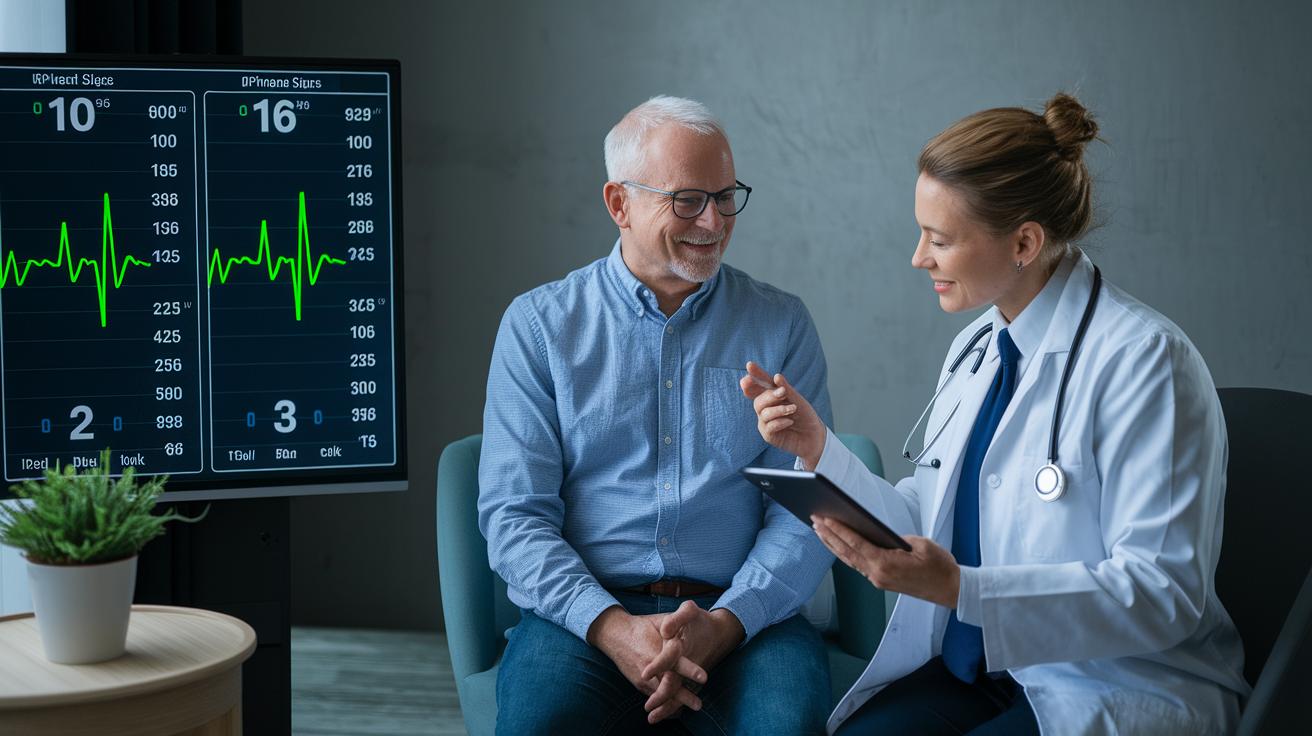
AI and machine learning are really changing the game for remote care. They power digital tools that dig into heaps of patient data and tweak treatments as needed. For example, smart systems check things like blood pressure and heart rate patterns from remote monitors to alert doctors when something might be off. It’s a bit like having a watchful assistant who flags potential issues before they become serious.
During virtual visits, these intuitive systems give live risk scores that help doctors make quick, informed decisions. AI-powered diagnosis tools work hard to predict chronic disease trends and even improve automated triage, guiding patients to the right care faster. Plus, VR and AR platforms are adding a fun, interactive touch to virtual consults and patient education. Imagine getting an instant update on your health during a video call, with every decision backed by solid data and sharp insight.
New platforms are taking things even further by smoothing out virtual workflows and automating everyday tasks. AI-driven diagnostics can quickly adjust care plans on the spot, ensuring patients get help right when they need it. Automated triage systems sort through symptoms and history to direct patients to the proper care level almost instantly. Here’s something cool: AI can sift through thousands of data points in moments, giving virtual doctors insights that used to take hours to gather. These breakthroughs are turning telemedicine into a more efficient and truly patient-centered experience.
Telemedicine Innovations in Remote Patient Monitoring
Smart wearables like blood pressure cuffs, glucose monitors, and portable ECG patches now send your health data straight to your doctor through connected systems. Programs such as Healthy Blood Pressure check your vital signs about four times a week, giving your care team a steady stream of info to catch any early changes. Think of these devices as tiny digital monitors that keep you in touch with your healthcare team wherever you are.
Cloud dashboards show real-time numbers that help clinicians adjust treatment plans on the fly. They gather data from different remote monitoring tools into one clear view, making it easier to improve health outcomes and cut down on hospital readmissions for chronic conditions. Since the data is shared automatically all the time, your care team can quickly notice any shifts and act before small issues turn into serious ones.
Virtual Care Breakthroughs in Specialized Telemedicine Innovations
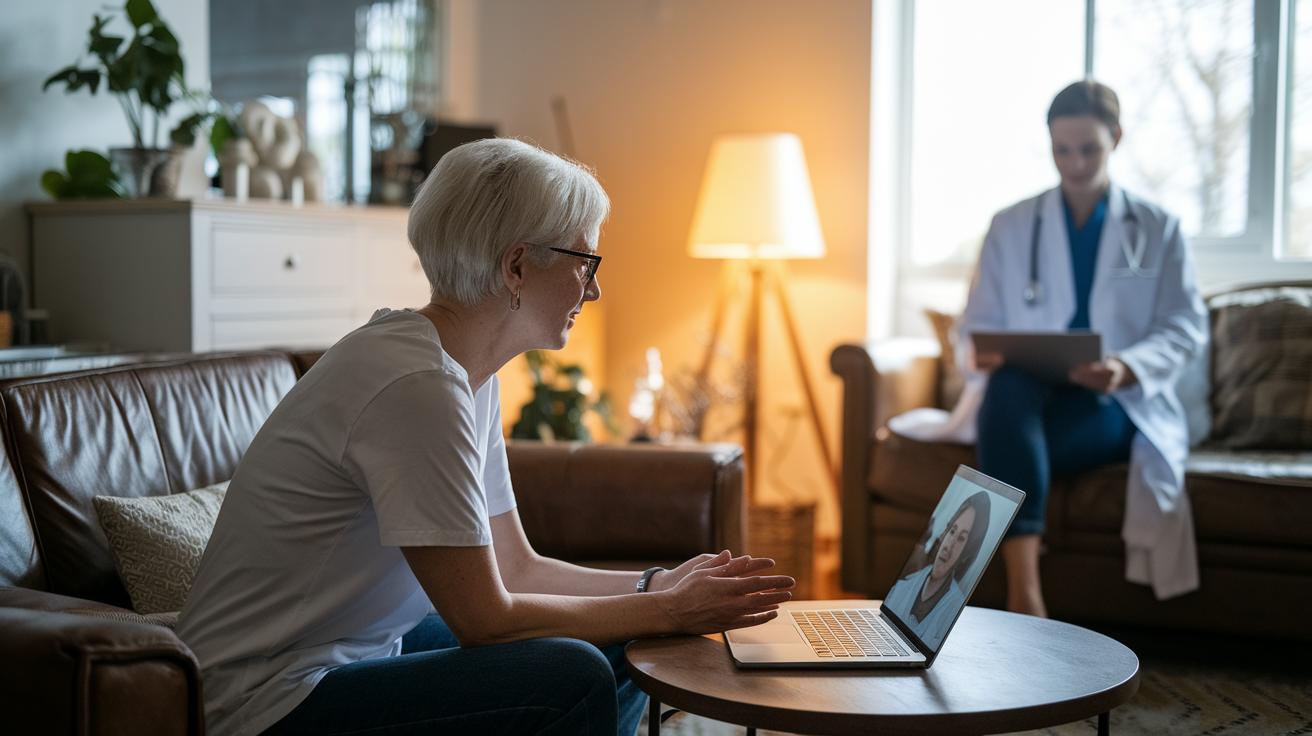
Telemedicine is changing the way patients get help right away. Virtual eVisits run 24/7, and most providers reply in under two minutes for common issues like pink eye or the flu. Have you ever needed help in the middle of the night? Knowing that a professional is just a few seconds away can stop a small problem from becoming a big one and gives you the confidence to get care whenever you need it.
Secure video calls are also shaking up mental health care by letting you join therapy sessions without the hassle of driving to an office. You can have live, interactive therapy sessions, or even get check-ups after surgery and start rehab, from the comfort of your own home. For instance, if traveling to a clinic feels overwhelming, you can still have a meaningful conversation with your therapist right where you are. This relaxed, familiar setting often makes a big difference in how satisfied and engaged you feel with your care.
Specialized care is getting a boost too. Telemedicine now reaches fields like dermatology, psychiatry, and heart care, linking patient records, test results, and even sending digital prescriptions quickly. Picture talking to a doctor about a skin issue, having your images reviewed in real time, and then getting a prescription sent straight to your favorite pharmacy, all without leaving your house. These improvements not only make it easier to access care but also build trust, helping you feel well cared for and understood every time you connect.
Regulatory and Policy Trends Shaping Telemedicine Innovations
The pandemic once pushed telehealth into the spotlight, thanks to special rules that made it easier for everyone. Now, as those temporary measures start to fade, providers are asking for lasting payment fairness and stronger privacy protections. Federal plans want to give new platforms similar privacy shields as HIPAA (a set of rules protecting patient information), and some states are teaming up to let doctors easily work across state borders. Think of these updates like a new rulebook that keeps the virtual game fair and safe.
These changes are also nudging insurance companies to rethink how they cover telehealth, making it more steady over time. Regulators and leaders in the industry are chatting about ways to keep the spark of innovation alive while also ensuring safety and tight data security. In response, tech companies are adjusting their digital tools to meet the new rules, which helps keep patient care running smoothly when switching between in-person and online settings. All these efforts are about safeguarding your personal health info while making virtual care even better and more reliable.
Future Technology in Telemedicine Innovations and Predictions

New digital medicine tools are paving the way for breakthroughs that might feel straight out of a sci-fi film. Thanks to AI-augmented diagnostics (using smart computers to help with analysis) and multimodal imaging (capturing several layers of data), doctors can pull together a ton of information from just one scan. Imagine it like a supercharged X-ray that shows details no one’s seen before, even tracking tiny tissue changes as they happen. And with blockchain-based health records (a secure way of linking digital data), your medical info stays safe when shared among specialists. These next-gen diagnostic systems are completely reshaping the telehealth scene.
Advanced technologies still in trial are quickly stepping into real-world clinics. Doctors are trying augmented reality to guide remote procedures, so you could have a virtual surgical consultation from miles away, while new haptic-feedback devices, which let you feel digital touches, are proving useful during these remote surgeries. At the same time, smart wearables built into clothing are being tested to catch tiny shifts in your vital signs before you even notice anything odd. Picture your shirt alerting your care team right away, almost like having a personal nurse woven into your clothes.
Experts predict that telemedicine will keep growing around the world, with forecasts showing about a 30% jump each year until 2028. Faster networks like 5G and edge computing (tech that processes data near its source) are making it easier to share information quickly, and that’s a big part of this growth. As these digital health tools continue to evolve, they’re set to change not only how we receive care but also to open up whole new ways of using high-tech diagnostics in telehealth.
Final Words
In the action, this article broke down how virtual visits, remote patient monitoring, AI and AR tools, and policy shifts are reshaping remote care. It touched on rapid virtual consultations, specialized services, and the dynamic regulatory scene, all part of a larger shift in healthcare delivery.
The exploration showed exciting advancements across the board, providing clear insights into telemedicine innovations. These progressions set the stage for improved access and smarter care, leaving us with an upbeat view of the future in digital health.
FAQ
Q: What are some common telehealth examples?
A: Telehealth examples include virtual appointments via platforms like Zoom, quick video visits with nurse practitioners, and 24/7 urgent eVisits, all designed to help providers assess and care for patients remotely.
Q: What is telehealth innovation?
A: Telehealth innovation means using advanced digital tools to support remote care, such as AI-assisted diagnostics, AR-guided procedures, and real-time monitoring devices that boost care efficiency and patient outcomes.
Q: How does telemedicine impact healthcare and access to care?
A: Telemedicine impacts healthcare by expanding access through virtual consultations and remote monitoring, reducing unnecessary hospital visits, and offering faster responses to non-emergency concerns, which benefits both patients and healthcare teams.
Q: What benefits have telehealth studies reported in scholarly articles?
A: Scholarly articles report telehealth benefits like shorter wait times, improved patient satisfaction, streamlined care delivery, and better chronic disease management driven by efficient remote monitoring and virtual service models.
Q: What improvements and trends are anticipated in telemedicine for 2025?
A: Anticipated improvements for 2025 include AI-enhanced diagnostics, smart wearable monitoring devices, and AR-guided procedures, all set to make remote care faster, more accurate, and seamlessly integrated into regular healthcare practices.
Q: What are the top three trends in the healthcare industry?
A: The top trends feature expanding virtual consultations, growing adoption of remote patient monitoring, and the increasing implementation of AI-powered workflows, each contributing to more accessible and efficient healthcare delivery.