


Have you ever wondered if geothermal energy could be the long-lasting solution for our power needs? Imagine tapping into a heat source that has gently warmed our planet since the very beginning, it's like having nature's own radiator right beneath our feet. Unlike fossil fuels that eventually run out and hurt our environment, geothermal energy comes from deep inside the Earth, offering a clean and steady power source. In the paragraphs that follow, I'll walk you through how these systems work and why they might just be the greener option we need for powering our lives.
Geothermal Energy’s Renewable Credentials
Geothermal energy comes from the deep heat inside our planet. It’s generated by radioactive decay and the lingering warmth from Earth’s formation, keeping our planet’s interior steadily warm. And since Earth’s core continuously churns out heat that lasts billions of years, this process is always on.
Because that heat is constantly being supplied, the energy used in geothermal systems never really runs out. Rather than relying on a one-shot energy source, geothermal power taps into a naturally self-renewing store that doesn’t care whether it’s a sunny day or a cloudy one.
When you compare this with fossil fuels like coal or oil, it’s clear how different geothermal energy is. Fossil fuels are limited and shrink as we burn them, which can lead to supply issues and environmental damage. In contrast, geothermal systems harness a vast, ever-replenishing heat source beneath our feet. That’s what makes geothermal power a truly green energy that reliably provides both electricity and heat.
Mechanism of Geothermal Energy Extraction
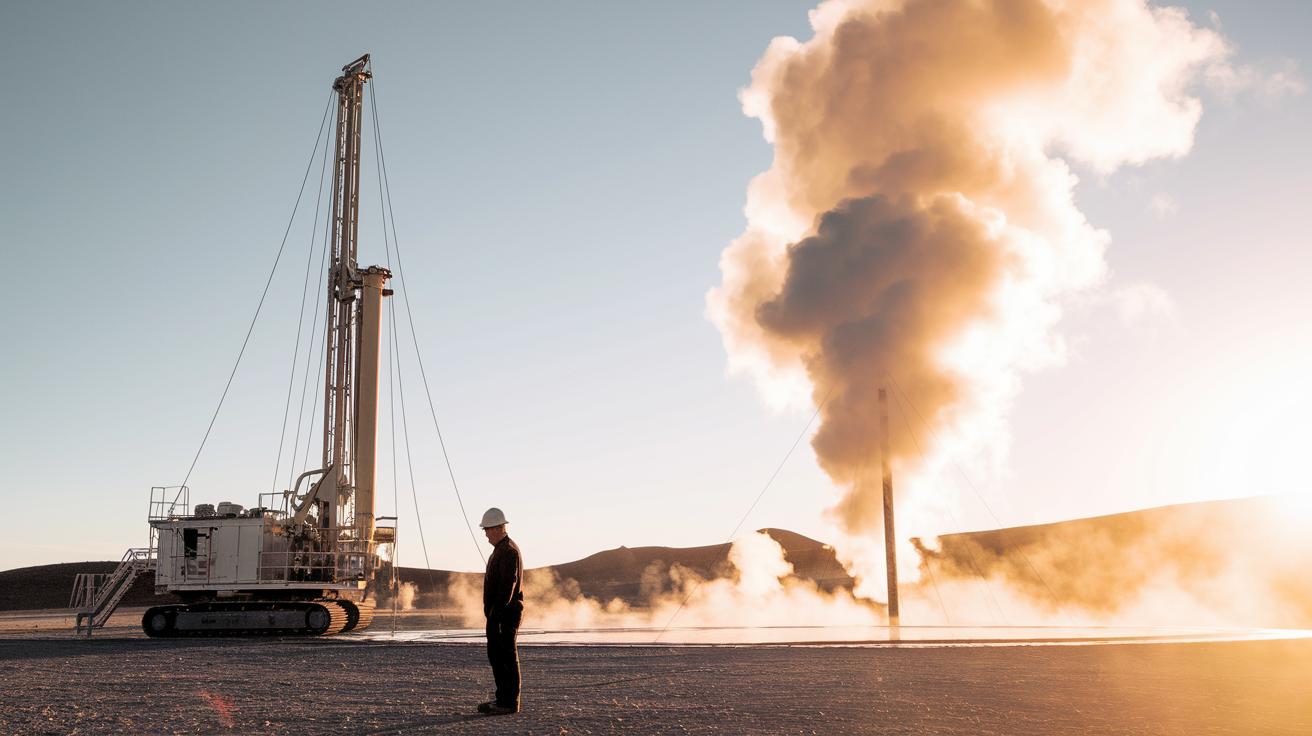
Imagine tapping into the Earth's natural warmth by drilling deep wells, sometimes as deep as 1 to 3 kilometers. Engineers use special drills to reach underground reservoirs filled with hot water or steam. These sources come in different temperatures: some are low (below 90 °C), some moderate (between 90 and 150 °C), and others really hot (over 150 °C). When the heated water or steam reaches the surface, it spins turbines to create electricity or directly warms up buildings. It’s like unlocking a hidden energy source that the Earth has been nurturing all along.
Production Wells
The journey starts with drilling production wells. Using specialized tools, engineers carve a path down to the heated reservoirs hidden beneath the surface. Once in place, these wells draw up hot fluids, think of it like pulling a warm cup of tea from a deep kettle. This step is super important because it sets the pace for how much heat can be captured and how efficiently we can turn that heat into energy.
Reinjection Wells
After the heated fluid has done its job, it cools off and is sent back underground through reinjection wells. This step is key to keeping the reservoir’s pressure steady and making sure the system can work for a long time. Picture it as a closed-loop system where the water goes out, cools down, and is gently returned to get reheated. This careful balance between pulling out the heat and putting the water back ensures the Earth’s natural heat continues to work for us without any hiccups.
Types of Geothermal Power Plants
Geothermal power plants capture heat from deep underground using different tricks. The best way to do this depends on things like temperature, pressure, and even the chemicals in the underground reservoirs. Dry steam plants, for example, grab natural steam from cracks in the Earth and use it to spin turbines right away. Flash steam plants handle superheated water that suddenly turns into steam once it reaches the surface. And then there are binary cycle plants, they use a special organic fluid that boils at lower temperatures to absorb heat from the geothermal water without mixing the two fluids. At one facility, the natural steam powering a dry steam plant at The Geysers, CA, spun turbines with barely any extra energy, a real nod to nature’s own genius.
| Plant Type | Primary Working Fluid | Example Location |
|---|---|---|
| Dry Steam | Steam | The Geysers, CA |
| Flash Steam | Hot Water → Steam | Cerro Prieto, MX |
| Binary Cycle | Secondary Organic Fluid | Chena, AK |
Choosing the right plant type really comes down to the underground conditions. When a reservoir naturally pushes out pure steam, a dry steam plant uses that gift of nature with hardly any extra effort. If the water is pressurized and beyond hot, flash steam plants quickly change it into steam. And if the water’s chemistry or temperature isn’t just right for making steam on its own, a binary cycle plant steps in with its secondary fluid to grab the heat without damaging the gear. Matching the design with the reservoir’s traits means the process is not only efficient but also helps keep our power clean and carbon-free.
Residential and Commercial Geothermal Applications

Residential heat-pump systems tap into the steady temperature found underground to lower heating and cooling bills by about 30–50%. These systems work like nature’s built-in air conditioner and heater, helping your home stay warm in winter and cool in summer. It’s like having a quiet workhorse that keeps drawing on the hidden warmth just beneath the surface, making everyday living more energy-efficient.
Even though the initial price tag can be a bit steep, many homeowners find that the long-term savings , over 20–25 years , are well worth it. Month after month, lower energy costs help balance out that upfront investment.
When it comes to commercial spaces and entire communities, geothermal heating shines in its own way. Think of big places like greenhouses or whole neighborhoods getting warmth from a single system. This method not only keeps large areas comfortable but also cuts down on high heating expenses and simplifies temperature control. As more community projects turn to geothermal, it’s clear that using the earth’s natural heat boosts efficiency and helps build a cleaner, more sustainable local setup.
Environmental Impact of Geothermal Energy
Geothermal energy is a pretty neat option because it keeps emissions really low and takes up hardly any land. It taps into the Earth’s heat all day long, running around the clock with capacity factors over 90%. That means it reliably produces power without frequent hiccups. Unlike solar, which only works when the sun’s out and needs much more space, geothermal stands out as a smart, space-saving choice. For instance, geothermal power uses about 0.1 m² per megawatt-hour, compared to around 2–3 m² for solar farms. Overall, this means less land disruption and lower carbon emissions.
| Metric | Geothermal | Solar PV |
|---|---|---|
| Capacity Factor | 90%+ | 20–30% |
| Land Use (m²/MWh) | 0.1 | 2–3 |
| Intermittency | None | Daylight Only |
| CO₂ Emissions | ~20 g/kWh | ~50 g/kWh |
Geothermal’s round-the-clock operation and small land footprint make it a key player in a balanced renewable mix. With its steady, carbon-free power, it helps counteract the on-and-off nature of some renewables. And with emissions as low as about 20 g/kWh, it clearly outperforms solar panels when it comes to keeping our air clean. In places where space is tight and dependable, always-on power matters, geothermal nicely complements other renewables to build a sustainable power grid. This blend is really important for cutting down on carbon while keeping energy affordable and reliable, a true win-win for both our planet and our everyday lives.
Operational and Technical Challenges for Geothermal Renewability
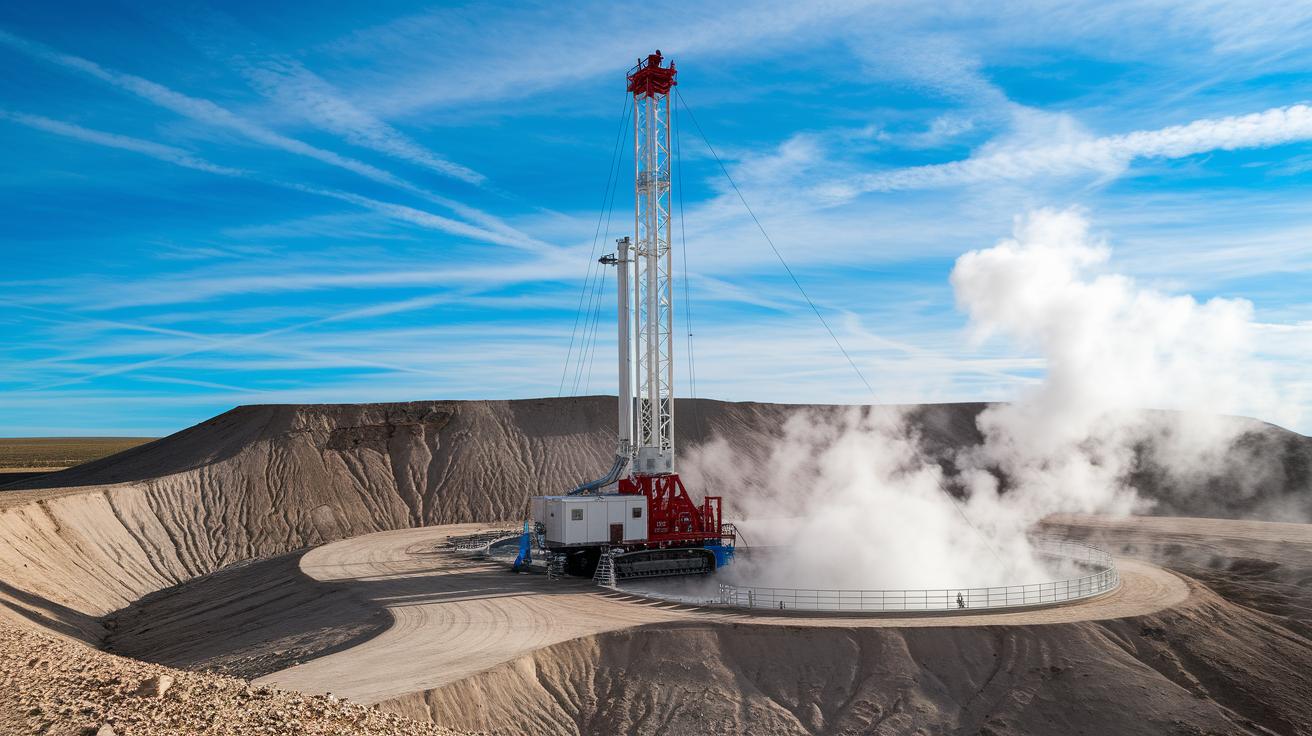
Geothermal energy depends on having naturally hot underground areas with just the right rock channels to let fluids flow. Only a few places, usually with active earth movements, can support the deep wells needed to tap into the planet's natural heat. That means even regions with some warmth might not have the proper underground permeability and temperatures for successful energy production.
Drilling wells that go 1 to 3 kilometers deep comes with a hefty price tag, often costing millions of dollars for each well. Imagine planning a project only to have your budget stretched by unexpected drilling costs. These high upfront and operational expenses really limit how widely geothermal systems can be set up.
Then there are the technical challenges. The drilling process can sometimes trigger small tremors, and issues like scaling (a mineral buildup) and equipment corrosion need careful attention. Picture a scenario where a plant deals with unexpected wear because of chemical reactions in underground fluids. Managing these technical risks is key to keeping operations safe and running smoothly over the long haul.
Future Trends in Geothermal Energy Renewability
Enhanced Geothermal Systems (EGS) and new drilling methods are making it possible to tap into heat sources much deeper underground. EGS works by building man-made reservoirs where nature doesn’t quite cut it, which means we can use more of the Earth’s natural heat. Think of it like giving an extra boost to nature’s power by using smart technology to pull heat out of the ground more reliably.
New drilling techniques and better materials for deep-well work are also key players in this change. These updates help cut down on both the time and cost of drilling, while also making it easier to hit those super-hot zones accurately. In simple terms, engineers can now get to the important heat bits safely and steadily, keeping power on all the time and doing their best to look after the environment.
There are some exciting meetings on the horizon too. Events like the 2025 Indigenous Geothermal Symposium and the 2025 Geothermal Rising Conference, along with research projects supported by policy groups in the U.S. and Canada, are generating plenty of buzz. These gatherings give experts a chance to swap ideas and breakthroughs, setting the scene for team projects that might change how we use geothermal power.
The market for geothermal energy is growing fast, and more money is flowing into the field as people see its renewable potential. Experts believe that with better tech for extracting heat and policies that encourage clean energy, the industry will grow even more. With more investment, we might soon see projects popping up everywhere, paving the way for a cleaner, more sustainable way to keep our lights on using the Earth’s own heat.
Final Words
In the action, we tackled the basics of geothermal energy renewable, from how Earth’s heat is tapped and transformed into power to the different plant designs powering our communities. We reviewed practical applications, environmental wins versus fossil fuels, and the operational challenges that spark ongoing innovation.
The discussion wrapped up with a look at emerging tech and supportive policies that promise to refine these systems even more. There's a bright future ahead as this sustainable energy source continues to evolve.
FAQ
Is geothermal energy renewable or nonrenewable, and can it ever be considered nonrenewable?
The geothermal energy renewability comes from Earth’s continuously produced heat, making it renewable overall, though high‐demand local sites can face temporary depletion if not carefully managed.
Is geothermal energy efficient?
The geothermal energy efficiency shines with high capacity factors and steady output, resulting in reliable electricity generation and effective heating with minimal downtime.
What are the advantages of geothermal energy?
The geothermal energy advantages include low emissions, minimal land use, and consistent power output, which delivers an affordable, reliable energy source for many uses.
What is geothermal energy?
The geothermal energy refers to the heat stored inside Earth, produced by radioactive decay and residual heat from its formation, which can be tapped for electricity or direct heating.
Does geothermal energy cause pollution?
The geothermal energy production generates very low pollution levels owing to its reduced reliance on fossil fuels, making it a cleaner option for power and heating.
How does geothermal energy work and how is it produced?
The geothermal energy conversion happens by drilling wells to tap hot water or steam from underground, which then drives turbines to create electricity or provide direct heating.
Where is geothermal energy found?
The geothermal energy reservoirs are typically located in geologically active regions where hot underground water or steam is accessible, usually near tectonic boundaries and volcanic areas.
Why don’t we use geothermal energy more widely?
The geothermal energy use is limited by geographic restrictions and expensive drilling costs, meaning it’s available only in regions with suitable underground heat and permeability.
What are the 7 types of renewable energy?
The seven renewable energy types include solar, wind, geothermal, hydroelectric, biomass, tidal, and wave energy, each offering its unique way to harness nature’s power.