


Ever thought about how cleaner power might make life better? Renewable energy isn’t just a trendy term, it means less pollution in our air, healthier skies, and even savings on our bills while creating jobs. Imagine solar panels and wind turbines quietly powering our homes and cutting down on harmful emissions.
This piece dives into how switching to renewable energy can clear the air, reduce energy costs, and wind up boosting local economies. Have you ever wondered how all these bright benefits add up? Let’s explore the real impact of this fresh way to power our lives.
Renewable Energy Advantages: Environmental, Economic, and Social Gains
Renewable energy is a smart choice because it cuts down harmful emissions and gives us a cleaner way to power our lives. Solar panels and wind turbines make electricity without puffing out CO₂. To put that in perspective, coal fires up about 2.2 pounds of CO₂ for every kilowatt-hour it makes, which is a lot more pollution. Today, renewable sources account for 12% of all U.S. energy and 20% of our electricity, helping clear the air and keep us healthier. Think about wind farms, they grew from producing 3 billion kilowatt-hours in 1990 to a stunning 380 billion kilowatt-hours by 2020. That’s a huge leap!
But renewables aren’t just about a cleaner planet, they also help save money and boost communities. Because these systems hardly ever need fuel, they come with lower running costs over time. They also cut down on the need for imported oil, which keeps our electricity prices steady and builds energy independence. In 2019, renewable industries even employed nearly three times more Americans than traditional fossil-fuel sectors. More jobs mean more support for local businesses and a stronger economy.
- Cleaner air that benefits our overall health
- Improved breathing and reduced respiratory issues due to better air quality
- Savings on fuel and maintenance costs over the long run
- Steadier electricity prices that shield us from wild fossil fuel swings
- More job opportunities compared to fossil-fuel industries
- Greater energy independence with less reliance on imported fuels
- A more resilient grid with diverse, stable power sources
Upcoming sections will dive deeper into these benefits, showing how renewable energy drives economic growth and builds sustainable communities. It’s a clear path to a cleaner, greener way of living.
Environmental Impact Improvements from Clean Power
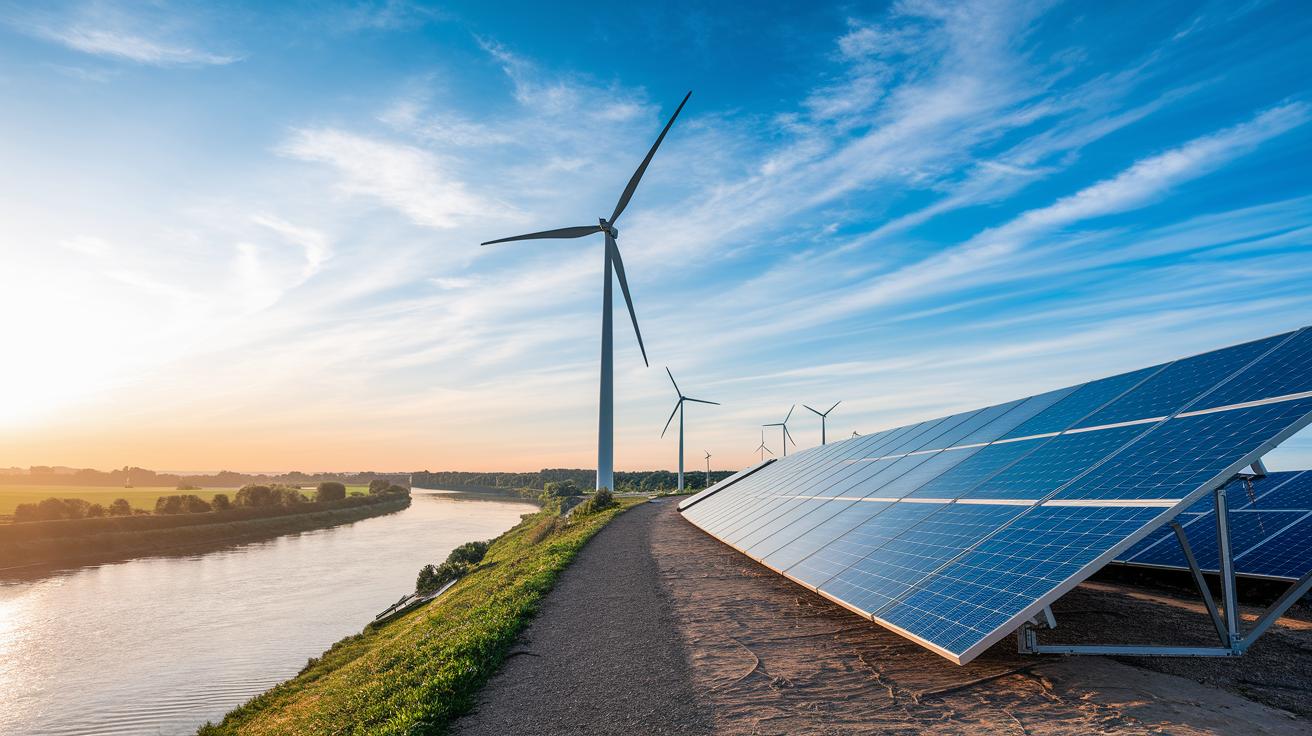
Switching to renewable energy helps cut dangerous emissions by moving away from fossil fuels. This change brings almost no greenhouse gases while drastically lowering amounts of CO₂, sulfur dioxide, and tiny particulate matter. For instance, hydropower uses the rush of moving water to produce energy, which means it pollutes water much less than coal plants did in the past.
Cleaner air leads to healthier communities overall. Systems like solar and wind have fewer parts that can fail, so there’s less chance of oil leaks or chemical spills. In turn, fewer harmful particles lead to a drop in breathing problems and contribute to more stable public health.
Using renewable energy also means we use water more wisely, which helps protect our ecosystems. Unlike fossil fuel methods that rely on harsh chemicals, hydropower steers clear of these pollutants. Over time, improvements in how we manufacture and transport energy have steadily reduced overall emissions, keeping our waterways safe and vibrant for nature to thrive.
Cost-Saving Energy Solutions: How Renewables Outperform Fossil Fuels
Have you ever wondered why switching to renewable energy might be a smart move? When you tap into natural power sources like sunlight, you don't have to worry about buying fuel all the time. This means your costs stay pretty steady, even when fuel prices go up and down. In some places, solar systems have cost as little as 1.35 cents per kilowatt-hour. With no fuel bills to stress over, the money-saving benefits really stand out.
On top of that, renewable energy systems tend to need much less maintenance. Take solar panels, for example; they have fewer moving parts than traditional fossil-fuel generators. This typically means fewer repairs and less downtime. Many homeowners spend between $10,000 and $20,000 on a solar setup and see a payback in just 5 to 10 years. With lower maintenance demands, you’re less likely to face unexpected expenses that can throw off your budget. For more details on the benefits of solar energy, check out this article about solar energy pros and cons.
| Cost Type | Renewable Energy | Fossil Fuel |
|---|---|---|
| Fuel | Near-zero costs with free sunlight | High and unpredictable fuel expenses |
| Maintenance | Low upkeep with fewer moving parts | Frequent and expensive repairs |
| Upfront Investment | Moderate installation cost with a clear payback period | Lower initial cost that increases over time |
| Long-Term Savings | Consistent and significant savings | Rising expenses due to fuel price spikes |
Independence Gains and Grid Resilience with Renewable Power
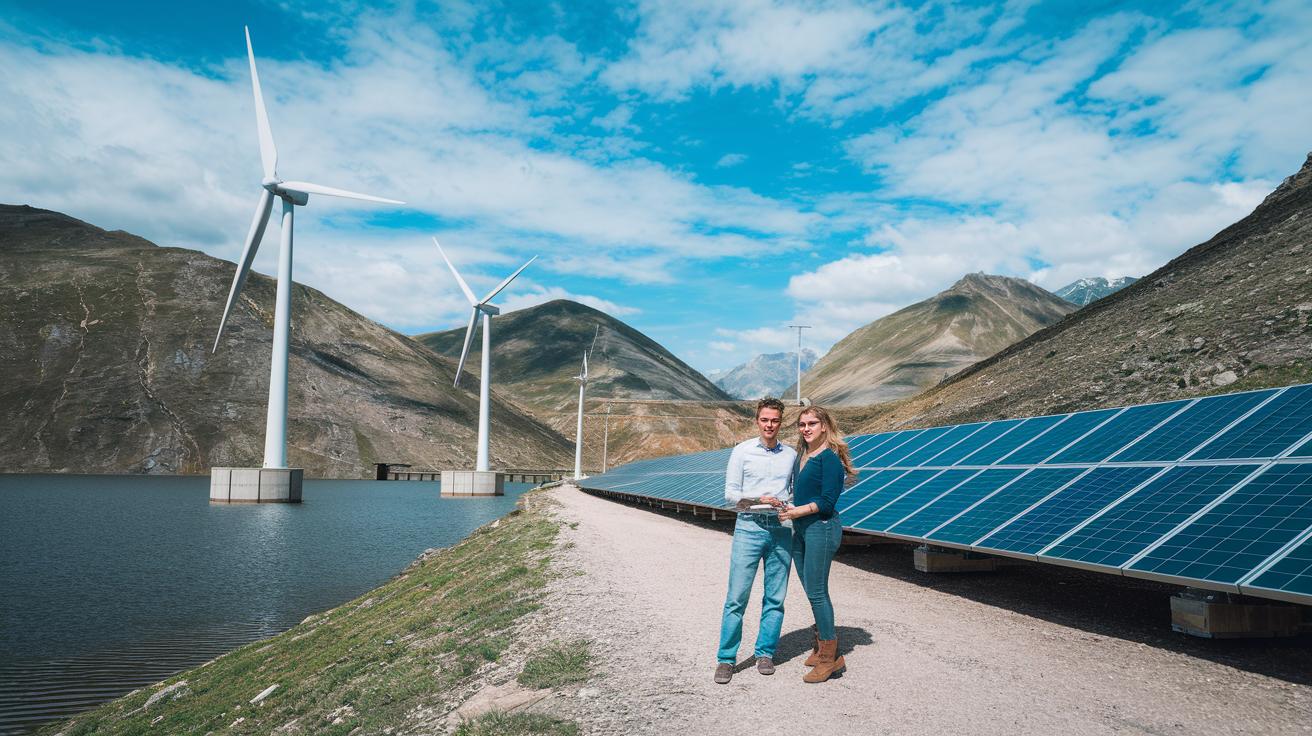
Renewable energy means we don't have to depend so much on oil and gas from other countries. By building more wind, solar, and hydropower projects here at home, communities can dodge problems like supply chain hiccups and wild price swings. This local control helps keep energy prices steady and our economy more secure.
A mix of different renewable sources, like wind, solar, hydro, and biomass, works together like a well-practiced team. When one source dips because of changing weather, another can step in to keep the power flowing. This balance not only improves overall performance but also strengthens our power grid. Just look at the United Kingdom, where wind energy plays a big role in lighting up homes and businesses.
New breakthroughs, like energy storage and micro-grids, add even more strength to our local systems. With batteries storing extra energy for later, communities can avoid blackouts and keep important services running, even when surprises happen. In other words, mixing these smart solutions makes our energy future much brighter and more reliable.
Job Creation and Economic Development in the Green Sector
Renewable energy is really shaking up the job scene across the country. In 2019, workers in the wind and solar fields nearly tripled those in traditional fossil fuels like coal, oil, and gas. Just think about it, every new wind turbine or solar panel not only lights up homes but also sparks fresh career opportunities.
Local communities are feeling the benefits too. Jobs in installation and upkeep pay reliably well, especially in areas that need a boost. These smaller, community-based renewable projects spark more local investments and help everyone share in the success, boosting pride and a sense of independence.
The ripple effects of a growing renewable market extend even further. As more homes and businesses tap into distributed power generation, chances for small businesses skyrocket, particularly for technicians who manage and maintain these systems. These local ventures bring extra revenue to neighborhoods and knit a stronger, more balanced economic future for all of us.
Emerging Renewable Technologies and Future-Ready Power Solutions

Exploring new power technologies is paving the way toward a cleaner energy future. Clever new methods are popping up that tap into nature’s own stores, helping make our power systems more varied and tougher to crack.
Geothermal
Geothermal energy uses natural heat and steam from the Earth. Right now, it only makes up about 0.024% of U.S. energy, but in places where the Earth’s heat is closer to the surface, this method shows awesome promise. The catch is that it mostly works in a few specific areas, which keeps it from becoming a widespread solution.
Tidal
Tidal energy captures power from the steady movement of the ocean. All over the globe, early projects are testing out how well this predictable energy source can work. It’s exciting because we know exactly when the tides come in and go out. Still, the rough ocean environment and high setup costs mean engineers have a tough job ahead to ramp up reliability and make it cost-effective.
Hydrogen
Green hydrogen is another exciting prospect. It’s made using renewable energy to split water into hydrogen and oxygen, kind of like a high-tech water dance. This clean fuel can power many different things and could cut down emissions a lot. Yet, the process is still pricey and finding its footing, so we might need to wait a bit longer before it spreads widely.
Fusion
Fusion energy aims to copy the sun’s power by fusing atoms together, promising nearly zero waste and a huge amount of energy. Even though experiments are still in the lab, success here could transform how we power our world. The big hurdles are keeping the fusion reaction going long enough to be practical and managing the costs. But if scientists crack it, the future could be truly bright.
Final Words
In the action, the post outlined how renewable power improves our environment, cuts costs, boosts jobs, and strengthens local grids. It also showed how emerging tech like green hydrogen and fusion are paving the way for smarter energy.
The discussion gives us a clear snapshot of both the economic perks and healthy impacts on communities. With so many advantages of renewable energy making a real-world difference, there's plenty to feel upbeat about for a cleaner, brighter future.
FAQ
Q: What are the main advantages of renewable energy?
A: The main advantages of renewable energy include cleaner air through reduced emissions, lower long-term costs, job growth in green industries, stronger energy security, and enhanced grid reliability.
Q: What are the potential disadvantages of renewable energy?
A: The potential disadvantages involve weather-related intermittency, significant upfront investment, and the need for backup systems, which may pose challenges for consistent energy supply.
Q: How can renewable energy benefit us?
A: Renewable energy benefits us by reducing pollution, lowering energy costs, bolstering job growth, and supporting energy security, which together improve public health and overall community resilience.
Q: What are examples of renewable energy technologies?
A: Examples include solar energy from photovoltaic panels, wind energy using turbines, hydropower generated by flowing water, and sustainable options like hydroelectricity that reduce reliance on fossil fuels.