


Have you ever thought about how renewable energy might really change our world? Imagine huge fields of solar panels and big wind turbines powering whole communities while leaving our air cleaner.
These projects use natural power from the sun and wind (our everyday energy sources) to create a modern, cleaner way to power our lives. All around the globe, these systems are not only helping the environment but also making communities healthier. In this article, we’ll chat about how these projects are stirring up positive change and lighting the way to a smarter energy future.
Global Overview of Renewable Energy Projects and Their Impact
Renewable energy projects tap into nature’s endless resources. They use power from sunlight, wind, water, organic materials, and even the earth’s own heat. Unlike fossil fuels that take millions of years to form, these sources are always coming back. This means we can generate cleaner energy while cutting down on harmful emissions.
All over the world, these projects are making a big difference. Think of massive solar fields and wind farms that reliably power homes and communities. Hydropower, biomass facilities, and geothermal stations add even more variety to our energy mix. It’s like nature is lending us a hand to build a smarter, cleaner energy future.
In November 2025, experts will gather for COP30 in Belém. They’ll discuss new policies, clever ways to fund these projects, and tech roadmaps that pave the way for more renewable energy. With a focus on practical, science-based strategies, COP30 is set to steer global efforts and spark even more innovation in renewable power.
Renewable Energy Projects: Major Solar Case Studies
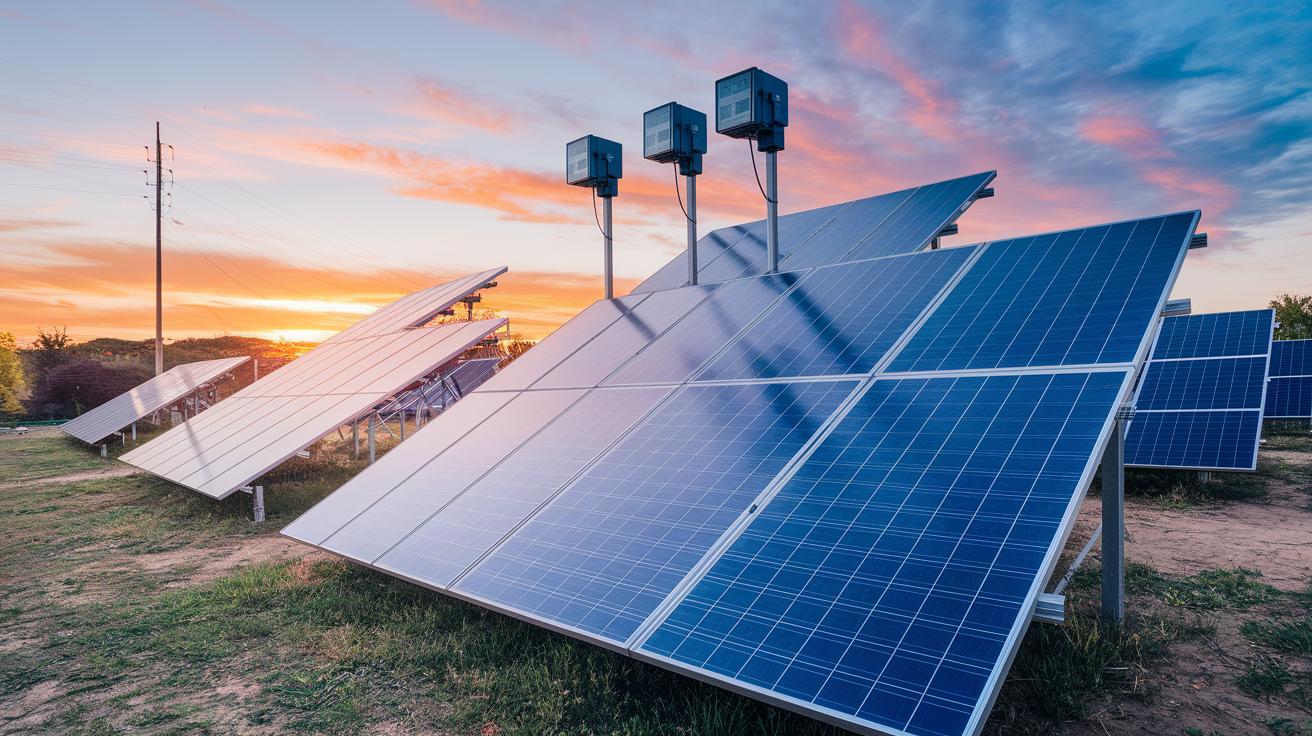
Solar projects are showing us how clean power can change local power grids, one panel at a time. These installations mix different designs and materials to meet community needs while soaking up loads of sunshine. Each case is a mix of smart technology choices and careful location, as if nature and engineering had a brilliant conversation. And if you’re curious about how these different designs affect performance, you might check out resources like solar energy pros and cons (it’s a quick look at both the ups and downs).
| Project Name | Location | Capacity | Area | Technology |
|---|---|---|---|---|
| Babcock Ranch | FL, USA | Surplus generation | 870 acres | PV panels & solar thermal |
| Noor Solar Power Station | Morocco | 580 MW | 7,400 acres | Photovoltaic systems |
| Ivanpah Solar Facility | USA | High thermal output | 14.2 km² | Solar thermal plants |
| Yamakura Dam Floating Solar | Japan | 13.7 MW | 18 hectares | Floating PV panels |
These case studies offer hands-on lessons in scaling up projects, choosing the right spot, and fine-tuning equipment. They remind us that putting solar panels on the ground isn’t just about installation, it’s about designing systems that work with nature and serve community needs. Take the Babcock Ranch project; it not only makes extra energy but turns that surplus into a local win. Or consider Japan’s floating solar array, which turns a reservoir into a power generator. Each example teaches us that using space wisely, positioning panels just right, and picking the right tech can seriously boost performance. In short, these projects light the way for future solar installations that could spark big changes in communities everywhere.
Renewable Energy Projects: Wind and Hydropower Deployments
Wind and hydropower projects are lighting up communities with clean energy. These projects mix modern tools with nature’s own power, turning breezy gusts and rushing rivers into steady electricity. It’s a great reminder that smart planning and teamwork can harness natural forces to provide reliable power while keeping our air cleaner.
Wind Energy Deployments
Wind energy projects really show off clever design and careful thought. For example, the Alta Wind Energy Center in California uses 600 turbines to produce 1.55 GW of power, enough to brighten nearly 450,000 homes and help keep over 5.2 million metric tons of CO₂ (a gas that warms our planet) from entering the air each year. Over in the UK, the Walney Offshore Wind Farm spans 145 km² of the Irish Sea. A big investment of around £1 billion helped make it the largest offshore wind project out there. And in Texas, the Roscoe Wind Farm covers 400 km² with 627 turbines, built together with 300 local landowners and top manufacturers. These examples show how thoughtful setup and a good handle on the landscape turn powerful winds into clean energy.
Hydropower Installations
Hydropower remains a key player in clean energy. One standout project is the Itaipú Dam, which sits on the border between Brazil and Paraguay. This huge dam gives about 86% of Paraguay’s power and nearly 9% of Brazil’s, lighting up millions of homes. It’s a prime example of how mastering water resources (using the force of water to generate energy) and working together across borders can create a reliable energy system for large areas. The Itaipú Dam’s design and teamwork over many years provide a model that many hydropower projects around the world look up to.
Financing and Incentives for Renewable Energy Projects

Traditional funding for renewable energy projects often relies on familiar tools such as feed-in tariffs, tax credits, and power purchase agreements (PPAs). These tools help create a steady flow of income and lower risks, making it easier for investors to support clean energy installations. For instance, tax credits can reduce the initial expenses, while PPAs ensure that there is always a market ready to buy the energy produced. This kind of financial setup helps projects gain the support they need to provide communities with reliable, low-emission power.
New ways to finance these projects are becoming more popular too. Instruments like green bonds and community financing models are gaining attention. They work alongside methods like crowdfunding and grant programs, which allow local groups to be a part of the energy solution. At COP30, experts will put a spotlight on public-private partnerships and collaborative frameworks. They want to explore how combining tried-and-true incentives with fresh, modern financing ideas can keep driving renewable energy forward, creating a brighter future for our planet and society.
Emerging Technologies Shaping Renewable Energy Projects
New breakthroughs in renewable energy are breaking new ground. Around the world, people are setting up floating solar panels on reservoirs to capture sunlight, while off-grid communities are enjoying the benefits of hybrid microgrids. Even geothermal energy is getting a boost with smarter drilling techniques that tap into the earth’s natural heat. And there’s exciting progress in biofuels too, new tweaks in production are increasing output and cutting down waste. Experts will dive into these topics at COP30 in November 2025, sharing real, science-based insights on how better energy use and smarter resource management can power up future projects.
Energy systems are also becoming much more connected. Imagine a well-coordinated team that links smart grids, modern storage ideas, and innovative conversion methods to deliver energy smoothly from source to home. Deep tech (that means clever microprocessors and real-time monitoring) plays a big role in this process, tweaking and optimizing performance like a finely-tuned engine. Soon, all these improvements will merge to create energy solutions that are not only sustainable but also dynamic, efficient, and perfectly in step with community needs.
Final Words
In the action of exploring renewable energy projects, the article walked us through key types like solar, wind, and hydropower. It showed how innovative solar arrays and expansive wind turbines power communities and support clean energy goals.
The piece also highlighted finance models, smart technology, and COP30’s role in shaping future strategies. Every section paints a clear picture of how renewable energy projects empower communities and safeguard our planet, leaving us optimistic about our collective tech-savvy future.
FAQ
What are renewable energy projects for students and available in PDF?
The renewable energy projects for students and PDFs offer hands-on experiments—like building simple solar models—that simplify complex ideas and engage learners in understanding clean energy.
What are some renewable energy project examples for kids and beginners?
The renewable energy projects for kids and beginners feature engaging setups such as small wind turbines and solar-powered gadgets. These projects provide fun ways to explore clean energy concepts hands-on.
What renewable energy projects have taken place in the USA, particularly in 2021 and 2022?
The renewable energy projects in the USA during 2021 and 2022 include community solar farms and wind installations. They showcase the nation’s progress toward cleaner power through innovative local initiatives.
What is a renewable project?
A renewable project refers to any effort using naturally replenished energy sources like the sun and wind. It offers ongoing, sustainable power solutions while reducing reliance on fossil fuels.
What are the main renewable energy sources?
The renewable energy sources include solar, wind, hydropower, biomass, and geothermal, with some lists expanding to include ocean energy and hydrogen, giving a variety of clean energy options.