


Have you ever stopped to think about how modern medicine might change our lives in ways we never dreamed of? This year, exciting advances are turning the way we treat illnesses into something more accessible for everyone.
Imagine a tiny pill that makes everyday routines easier, a heart transplant that can actually grow along with a little one, or a quick blood test that catches early signs of sickness. These breakthroughs are not just science fiction, they’re real steps toward a healthier future.
In this blog, we're diving into three major innovations that are lighting up the path to better care. Each one brings a fresh burst of hope and a promise for improved treatments that could one day benefit us all.
Breakthroughs in Medical Science: 2024 Top Innovations
This year, 2024 has brought some amazing changes to health care. New discoveries are making treatments easier to get and more effective for everyone. It’s really exciting to see how research turns big ideas into real, life-saving results.
One of the big stories this year is how hormones and organ transplants are getting a fresh boost. For instance, the FDA just approved Opill, the first birth control pill you can pick up without a prescription in the U.S. This small change means a lot of people now have a more convenient option. And then there’s the incredible case of a partial heart transplant for tiny infants – doctors replaced faulty heart valves with ones that actually grow over time. Even more groundbreaking is the pig-to-human kidney transplant, which gives hope to patients with end-stage kidney disease who really need a new organ.
Diagnostic tests and vaccines have also seen big improvements. Imagine a simple blood test diagnosing Alzheimer’s disease without the need for a painful spinal tap or expensive scans. That’s now a reality in primary care. Plus, combining a vaccine for COVID-19 with the seasonal flu shot makes getting your shots quicker and more thorough. These advances show us that the future of medicine is all about making things easier and friendlier for patients.
Researchers have also uncovered some eye-opening trends in immunology. They found that women account for more than 78% of autoimmune disease cases, sparking studies to understand why. On top of that, the FDA’s approval of omalizumab for children as young as one provides a new safeguard against severe food allergies, offering peace of mind to millions of families.
Isn’t it amazing how these innovations are not just technical breakthroughs but also steps toward a kinder, more accessible world of healthcare?
Breakthroughs in Medical Science: Regenerative Medicine and Organ Transplants
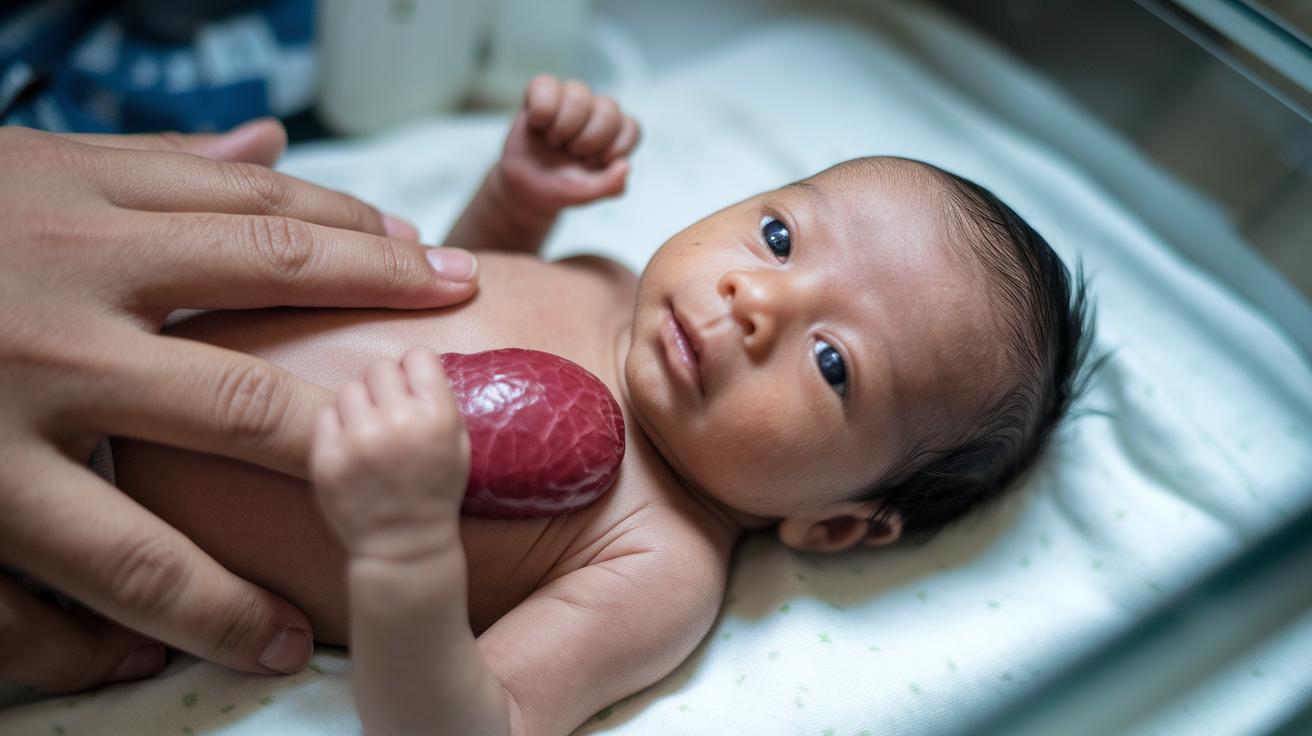
Regenerative medicine is changing the way doctors help our bodies heal. It blends our natural healing powers with smart new methods. Think about heart valves for babies that grow along with them, and stem cell therapies (tiny cells that can repair damage) that started with treatments for leukemia and now show promise for helping with spinal cord and brain injuries.
Doctors have streamlined these treatments, making them simpler and more effective. For example, infants with heart valve problems can now receive a partial heart transplant with valves that grow as they do, offering a solution that fits their changing needs. Meanwhile, pig kidney transplants are being explored for patients with severe kidney failure, helping ease the donor shortage. Stem cell research is also expanding, moving past early successes to repair more types of tissue.
| Therapy | Application | Key Benefit |
|---|---|---|
| Partial Heart Transplant | Infants with congenital valve defects | Self-growing valves that adjust with development |
| Pig Kidney Xenotransplant | Patients with end-stage renal failure | Alternative organ source to ease shortages |
| Stem Cell Therapy | Treatments for leukemia, neural repair, and more | Expanding regenerative applications for tissue recovery |
Looking ahead, these methods offer the hope of even more personalized treatments. By mixing the unique strengths of each breakthrough, doctors aim to create natural, efficient healing processes. It’s an exciting time in medicine as traditional practices and new innovations come together to improve recovery outcomes for everyone.
Breakthroughs in Medical Science: Diagnostic Technology Innovations
Have you ever marveled at how we’ve learned to peek inside the body? It all began in 1895 when Wilhelm Röntgen discovered X-rays, and doctors were amazed to finally see what lay beneath the skin. By the next year, the very first radiology department was up and running. Since then, we’ve added smart tests like cerebrospinal fluid sampling (a way to check brain fluid) and PET imaging (a scan that shows how your organs are working). Just recently in 2024, a simple blood test for Alzheimer’s made it easier for primary care clinics to spot early signs of the disease. And then, with AI stepping in to help, diagnostics now work faster and more accurately than ever before.
| Innovation | Year/Description |
|---|---|
| X-ray Radiography | Discovered in 1895 |
| Cerebrospinal Fluid Sampling | Used for neurological testing |
| PET Imaging | Adopted in clinical practice |
| Alzheimer’s Blood Test | Introduced in 2024 |
| AI-driven Diagnostics | Enhances speed and precision |
These advances aren’t just neat tricks, they’re becoming everyday tools that help doctors deliver better care. Imagine a busy clinic where a doctor easily shifts between ordering a high-tech image and letting AI crunch the numbers to find a diagnosis. Every breakthrough fills in another piece of the health puzzle, streamlining routines and boosting confidence in treatments. With each innovation, we edge closer to personalized, modern care that makes a real difference in people's lives.
Breakthroughs in Medical Science: Vaccine and Immunotherapeutic Advances

The new dual-target vaccine protects against both COVID-19 and the seasonal flu. Early trial results hint that it could cut clinic visits by about 15% each year, which means lower costs and fewer strains on healthcare. Just imagine getting two shots rolled into one appointment, it saves time and money for busy families.
Recent research into autoimmune conditions shows that women make up more than 78% of cases. New treatment trials are now trying out personalized plans, and early findings suggest these could reduce flare-ups by up to 20%. Picture everyday treatment tweaks that help patients avoid hospital trips and manage their chronic symptoms more easily.
There are also exciting updates on omalizumab, a treatment for children with severe food allergies. Follow-up studies report fewer emergency room visits and heartening feedback from parents. One caregiver described the first dose as if it lifted a heavy burden off the family. These advances in immunotherapy are working hand-in-hand with new vaccine strategies to reshape everyday health care.
Breakthroughs in Medical Science: Artificial Intelligence and Digital Health
Artificial intelligence is changing the game in healthcare by spotting diseases faster and designing treatment plans that truly fit each person. Doctors now lean on smart systems that soak up loads of data, which means diagnoses are quicker and more reliable. With machine learning (where computers learn from experience), researchers can discover promising drugs in less time. Plus, new AI tools keep a close, ongoing eye on patients so problems can be caught before they get serious. It’s not just about faster care, it’s about making busy clinics run a lot smoother.
AI in Disease Diagnosis
AI-powered tools are now scanning through patient info with impressive speed and accuracy. These algorithms pick up on tiny details in medical images and lab results, which helps cut down the wait for a diagnosis. In practice, this means illnesses, from infections to long-term conditions, are identified early, giving treatments their best chance to work. And as the system learns from each case, its accuracy keeps getting better, which really boosts doctors’ confidence in their calls.
Digital Health Platforms
Digital health platforms are making it easier to keep track of patients and manage treatments. Imagine telehealth services built into smart apps that remind you when to take your medicine and check your vital signs in real time. Hospitals are using these platforms to clean up operations, whether it’s managing waiting lines or handling resources more effectively. With tech innovators and life science experts teaming up, we’re building smart networks that connect patient data, clinical insights, and everyday hospital needs. This collaboration is setting us up for a future where care is not only data-driven but also refreshingly simple and efficient.
Breakthroughs in Medical Science: Future Directions and Emerging Trends
Funding is the bedrock of fresh medical discoveries. With over £200 million dedicated to early research, scientists all over the world are getting the support they need to turn small lab ideas into real treatments that could one day save lives. Think of it like building a house, if you have a solid foundation, the whole structure is stronger. It’s like watching a researcher transform a tiny experiment into a breakthrough therapy, all thanks to generous funding.
Working together is making a big difference too. Experts from different fields are pooling their talents and resources to bring lab ideas into everyday care. They’re learning from history, drawing insights from breakthroughs like the smallpox vaccine, early ideas on germs, anesthesia, and even the discovery of insulin. When smart minds join forces, they can solve tough challenges and create new treatment methods that help patients sooner.
Looking ahead, the next decade is set to bring even more exciting advances, including more precise medicines, gene therapies (treatments that target your DNA), and smarter use of digital health tools. As our technology improves and our understanding deepens, we can expect treatments that adapt to each person’s unique needs, making futuristic ideas a part of our daily lives.
Final Words
In the action of exploring our latest science updates, we reviewed key innovations transforming medical treatments. We touched on pioneering hormonal and transplant techniques, showcased advanced diagnostics and vaccine strategies, and discussed how digital health and AI are shaping tomorrow's care. Each segment paints a picture of dynamic progress in the field. These breakthroughs in medical science are setting the stage for a future where life-changing care is within reach. Keep an eye out for more advances that brighten our collective path forward.
FAQ
What are some medical breakthroughs anticipated by 2025?
Medical breakthroughs by 2025 include novel therapies, advanced diagnostic tests, improved organ transplants, and AI-powered tools that promise to reshape treatment practices and improve patient outcomes.
What significant medical advances have been made in the last five years?
Recent medical advances show FDA approvals for innovative drugs and devices, successful pig-to-human organ transplants, noninvasive diagnostics for Alzheimer’s, and combined vaccine developments streamlining preventive care.
What recent medical breakthroughs have occurred?
Recent breakthroughs include growth-accommodating heart valves for infants, pig kidney transplants to address organ shortages, prescription-free birth control pills, and blood-based tests for Alzheimer’s, enhancing both treatment and diagnosis.
What are the latest medical discoveries in 2024?
The latest 2024 discoveries feature a prescription-free birth control pill available in the U.S., a noninvasive blood test for Alzheimer’s detection, and a combined COVID-19 and flu vaccine to simplify immunization efforts.
What medical breakthroughs are expected by 2030?
By 2030, experts anticipate breakthroughs involving precise organ regeneration techniques, smarter AI diagnostic platforms, and personalized treatment strategies that further integrate clinical research with everyday healthcare.
What have been some of the most important medical breakthroughs in history?
Historic breakthroughs such as the development of vaccines, the discovery of penicillin, and early imaging technologies have all laid the foundation for modern medicine and continue to influence today’s health practices.
What is considered the biggest breakthrough in medicine?
Many see vaccine development as the biggest breakthrough due to its profound impact on global health, although advancements in AI diagnostics and novel transplant techniques also represent transformative steps forward in medicine.
What are ten major events in the history of healthcare?
Ten key events include the introduction of the smallpox vaccine, discovery of germ theory, anesthesia, insulin, early radiography, antibiotics, minimally invasive surgery, gene therapies, modern diagnostic imaging, and the rise of digital health platforms.