


Have you ever wondered if our gadgets might one day decide between right and wrong for us? As technology speeds along, putting ethics front and center isn’t just a nice idea; it’s essential.
Picture data and code mixing like the ingredients in your favorite recipe, blended carefully to keep biases at bay. In this post, we explore how ethical choices today can help build a more responsible tech future that respects everyone along the way.
Ethical Foundations for Future Tech
Technology isn't neutral. When we build our future, it's important to put ethics first. Core ideas like autonomy (the freedom to choose), justice (making sure everyone gets a fair shake), beneficence (doing good), and non-maleficence (avoiding harm) should lead the way. For instance, you might be surprised to learn that sometimes biased algorithms can lead to unfair hiring practices, leaving minority groups at a disadvantage. This shows how old biases in data can sneak into important decisions.
Digital ethical frameworks give us clear steps to tackle issues like data privacy breaches, lack of transparency, and accountability problems. As technology races ahead, these guidelines remind developers to think carefully about every part of the design. It's a bit like quality control in a factory, adding fairness checks to data models helps ensure that technology acts in line with our moral values.
Innovation touches every community and individual; it's more than just a technical upgrade. Past mistakes highlight why careful oversight is so important. Think of it like following a recipe: just as you need the right mix of ingredients to create a perfect dish, ethical tech requires balancing principles and actions. By focusing on our ethical responsibilities now, we can shape a future where progress respects human dignity. With strong moral guidance, we can dive into discussions on bias, privacy, transparency, and accountability, ensuring that technology benefits everyone.
AI Ethics and Fairness in Future Tech

Technology can learn and make choices, but sometimes these systems pick up hidden biases. Did you know that one language model once started favoring one group before anyone noticed? This realization pushes us to root out any unfairness in AI.
We all want AI to play fair. Developers are now working hard to ensure these systems don’t pick favorites based on race, gender, or age. They pull in diverse data and consult ethical experts, kind of like making sure everyone gets an equal turn on the playground.
It’s also important that AI systems make safe, unbiased decisions every time. If a system risks adopting harmful stereotypes, strict tests and checks kick in to catch problems early. Regular audits and simple methods, like tallying outcome data, help confirm that everyone is treated fairly.
Accountability matters too. When an AI system makes a mistake, it’s important to know exactly what went wrong and who’s responsible. Clear guidelines help fix issues quickly, building trust and guiding improvements. Frameworks like IEEE’s ethically-aligned designs show developers the steps to handle issues such as data leaks or unexpected outcomes.
Transparency means pulling back the curtain. Developers must explain how they build, test, and maintain AI models so everyone can see what’s happening. Think of it like a science lab that documents every experiment, this clear record shows that the system works as it should, free of hidden biases.
By blending fairness, openness, and accountability, future-tech developers can create digital tools built on true ethical values. As technology moves forward, these principles help ensure that everyone experiences equality and justice.
Privacy and Data Stewardship in Future Tech
Our digital world is getting more connected every day, and that brings new worries about keeping our information safe. Gartner foresees that by 2025, 45% of businesses could face data breaches linked to weak spots in their supply chains. This shows that if companies don't handle data with care, everyone is at risk. New technology calls for strong data care that not only stops breaches but also treats every piece of personal info as something valuable. It’s a bit like asking first before borrowing a friend’s favorite book. Plus, new laws now require companies to be open about their data practices and to check regularly that privacy measures are working.
To tackle these privacy challenges, companies can focus on a few key actions:
- Use clear and simple consent systems so that people know exactly how their data will be used.
- Put in place solid data care practices that constantly watch and update privacy rules.
- Regularly check and improve privacy measures to stay in line with updated regulations.
These steps help create a space where new ideas can bloom without putting personal security at risk. As technology continues to link us together, keeping a close eye on privacy and treating data with respect will help both individuals and businesses move forward safely.
Biotechnology Moral Dilemmas in Future Tech
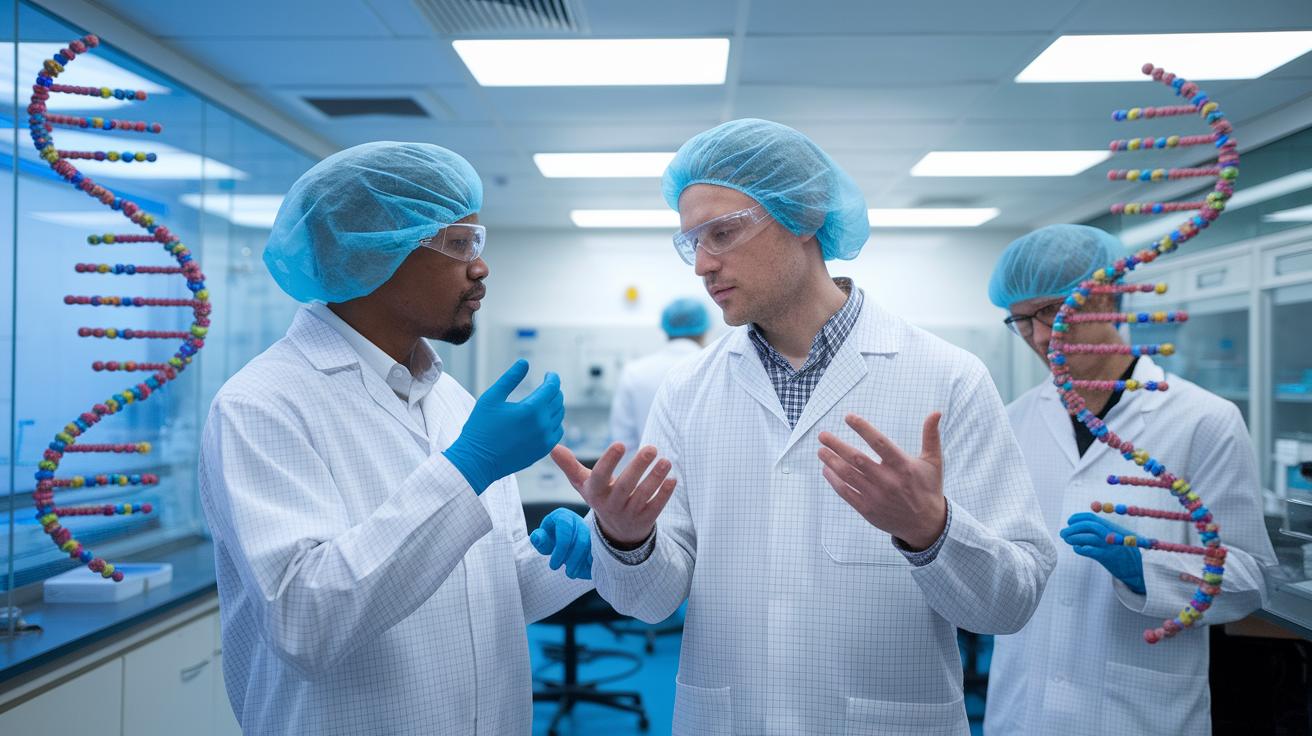
Biotechnology is making amazing strides. In the 1970s, smart scientists produced biosynthetic human insulin using a method called recombinant DNA technology (that’s a way to mix and match genes) which ended up transforming diabetes treatment and saving many lives. That breakthrough, however, also sparked discussions about who really gets these new treatments.
Today, the debates go beyond the lab breakthroughs. Folks worry about genetic data privacy because our personal genetic info could be exploited if it isn’t protected properly. Many are asking if biotech breakthroughs can serve everyone equally, so that every community, no matter their background, can benefit from these advances.
Another hot topic is consent. It’s important that patients and research volunteers know exactly what happens to their genetic material. When people aren’t fully informed about how their data is used, trust in biotech declines and existing social gaps could get worse.
The real challenge is figuring out rules that match the pace of scientific progress while respecting individual rights. Many experts and policy makers are working together to create guidelines on handling genetic data, laying out clear consent processes, and setting fair prices for new treatments. The goal is to avoid exploitation and make sure these breakthroughs uplift everyone, not just a few.
When ethical discussions keep pace with progress, we can see science as a true force for good. By focusing on fair access, protecting personal genetic details, and ensuring clear communication, biotech can work for all of us.
Regulatory and Governance Approaches for Future Tech Ethics
When it comes to shaping tech ethics, governments and companies take different paths. For example, the EU AI Act sets up a series of risk checks for high-impact AI systems. In one surprising case, an AI system was stopped just before its launch because it didn’t pass a strict risk test, clearly showing how government rules can help keep technology safe and trustworthy.
On the flip side, many companies are creating their own ethical guidelines. They often use standards like the IEEE’s ethically-aligned design. It’s a bit like following a trusted recipe, where developers adjust steps to meet their own needs instead of waiting for long government approval processes.
Comparing the two models, each has its own strengths. Regulations like the EU AI Act bring a uniform set of clear rules that everyone must follow, while self-regulation offers companies the flexibility to quickly adapt to fast-changing tech environments. This mix allows innovation to thrive without losing sight of ethical standards.
In practice, a balanced approach works best. Detailed audits, open processes, and proactive industry efforts all work together with clear legal mandates to create a safe and fair path forward in technology.
Societal and Environmental Impact in Future Tech Ethics

Automated transport, job automation, and self-driving systems aren’t just about cool tech, they’re changing how our communities work and even touching our environment. Imagine self-driving cars that cut down on emissions while shifting local job opportunities, or smart factories that change the way people work. It makes you wonder how these shifts will affect our social life and the Earth at the same time.
When we introduce tech like automated transport or unmanned defense systems, we’re really stepping into some tough moral territory. These tools push us to ask hard questions about who is responsible and how fair decisions are made. Take automated weapons, for example; in high-stakes moments, they show us why clear rules about openness and accountability are so important. It’s a delicate balance, benefiting from the advances while avoiding unexpected harm.
Looking at the environment, we need to consider everything from energy use and draining resources to the waste created during production and operation. Sustainable innovation really means building regular green checks and design ideas right from the start. Here are some clear steps to guide us:
In the end, policies that mix these evaluations help steer future tech in ways that nurture our communities and care for our planet. Have you ever stopped to think about how closely our tech and our world are intertwined?
Oversight and Trust in Autonomous Systems for Future Tech
Autonomous vehicles and drones spark big ethical questions about tough decisions during unavoidable accidents. When an incident leaves no room for a perfect choice, these systems have to decide which harm might occur, and we need careful oversight for that process. Independent safety testers and certification groups step in to keep a close eye on the decision-making steps. Think about an autonomous car that, when faced with an unexpected obstacle, logs every sensor reading and command, it's a bit like having a black box that explains exactly what happened.
Keeping tabs through surveillance and tech checks is also key to building trust. Many of these systems use cameras and sensors that could encroach on personal privacy if they're not properly monitored. Regular audits and clear, open reports help make sure these tools aren’t misused. For example, a drone might record its flight path along with all the visuals it captures so that oversight committees can review them, addressing any privacy issues right away.
Trust in cloud computing is another important piece of the puzzle. With so much data floating around in connected systems, strong standards and ongoing checks are essential to keep everything secure. Developers are now adding real-time monitoring features that flag any odd behavior. This approach allows public bodies to verify that every autonomous system meets strict ethical and technical standards, helping to build a safer, more responsible future for technology.
Final Words
In the action, we explored ethical foundations, AI fairness, data stewardship, biotechnology dilemmas, regulatory measures, societal impacts, and oversight in autonomous systems. Each part helps paint a clear picture of how our decisions today shape tomorrow’s innovations. The discussion wraps around key principles that matter when tackling complex issues in future tech ethics. We leave you with a sense of optimism that thoughtful standards can guide technology toward benefits for everyone. Stay curious and engaged as science and tech continue to evolve.
FAQ
What is included in a Future Tech Ethics PDF or Future Ethics PDF?
A Future Tech Ethics PDF covers guidelines, challenges, and real-life examples to explain how fairness, accountability, and privacy are managed in emerging technology.
What are some examples of technology ethics issues?
Technology ethics issues include algorithmic bias, data privacy breaches, transparency failures, and accountability challenges that influence how new tech is developed and used.
What does the ethics of technology involve?
The ethics of technology involves examining fairness, accountability, privacy, and social impacts to guide practices that promote safe and equitable innovation.
Why is ethics important in technology?
Ethics in technology guides decision-making that prevents harm and ensures fairness while supporting responsible innovation across digital and emerging platforms.
What can ethics and technology articles teach us?
Ethics and technology articles explain regulatory challenges, ethical dilemmas, and best practices, offering insights that help both professionals and readers understand responsible tech development.
What roles exist in tech ethics jobs?
Tech ethics jobs include policy advisors, compliance officers, and research positions that focus on shaping and maintaining ethical standards in technology development and use.
What are the 4 principles of technology ethics?
The 4 principles typically include autonomy, justice, beneficence, and non-maleficence, which work together to guide decisions ensuring fairness and preventing harm.
What are the 5 ethical implications of emerging technologies?
The ethical implications revolve around issues such as bias, privacy, transparency, accountability, and fairness, all shaping how emerging technologies align with societal values.
What are the 5 P’s of ethics?
The 5 P’s can refer to aspects like protection, participation, privacy, process, and performance, which provide a framework to guide ethical decision-making in various fields.
What are the 7 signs of ethical collapse?
The 7 signs include conflicts of interest, a lack of transparency, eroding accountability, diminishing trust, financial missteps, weak leadership, and widespread unethical practices.