


Have you ever pictured a car that almost seems to think for itself? Today’s vehicles blend clever tech with everyday comfort, creating rides that feel both safe and energizing. They come equipped with sensors (tiny devices that pick up details around you) and allow you to control the car using simple gestures, making the experience smooth and intuitive.
When you compare current models to what’s on the horizon, it’s clear that these cars merge practical performance with modern innovation. In a nutshell, the future of driving is set to be smart, bold, and a complete game-changer.
Key Trends Shaping Future Tech Cars
Modern models like the Tesla Model S, Mercedes S-Class, and BMW 5 Series are already turning heads with cool features such as semi-autonomous driving, gesture control, and smart collision warnings. People love these cars because they mix interactive screens, night vision to see better in the dark, and alerts for cross-traffic into one package that feels both comfy and very safe. Looking ahead, manufacturers have exciting plans through 2026–2030 with new powertrains (the heart of the car), even smarter connectivity, and fresh designs that really push the limits of what a car can be. If you’re curious about the bigger picture, check out Future Tech Predictions for more details on these innovative ideas.
The market is clearly leaning toward cars that offer both efficient performance and smart design. Today’s drivers expect a ride that’s not only powerful but also packed with tech that makes driving safer and more engaging. With the steady rise in eco-friendly powertrains and next-level connectivity, the focus is shifting to vehicles that blend advanced technology with everyday practicality. It’s all about finding that perfect balance between futuristic innovation and the reliable features we count on every day.
Future tech cars: Bold visions ahead

Recent breakthroughs in self-driving technology and AI-powered mobility are changing how we experience driving. Think about the Tesla Model S P100D, it packs eight cameras, 12 ultrasonic sensors (they help measure distances) and a forward radar, setting the stage for semi-autonomous driving. Meanwhile, the BMW 5 Series lets you control things with simple hand gestures and even park your car remotely with your smartphone. Jaguar’s upcoming I-Type EV is aiming for a 430-mile range with smart driver-assistance features, and Toyota’s GR GT prototype is busy testing hybrid control systems to get every bit of performance and responsiveness just right.
- advanced sensor fusion (blending data from several sensors)
- real-time decision making (adjusting as events happen)
- predictive route planning (figuring out the best path ahead)
- end-to-end machine learning controls (software that learns and adapts)
- adaptive cruise algorithms (smart speed control)
- driver-monitoring systems (keeping an eye on the driver for safety)
At the heart of these advances is machine learning, basically the brain of the system. It processes live data from all those sensors to help the car adjust its driving on the fly. This constant learning means cars can predict potential hazards, smoothly adjust their speed, and tweak driving styles to fit road conditions. As the hardware and software get even smarter, our cars will start to feel like a true co-pilot, confidently reacting to changing traffic and unexpected road events. Isn’t it exciting to think that soon, driving might feel like a friendly conversation between you and your car?
Electric Propulsion and Sustainable Engineering in Future Tech Cars
We’re seeing a big shift away from gas-powered cars to zero-emission drivetrains. Car makers are now favoring electric propulsion systems that leave fossil fuels behind for cleaner, greener rides. Take the 2027 Chevy Bolt EV, for example, it uses a battery that gives you a long range and quick charging, so you can keep moving without long stops. And then there are cool ideas like the Lexus LFA EV which uses solid-state batteries (new battery tech that offers a long-lasting charge) and promises a trip over 430 miles on one full charge. Even off-road vehicles like the Jeep Recon EV are getting a boost with a 94-kWh battery pack that powers a powerful dual-motor setup with 650 horsepower. These changes aren’t just about more power, they’re about rethinking how cars use energy to be smart and sustainable.
| Battery Type | Range (miles) | Charging Time (minutes) |
|---|---|---|
| Lithium-ion | 200–250 | 60 |
| Lithium-iron-phosphate | 255 | 35 |
| Solid-state | 430+ | 30 |
Table note: Battery technology is always evolving, so breakthroughs may soon lead to even faster charging and longer ranges.
New vehicle designs are also putting eco-friendly materials and clever energy systems to use. Car makers are testing lightweight frames and energy-saving tech that mix modern design with sustainable engineering. This means that cars are becoming more than just a way to get around, they’re turning into an important part of a greener lifestyle, offering better performance while reducing environmental impact.
Smart Connectivity and Digital Cockpit Interfaces in Future Tech Cars
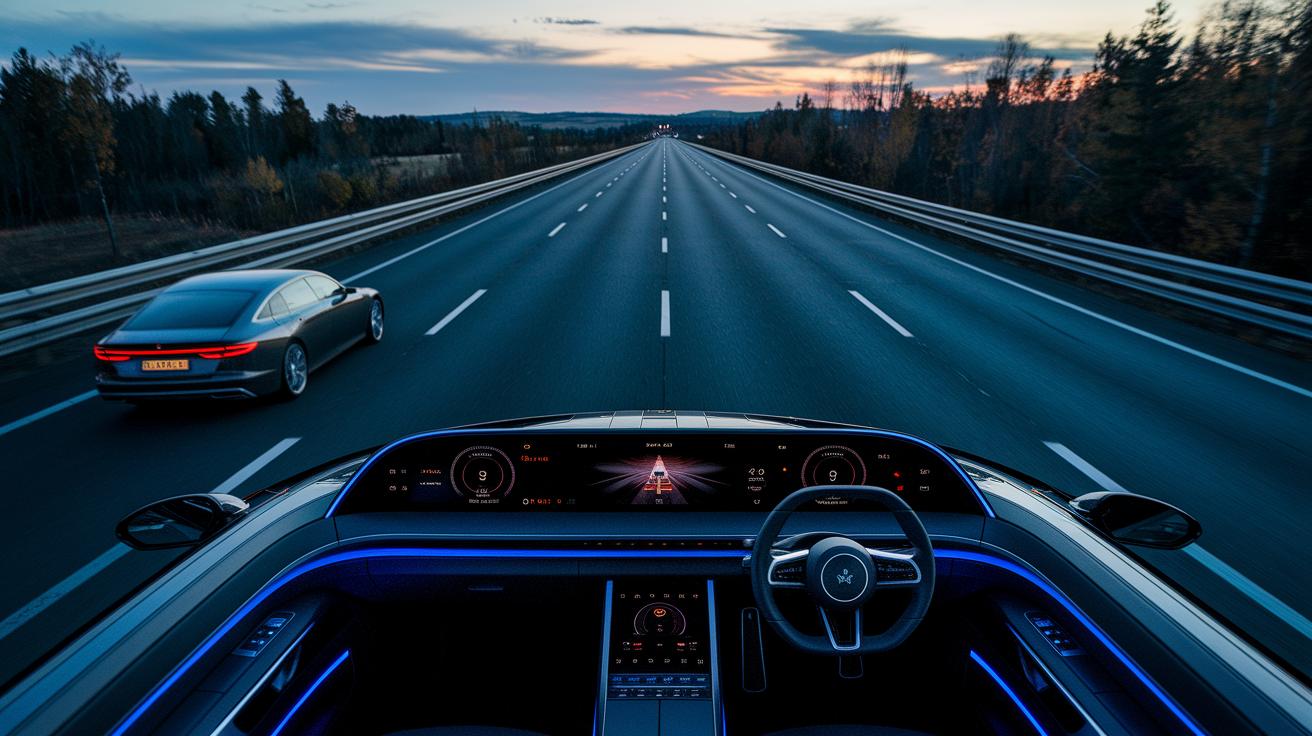
Cars are getting smarter every day, almost like rolling command centers. They come loaded with handy apps and cool dashboards using augmented reality (tech that adds digital details to real views). For example, the Volvo S90 features a nine‑inch touchscreen that can detect cyclists and warn you when you’re too close to the road’s edge, helping keep everyone safe. And then there’s the Audi A4, which ups the game with a 12‑inch virtual cockpit that works with Android Auto and Apple CarPlay, while also sharing live, GPS‑based traffic updates. With voice controls that let you change settings without taking your eyes off the road, these features mix safety, fun, and practicality into one smooth ride.
Meanwhile, in‑car virtual assistants are stepping up the game by making navigation and comfort even better. Thanks to over‑the‑air updates, your car stays up to date without a trip to the dealer, and future 5G networks (super-fast mobile connections) will let cars and road systems share info at lightning speed. Take the Mercedes S‑Class Convertible, for instance, it sports a night‑vision display along with cross‑traffic alerts to help you see clearly even when driving at night. All these tech features together change how we drive, turning each trip into a connected, immersive experience on the modern road.
Next-Level Safety with Sensor Fusion and Collision Avoidance in Future Tech Cars
Imagine a car where cameras, lidar, radar, and smart telemetry all work together like teammates to keep you safe. Modern vehicles, like the GMC Sierra Denali, come with features such as collision warnings, automatic high beams, and gentle lane-departure alerts that tap into real-time data. This helps the car watch out for unexpected obstacles and keep a safe distance, almost like having a friendly guardian riding along with you.
Sensor fusion pulls in data from every sensor to create one clear picture, so the car can react instantly, just like a well-tuned team that knows just when to step in. This setup is built on data-driven safety principles and is designed to give you a smooth ride even when conditions are tough.
Car makers are trying out this smart tech in real-world settings. For example, some Ford Mustang models now let drivers store personalized settings on a 12-inch touchscreen, and they feature distance warnings and lane alerts that jump into action when needed. Meanwhile, the Rolls-Royce Wraith has a transmission that even uses satellite signals to predict changes in terrain and weather, making gear shifts feel gentle and secure. These real-world tests show just how strong collision avoidance technology is, as manufacturers fine-tune how sensors work together to keep our roads safer.
Concept Car Prototypes Driving Future Tech Cars Innovations
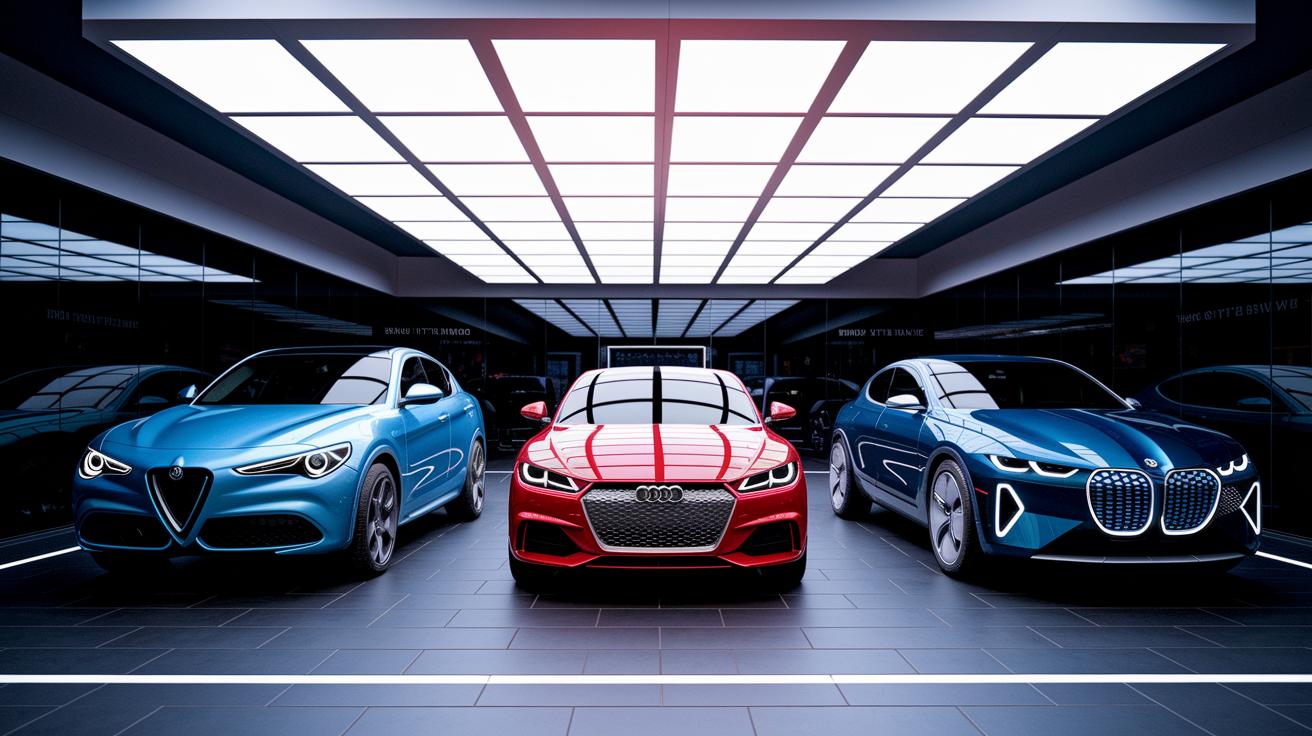
The new car models are shaking things up by raising the bar on powertrain and aerodynamic design. Take the 2027 Alfa Romeo Stelvio, built on the STLA Large platform. It’s offered in both hybrid and electric versions, and its performance Quadrifoglio edition comes with a twin-turbo inline-six engine that feels incredibly responsive. Then there’s the 2028 Audi TT EV, which will hit the road in 2027 and gives you a choice between single- and dual-motor setups so you can pick the drive that suits your style, all for around $100,000. On top of that, the BMW Vision Neue Klasse is entering the scene with the i3 EV debuting in 2026, and a suped-up, all-electric M3 rolling out in 2027 with a quad-motor design. Also on the list is the Ferrari EV SUV, which will launch early in 2026 with a unique in-house design priced above $500,000. Meanwhile, Ford is reimagining classic names with new Mustang successors, one replacing the Shelby GT500 with over 800 horsepower and another reinventing its off-road Raptor variant. Each model pushes the envelope by merging strong power with sleek, purpose-built shapes that slice through the air and cut down on energy loss.
These prototypes aren’t just about what's under the hood, though. Their exteriors and interiors are getting a major upgrade too. Designers are leaning into futuristic looks with smooth, aerodynamic curves and bold lines that shout performance and efficiency. Think about the way the new Mustang designs grab attention not just for raw power but also for their eye-catching style. And don’t miss Genesis with its upcoming GV90 3-row EV and the sporty GV60 Magma. They promise exciting performance, comfy cabins filled with smart tech, and a stylish vibe that really sets them apart. All of this, paired with smart pricing, is changing what buyers expect, now it’s about high performance that also looks and feels forward-thinking.
Advanced Manufacturing and Materials in Future Tech Cars
Car makers are shaking up how cars are built by using lighter materials like carbon-fiber and aluminum alloys to reduce weight by about 15–25%. This change helps cars use less fuel and gives designers room to experiment with new styles. I heard about an engineer who put together a prototype dashboard using 3D printed parts so that custom trim ideas could be tested in no time. It’s a clever way to speed up design changes while keeping costs down and making cars more nimble.
In today’s smart factories, advanced robotics and digital twin simulations (virtual models used to test ideas) are a big deal. These automated assembly lines work with great precision, ensuring every piece is exactly right before it even hits the production floor. This smart manufacturing approach not only cuts down build times but also lets makers tweak everything, from the smallest interior details to overall looks, to match what folks want. And since sustainability is a growing concern, it’s all part of a drive to build cars that are both efficient and eco-friendly.
Final Words
In the action, we covered trends that shape the evolution of vehicles, from advanced sensor tech and AI-powered mobility to innovative electric engines and digital cockpit designs. Each segment highlighted practical examples like improved safety features, streamlined connectivity, and concept prototypes pushing design boundaries.
This blend of breakthroughs and creative manufacturing paves the way for future tech cars that inspire both imagination and practicality. The road ahead is bright, promising smarter, safer, and more sustainable rides for all.
FAQ
What affordable cars have the best technology?
The affordable cars with best technology include models that offer modern digital interfaces, safety assists, and connectivity at accessible prices. They give drivers an innovative, user-friendly experience without high costs.
What is the future of car technology and what’s next in vehicle tech?
The future of car technology involves AI-driven improvements, self-driving features, and smart connectivity. These innovations promise smarter safety, efficient powertrains, and interactive systems that enhance overall driving dynamics.
Which models define the timeline for future cars from 2026 to 2050?
The timeline from 2026 to 2050 highlights models with breakthrough electric powertrains, enhanced self-driving aids, and digital dashboards. These new cars are set to debut in the USA and globally, pushing automotive innovation forward.
What is the most advanced tech car and which are the top high-tech cars in the world?
The most advanced tech car boasts next-level sensor networks and immersive digital systems. Top high-tech cars worldwide merge state-of-the-art autonomous features, cutting-edge safety tools, and dynamic connectivity for an exceptional driving experience.