


Ever wondered if the gadget on your wrist could do more than just show you the time? Imagine it checking your heart rate on a morning jog or gently reminding you to stand up after long hours at your desk. It’s like having a little helper that fits right on your arm.
Wearable technology mixes style with smart features to make daily life easier. These devices not only look cool but also keep you connected by tracking your health and managing everyday tasks. Have you ever noticed how a quick tap on your watch can tell you it’s time to move or even show you a message from a friend?
In our chat here, we explore how these nifty gadgets work, the different types you might come across, and why they’re making our digital lives more in tune with what we need. It’s all about enjoying a healthier and more connected life with a touch of modern tech magic.
Understanding Wearable Technology: Definition, Components, and Benefits
Imagine wearing a gadget that does so much more than just show you the time. Wearable technology means electronic devices you can clip onto your body, like smartwatches that also keep track of your heart rate, sleep, and daily steps. It’s like having a friendly helper that works hands-free.
Inside these devices, there are little parts making everything tick. Tiny sensors catch your body’s movements and signs, while microprocessors (small computer chips that handle information) sort through these signals to give you live updates. Wireless radios, like Bluetooth and Wi-Fi, make sure the information moves quickly between your device and other gadgets. And, of course, rechargeable batteries keep everything running all day. Some smart wearables even use advanced fabrics like the Loomia Electronic Layer (LEL) that stretch comfortably and continuously. Picture a shirt that feels just like your favorite outfit but also keeps an eye on your breathing and heartbeat when you’re exercising.
Wearable tech comes in many shapes and sizes, from nifty fitness bands to devices used in medical settings. They capture real-time data that can help you adjust workouts or better track your health without interrupting your day. With their sleek design and built-in smarts, these gadgets help you stay connected to your body’s signals and overall well-being, whether you’re breaking a sweat or just relaxing.
Main Categories of Wearable Technology and Device Examples
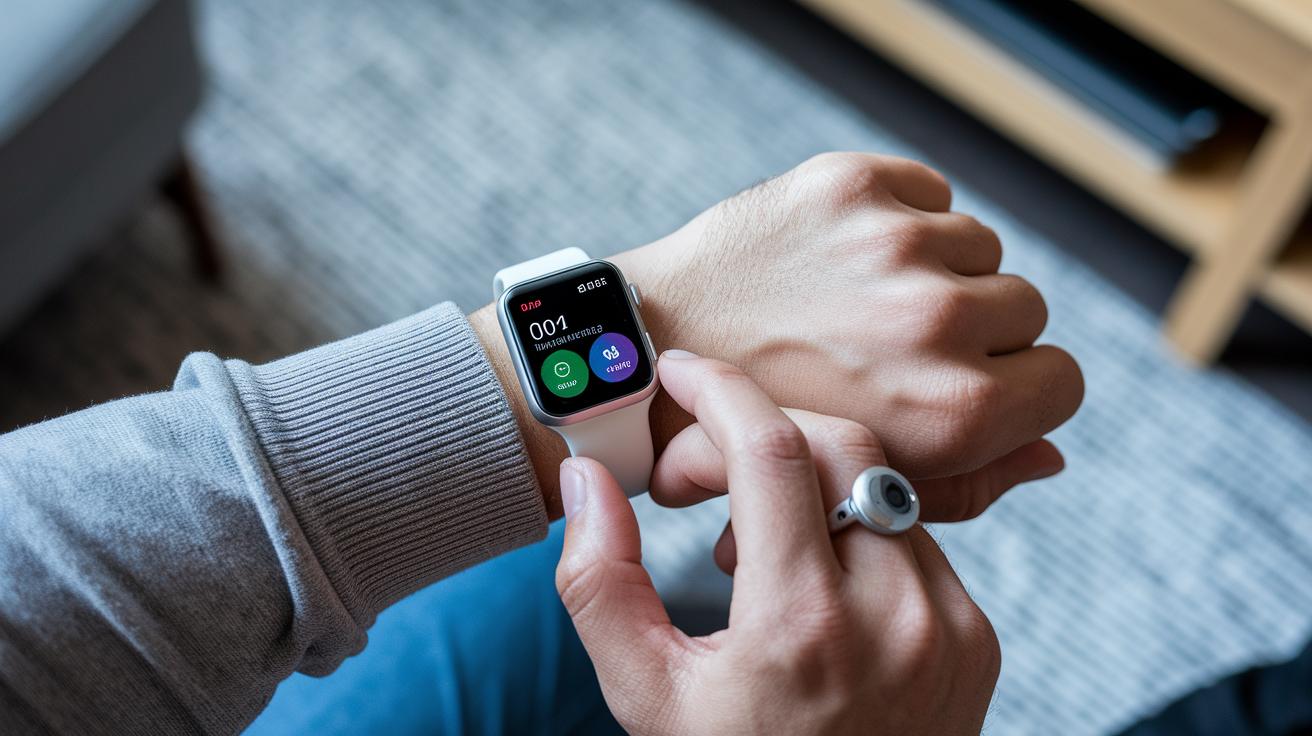
Smartwatches
Smartwatches come loaded with health sensors in a sleek design that sits comfortably on your wrist. Take the Apple Watch Series 10 and Watch Ultra 2, for example, they keep an eye on your blood oxygen, body temperature, and even alert you if you fall or get into a crash. They use wireless signals to share data instantly, making your workouts safer and helping you monitor your well-being. It’s pretty cool to think that early models were only about telling time, but now they’ve turned into little health hubs that can warn you of sudden changes.
Smart Rings
Smart rings, like the Oura Ring and the soon-to-arrive Samsung Galaxy Ring, are all about keeping track of your everyday health. These tiny gadgets gather important details about your sleep and recovery while looking more like stylish jewelry than a piece of tech. They’re designed to be comfy all day, providing useful insights about how well you rest at night and bounce back during the day.
Fitness Trackers
Fitness trackers, such as the Fitbit Charge series and Garmin Fenix, are built with one goal in mind: to help you keep track of your activity. They measure steps, calories burned, and even recovery patterns, making them favorites among both athletes and everyday users. With features like mobile notifications, simple payment options, and advanced GPS, they bring all your daily activity data right to your phone.
Smart Clothing and E-Textiles
Smart clothing, including items like smart shirts and Siren smart socks, takes wearable tech to the next level by weaving flexible sensors into fabrics. These clothes can help monitor your breathing or heart activity, and they’re even being used to spot early signs of foot ulcers in diabetic patients. Imagine wearing something that feels like your favorite shirt but also keeps a close watch on your health!
Implantable Wearables
Implantable wearables range from small NFC/RFID chips that let you share data without contact to cutting-edge devices like those from Neuralink. These tiny pieces of tech are installed under the skin, providing secure, continuous data exchange in a completely new way of connecting with technology.
Head-Mounted Displays
Head-mounted displays, such as the Apple Vision Pro, bring digital information right into your view. They mix real-life surroundings with added digital layers, offering a fun, interactive twist to everyday tasks with what’s called spatial computing (a way to merge digital content with our real world).
| Device Type | Example Products | Key Features |
|---|---|---|
| Smartwatch | Apple Watch Series 10, Watch Ultra 2 | Blood oxygen monitoring, heart tracking, fall detection |
| Smart Ring | Oura Ring, Samsung Galaxy Ring | Sleep tracking, recovery insights |
| Fitness Tracker | Fitbit Charge series, Garmin Fenix | Step count, calories burned, GPS tracking |
| Smart Clothing | Siren smart socks, smart shirts | Health monitoring, early illness detection |
| Implantable | NFC/RFID chips, Neuralink | Contactless data exchange, secure brain-device interface |
| Head-Mounted Display | Apple Vision Pro | Spatial computing, augmented reality |
Wearable Devices for Health and Fitness Monitoring
Fitness trackers count your steps, measure calories burned, check sleep quality, and even keep an eye on your heart rate. Systems like Whoop offer a subscription service that digs into your recovery, daily strain, and sleep patterns, making your daily stats feel truly personal. Ever noticed how a quick look at your wrist can spot tiny changes in your body’s signals that might otherwise be missed?
Smart wearable sensors are now built into everyday clothes, using e-textile technology (tiny sensors woven into fabric that act like both electrodes and data cables). These clever devices help keep track of chronic conditions and support senior health by constantly monitoring important signs like heart rate and breathing.
New market data shows that the wearable tech field is growing fast. Experts predict it could be worth around $57 billion next year.
Advantages and Challenges of Wearable Technology
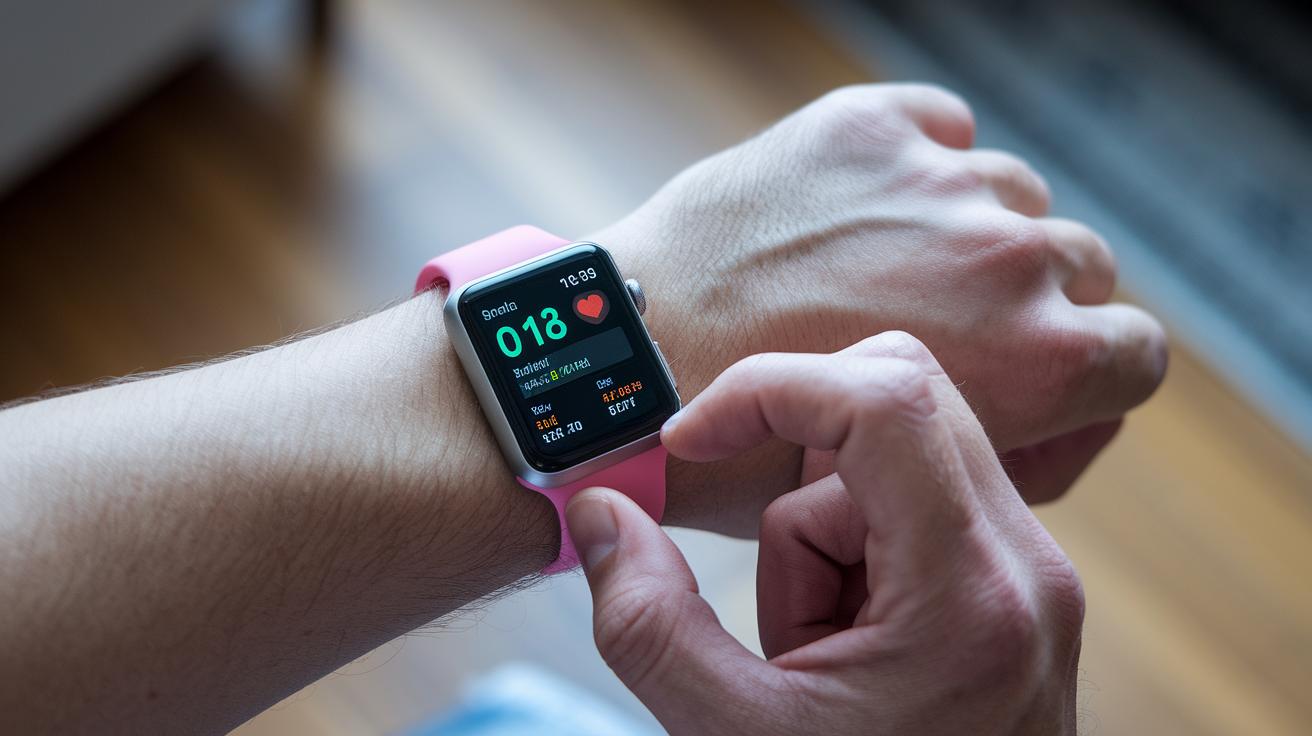
Wearable gadgets give you fast, real-time info about your body, like tracking your heart rate, how well you sleep, and even how active you are during the day. They provide personal health tips that help spot issues early and even suggest workouts just for you. Plus, they work hands-free, making it easy to keep an eye on your health without missing a beat during everyday activities.
But there are a few hurdles, too. Since these devices collect sensitive details, concerns about data privacy and security are real. Short battery life means you'll often need to recharge your device, and sometimes glitches in connectivity can interrupt your data flow. A couple of models might even pull your focus away during exercise or routine tasks. The good news is that experts are on it, improving battery life, tightening data safeguards, and refining wireless communication to ensure the information you get is both reliable and secure.
| Challenge | Description |
|---|---|
| Data privacy and security risks | Concerns about how your sensitive info is collected and shared. |
| Limited battery life | Needing frequent recharging can be a hassle. |
| Potential device distractions | Some models might interrupt your focus during activities. |
| Connectivity dropouts | Intermittent data tracking due to wireless issues. |
| Need for rigorous clinical validation | Ensuring the data is medically reliable and safe. |
Future Directions and Emerging Trends in Wearable Technology
Wearable tech is set to change how we check on our health and connect with our surroundings. Imagine a device that uses smart algorithms to spot tiny changes in your body data and gives you an early warning if something like an irregular heartbeat pops up. It’s like having a friendly alert that helps you catch potential issues before they turn into big problems.
And there’s even more on the horizon. Soon, wearable devices could team up with helpful robotic assistants to guide you through everything, even giving tips during your workout or at a medical checkup. Researchers are working on cool fabrics with built-in sensors that keep an eye on your vital signs. Picture a shirt that silently monitors your health and sends real-time updates to your doctor, making it easier to manage long-term conditions without constant visits.
Then there’s the exciting field of brain-computer interfaces and AR/VR headsets. These gadgets are designed to bring digital data right into your everyday life, blending technology with reality in ways that feel almost magical. This innovation might mean a smoother, more personalized experience whether you’re at work or getting care in a hospital.
Finally, new sensor technology is expanding what wearables can do. We’re looking at a future where these devices not only make our digital lives smarter but also safer, offering each user a tailored experience that’s as unique as their own heartbeat.
Market Outlook and Adoption Trends for Wearable Technology

After the pandemic, wearable tech is stepping up its game. It’s moving away from just counting steps and simple fitness tracking to offering deeper insights into our overall health. New research shows that innovative gadgets, like implantable sensors and smart clothes, are grabbing attention by delivering more detailed data than ever before.
Think about a smart shirt that monitors your muscle movements during a workout. It helps athletes tweak their techniques on the spot, almost like having a coach right there with you.
Advances in sensor technology (tiny devices that gather important measurements) are driving this change. Trends around the world suggest wearables will soon be lighter, tougher, and smarter, tracking everything from the quality of your sleep to the levels of stress you experience. Studies indicate that both regular people and medical experts are eager to adopt devices that offer real-time, tailored health information.
Manufacturers are also investing in fresh designs that mix everyday practicality with sophisticated data analysis. This new approach builds on past findings and opens up even more possibilities for using wearables to manage personal health and support medical care.
Final Words
In the action, we looked at what wearable technology really means, detailing its components, benefits, and common devices, from smartwatches to advanced medical wearables. We explored how these gadgets boost health and fitness performance while acknowledging practical challenges like battery life and data security.
The article also touched on emerging trends that promise a brighter, more connected future. It’s exciting to see how everyday tech keeps transforming our world, encouraging innovation and making life easier every day.
FAQ
What is wearable technology and how is it best described?
Wearable technology refers to electronic devices integrated into clothing and accessories that use embedded sensors and processors for hands-free data capture and smart functions.
What are examples of wearable technology?
Examples of wearable technology include smartwatches, fitness trackers, smart rings, and smart clothing—all equipped with sensors that track health and activity in real time.
What are some recognized wearable technology companies?
Recognized wearable technology companies such as Apple, Fitbit, and Garmin lead the market by producing devices that merge high-tech sensors with everyday usability.
How is wearable technology used in healthcare?
Wearable technology in healthcare employs smartwatches, fitness bands, and even sensor-equipped clothing to monitor vital signs and detect health issues early through real-time data.
What wearable technology is available for students?
Wearable technology for students may include smartwatches, fitness bands, or augmented reality headsets designed to enhance learning, track wellness, and offer interactive educational features.
What is the best wearable tech for seniors?
The best wearable tech for seniors features simplified interfaces, fall detection, and emergency alert systems, making it easier to monitor health and maintain safety.
What is a wearable technology journal?
A wearable technology journal is a publication that offers reviews, research updates, and trend analyses on digital devices worn on the body, keeping readers informed about industry developments.