


Have you ever thought a tiny space station could change how we travel to the Moon and beyond? NASA is working on something called the Lunar Gateway, a place where astronauts can switch vehicles, run experiments, and get set for missions further out. Imagine a station circling the Moon, acting like a pit stop that links different missions and makes long space journeys easier. In this article, we dive into how this lunar outpost might reshape our space travel plans and help humans stay close to our celestial neighbor for the long haul.
Lunar Gateway Overview: Purpose, Role, and Mission
NASA’s Lunar Gateway, often called the Lunar Orbital Platform-Gateway or LOP-G, is a space station that will orbit the Moon as part of the Artemis program. It’s being built to serve as a busy hub where astronauts can transfer to land on the Moon and then head on to even deeper space missions. In fact, it’s a key connection point for Moon missions and will be where the Orion spacecraft, carrying four astronauts on the Artemis II flight, can make a stop.
This isn’t just a quick pit stop in space. The Gateway is set up to help create a lasting human presence around the Moon by linking different missions together. It provides important services like moving crew members between vehicles and supporting scientific experiments. Every time a spacecraft docks or an experiment is run aboard the Gateway, it brings us closer to regular operations on and around the Moon, and even paves the way for future trips to Mars.
- Crew transfer: Helps move astronauts from one spacecraft to another.
- Science platform: Offers a space where researchers can perform important experiments.
- Telecom relay: Keeps communication channels open between teams.
- Logistics support: Manages the delivery of supplies and equipment.
- Emergency refuge: Acts as a safe shelter in unexpected situations.
- Deep-space gateway: Serves as a stepping stone for missions into even deeper parts of space.
The Lunar Gateway is a game-changer for space exploration. Imagine it as a floating laboratory and service center that not only makes long-duration missions possible but also provides a safe, well-equipped stop for astronauts on their way to the lunar surface. By making regular access to lunar orbit a reality, the Gateway lays down the groundwork for a longer stay around the Moon and sets the stage for future journeys to Mars, a huge leap forward in our adventure through the solar system.
Technical Specifications of the Lunar Gateway Architecture
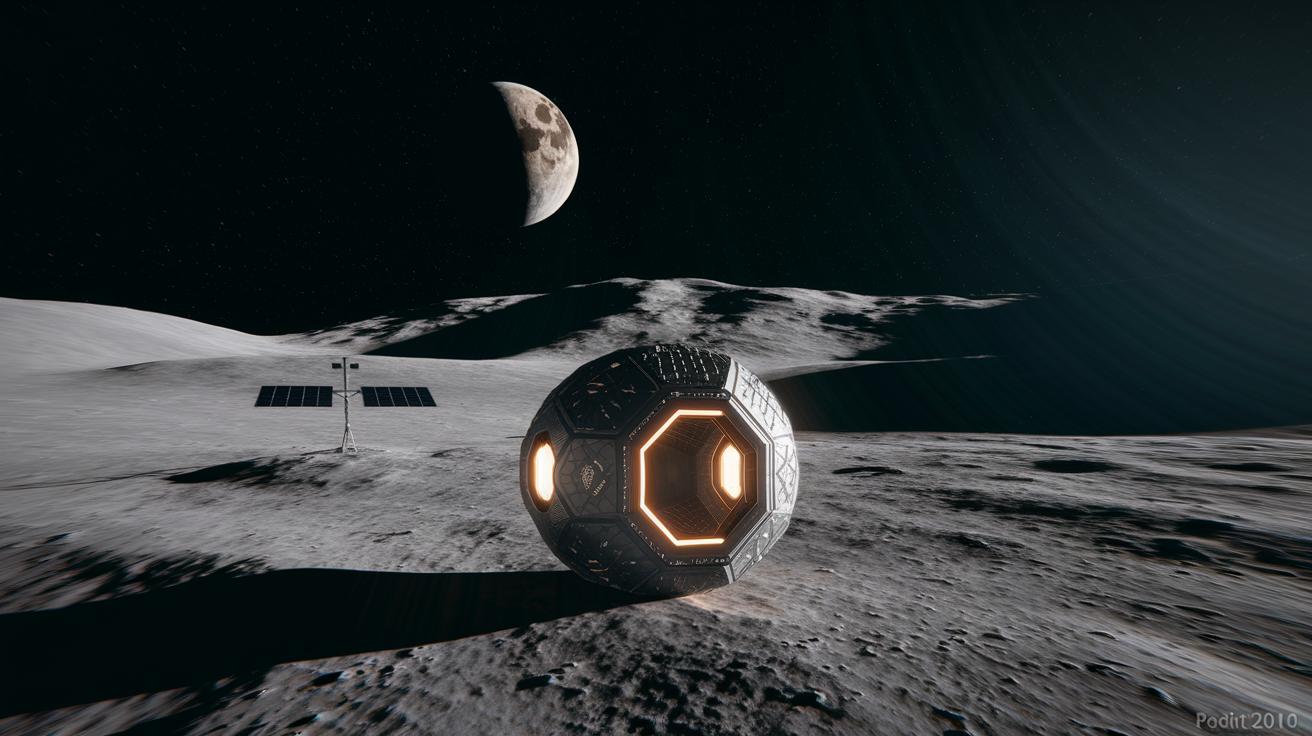
The Lunar Gateway is built as a network of special modules, each designed for a unique job needed during long missions around the moon. It brings together power, crew care, and spacewalk support into a single station that balances efficiency and comfort.
Power and Propulsion Element (PPE)
The PPE module uses solar electric propulsion (using sunlight to create power) to generate the main energy for the station. Big solar panels catch the sunlight and convert it into electricity. Smart power components then make sure this electricity flows smoothly throughout the station. This system not only moves the module but also helps keep the station in the right spot and stable.
Habitation and Logistics Outpost (HALO)
HALO is where the crew calls home while they’re orbiting the moon. It supports a four-person crew with all the essentials for living in space. Inside, you’ll find private rooms, a kitchen for meals, a place to freshen up, and work areas for research. There are also docking ports to connect Orion spacecraft and commercial vehicles, making it easy for crew transfers and bringing in supplies. This setup helps ensure that the crew stays comfortable and well-organized throughout their mission.
Airlock Module
The airlock module is all about supporting spacewalks. It’s built to let astronauts safely step out into space, with plenty of storage for space suits and other vital gear.
Innovative docking mechanisms throughout the Gateway make it easy to connect the different modules. These adaptable systems also prepare the station for future upgrades or add-ons, so it can keep up with new mission needs.
Assembly Sequence and Launch Strategy for Gateway Modules
NASA has teamed up with a private partner on a $331.8 million project to launch the first two pieces of the lunar Gateway. They plan to use Space Launch System (SLS) rockets to send these elements into orbit around the Moon sometime after 2024. The Orion spacecraft will carry crew members, while robotic arms work to join the modules, helping build a smooth, connected outpost in space.
| Module | Launch Vehicle | Target Launch Year | Contract Cost |
|---|---|---|---|
| Power and Propulsion Element (PPE) | SLS | 2025 | $331.8M |
| Habitation and Logistics Outpost (HALO) | SLS | 2025 | Included in Contract |
| Airlock Module | SLS | 2026 | TBD |
The plan focuses on carefully docking each module in lunar orbit so that all parts are securely linked to form the backbone of the new outpost. Orion not only transports the astronauts but also supports the process as robotic systems help with the module connections. Alongside assembling the Gateway, there will be special missions to deliver extra fuel, keeping the station well-positioned for upcoming journeys. In sync with Artemis I and II goals, this well-planned sequence sets a solid foundation for longer stays on the Moon and opens up exciting possibilities for deeper space travel.
Development Timeline and Program Milestones for the Lunar Gateway
Back in 2019, the Lunar Gateway's design got the green light, kicking off an exciting project built on fresh technology and global teamwork. Then in 2021, the team nailed down the PPE/HALO contract, a key step that helped bring commercial partners into the mix and set the stage for detailed planning. These first moves not only laid out the technical roadmap but also showed a strong commitment to working with partners around the world while keeping budget limits in mind.
Next, the focus shifted to putting the pieces together and getting everything ready for crewed missions. The plan is to have the gateway fully assembled by 2026, with Artemis III aiming for a crewed landing between 2025 and 2026, all supported by the gateway's operations. Every step is interlinked, from transferring the crew in orbit to building up the long-term mission support, making timing a crucial piece of the puzzle.
| Year/Date | Milestone |
|---|---|
| 2019 | Initial design approval received |
| 2021 | PPE/HALO contract finalized |
| July 20, 2021 | UN designates International Moon Day |
| 2025 | Target for Artemis III crewed landing with Gateway support |
| 2026 | Scheduled completion of Gateway’s on-orbit assembly |
Every milestone on this timeline is a building block that not only advances the Lunar Gateway project but also plays a direct role in shaping the Artemis mission. It’s like assembling a complex puzzle, each part fits into the next to pave the way for groundbreaking crewed lunar exploration.
International Collaboration and Budget Structure of the Lunar Gateway
Agencies and commercial partners team up on the Lunar Gateway mission, blending skills from all corners of the space community. NASA takes the lead with its high-tech modules, while global partners chip in with key components. This shared effort lets everyone handle design and operations challenges together, ensuring that different technologies and plans work smoothly.
Here's a quick rundown of who brings what:
Money matters are key too. The launch cost for the first two modules came in at about $331.8 million, but the overall price could soar into tens of billions. Funding discussions are buzzing, with each partner sorting out contributions that match their special skills and interests. This flexible funding plan helps balance big dreams with the real costs of modern space exploration while paving the way for the Gateway’s future.
Scientific Objectives and Future Plans for the Lunar Gateway
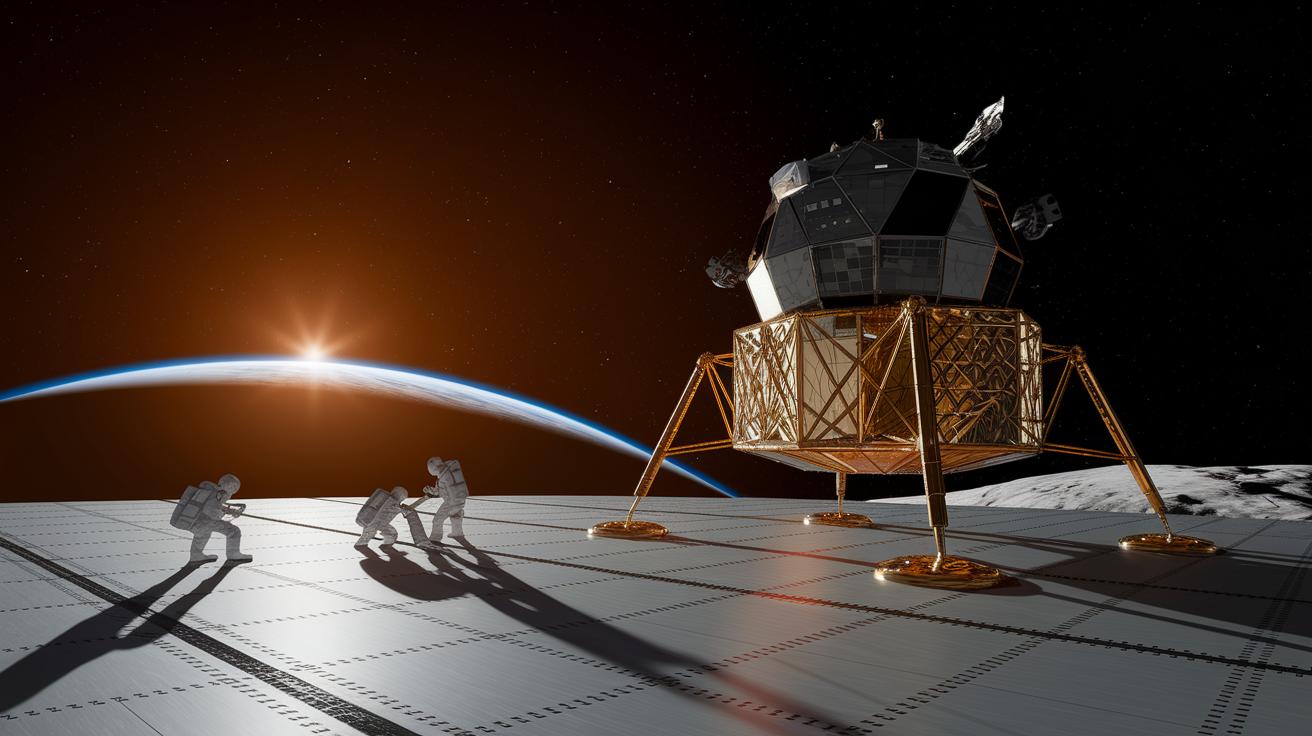
The Lunar Gateway is set to help us learn a lot more about the Moon and what lies beyond. It’ll gather clues about the Moon’s past by collecting surface samples, run experiments to see how well our bodies handle space radiation, and even let us take steady observations of the stars from orbit. This work builds on what we did during the Apollo era but goes a step further by offering a near-space lab where experiments run over long periods. Imagine putting together your favorite gadget one piece at a time, only now, the workshop is in space!
Here’s what we’re focusing on:
- Geology: Gathering and studying lunar rocks and dust to unlock the Moon’s history.
- Life Sciences: Testing ways to protect astronauts from space radiation.
- Tech Demonstrations: Trying out new systems that use resources right where they’re found, out in space.
- Astronomy: Using a stable orbit to capture clear and steady views of the universe.
Looking ahead, there are plans to expand the science modules and invite commercial labs to try out even more advanced space technologies. With more research setups and fresh commercial partnerships, the Gateway will prove the tech we need for missions deeper into space, paving the way for future expeditions and even human missions to Mars.
Final Words
In the action, we explored the lunar gateway’s core role in supporting crewed lunar landings and deep space missions. We looked at its innovative design, launch strategy, and key international partnerships.
The article broke down technical modules, assembly sequences, and scientific objectives. The discussion highlighted how this lunar gateway drives sustainable progress in space exploration and paves the way for future Mars missions. Stay inspired by the possibilities ahead!
FAQ
What is the Lunar Gateway and is it being built?
The Lunar Gateway is a planned space station orbiting the Moon as part of NASA’s Artemis program, and contracts have been awarded so its construction is underway.
When is the Lunar Gateway scheduled to launch and be completed?
The initial modules are set for launch post-2024 with assembly targeted around 2026 to support crewed missions like Artemis III.
What does the Lunar Gateway orbit involve?
The station will orbit the Moon, acting as a transit hub for crew transportation and scientific experiments before moving deeper into space.
Has the Lunar Gateway project been cancelled?
Despite changes and adjustments in plans, the Lunar Gateway project continues with active contracts and clear development milestones.
What is the cost of the Lunar Gateway and its components like ESPRIT?
The first two modules cost $331.8 million to launch, and ESPRIT represents ESA’s contribution, focusing on refueling and logistics support.
What is known about the Lunar Gateway interior?
The interior will feature private crew quarters, a galley, a hygiene area, and workstations, all designed to support a four-person crew comfortably.
What will astronauts do on the Lunar Gateway?
Astronauts will use the Gateway for crew transfer, research experiments, logistics support, emergency refuge, telecommunications, and serving as a platform for deep-space missions.
Why is NASA moving away from the current space station?
NASA is transitioning from the aging space station to the Lunar Gateway to focus on deeper space exploration, lunar landings, and eventually missions to Mars.
What is Starship HLS in the context of lunar missions?
Starship HLS is a variant of SpaceX’s Starship designed as a lunar landing system to ferry crew between the Gateway and the Moon’s surface.
What is the Habitation and Logistics Outpost (HALO)?
HALO is a module on the Gateway that provides life-support systems, crew living spaces, and docking ports for spacecraft like Orion and commercial vehicles.
What role does the Power and Propulsion Element (PPE) play?
The PPE supplies the Gateway with electric propulsion via solar arrays and manages power distribution and orbital adjustments.
What does the Axiom Orbital Segment refer to?
The Axiom Orbital Segment is a commercial module concept intended for future expansions, offering additional docking and research opportunities.
What is the Russian Orbital Service Station?
The Russian Orbital Service Station is a separate initiative developed by Russia and is not part of the Lunar Gateway project.
What is meant by Deep Space Transport in relation to the Gateway?
Deep Space Transport refers to spacecraft designs intended to carry crew from the Gateway to further space destinations, such as Mars.