


Ever thought that plants might be the key to a greener future? Researchers all over the world are mixing traditional gardening with modern tools to uncover secrets hidden in every leaf. They use hands-on care alongside clever sensors (small devices that monitor changes) and digital insights to see how plants deal with stress and learn to adjust. This fresh blend of old and new ideas is changing the way we view crop strength and sustainability. Keep reading to find out how these exciting breakthroughs in plant science are opening up bold new paths in farming.
Pioneering Breakthroughs at the Frontier of Plant Science
Across the globe, plant scientists are mixing classic gardening techniques with modern tools to spark new discoveries. They bring together hands-on growing with careful data gathering to lay the groundwork for fresh ideas in agriculture and plant science.
New projects are uncovering trends that push the natural world to its limits. Researchers are following plant behavior and resilience as it happens, driven by natural curiosity and a desire to learn more. This approach is inspiring daring experiments and opening up new ways to understand plants.
Scientists are also piecing together what makes plants tick by linking field observations with advanced lab tools (equipment that measures and analyzes data). They study how plant genes, changing weather, and tiny chemical signals all work together to help manage crops better. By combining proven growing methods with new sensor gadgets and digital maps, experts are rethinking how we nurture our plants. These efforts are giving us clear insights that could boost crop production and support a more sustainable way of farming around the world.
Genomic and Gene Editing Innovations Shaping the Plant Science Frontier
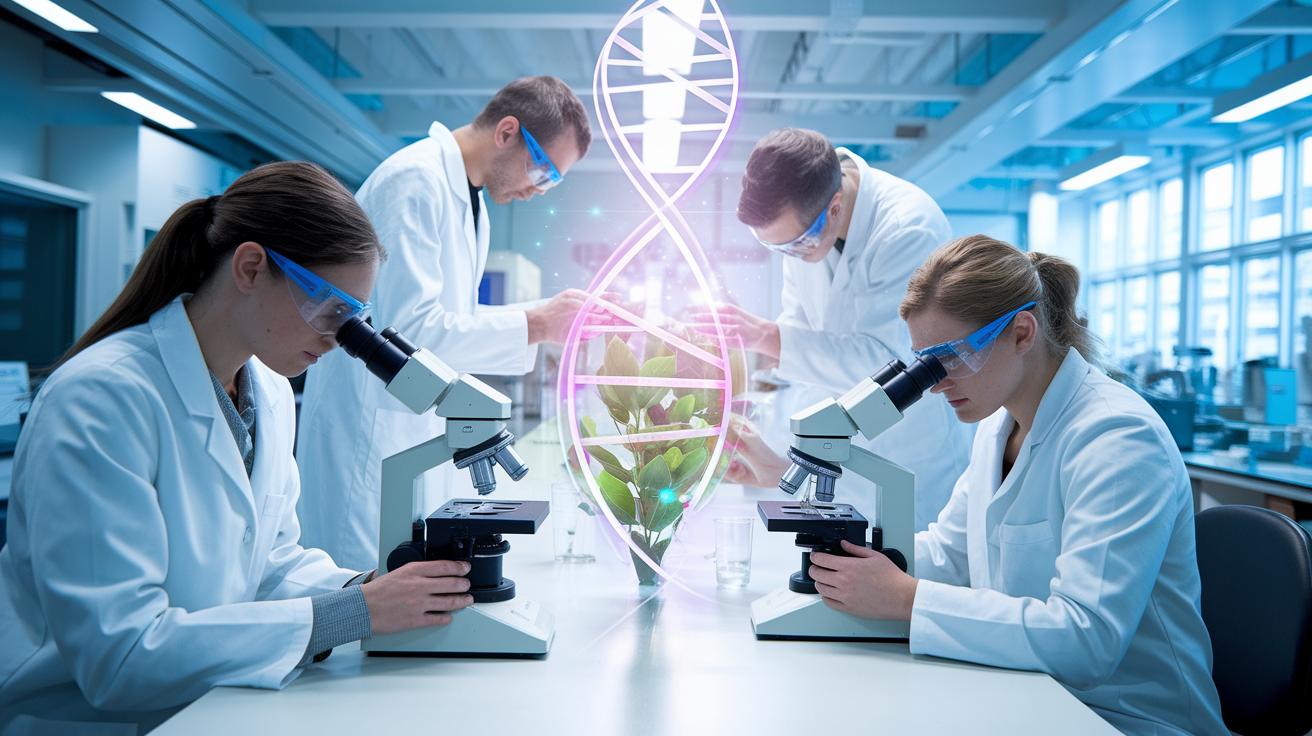
Recent breakthroughs in plant genomics have completely changed how we see nature’s blueprint. Scientists are now using gene editing tools like CRISPR (a technique that lets them make precise cuts in DNA) to alter plant genes in ways that once seemed like science fiction. These clever tweaks are making crops tougher against diseases and even boosting yields. Plus, next-generation sequencing, think of it like rapidly scanning a giant picture book of plant DNA, allows researchers to pick up details faster and more accurately. By comparing the genetic make-up of different plants, experts are uncovering hidden traits that might be key to breeding hardier crops. It’s like finding secret ingredients that help plants cope with stress, adapt as climates change, and produce better nutrition.
Scientists are now mixing traditional plant breeding methods with modern genome editing to help plants thrive under harsh conditions. With powerful sequencing tools and precise editing techniques at their fingertips, they can identify important genes and adjust them to meet specific farming needs. This blend of old and new not only deepens our understanding of plant genetics but also brings real benefits for food security and sustainable farming. It’s an exciting time in plant science, one that promises a future full of green innovation and resilient crops.
High-Throughput Phenotyping and Bioinformatics on the Frontier in Plant Science
Labs and fields today are buzzing with new instruments that change the way we study plants. These modern tools capture tons of data fast and really well. High-throughput phenotyping methods, which include digital imaging, spectroscopy, and sensor arrays, let us measure everything from how tall a plant grows and the color of its leaves to small shifts in temperature. It’s a bit like putting together a huge puzzle to see the full picture of how plants behave.
Scientists are also teaming up bioinformatics (using computers to understand biological information) with development biology. This lets them sift through huge sets of data to learn how plants cope in different situations. For example, transcriptomics (studying all RNA molecules to see which genes are active) and metabolomics (tracking small chemicals that plants produce) help reveal how plants handle stress or grow. Systems biology brings all these details together to show how everything interacts.
This combo of matching plant traits with their genes speeds up discoveries. It’s like having a powerful microscope that breaks down plant traits in a very detailed way. In turn, this opens up new, smart methods for sustainable farming and for making crops grow better. It’s a mix of tech, close observation, and careful analysis that’s changing our understanding of plant systems.
| Technique | Data Type | Throughput (samples/day) | Resolution |
|---|---|---|---|
| Imaging Spectroscopy | Spectral Data | 500 | High |
| RGB Imaging | Visual Data | 2000 | Medium |
| Thermal Imaging | Temperature Data | 750 | High |
Cellular and Molecular Dynamics Driving the Frontier in Plant Science
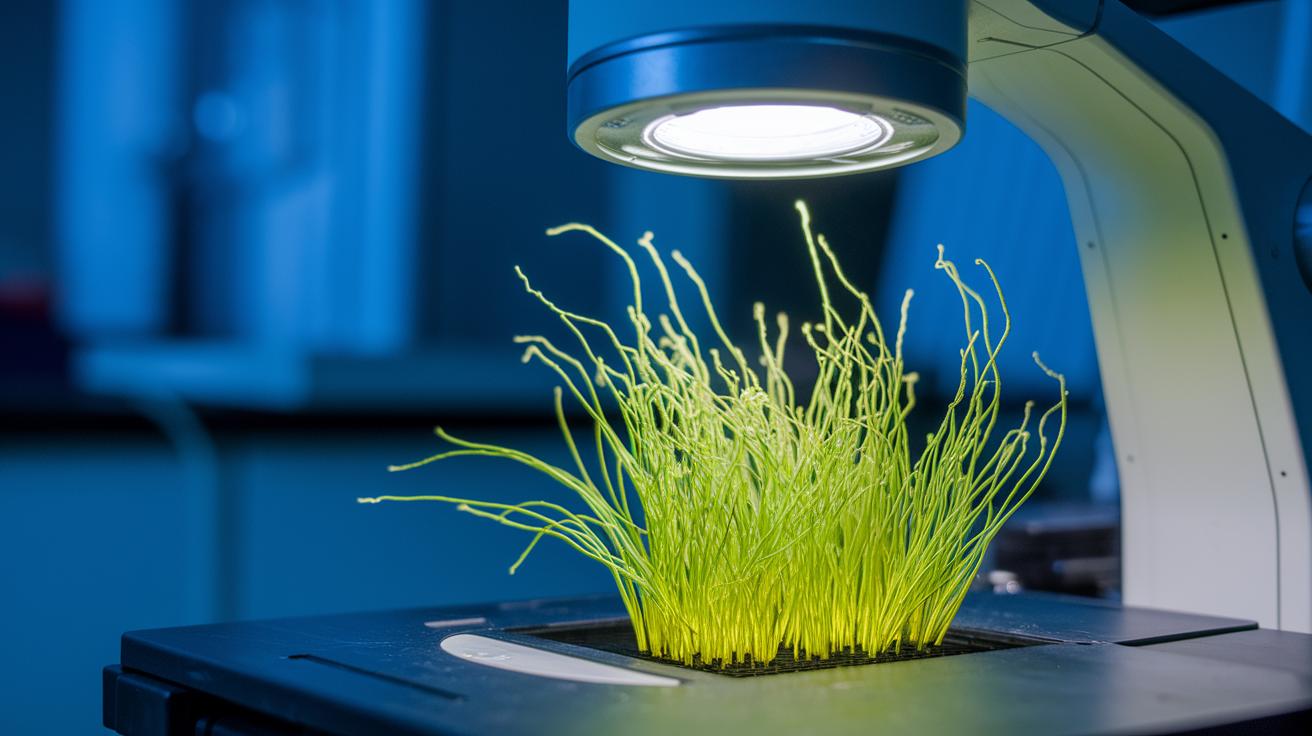
Researchers are now diving into the busy world of plant cells, using new imaging tools that let us see cells move and interact in real time. It’s like watching a lively mini-city where every cell has a role, with hormone signals kicking off events that guide cell division and energy flow.
At the same time, studies on how plants build and maintain their cell walls are shedding light on how these green structures stay strong. Scientists use methods like protein profiling (a way to study all the proteins in a sample) and bright microscopes to uncover the hidden supports that give plants their resilience. Imagine a building that reinforces itself during a storm, plants adjust their walls to handle stress and changes around them.
Exploring hormone signals has also opened a new window into how plants coordinate growth and repair. By linking tiny molecular messages to visible changes in cells and tissues, researchers are piecing together a detailed picture of plant life. This blend of cell dynamics and structural insights offers a refreshing look at age-old processes, reminding us of the fascinating dance that powers every living leaf.
Sustainable and Climate-Resilient Crop Innovations at the Frontier of Plant Science
Across labs and fields, scientists are working hard on sustainable crop bioengineering to create plants that can thrive in shifting climates. Thanks to clever genetic tweaks (tiny changes in the plant's DNA) and smart agritech, these crops can handle heat, drought, and rough soils while needing fewer extra inputs.
Recent studies show how plants naturally manage stress and fight off challenges like extreme temperatures and diseases. These eco-friendly biotech advances help them conserve water and boost their own defenses, almost like giving them a little extra armor for tough days.
- Wheat that stands up to drought
- Rice that manages salty soils
- Corn that uses nitrogen more efficiently
- Tomatoes engineered to ward off diseases
- Potatoes designed with the environment in mind
Advanced research is mixing bioengineering with tried-and-true farming methods. Scientists are fine-tuning plant traits so they can cope with unpredictable weather on their own, leading to crops that are both robust and kind to the planet. This smart approach builds an agricultural model that benefits both farmers and nature.
Using modern lab techniques and careful field trials, researchers are discovering ways to produce high yields with less water and fertilizer. As climate challenges become more common, these resilient crops could be essential for food security and supporting rural livelihoods.
The teamwork between genetic experts and agronomists is opening up fresh avenues for creating vibrant ecosystems and restoring damaged lands. With ongoing tests in real-world settings, the future of sustainable crop bioengineering looks promising and ready for bold, transformative change.
Integrative Strategies and Future Directions on the Frontier in Plant Science
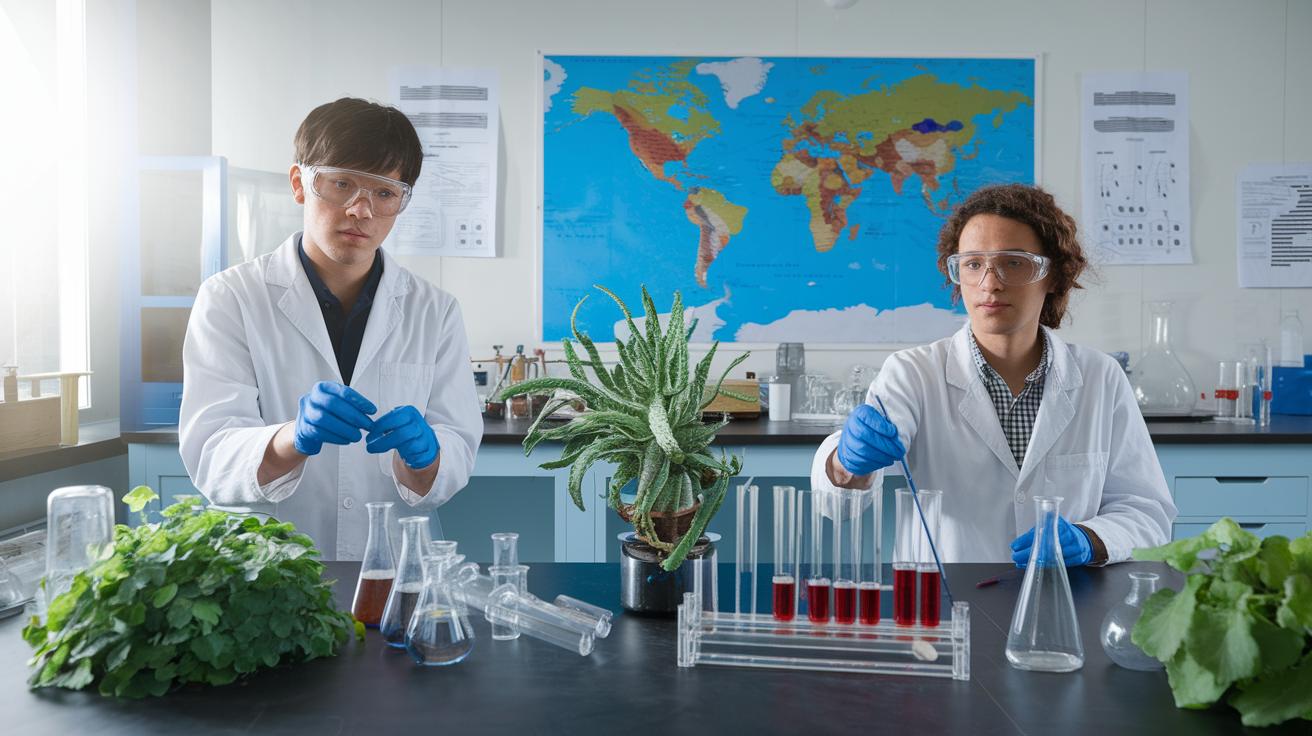
Scientists are mixing old-school plant biology with new tech to explore and safeguard plants. They’re turning lab discoveries into practical farming tips that help growers worldwide. Experts are combining chemistry (the study of substances), genetics (the study of inherited traits), and ecology (how living things interact with each other) to show how plants adjust when their surroundings change.
Looking ahead, new models of plant life are shaping how we make policies and take action. Researchers from different countries work together, blending local know-how with global trends. International plant journals share fresh ideas fast, giving decision-makers and scientists a chance to improve conservation plans. These joint projects pave the way for smart, evidence-based choices on saving and sustainably using plants.
Building on these wins, experts picture a future where both plants and people flourish thanks to clever, all-around strategies. Teams are merging findings from the lab and the field, making it easier to tackle tricky environmental challenges. This mix of science and teamwork promises to deepen our understanding of plant life and guide us as we nurture nature for generations to come.
Final Words
In the action, we explored pioneering breakthroughs that are reshaping our grasp on plant science. We looked at advanced genomics, comprehensive phenotyping, molecular insights, climate-resilient crops, and integrative research models.
These discussions shine a light on the progress made at the frontier in plant science. Embracing such detailed research sparks hope and excitement for a future where agriculture and nature grow hand in hand.
FAQ
What are frontiers in plant science?
Frontiers in Plant Science is a scientific journal that publishes research on plant biology, covering topics like genomics, phenotyping, crop sustainability, and related innovations.
What are the ranking metrics such as impact factor, Scimago rating, quartile, percentile, and Q1 status for Frontiers in Plant Science?
The journal’s ranking metrics—including impact factor, Scimago rating, quartile, and percentile—measure its scholarly influence. Being Q1 often signals top-level performance among plant science publications.
What is the publication fee or APC for Frontiers in Plant Science?
The publication fee, or APC, for Frontiers in Plant Science varies. Authors should check the journal’s website to find the most current fee details before submitting their work.
Is Frontiers in Plant Science a predatory journal?
Frontiers in Plant Science is not viewed as a predatory journal. Its established peer-review process and rigorous editorial standards demonstrate its credibility within the scientific community.
What is Frontiers in Plant Protection?
Frontiers in Plant Protection focuses on research that safeguards plant health. It examines innovative methods to prevent and manage plant diseases and other challenges in agriculture.
How can I access Frontiers in Plant Science articles as PDFs?
Frontiers in Plant Science articles are available in PDF format. Readers can visit the journal’s website to download full articles and explore detailed research findings.