


Have you ever wondered why space exploration companies are getting so much buzz? Thousands of firms are aiming high, but a few top contenders are really shaking up how rockets are built and commercial trips into space are planned. In this blog, we take a closer look at 16 standout companies and put the spotlight on 10 that are leading the charge with clever ideas and clear goals. Their steady push for new tech shows that every little bit of innovation can turn daring dreams into real advances in space travel, taking us further than ever before.
Overview of Leading Space Exploration Companies
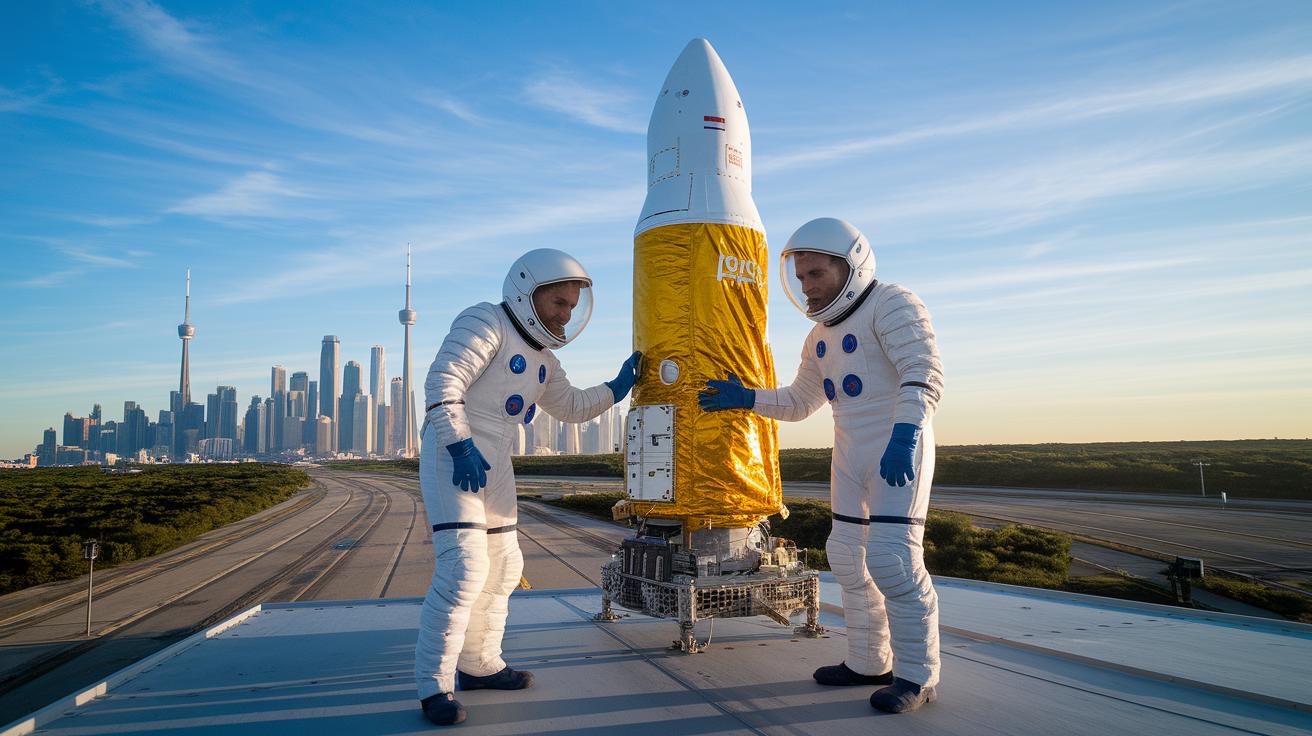
More than 4,900 companies around the world are diving into space exploration, creating a lively network of pioneers and commercial firms. Experts used data from 4.7 million up-and-coming companies to pick out the top players in orbital technology, focusing on those with solid innovation, key tech milestones, and a clear market impact.
The report looks at 16 standout firms for 2025, and we’ve zeroed in on the top 10 based on when they were founded and their main mission. These companies are known for pushing the limits of private space innovation and taking big leaps in global space ventures:
- SpaceX (2002) – reusable rockets
- Blue Origin (2000) – suborbital and lunar landers
- Virgin Galactic (2004) – space tourism
- United Launch Alliance (2006) – government launches
- Rocket Lab (2006) – small-sat launches
- Relativity Space (2015) – 3D-printed rockets
- Sierra Space (2021) – space habitats
- Axiom Space (2016) – commercial space station
- Intuitive Machines (2013) – lunar landers
- Redwire (2020) – in-orbit manufacturing
Together, these leaders remind us how smart, targeted innovation can reshape our abilities and drive new progress in space exploration.
space exploration companies drive stellar progress
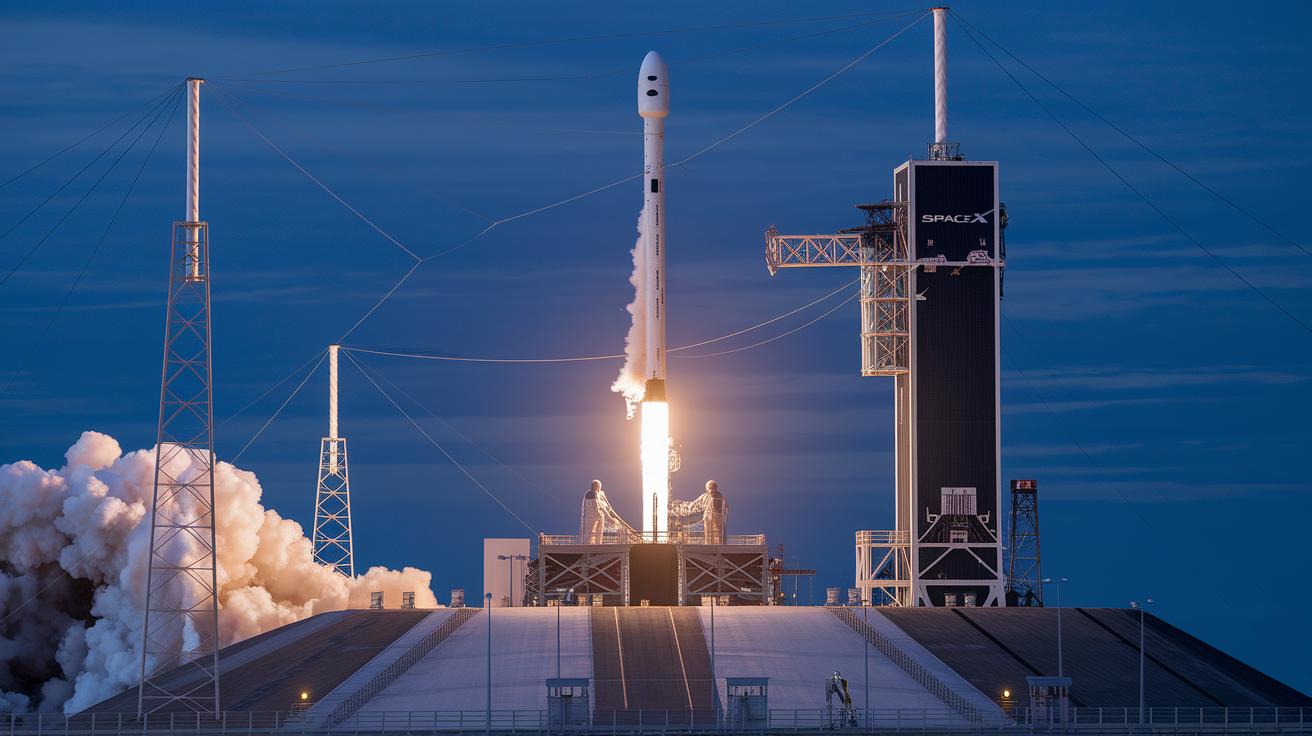
American space exploration has come a long way thanks to companies that push the limits of rocket technology. These trailblazers design rockets that not only support government projects but also win key contracts, fueling exciting missions and teaming up with groups like NASA.
SpaceX
SpaceX has really changed how we think about reaching space. Their Falcon 9 and Falcon Heavy rockets have opened up possibilities for longer trips to Mars through the Starship program. They’ve landed big contracts for NASA crewed and lunar missions. With fast turnarounds and flexible designs, SpaceX sets a new, high standard in the industry.
Blue Origin
Blue Origin started with the New Shepard, perfect for short suborbital trips, and is now moving forward with the heavy-lift New Glenn launcher. Their progress shows steady steps toward reaching farther into space. Recently, they received funding for a lunar lander via a NASA CLPS contract, marking their growing role in future space missions.
United Launch Alliance
United Launch Alliance, a joint effort by Boeing and Lockheed Martin, boasts a rich history with rockets like the Atlas V and Delta IV Heavy. They’re now developing the Vulcan Centaur, with each launch estimated at around $110 million. Serving both government and commercial needs, ULA’s proven track record keeps them at the forefront of U.S. space ventures.
| Vehicle Name | Year Introduced | Payload Capacity | Notable Contracts |
|---|---|---|---|
| Falcon 9 | 2010 | 22.8 tons | NASA Crew & Lunar |
| New Glenn | Upcoming | 13 tons | NASA CLPS |
| Vulcan Centaur | 2023 | 27 tons | Government/Commercial |
Emerging Private Space Exploration Companies
New space startups are shaking things up by being nimble and quick. They use fresh ideas and smart strategies that older companies haven’t yet caught onto. Out of over 900 contenders, many are putting their energy into new propulsion methods (systems that push rockets forward), better ways to communicate, and designing missions that cost less.
VXB Aerospace
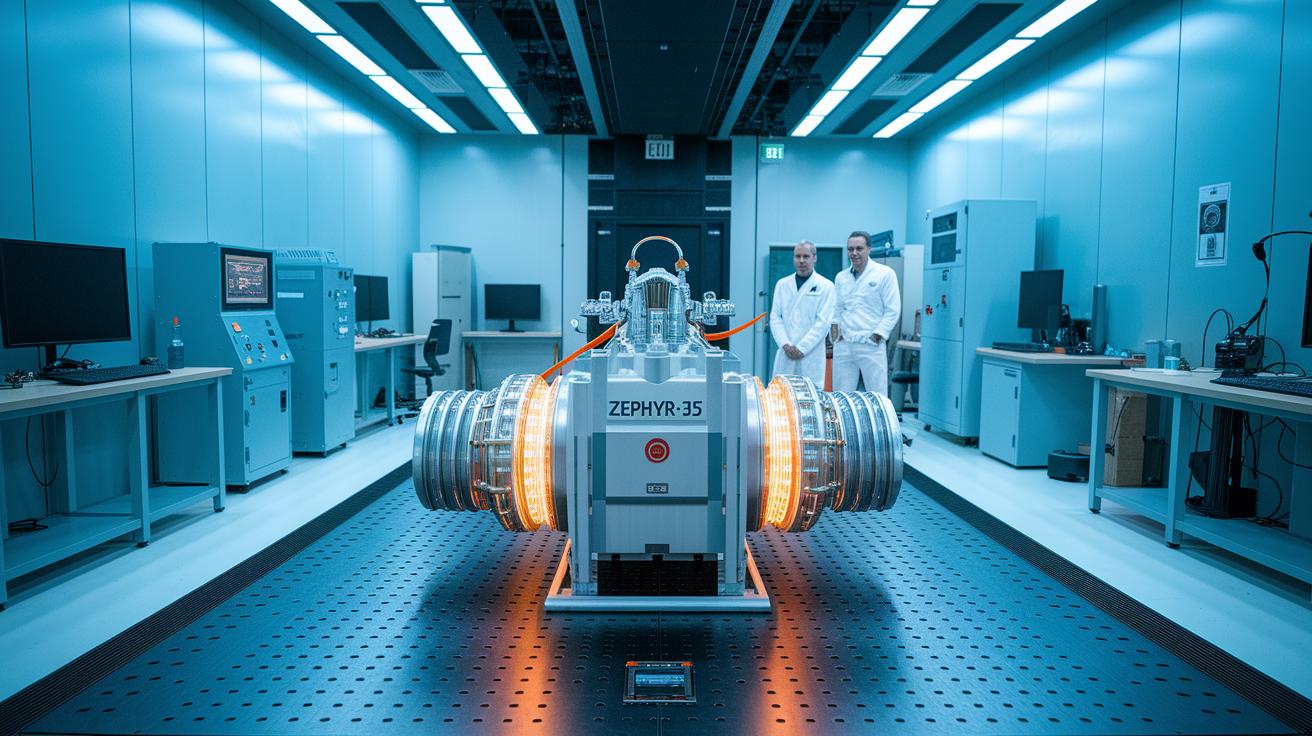
VXB Aerospace is turning heads with its ZEPHYR-35 thruster. This thruster runs on gases like Argon, Krypton, and Xenon and offers high power and the neat trick of refueling in space. In other words, it can keep a mission going longer while cutting costs, a real bonus for startups. Imagine a rocket that stops at a space “gas station” to refuel itself!
ORiS
ORiS gets noticed for its work on wireless power transmission and laser tools that clear space junk. These tricks are aimed at making lunar missions safer and smoother, handling issues like energy delivery and stray debris. Their work shows just how important it is to find clever, earth-friendly ways to work in space.
Cochrane Exploration
Cochrane Exploration is impressive with its direct-to-orbit vehicles, Lunar 1 and Terran 1. Using a mix of hybrid engines and aerospike rocket designs (engines that work more efficiently at different speeds), these vehicles offer a budget-friendly option for moving both cargo and people. Their big goal is to cut down space travel costs while expanding what missions can do.
WeSpace Technologies
WeSpace Technologies scores high with its “Very Strong” rating in signal strength. The company uses advanced robotics paired with modern design to get satellites off the ground and keep them moving smoothly in orbit. Think of it like a well-tuned engine where every part works perfectly for top performance.
Overall, these rising stars are signaling a major shift in how we explore space. Their smart, fast-moving approaches and creative tech developments point to an exciting future for space missions and how we talk to and move between satellites in the coming years.
Technological Innovations in Space Exploration Companies
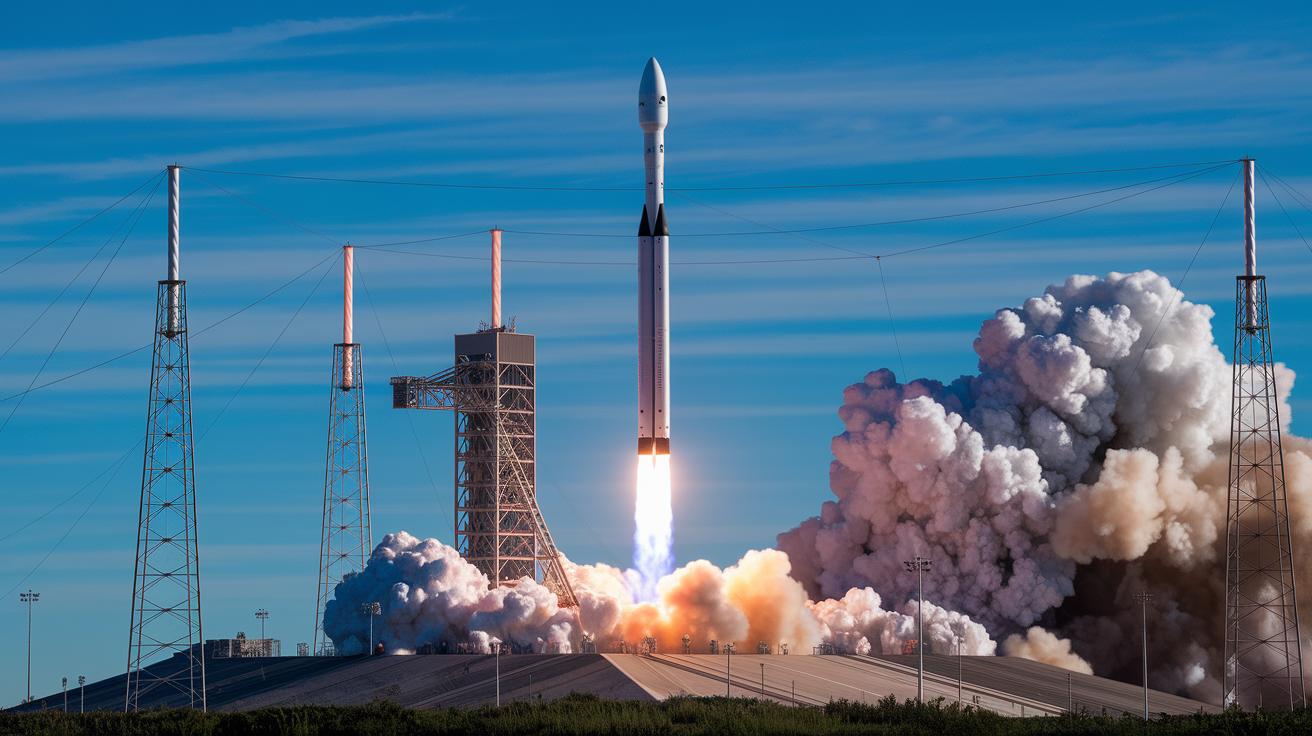
Reusable rockets have truly shaken up space travel by allowing parts of the rocket to be used again and again. Take SpaceX’s Falcon 9 – its first stage lands safely every time, cutting costs and making mission planning more flexible. It’s a lot like having a dependable car engine you can trust on every journey. Imagine the thrill when the rocket touches down, ready to fly off on its next adventure!
Then there are the cool advancements in cryogenic (super cold) and electric propulsion systems. These new thrusters improve fuel efficiency and even let spacecraft refuel or get serviced while in orbit. This upgrade is similar to boosting your smartphone’s battery so it lasts all day – it makes space missions run longer and smoother, saving both time and money.
AI is also making a big mark in how satellites are designed and managed. With smart automated processes, mission planning becomes faster and more efficient. A great example is the large network of satellites, like Starlink’s nearly 4,900 units that provide global broadband, while also handling tricky issues like managing space debris. This blend of artificial intelligence with solid hardware helps companies stay agile and keep costs low.
Market Trends and Investment in Space Exploration Companies

Space investment is booming, with over 4,900 companies now vying in multi-billion-dollar markets. Venture capital is pouring in, with funds jumping by 50% year-over-year in the first quarter of 2025. Recent events, like Rocket Lab’s 2020 IPO and several SPAC deals, have unlocked the cash needed to kickstart fresh, inventive projects. That surge in funding is driving exciting developments in launch systems, satellite tech, and even manufacturing in orbit (basically factories set up in space). Both private investors and big institutions are eagerly backing these projects, all hoping to snag the next big opportunity in space exploration.
Government deals are also playing a big part, now making up as much as 40% of the revenue for top firms. Companies that secure contracts from agencies like NASA and ESA are reshaping how they do business, which is helping them become more financially stable in a market that's always changing. This blend of public money and private innovation is speeding up design improvements, cutting mission costs, and fueling overall growth in the space industry. Investors and industry insiders are watching these trends closely because they signal a strong, competitive financial environment for space exploration companies. The outlook remains promising, and investors keep their eyes on the horizon.
Collaborative Programs Shaping Space Exploration Companies
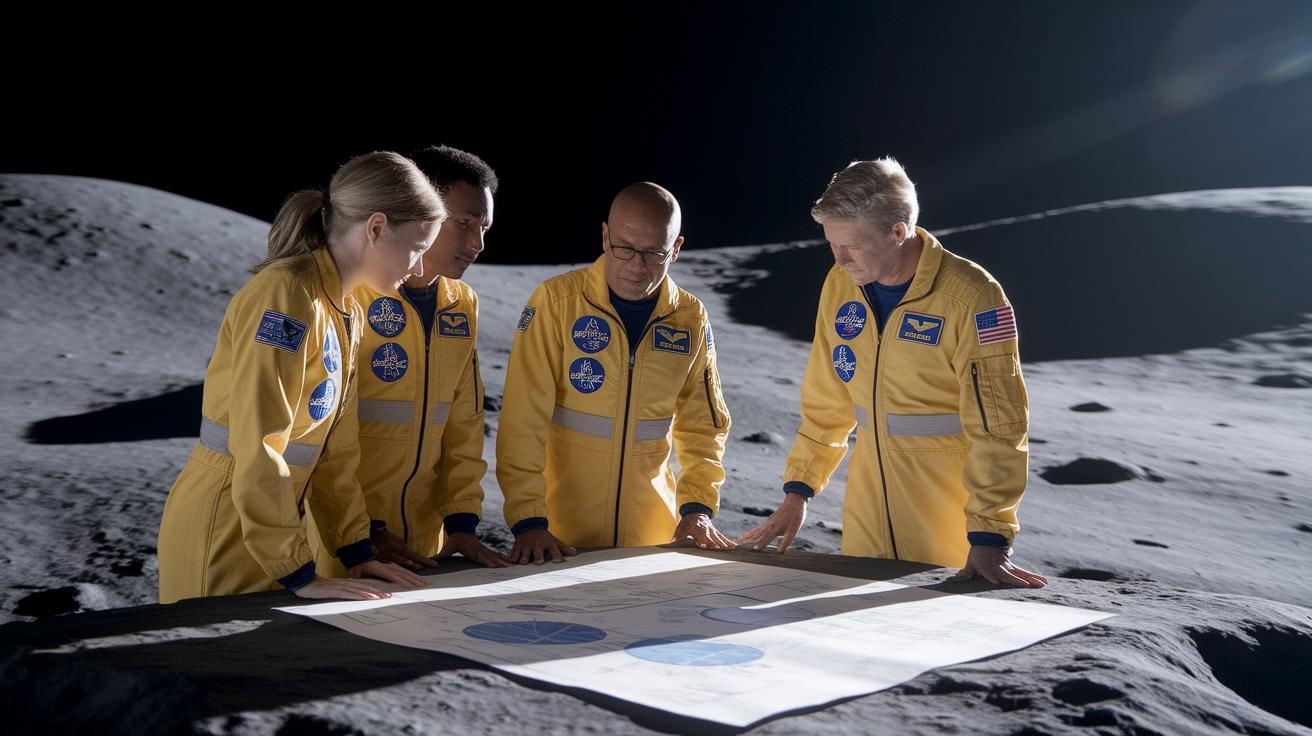
Government agencies play a huge role in helping private space companies make big leaps. For example, NASA’s Artemis program lends a hand to those developing lunar landers, while ESA teams up with The Exploration Company to create the Nyx lunar cargo capsule. CNSA is also stepping in with support for fresh, innovative systems. With these government-backed programs, companies get steady funding and can put all their energy into creating new technologies without always fretting about cash flow. Think back to the Apollo missions, they set a high bar for international teamwork and have influenced how funding and cooperation work today, paving the way for lasting success.
Across the globe, private firms are coming together to share ideas and boost tech research. Thanks to international groups focused on orbital science, experts from different countries merge their skills to spark new discoveries. For instance, a change in Chinese policy back in 2014 opened the door for companies like Galactic Energy, showing just how much of an impact new rules can have. Joint projects, such as ULA’s government-assisted launches and ESA missions managed by Arianespace, prove that working together across borders can simplify tricky space regulations. These partnerships tear down barriers, allow tech insights to flow freely, and build an environment where passionate space developers can truly shine, leading to exciting breakthroughs in our cosmic journey.
Future Outlook for Space Exploration Companies
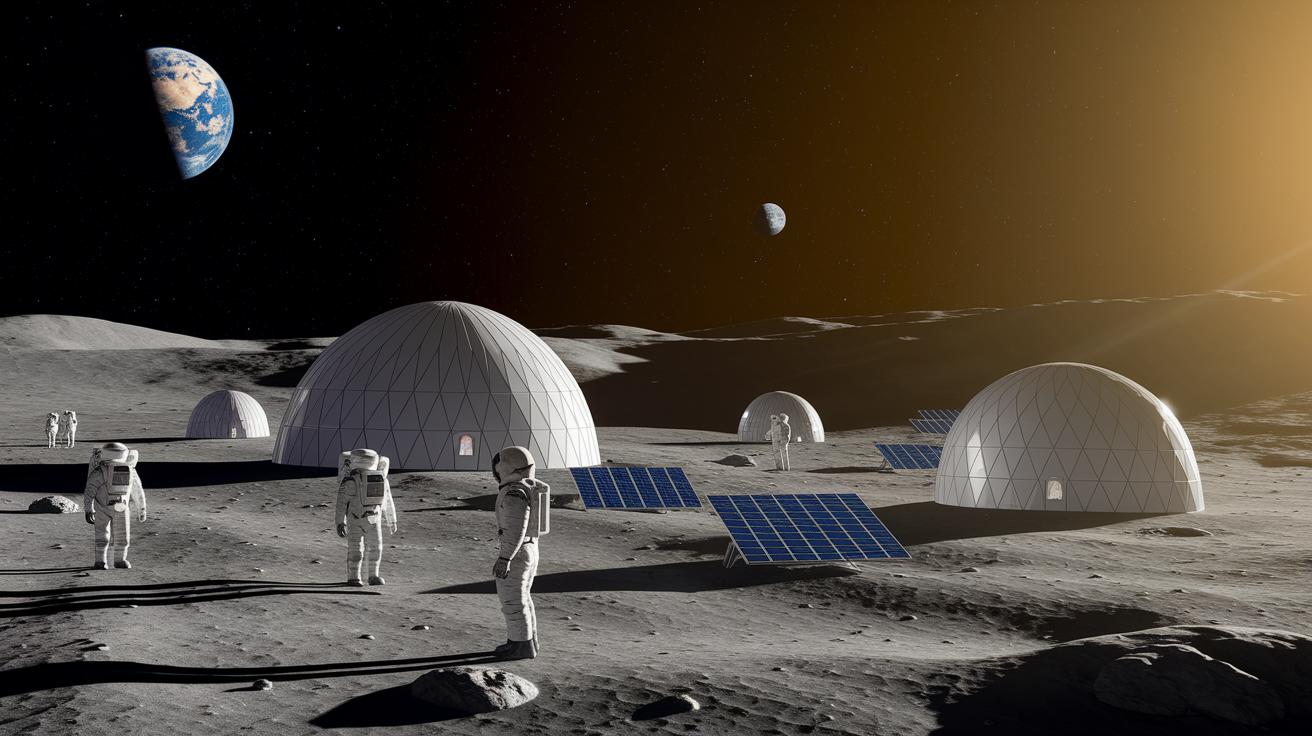
Looking forward, space companies have some really big plans. They’re setting their sights on lunar and deep-space missions that could totally change how we view the cosmos. Imagine ispace’s "Moon Valley" project, where a lively community might one day grow on the Moon, alongside Blue Origin’s innovative solar panels made from lunar dust (that’s the rock and soil on the Moon) for powering future bases.
There’s more exciting news too. Rocket Lab is gearing up to launch its Neutron rocket by the end of 2025, opening the door for a fresh burst of creativity and breakthrough ideas. At the same time, NASA’s Artemis program is aiming to take people into lunar orbit within a few years, setting the stage for long-term space exploration and even self-sustaining habitats on the Moon.
But wait, space isn’t just for scientists and astronauts anymore. Companies like Virgin Galactic and Blue Origin are expanding their suborbital flights, giving everyday people a chance to see Earth from space. This move toward space tourism is getting closer and more real every day. With plans targeting the 2030 era, there’s a strong focus on crafting sustainable mission plans and boosting investments in deep-space discovery. Ever thought about taking a vacation above Earth? These forward-thinking projects are working to turn space travel into a lasting, commercial reality.
Final Words
In the action, we examined top players in space exploration companies and emerging private firms driving exciting tech breakthroughs. The post explored how established names, innovative startups, advanced technologies, market dynamics, and global partnerships are shaping the industry.
Each section painted a clear picture of how traditional leaders and new contenders fuel progress. Together, these insights reaffirm that space exploration companies are propelling us toward a future filled with creative and accessible advances.
FAQ
What are some space exploration companies in the USA, including private ones?
The question about space exploration companies in the United States covers both established names like SpaceX and Blue Origin and several private firms driving new approaches to orbital missions and launch technologies.
Where can I find a list or stock information on space exploration companies?
The question about listing and stock data means that comprehensive directories feature leading firms along with market performance and investor details for both established and startup companies in space exploration.
Who are the leading space organizations and top space companies worldwide?
The question about top space organizations highlights leaders such as SpaceX, Blue Origin, Virgin Galactic, and others that are recognized globally for pioneering reusable launch systems and advancing orbital technologies.
Is there another company like SpaceX and is SpinLaunch still operating?
The question comparing alternatives to SpaceX reveals that while several firms pursue similar technologies, SpaceX remains a standout, and SpinLaunch’s current status reflects industry shifts and ongoing evaluations.
What updates do the Starship flight tests (3, 4, 5, 7, 8, and 10) provide?
The question about Starship flight tests indicates that each update delivers valuable insights into performance improvements, safety checks, and iterative design changes that are crucial for the future of deep-space missions.