


Have you ever thought about whether a machine might handle space risks better than a person? Robotics have stepped in to take on dangerous jobs so astronauts can stay safe while venturing into far-off worlds. These smart machines do more than just snap amazing photos, they also gather samples and repair equipment when needed. Their steady work helps us uncover the mysteries of distant planets and deepens our understanding of space. In this article, we explore how robotics have reshaped our approach to exploring the cosmos, making missions both safer and more effective.
Core Roles of Robotics in Space Exploration
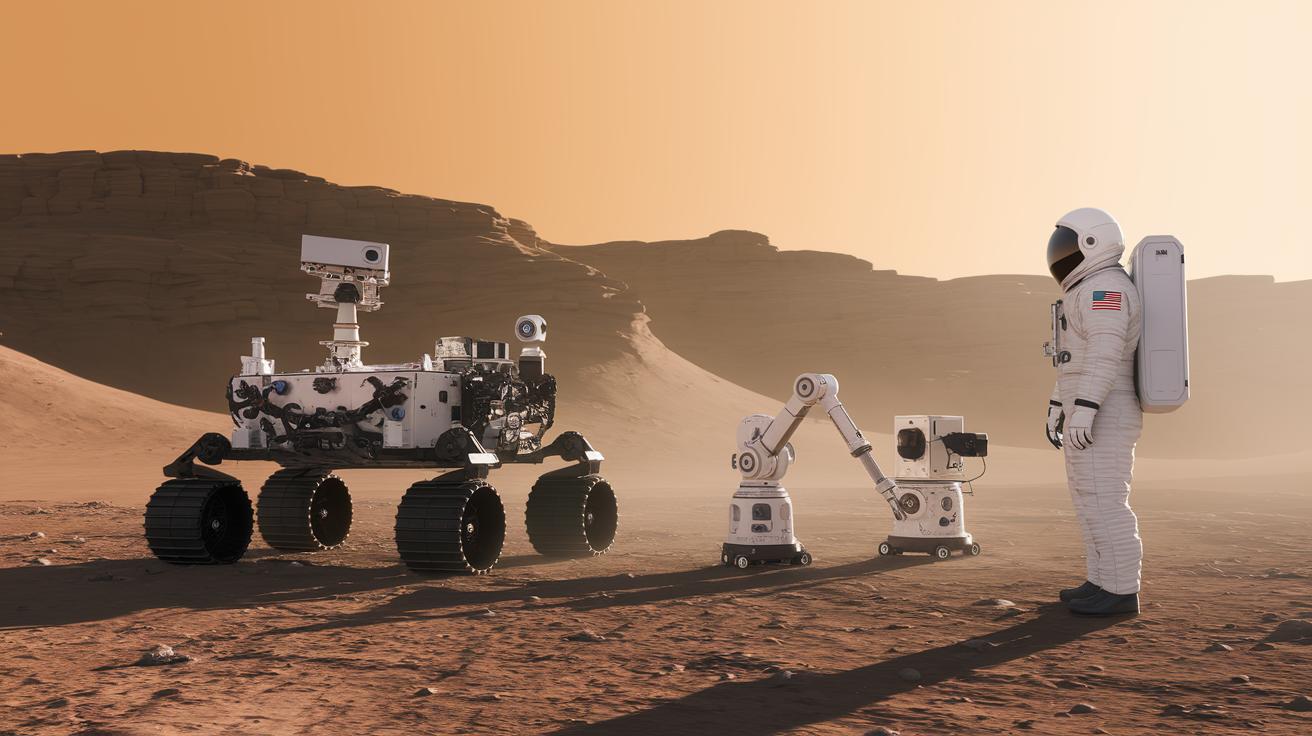
Robots play a quiet but powerful role in exploring space. They help us discover new worlds while keeping our brave astronauts safe. Think of them as our trusty sidekicks, doing the risky work so we don't have to. You can see them in many forms, rovers rolling across rocky surfaces, orbiters capturing detailed views, and even machines that help build habitats.
These mechanical helpers aren’t just about snapping pretty pictures. They gather soil and rock samples, and even check and fix equipment right there in space. This means that if something goes wrong, the robot can handle it without putting people in danger. Their careful work lets us see details like changes in temperature and special light signals (tiny pieces of information about a planet's surface) that are crucial for our understanding.
And really, it’s amazing to think about a robot working in conditions so extreme that even the most experienced human might struggle. With smarts that keep getting better, these robots are pushing the limits of what we can achieve in space. They map out new terrains, collect important samples, and keep our high-tech gear in great shape, making space missions both safer and more efficient for all of us.
Evolution of Robotics in Space Exploration
Back in 1957, Sputnik took off and kicked off our journey into space using machines. In its early days, these gadgets were pretty basic compared to today’s robots, but they gave us a hint that machines could work countless miles away from Earth.
Then, in 1997, the Mars Pathfinder mission rolled out a small rover named Sojourner. Imagine a tiny explorer carefully moving across a planet’s surface, gathering crucial data one step at a time. It was a big deal because it showed us that even small, mobile machines can achieve amazing tasks far from home.
Before that, in 1981, we saw the debut of Canadarm, the first orbital manipulator. This robotic arm did such a fantastic job that it paved the way for future systems like Spirit and Opportunity, which roamed Mars in 2003 taking photos and collecting environmental clues. And later, Canadarm2 joined the space station in 2001, making it easier for astronauts to assemble and maintain their orbiting workbench.
Each new wave of space robots has grown more independent, compact yet powerful, and packed with better sensors. Over time, they've become real trailblazers, steadily pushing the limits of what we can explore beyond Earth.
Robotic Rovers Driving Martian Discoveries
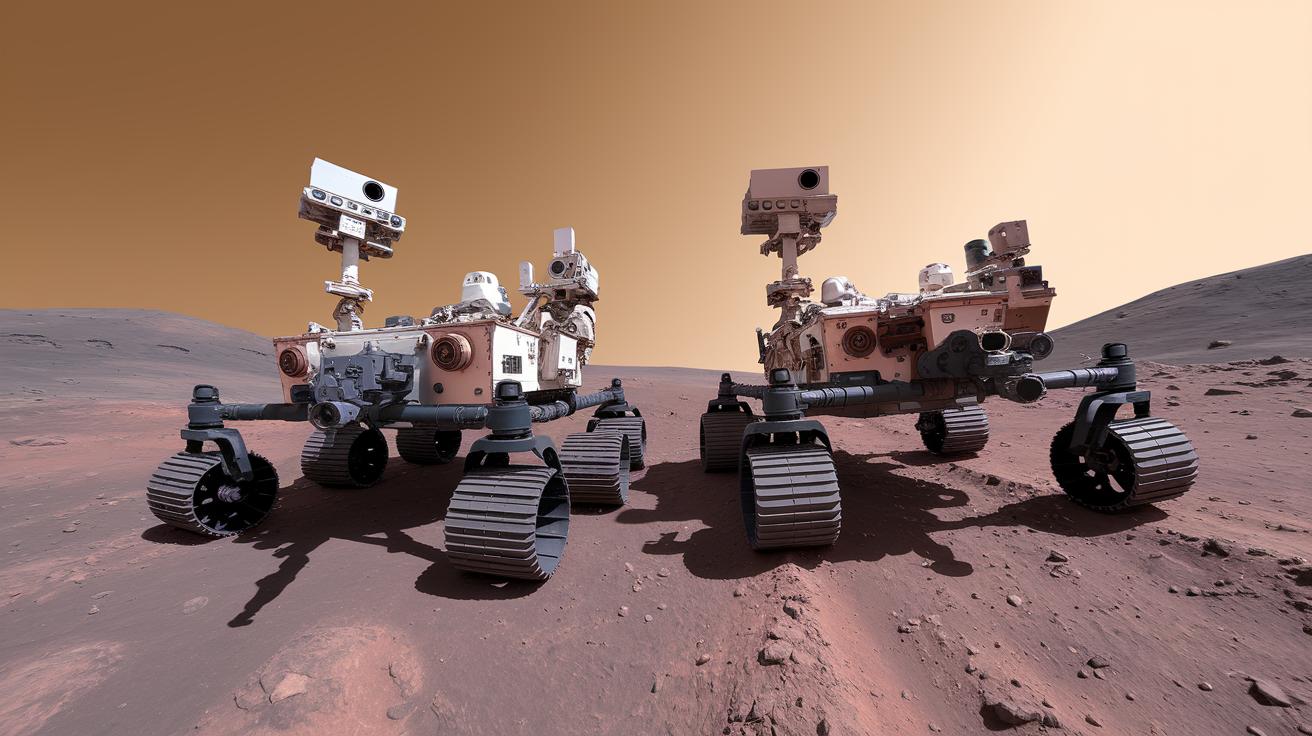
Curiosity landed on Mars back in 2012 and has been a real trailblazer ever since. With a powerful 2,000-W nuclear battery and a set of handy tools like cameras, spectrometers (instruments that analyze matter), and sensors, it’s been busy snapping pictures and studying soil. This steady stream of data is helping pave the way for even more daring space missions. If you’re curious to learn more, you can check out the NASA Mars Rover project page.
Then in 2021, Perseverance arrived and amped up the exploration with cool upgrades like a rock-drilling system and the SHERLOC spectrometer, which digs into Mars’ rock formations for hidden details. And coming up next is an electric lunar rover for the Artemis program. This new explorer will use modern tech such as lithium-ion batteries and autonomous navigation to handle rough, dusty terrain. These tough machines not only map the surfaces of other worlds but also gather vital information that deepens our understanding of the cosmos.
| Rover Name | Launch Year | Primary Instruments | Mission Duration |
|---|---|---|---|
| Curiosity | 2012 | Nuclear power, cameras, spectrometers | Ongoing |
| Perseverance | 2021 | Rock-drilling system, SHERLOC spectrometer | Ongoing |
| Electric Lunar Rover | Artemis Mission | Lithium-ion batteries, autonomous navigation | Planned |
Orbital and Lander Robotics in Space Exploration
Robotic Landers
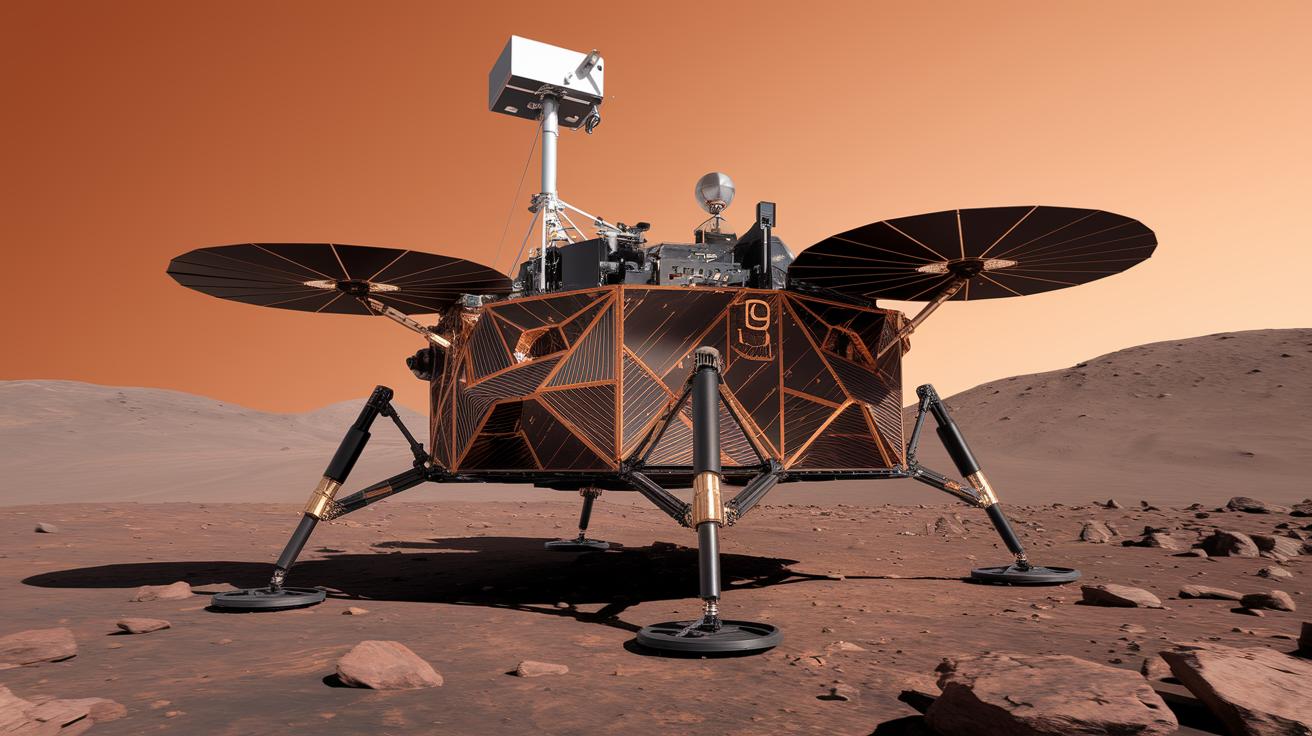
Robotic landers act like our on-the-ground scientists on other planets. They gently place sensitive tools directly onto a world’s surface. For example, the InSight lander landed on Mars in 2018 and set down a seismometer and heat probe. These instruments help record tiny tremors and shifts in temperature, giving us clues about what lies beneath the surface. Built tough yet careful with delicate samples, these machines study local soil and rock to help us understand a planet’s makeup and its geological past. Instruments like spectrometers (which identify materials) and temperature sensors work like mini mobile labs, offering real-time hints about ongoing surface processes.
Robotic Orbiters
Robotic orbiters work high above, offering a broad view of their target from space. The Mars Reconnaissance Orbiter (MRO), launched in 2005, uses HiRISE cameras to capture detailed pictures of Martian terrain. Along with its cameras, onboard spectrometers study minerals and weather patterns over large areas, which helps scientists piece together the big picture. Plus, orbiters serve as communication bridges, linking landers and rovers to mission control on Earth. The Lunar Reconnaissance Orbiter, which began exploring in 2009, uses laser altimetry (similar to using laser beams for measuring distance) to map out vast features on the Moon. Together, these orbiters combine clear images with thorough analysis and reliable data relays, ensuring scientists receive a steady stream of fresh insights from deep space.
Precision Maintenance with Robotic Manipulators
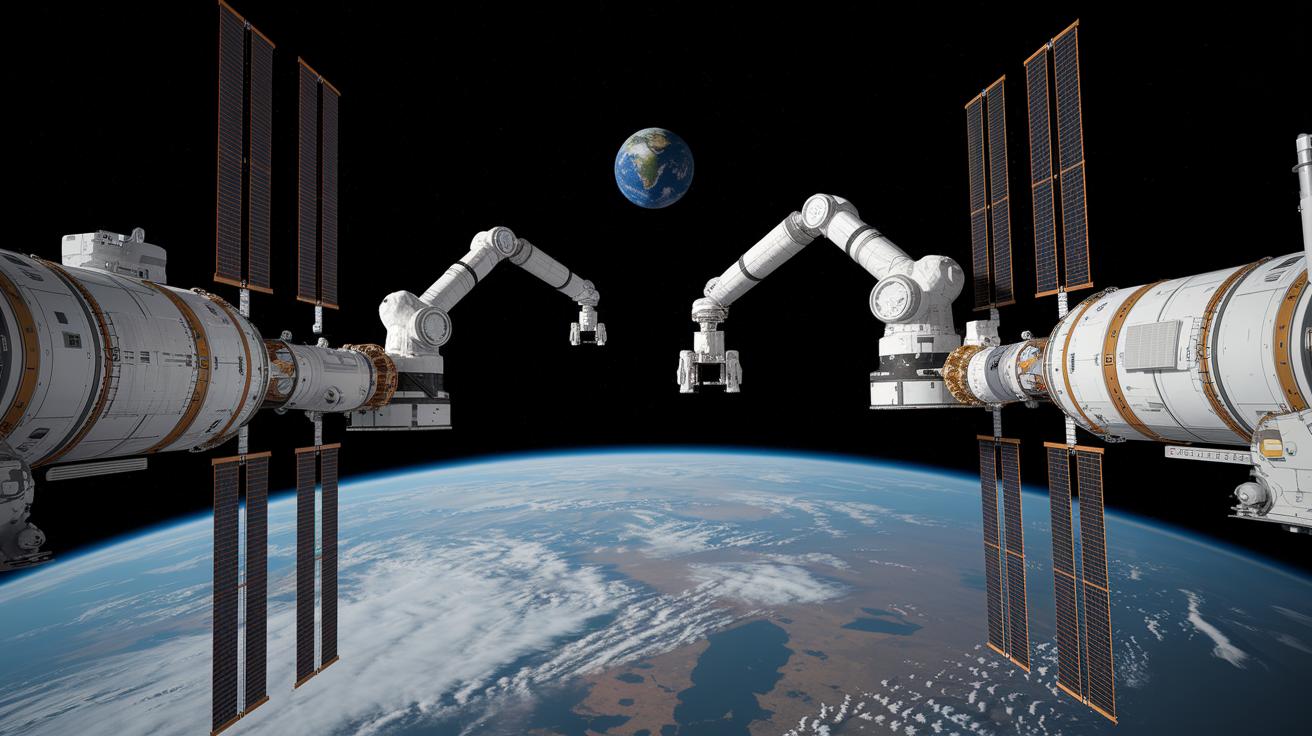
Robotic arms are the unsung heroes of the International Space Station. They take on tough jobs that would normally need risky spacewalks. Take the Canadarm2, for example, a 17-meter long arm fitted with LIDAR sensors (little devices that use light to measure distance). It glides smoothly along the station, carefully moving large modules and payloads. And then there's Dextre, which uses two flexible, seven-joint arms with tactile sensors to swap batteries and handle delicate repairs. Imagine a scenario where a crucial satellite needs a battery replacement; Dextre can do it efficiently, keeping the crew safe from the hazards of an EVA (spacewalk).
These smart machines play a key role in keeping our orbiting lab running perfectly. They ensure every piece of equipment functions as it should, all while being controlled remotely. But they don’t just swap out parts, they also help build and maintain the station, often making split-second decisions without needing much human input.
- External component replacement (like batteries and antennas)
- Structural assembly of modules and trusses
- Sample transfer and storage
- Setting up and retrieving experiments in space
Their work not only inspires fresh ideas for new missions but also helps create a safer and more reliable space environment for all our future explorations.
Case Studies: Advanced Extraterrestrial Robotic Systems
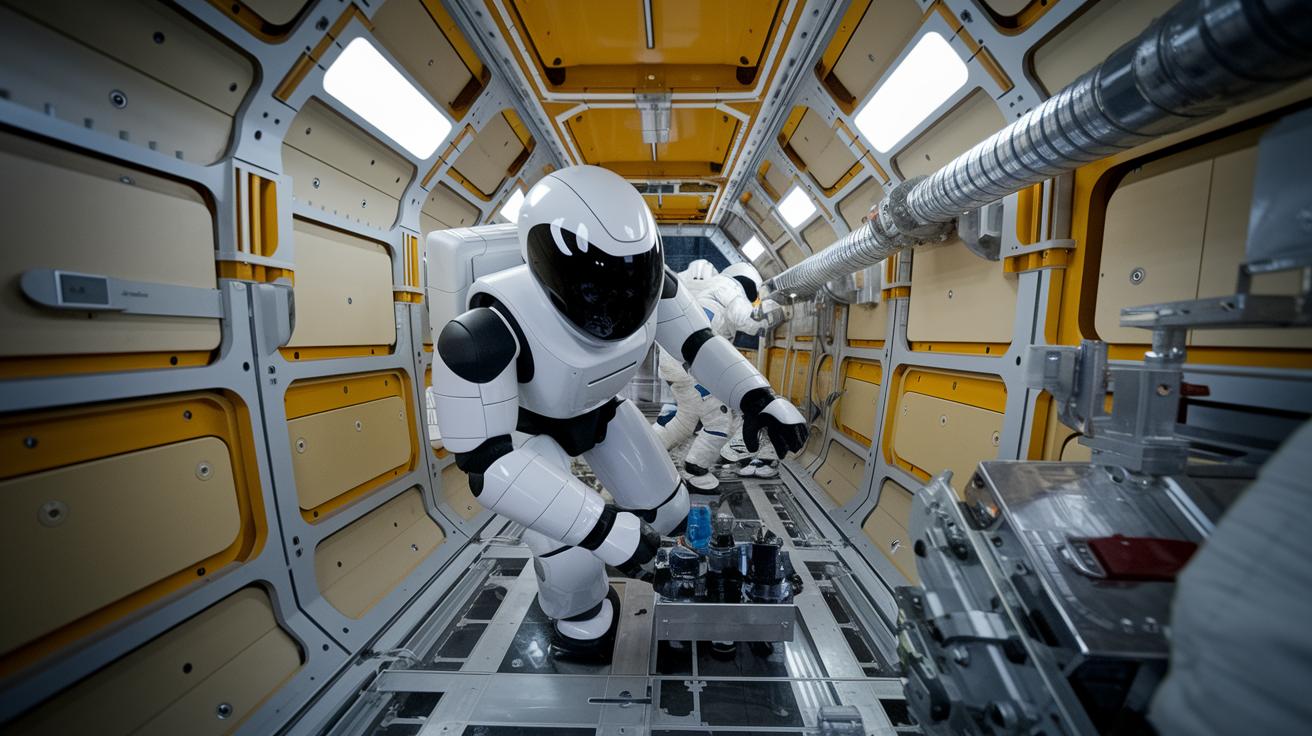
Robonaut2 made its debut at the ISS back in 2011, taking on delicate repairs and equipment assembly. With nimble hands, smart vision, and climbing legs, it handles tasks that would be too risky for humans.
Then there are the CADRE mini-rovers, a neat example of robotic teamwork. These small machines work together on lunar mapping missions, using stereo cameras and reliable sensors to capture detailed terrain data. Their connected smarts are opening fresh paths for exploring the Moon.
Next up, GLIMPSE switches things up with a quadrupedal design that looks a bit like a robo-dog. Built for polar rock analysis, it uses zoom-lens spectrometers (instruments that measure light in detail) to study the Moon’s south polar region accurately. In a similar vein, LASSIE boasts a tough, dog-like chassis with four sturdy metal legs that make it perfect for handling rough, uneven surfaces on both the Moon and Mars.
Valkyrie, also known as R5, is a humanoid robot with 44 ways to move, making it ideal for constructing habitats. Meanwhile, MIRA is a lightweight surgical assistant designed for in-flight medical procedures. ClearSpace-1, which sports four mechanical arms, is being developed to capture and safely bring down space debris. And then there’s EELS, a snake-like robot made to slither through challenging vent systems on Enceladus.
Altogether, these innovative systems prove that unique designs can meet unique challenges. They execute precise tasks in cramped spaces and brave harsh conditions. Their success is paving the way for versatile explorers on future missions and fueling exciting breakthroughs in space robotics.
Overcoming Challenges in Space Robotics Exploration
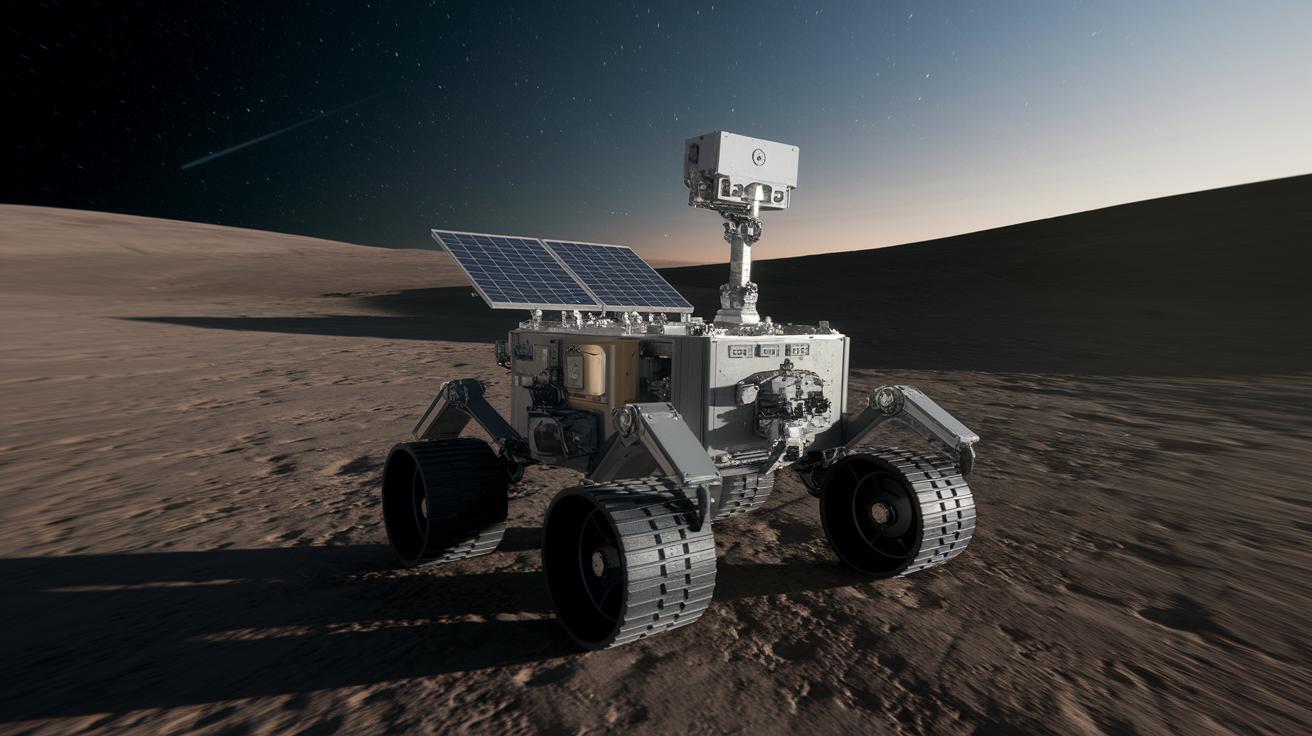
When we reach beyond Earth, it takes a mix of creative thinking and clever engineering. Robots working out in space face hurdles that test even our best technology. You might see delays of several minutes, even hours, when sending commands from Earth, so these robots need systems that can handle things on their own. On long trips through deep space, energy becomes a major worry since they depend on limited solar panels or special nuclear batteries, which can cut short a mission's life. And then there’s the wild environment: extreme temperatures and heavy radiation force us to build electronics that are tough and have backups ready to jump in when needed. Every piece of this high-tech gear gets put through its paces in vacuum rooms and thermal tests to make sure it can survive in space.
If we don’t sort out these tech issues, our plans for space exploration could hit a major roadblock. Engineers and researchers are always coming up with fresh ideas to keep missions safe and on track. Key issues include:
- Deep-space signal delays that call for smart, independent systems
- Limits on generating and storing energy
- Protecting parts from harsh heat and heavy radiation
- Ensuring machines work reliably for long times with built-in safety checks
Future Innovations in Robotics for Space Exploration
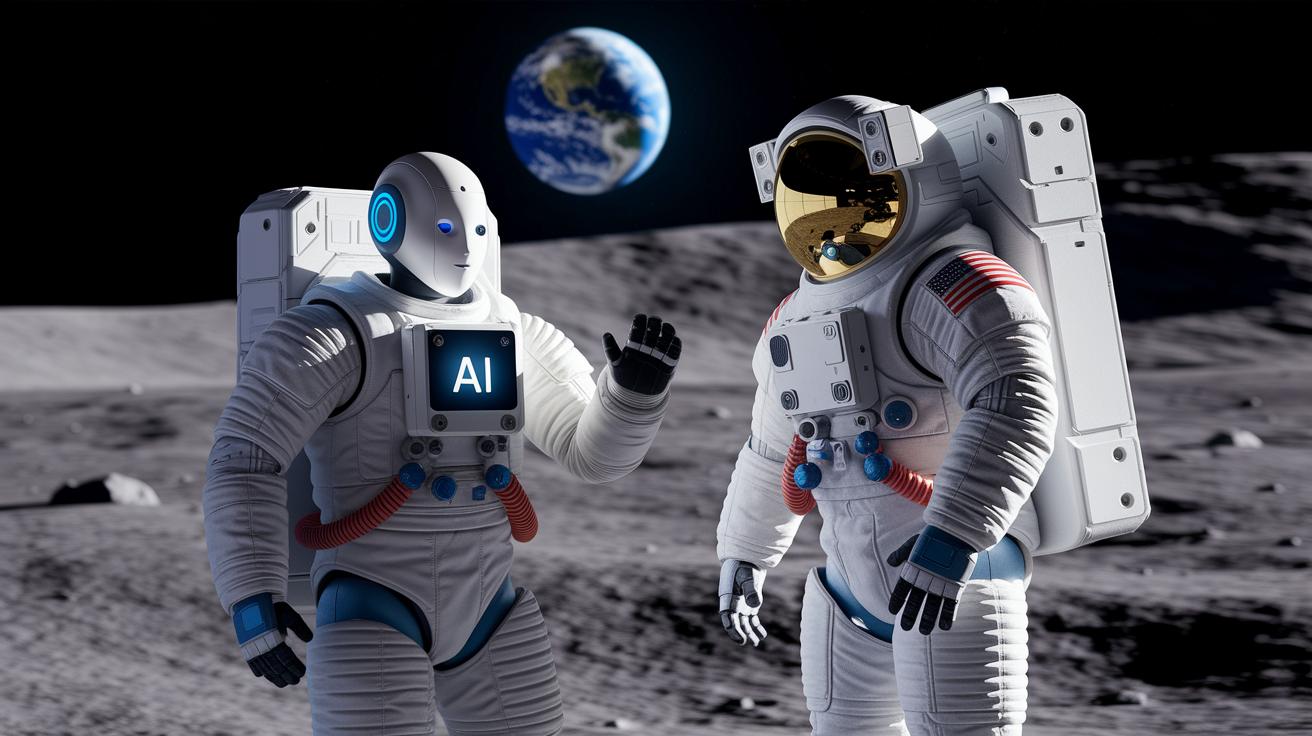
New robotic systems are gearing up to totally change our approach to space. Researchers are blending in machine learning (computers learning from data) so these robots can make decisions on the fly. Imagine a machine that feels its surroundings and adjusts its actions immediately, without waiting for commands from Earth. These smart helpers will take teamwork between humans and robots to a whole new level.
Soon, we’ll see humanoid robots managed by advanced AI handling tricky tasks and even lending a hand during spacewalks. These clever machines might build out habitats and fix equipment, keeping off-world projects running smoothly. They’ll use sensor fusion (mixing different sensor data) to create detailed, real-time maps of their environment. Picture putting together a puzzle where every piece fits instantly.
Digital twins and VR training simulations are about to become essential tools in mission planning. They let teams trial run how robots perform before sending them out into space. Think of it as a dress rehearsal that cuts down surprises during the real mission. And with ideas like robotic swarms, multiple bots can work together, chatting with one another to cover large areas of a planet easily.
Each of these breakthroughs is stretching the limits of what machines can handle in space’s extreme conditions. If you’re curious about new tech, check out the latest articles on robotics breakthroughs in science. As these innovations advance, they’ll make space missions safer and open up exciting new ways for us to explore the cosmos.
Final Words
In the action, we traced how robotic systems enhance safety and efficiency in space missions. From planetary rovers gathering vital data to orbital tools supporting maintenance and repairs, every example shows how robotics in space exploration drives scientific progress.
Our discussion covered milestones, current challenges, and future innovations, painting a vivid picture of how these machines advance our cosmic understanding. It’s inspiring to see technology push boundaries in ways that spark excitement for tomorrow’s discoveries.
FAQ
Q: What types of robotics are used in space exploration?
A: The types of robotics used in space include rovers, landers, orbiters, and robotic manipulators. These systems handle mapping, sample collection, repairs, and scientific research in remote, harsh environments.
Q: What are some examples of space robots and NASA space robots?
A: Space robots include NASA’s rovers like Curiosity and Perseverance, the Canadarm2 on the ISS, and humanoid robots such as Robonaut2. Each robot is designed to handle specific tasks safely in off-world conditions.
Q: What are the advantages and disadvantages of robotic space exploration?
A: Robotic space exploration offers cost-effective and safer alternatives to crewed missions by reducing human risk. Downsides include limitations in adaptive decision-making and challenges posed by remote and extreme operational conditions.
Q: What is the role of robotics in space exploration?
A: Robotics play a key role in space by collecting scientific data, performing repairs, mapping celestial bodies, and assembling modular components. They help accomplish tasks that are too dangerous or impractical for human crews.
Q: Does NASA use robotics in its missions?
A: NASA relies on robotics throughout its missions, employing rovers, orbiters, and robotic arms to conduct experiments, maintain spacecraft, and explore planetary surfaces, thereby enhancing mission safety and efficiency.
Q: What did Elon Musk say about robots?
A: Elon Musk has remarked that robots offer significant benefits for handling tasks in challenging space environments, especially for spacecraft assembly, while also warning that their autonomous functions require thoughtful oversight.
Q: What are the big 4 robotics in space exploration?
A: The big 4 robotics refer to rovers, landers, orbiters, and robotic manipulators. Each category specializes in handling unique tasks such as surface exploration, mapping, and performing maintenance or assembly operations.