


Have you ever thought that the little band on your wrist might do more than just show the time?
These wearable health sensors are changing the way we look after ourselves by sending important signals right from our bodies to our care teams.
It’s like having a mini bodyguard that spots early signs of trouble before you even notice anything is off.
In this post, we’ll chat about how this smart technology is pushing health innovation forward and making daily monitoring easier for everyone.
Real-Time Health Tracking with Wearable Medical Sensors
Wearable medical sensors are nifty little devices that keep track of your important health details every moment and send that info straight to healthcare providers. They monitor things like your heart rate, blood sugar, and other vital signals (those are the little clues your body gives about how you’re doing) so nothing important gets missed. This constant check-up helps doctors step in quickly if something changes. For instance, one study showed that wearable ECG patches picked up weird heart rhythms even before a person felt off, giving them a head start in handling any challenges.
Microfluidic adhesive patches go even further by studying your body’s markers right from your skin. Think of them like smart bandages that collect sweat and reveal insights about your internal chemistry on the spot. This clever approach means you might avoid some of those uncomfortable, more invasive tests, with your doctor getting real-time updates without all the fuss.
Wearable ECG gadgets come in many shapes and sizes, smartwatches, chest patches, or even traditional Holter monitors, and are built for long-distance heart monitoring. When paired with mobile apps, they can alert you about risks like early signs of a stroke. Similarly, continuous glucose monitors provide on-the-spot blood sugar readings, helping you manage diabetes more easily every day.
If you’re curious to learn more about how these sensors work and how they’re changing healthcare, check out wearable technology at https://fairlygreat.com?p=127.
Types of Wearable Medical Sensors: ECG Patches, Sweat-Analysis, Smart Fabrics

Have you ever wondered how these tiny devices help keep track of your health all day? Wearable sensors come in lots of forms, each designed to watch over your vital signs in a friendly, constant way. For a deeper dive into the different types, check out the medical device classification link here: medical device classification.
Take wearable ECG sensors, for example. You might see them as a smartwatch on your wrist, a patch on your chest, or even as the traditional Holter monitor that links with your phone. It’s like having a mini heart doctor that sends you an alert if it spots an unusual beat.
Then there are microfluidic sweat patches, a smart, mini bandage that does more than measure blood sugar. These patches can look at your sweat to gauge stress hormones, proteins, hormones related to reproduction, and even uric acid. Imagine a small sticker that chats with you about your body’s stress levels and energy balance, making it a great buddy for anyone managing diabetes or dealing with chronic stress.
Smart fabrics take it a step further by weaving tiny sensors right into your clothes. Picture your favorite t-shirt gently tracking your movement and vital signs throughout the day, almost as if it’s a friendly nudge reminding you how much you’ve been active.
Lastly, ultra-thin epidermal patches stick right to your skin, offering almost instant alerts to your healthcare team. Looking ahead, there are even plans for super-miniaturized biosensors, tiny chips as small as 2 mm² that could one day work just below your skin to monitor your health continuously and comfortably.
Technical Specifications for Wearable Medical Sensors Performance
Wearable medical sensors are getting a whole lot better. Imagine a sensor that powers itself using the energy from your sweat, thanks to lactic acid–based energy harvesting. This means you don’t have to keep swapping out batteries, making it super convenient for everyday use.
These sensors pack in a lot of tech in a tiny area, about 2 mm². They can detect several health markers at once and still stay small and light. Plus, they use continuous AI (smart computer analysis) to polish up ECG readings by filtering out unwanted noise. With built-in calibration methods that keep accuracy within ±5% of traditional lab tests, these sensors are reliable whether you're at home or in a clinic.
Connectivity is another win here. With Bluetooth Low Energy and Wi-Fi, these sensors send data safely to health record systems, which means doctors can watch your health in real time. All in all, improvements in sensor calibration, power efficiency, and wireless connections make these devices a big step forward in using wearable tech for better health management.
Integrating Wearable Medical Sensors into Healthcare Systems

Wearable medical sensors help bring the data about your health right into the hands of your doctor. They track everyday details like your heartbeat, steps, sleep quality, and even your blood sugar levels, then send that info straight to your electronic health records (digital files that store your health data). It’s a bit like having a constant check-up, giving your doctor a live look at what’s happening with your body. Have you ever thought about how a tiny sensor noticing a small dip in your sleep quality can quickly alert your care team?
These sensors also make remote doctor visits much simpler. They send live updates of your vital signs, so your doctor can see how you’re doing even if you’re not in the office. Picture this: if your blood pressure starts to creep up, the sensor instantly flags it, and your healthcare provider can call you before things get worse. Plus, smart computer programs (AI-driven predictive analysis, which means computers that learn to spot problems early) go through all this data to catch signs that might prevent hospital stays by catching issues early.
Cloud-connected sensor systems add another level of ease. They automatically refresh your health record and even help with checking up on you from afar, letting medical teams work together and handle urgent cases quickly. With automated reports keeping everyone in the loop, chances are you’ll see fewer breaks in your care and less paperwork overall. For instance, when the sensor data meets certain health markers, alerts go off right away for the healthcare team, kind of like an automatic alarm system for your wellbeing.
Clinical and Consumer Applications of Wearable Medical Sensors
Wearable devices have come a long way and are now part of our everyday lives. They're not just for keeping an eye on blood sugar or heart rhythms, they're opening up a whole world of personal health insights.
- Continuous glucose monitors make it easier for people with diabetes by offering quick, real-time blood sugar checks.
- Wearable ECG devices let you track your heart's rhythm on a regular basis without needing extra gadgets.
- Biosensors that measure cortisol levels give you a glimpse into your stress levels. Imagine your device gently alerting you, "Hey, your stress spiked this afternoon, maybe take a break."
- Fitness trackers record everyday data like steps taken and hours slept, helping you keep tabs on your overall wellness.
- AI-powered robotic prostheses adjust how they move in real time. Picture a prosthetic that senses changes in the ground and automatically tweaks its action, making movement feel more natural.
In short, these innovative sensors are breaking out of their traditional roles, offering benefits in areas like stress management and adaptive mobility that you might not have expected.
Emerging Innovations Shaping the Future of Wearable Medical Sensors
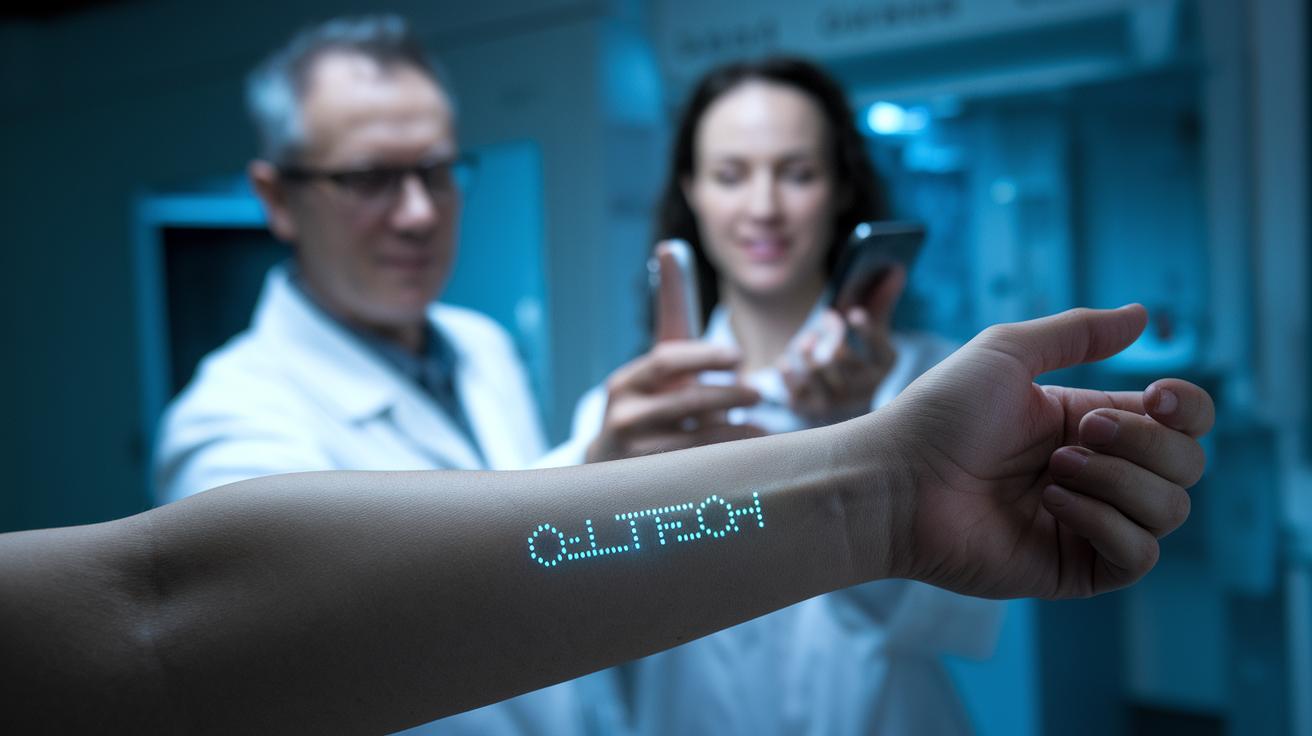
Caltech is shaking up health monitoring with its tiny, noninvasive sweat sensors. These little gadgets pack a powerful punch with a 2 mm² chip that keeps track of important markers like blood sugar, cortisol, and inflammation-related proteins, all without even pricking your skin. It’s like wearing a second skin that quietly collects health clues all day long, saving you the hassle (and discomfort) of needles.
Researchers are even exploring ways to power these sensors using lactic acid from sweat. Imagine if your sensor could run just off the very sweat it monitors, no batteries to worry about and no need to stop and recharge. It sounds a bit like magic, doesn’t it?
There’s also cool progress in using nature to inspire tech. Scientists have developed polymers from plant pectin (a kind of sugar found in fruits) that can sense changes in temperature and humidity. It’s a simple nod to how plants adjust to their surroundings, showing us that sometimes nature has the best answers.
On top of that, hyper-personalized AI algorithms are stepping in to analyze your unique health data. They pick up on tiny shifts in your biomarkers and offer advice that feels tailor-made just for you. Have you ever wished your tech could understand you on a personal level? Now it almost can.
Overall, this blend of innovative research not only improves the way we monitor our health but also shifts our focus to living healthier lives, boosting not just our lifespan but our quality of life.
Market Landscape: Key Players in Wearable Medical Sensors
The wearable medical sensors scene is growing quickly, thanks to both longtime makers and fresh, creative startups. They’re cooking up gadgets that range from heart-monitoring patches to devices that keep an eye on your blood sugar. These clever tools serve everyone, from everyday folks tracking their health to clinics needing reliable data. It’s neat to see how Silvertree’s heart patches and Apple’s smart watches are turning old-school monitors into stylish everyday wearables.
Then you have companies like Sleep Doctor and Owlet Baby Care, which focus on very specific needs like sleep tracking and baby care. And there are future-forward brands such as Motiv, whose ring biosensors bring a whole new twist to clinical tools. Together, these players are blending cool tech with healthcare to help doctors and patients stay connected in real time. It’s a win-win: better tech means easier ways to manage and monitor health wherever you are.
| Company | Headquarters | Primary Sensor Application |
|---|---|---|
| Silvertree | Cambridge, MA | ECG patches |
| Garmin | Olathe, KS | Multisport wearables |
| Sleep Doctor | Seattle, WA | Sleep monitors |
| Withings | Cambridge, MA | Hybrid smartwatches |
| Motiv | San Francisco, CA | Ring biosensors |
| Ava Women | San Francisco, CA | Fertility bracelets |
| Jabra Hearing | New York, NY | Hearing-assist wearables |
| Apple | Cupertino, CA | ECG-enabled watches |
| AliveCor | Mountain View, CA | Mobile ECG |
| Fitbit | San Francisco, CA | Fitness trackers |
| PatientPoint | Cincinnati, OH | Clinical communication |
| Owlet Baby Care | Lehi, UT | Neonatal sensors |
| Abbott | Chicago, IL | CGM systems |
| Prolaio | Chicago, IL | Remote-monitoring patches |
Final Words
In the action of merging breakthrough sensor designs with real-time diagnostic tools, this article uncovered how wearable medical sensors help capture vital signs, from ECG patches to glucose monitors. We broke down different sensor types, explained their technical specs, and showed their role in connecting patients with digital healthcare. Each example reflects the growing trend of non-invasive health tracking. Future advances promise even smarter solutions for wellness monitoring, paving the way for more proactive, streamlined patient care.
FAQ
What are some examples of wearable medical sensors and health monitoring devices?
The examples include ECG smartwatches, continuous glucose monitors, microfluidic sweat patches, chest patches, and Holter monitors. These devices track vital signs and biomarkers, providing continuous, non-invasive health insights in real time.
What are some of the top wearable health devices?
The top wearable health devices often feature ECG-enabled smartwatches, fitness trackers, and continuous glucose monitors. They deliver real-time data that helps users monitor heart function, activity levels, and manage chronic conditions effectively.
What benefits do wearable sensors provide for health?
The wearable sensors offer continuous health monitoring, early warning alerts, and remote tracking that support personalized care and proactive management of chronic conditions. They also reduce observation gaps and help clinicians intervene promptly.
What is the best wearable device to monitor health?
The best wearable device depends on personal needs, but many favor ECG-enabled smartwatches or continuous glucose monitors for their ease of use and reliable, real-time tracking of vital health data.
Where can I find detailed information on wearable technology in healthcare?
Detailed insights on wearable technology in healthcare are available in scholarly articles and industry reviews, which cover sensor innovations, device performance, and clinical integrations that improve patient monitoring and care.