


Ever thought that everyday items might help fight cancer? New research is showing treatments that actually work better than ever. One study found that a simple cup of navy beans could boost your immune health (your body's natural defense system). Meanwhile, scientists are trying out vaccines and personalized treatments to lower the risk of cancer coming back.
Researchers are also taking a closer look at lung cells and testing promising new drugs for leukemia. Each discovery is a small step toward making cancer easier to manage. Keep reading to see how these breakthroughs could really change the way we care for cancer.
Leading Cancer Research Science Breakthroughs of 2023–2024
Here’s a friendly look at some of the most promising new cancer studies and early research findings set to change how we fight the disease. For more details, check out our coverage on breakthroughs in medical science.
- In the BE GONE trial, just one cup of white navy beans seemed to boost gut health and help balance the immune system in people who had survived colorectal cancer.
- A combination of olaparib and durvalumab lowered the risk of cancer getting worse or causing death in endometrial cancer patients compared to regular chemotherapy.
- Early phase studies with menin inhibitors have shown hopeful signs for patients with hard-to-treat acute myeloid leukemia (AML).
- The ELI-002 KRAS vaccine sparked an 84% T cell response and managed to cut the chances of relapse or death by 86%.
- Researchers created a detailed map of 250,000 lung epithelial cells to help pinpoint how early lung adenocarcinoma develops.
- Saruparib showed signs of effectiveness in breast cancers that are HRR-deficient (where DNA repair is weak).
- Giving perioperative nivolumab (just before or after surgery) reduced the risk of disease progression by 42% in patients with operable non-small cell lung cancer (NSCLC).
- When comparing treatments, the IMPT kept up with IMRT but did a better job at reducing malnutrition.
- Using both GPX4 and PARP blockers together helped overcome resistance in cancers lacking the BRCA1 gene.
- CAR NK cells with added CD28 support stepped up their fight against tumors in new research.
- Lastly, adjusting IL-17 levels changed the gut microbiome in a way that could be reversed with antibiotics.
Each of these breakthroughs is a small step toward more effective cancer therapies. Isn’t it amazing to see how everyday elements, like a humble cup of beans, can potentially have a big impact on health?
Cancer Research Science Breakthroughs in Genomic Sequencing and Personalized Medicine
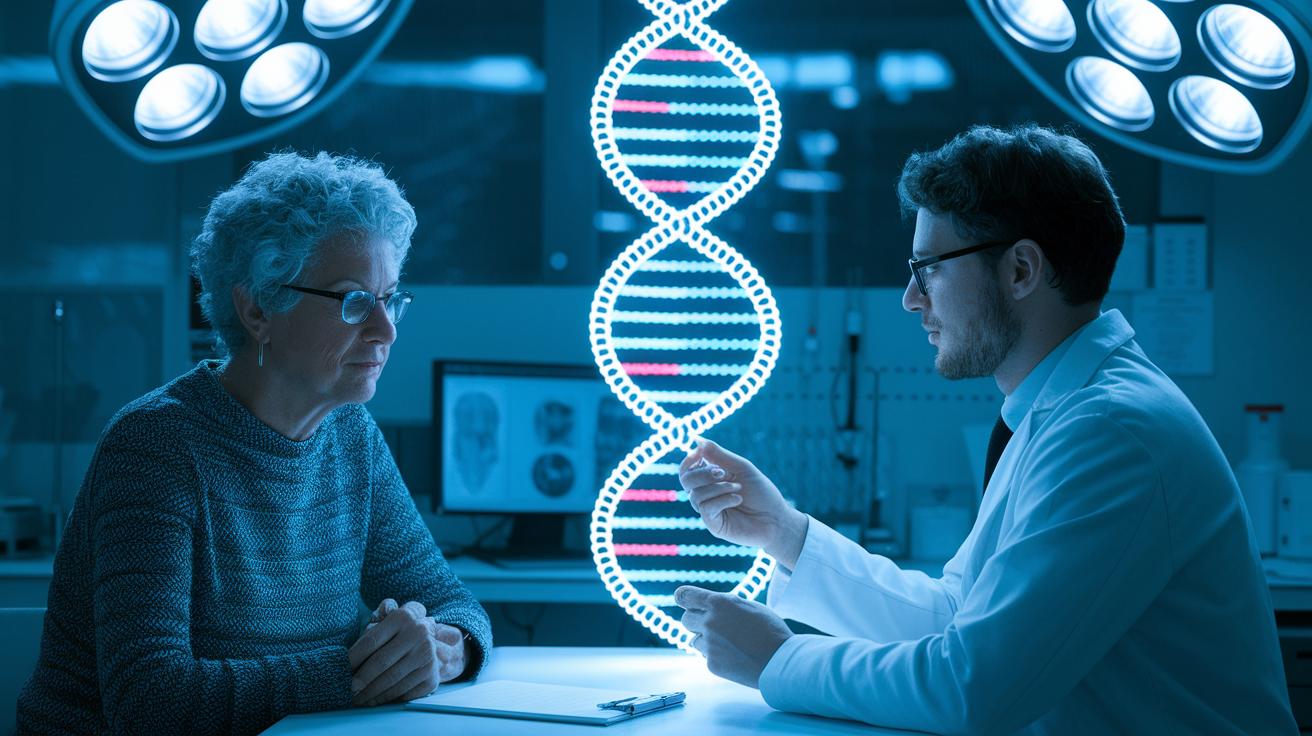
Recent strides in gene sequencing are changing how we treat cancer by offering a fuller picture of what tumors are doing. Studies that looked at lung cell types and mutation patterns in immunotherapy trials show us that cancer isn’t one-size-fits-all, it’s more like a puzzle that shifts and changes, needing tailored solutions.
By gathering huge amounts of gene information, doctors can track how tumors evolve not only when they're found but all through a patient's journey. Think about it like this: some tumors can rearrange their genetic code almost in real time, which means doctors have to keep up and adjust treatments quickly. This kind of insight paves the way for flexible therapies that match the unique genetic setup of each tumor.
Mixing mutation maps with studies of gene activity, researchers are building detailed databases to create treatment plans that move with the cancer. These new approaches might even lead to early detection tools that dig deeper than static markers, always adapting to each patient’s genetic story.
| Key Focus | Implication |
|---|---|
| Comprehensive Genomic Profiles | Dynamic treatment adaptations that evolve with tumor changes |
| Mutation and Gene Expression Mapping | Enhanced early detection and patient-specific therapy design |
Scientists are now weaving together findings from single-cell maps and advanced mutation studies. All this work points toward cancer treatments that are as adaptable and ever-changing as the disease itself.
Cancer Research Science Breakthroughs in Targeted Therapies and Inhibitor Studies
Today, we’re taking a closer look at exciting new progress in cancer research that blends past breakthroughs with fresh trial details. These updated insights help us see how targeted treatments can better tackle cancer.
The combo of olaparib (a drug that stops cancer cells from fixing their DNA) and durvalumab (a treatment that helps the immune system spot trouble) is being tried for endometrial cancer. Early studies have already surprised us by showing that this pair can weaken a tumor’s repair system and signal the immune cells to attack. New Phase II trials are now checking just how well this team gets the job done.
Menin inhibitors also show a lot of promise for treating acute myeloid leukemia. These drugs work by blocking a protein that cancer cells need to grow, kind of like stopping an important signal at a busy construction site. Phase I/I and II trials are exploring how these inhibitors can disrupt the communication (cell signals that tell cells to multiply) fueling cancer, while keeping an eye on any signs that the cancer might resist the treatment.
Saruparib is another innovative treatment being tested in the PETRA trial for HRR-deficient breast cancer, which means the cancer cells already struggle with DNA repair. Think of saruparib as targeting the weakest link in a chain, the drug zeroes in on a key repair protein called PARP1 (an enzyme that helps fix damaged DNA). This approach shows how matching treatments to a tumor’s unique problems can strike hard at the cancer while leaving healthy cells mostly unharmed.
| Agent Combination/Type | Indication | Trial Details |
|---|---|---|
| Olaparib + Durvalumab | Endometrial Cancer | Phase II trials focus on blocking DNA repair and boosting immune response |
| Menin Inhibitors | Acute Myeloid Leukemia | Phase I/I & II studies looking at how cell signals are interrupted |
| Saruparib | HRR-deficient Breast Cancer | Phase I/II PETRA trial exploring precise targeting of PARP1 |
Experts believe that adding clear trial details and explanations of how these drugs work makes it easier for everyone to understand these new, targeted approaches without just rehashing old success stories.
Cancer Research Science Breakthroughs in Immunotherapy and Cellular Treatments

Immunotherapy is shaking up cancer treatment by tapping into our own body defenses. Researchers are finding clever ways to guide T cells, which are like tiny soldiers, right toward tumor cells. For example, some new treatments connect T cells directly to tumors, helping the body fight cancer more naturally and safely.
Scientists are also fine-tuning cell treatments that mix fresh design ideas with real patient benefits. One cool breakthrough involves CAR NK cells that, when given extra support (known as CD28 costimulation), stick around longer and fight tumors more effectively. This shows that pairing our natural immune strength with smart engineering can help overcome challenges like cancer cells becoming resistant or treatments not lasting long enough.
Safety and making these treatments easy to share in clinics are big priorities. Experts think that using these immune-based strategies could lead to more flexible plans tailored to each patient’s unique needs. Also, combining these ideas with other tactics like immune checkpoint modulation (a method to boost the immune response) or oncolytic viruses (viruses that target cancer cells) might offer a multi-angle approach that simplifies treatment plans for more patients.
As researchers keep improving these therapies, their goal isn’t just impressive lab results, it’s making sure the treatments are safe, sustainable, and ready to help real patients in the real world.
Cancer Research Science Breakthroughs in Radiotherapy and Radioimmunotherapy Techniques
Recent studies on head and neck cancer have shown some cool, safer treatments that use proton therapy in fresh ways. Instead of the older radiation methods, these new techniques, like intensity-modulated proton therapy (IMPT), help lessen side effects. For example, patients in one study lost less weight and needed fewer feeding tubes, which means they stayed healthier overall.
This new approach is all about reducing harm while still keeping cancer under tight control. There are a few practical challenges, like higher costs for equipment and extra staff training in these newer methods. But as more centers adopt these techniques, many believe that patients will enjoy treatments that are both effective and much gentler on the body.
Radioimmunotherapy is also stepping up in a big way. Its progress isn’t just measured by keeping cancer at bay; it’s about preserving how patients feel and function as they go through treatment. With these promising advances in proton therapy, we might soon see these methods become more common and affordable in clinics.
Cancer Research Science Breakthroughs Targeting Tumor Microenvironment and Metabolic Pathways
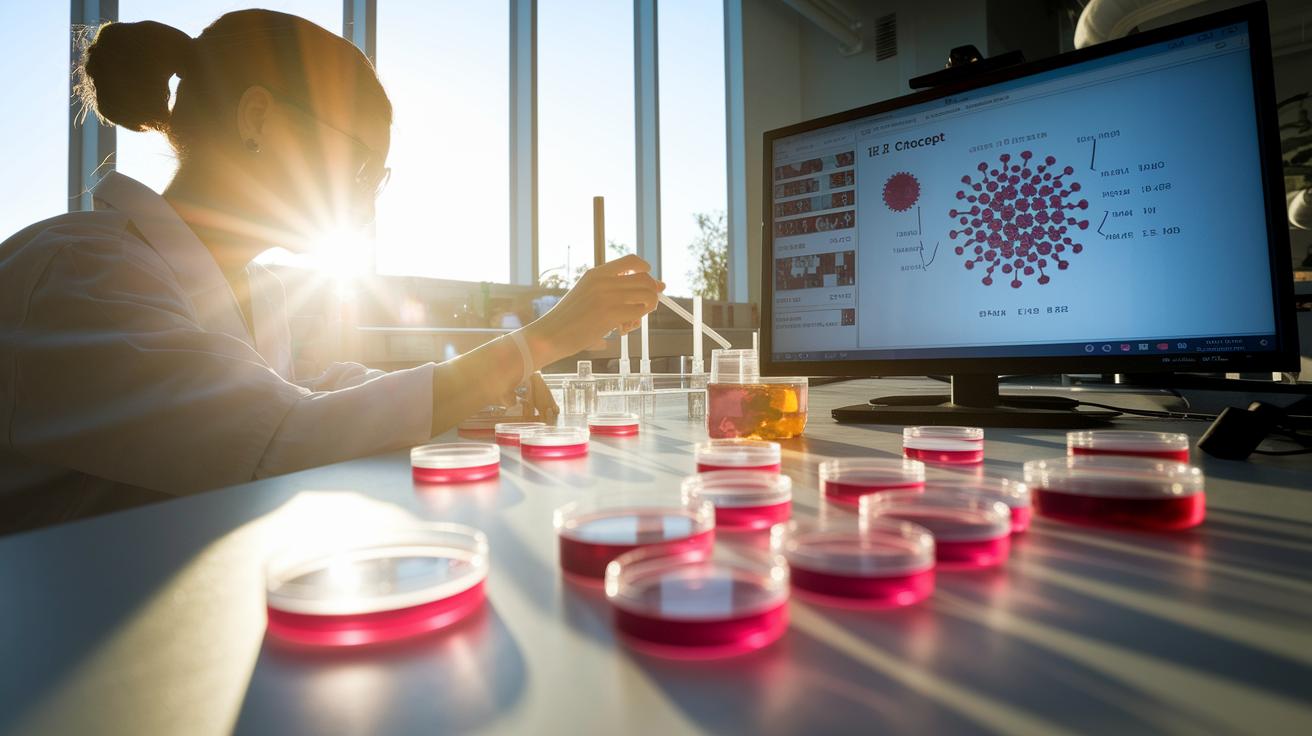
Scientists are exploring new ways to fight cancer by looking closely at the neighborhood around tumors. Recent lab studies show that a molecule called IL-17 might influence how the mix of gut bacteria can spark changes that help tumors grow in far-off places. By tweaking these signals, researchers hope to calm the inflammation that pushes tumors forward while still keeping a healthy balance of gut microbes.
At the same time, studies on pediatric neuroblastoma, a type of cancer affecting young children, have uncovered certain metabolic weak points that cancer cells rely on to survive. This discovery could soon lead to treatments that are easier on healthy cells, potentially reducing side effects for young patients. But there’s still a lot to figure out. Researchers need to untangle the complicated relationship between cancer cells and the rest of the body, making sure that any new treatment won’t interfere with normal body functions. The challenge is to fine-tune therapies so they attack the cancer without sparking other problems.
Overall, this early work gives hope that by carefully targeting the tumor’s immediate environment and the unique energy needs of cancer cells, we could develop smarter, more personalized treatments in the future.
Cancer Research Science Breakthroughs in Biomarker Profiling and High-Throughput Screening
Scientists are now using super-fast testing methods and a mix of protein studies (proteomics, which looks at all proteins in a cell) to speed up the process of checking key signs in cancer. At the recent CICON24 event, there were cool demos of tests that track tumor cells in the blood along with systems that mix gene and protein data. Think of it as assembling a detailed puzzle where every gene and protein clue helps us map out the workings of cancer, ultimately steering us toward treatments made just for you.
Recent upgrades let labs handle huge amounts of data from many biological angles, picking up even the tiniest changes in tumor signals. Using standardized tests and strong data tools makes it easier to turn these lab results into real-world treatments. Experts agree that keeping lab procedures consistent boosts reliability, while open data sharing sharpens our predictions about how treatments might work. As these methods get smoother, turning discoveries into patient care becomes clearer and more direct.
Bridging the gap between groundbreaking research and everyday use means figuring out how to keep data steady and systems working well together. By sorting out these challenges, scientists can confidently take new biomarker findings straight from the lab into patient care, paving the way for more precise and effective cancer tests and treatments.
Cancer Research Science Breakthroughs in Delivery Systems: Nano-Delivery and Gene Editing

Scientists are exploring fresh ways to fight cancer by mixing tiny delivery vehicles with cool gene editing tools. Imagine teeny carriers (basically microscopic couriers) teaming up with CRISPR gene editing to target tumors more accurately and safely. One neat example is the BiTE modular delivery platform, which uses these little carriers to drop medicine right where it’s needed, cutting down on side effects.
Researchers face some tricky choices as they design these systems. They have to nail the balance between hitting cancer cells precisely and keeping patients safe. New gene delivery methods, like those using viral vectors, are being compared to find out which ones work best with the fewest risks. And of course, regulators want solid proof that these systems are stable over time and don’t stray from their target.
Early studies with CRISPR-based therapies are really promising. These treatments can make exact changes to a person’s genes, opening the door to personalized care that fits each tumor’s unique traits. As engineers, biologists, and doctors work together, they’re gradually building safer and smarter cancer treatments. It’s pretty inspiring to see such teamwork lighting the way to a hopeful future.
Cancer Research Science Breakthroughs in Clinical Trials and Translational Research
Cancer research is moving faster than ever, thanks to teams working closely together and strong funding. Researchers are taking breakthroughs from the lab and quickly turning them into real treatments. For example, Markey’s work with the ETCTN network shows us how sharing tools and expertise can spark fresh ideas for clinical trials. This team effort not only speeds up the process from discovery to treatment but also shines a light on new scientists through awards that recognize early-stage research leaders.
Experts from different fields are coming together to design smarter trials. Lab researchers bring new discoveries, while clinicians add practical know-how. By teaming up, they can spot and fix problems before they affect patients. This collaborative spirit leads to better use of resources, meaning more patients get access to promising therapies sooner. As research moves from bench to bedside, these joint efforts let scientists test new treatments quickly and safely. They can fine-tune who benefits most, adjust doses, and tweak treatment plans right on the spot. Every step is driven by a shared goal: turning science into effective care that really makes a difference in people’s lives.
Cancer Research Science Breakthroughs with Data Analytics, Bioinformatics, and Prognostic Modeling

Cancer care is getting a serious upgrade thanks to smart data analysis and bioinformatics. Scientists are now merging different kinds of biological data with clever machine learning (computer systems that learn from data) to predict outcomes. These tools aren’t just about crunching numbers, they help doctors see how the disease might progress and better evaluate survival rates and risks.
One really cool part of this progress is the way computer models are now used to figure out how patients might respond to treatments. Researchers are busy testing these models to make sure they meet strict data standards while still being easy to use in hospitals. They’re combining machine learning (like the tech behind AI in medical diagnosis) to boost prediction accuracy even more.
This fresh approach means hospitals can use their resources more wisely and create treatment plans that are just right for each patient. As these smart models get better, they’re set to become key tools in predicting cancer outcomes and guiding personalized care decisions.
Final Words
in the action, we explored cancer research science breakthroughs that weave together immunotherapy innovations, genomic sequencing advances, targeted inhibitor studies, and next-generation delivery systems. Each section highlighted key trial results, fresh approaches in radiotherapy, and smart bioinformatics techniques that are making complex research accessible.
The discussion painted a clear picture of evolving treatment paths, giving us a snapshot of how science is pushing boundaries. Stay inspired by these tangible steps forward and keep your curiosity alive with more insights on fairlygreat.com.
FAQ
What are the latest cancer breakthroughs in 2025?
The latest cancer breakthroughs in 2025 involve advanced immunotherapy, targeted treatments, and innovative nano-delivery systems. These developments are driving better trial outcomes and expanding personalized medicine options.
Has cancer treatment improved in the last 10 years?
Cancer treatment has made strides with enhanced immunotherapies, precision medicine, and targeted inhibitors. These advances have contributed to better patient outcomes and more refined approaches in clinical settings.
What is the history of cancer treatment timeline?
The history of cancer treatment has evolved from early chemotherapies to modern precision immunotherapies. Significant milestones in clinical trials have reshaped treatment strategies and improved survival rates over time.
Who gave $2 billion to cancer research?
The $2 billion donation to cancer research came from a prominent benefactor, boosting funding for critical early-stage trials and cutting-edge therapeutic development initiatives.
What new cancer drug has 100% success?
No new cancer drug has demonstrated 100% success. Clinical studies focus on increasing efficacy and safety, with most innovations showing significant improvements rather than complete cures.
Are there any new breakthroughs in cancer research?
New breakthroughs in cancer research include advancements in genomic sequencing, personalized medicine, immunotherapy, and targeted treatment strategies. These innovations are building on robust trial data to improve patient care.