


Have you ever thought about where that extra energy from your solar panels goes on a bright day? In today’s changing power world, it’s super important to store any extra juice to keep our lights on and our gadgets humming along nicely.
We capture power from natural sources like the sun and wind by using renewable energy storage. Basically, these systems take the bursts of energy that come in waves and turn them into a steady supply of electricity.
When we look at different ways to store this energy – whether it’s using batteries or special heat systems – it becomes clear how these smart methods help build a future that’s both safe and clean.
Renewable Energy Storage Systems Overview
Renewable energy storage is all about capturing power from natural sources like the sun and wind when they’re strongest, and then saving that energy for later use. It works much like a safety net for our power grid, stepping in with extra electricity when there isn’t enough production going on.
Saving extra energy is key because sources like solar and wind can change quickly. When the sun is shining brightly or strong winds are blowing, energy production can easily surpass what we need right away. By storing this surplus, we can keep our lights on and our appliances running smoothly, even when nature isn’t delivering as much power at a given moment.
Here are a few common methods for storing renewable energy:
- Battery storage
- Pumped hydro storage
- Compressed air energy storage
- Flywheel energy storage
- Thermal (heat) storage
- Hydrogen storage
Each of these methods plays a role in building a stronger, more flexible power grid. For instance, battery storage turns electrical energy into chemical energy quickly, while pumped hydro storage uses water flow to hold large amounts of energy safely. Compressed air and flywheel systems use mechanical movement to capture energy ready to be released on a moment’s notice, and thermal storage works by capturing extra heat. Then there’s hydrogen storage, which converts electricity into fuel for future use. Together, these systems create a reliable network that balances energy supply with the changing outputs of renewable sources. Researchers are continually refining these techniques to help shape a future with more secure and efficient renewable energy.
Battery Energy Systems in Renewable Energy Storage
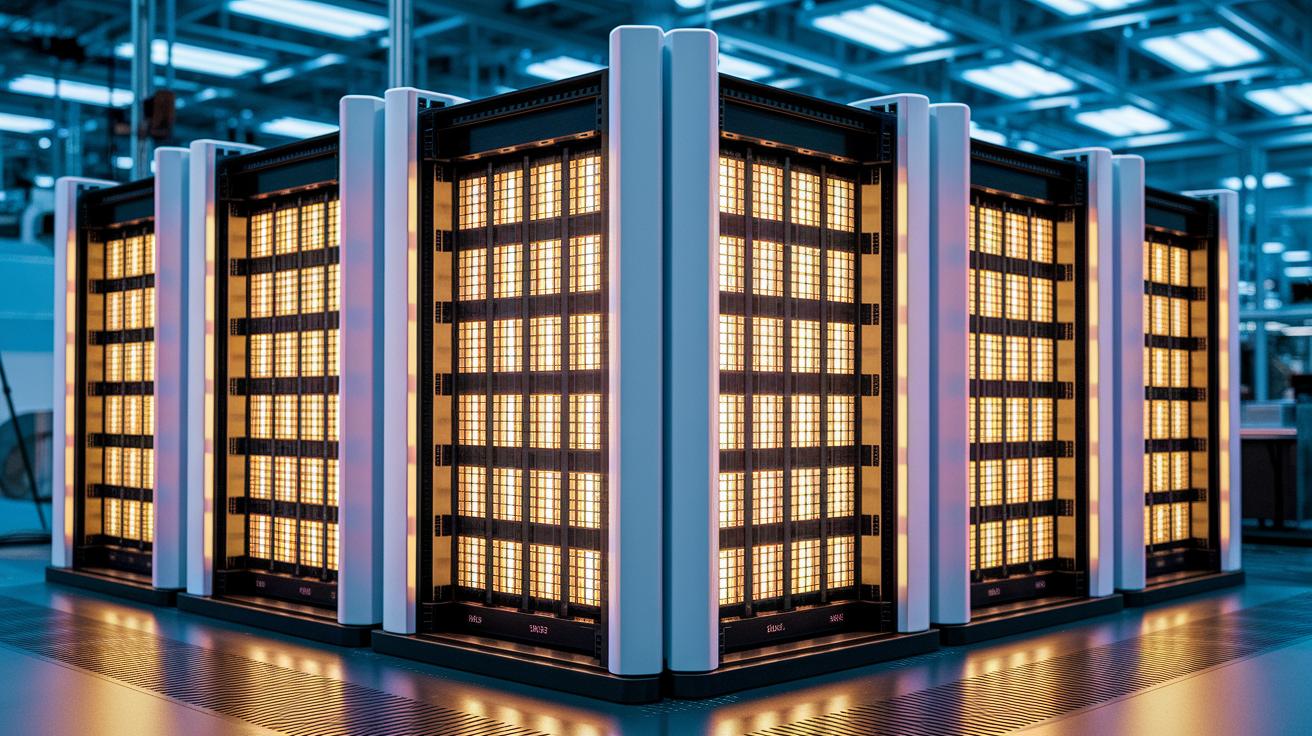
Battery energy systems are the go-to solution for storing power from renewable sources. They work by quickly turning electricity into chemical energy that you can use later on. With our world shifting toward greener energy, these systems help our power grids stay reliable. Whether it's the familiar lithium-ion batteries or new ideas that might soon change the game, battery storage is at the heart of renewable energy progress. For more details, check this link: renewable energy technologies.
Lithium-Ion Batteries
Lithium-ion batteries are quickly becoming one of the most popular storage options out there. They use lithium, which gives them a high energy-to-weight ratio (meaning they pack a lot of power without being too heavy). Usually, they store about 150–250 Wh/kg (that's the energy density) and last for around 1,000–2,000 charging cycles. While they're great for powering devices efficiently, they do need careful cooling and regular upkeep to avoid fire risks, especially when it gets warm.
Flow Battery Systems
Flow batteries, like vanadium redox flow batteries, take a different approach by separating power from capacity. They store energy in liquid form, which makes it easier to scale up and adjust as needed. These batteries typically have a round-trip efficiency of 65–75%, meaning a good portion of the energy gets used effectively. This unique design lets you tweak storage size and power output separately, making them a flexible choice for long-duration energy needs.
Solid-State Battery Prospects
Solid-state batteries are an exciting new development that replaces liquid electrolytes with a solid alternative. They aim for energy densities between 300–500 Wh/kg, which could boost both safety and efficiency by reducing risks like leaks or fires. Although these batteries are still in the early stages of commercial use, they promise lower costs and higher energy density, potentially reshaping how we store renewable energy in the future.
| Technology | Energy Density (Wh/kg) | Cost ($/kWh) | Cycle Life |
|---|---|---|---|
| Lithium-Ion | 150–250 | Current market rates | 1,000–2,000 |
| Flow Battery | N/A | Competitive pricing | Long-duration capability |
| Solid-State | 300–500 (target) | Future cost targets | Expected improved cycle life |
Mechanical and Thermal Renewable Energy Storage
There are two main ways to store renewable energy: mechanical and thermal. One method uses physical movement to keep energy safe, like spinning flywheels, while the other stores energy as heat. Both methods help balance the power supply when natural sources like wind and sun aren’t steady.
Take flywheels, for example. They change electricity into motion by spinning huge steel discs on magnetic bearings that cut friction. The discs spin so fast that they can give power almost instantly when it’s needed. Imagine a rapidly spinning wheel that fires up energy in a blink, helping to keep the power grid steady during sudden demand spikes.
Another method is compressed air storage. Here, electricity powers air compressors that force air into specially made underground caverns. Building these systems takes a lot of time with planning and permits, sometimes between 5 and 10 years. But once they’re set up, they can store a huge amount of power, often over 100 MW, and they do it in a way that adds capacity without huge extra costs.
Thermal storage plants work a bit differently. They use extra electricity to heat things like water or molten salts. This heat can be stored for 4 to 12 hours, and typically, 40% to 70% of it can be turned back into useful energy later. That stored heat can then help generate power or warm up buildings and industrial sites when needed.
Grid-Scale Energy Storage and Integration
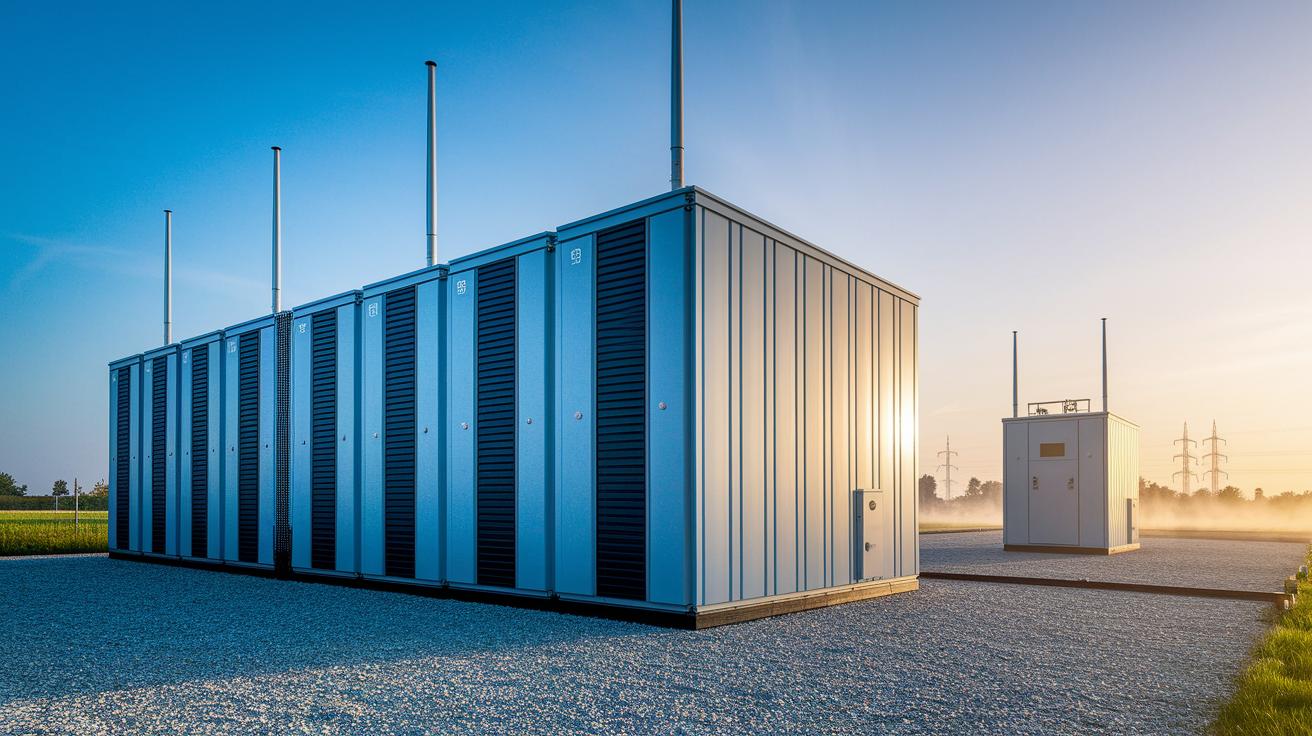
Big storage centers, usually rated at 100 MW and up, form the backbone of modern renewable grids. They use power conversion modules and bidirectional inverters (devices that flip energy from one form to another) to quickly move energy from one place to another. Think of it like a huge battery that gathers extra power during calm, low-use times and then swiftly releases it when demand spikes. This flexibility is key for keeping the energy supply steady, even when nature makes renewable power fluctuate.
Smart grid controls team up with methods that keep the grid's rhythm steady, sort of like a well-coordinated band where each instrument plays its part at just the right moment. Sensors and controllers constantly watch energy flow, making tiny adjustments to balance things out and prevent sudden surges or drops. Plus, when large regions connect (like several states sharing power), they can smooth out local ups and downs by spreading the load more evenly. This teamwork makes the overall system more reliable and efficient.
Cost Analysis and Market Trends in Renewable Energy Storage
Right now, storage systems run around $200–$300 per kilowatt-hour. Engineers are dreaming big, they hope to slash that cost down to just $20–$30 per kilowatt-hour. Imagine being able to store energy for only a fraction of what we pay today. This drive to cut expenses could really help renewable energy storage become a practical, everyday solution.
Market forces also play a huge role in making these cost cuts possible. For example, in Texas, lithium-ion batteries take advantage of arbitrage opportunities by buying power when prices are low and selling it when prices spike, saving hundreds of millions of dollars. On top of that, tax credits and other financial incentives are giving a boost to both big utility projects and smaller, neighborhood-level initiatives. This mix of large-scale investments and local solutions means more people can access renewable energy without breaking the bank.
Looking ahead, experts say the global storage market could hit XX GW by 2030, thanks to innovative financing that brings together public funds and private investments. This blend of market energy and supportive policies is paving the way for more competitive pricing and wider use of renewable energy storage.
Case Studies and Future Directions in Renewable Energy Storage

Real-world tests are vital for understanding new energy storage technology. They let us see how these systems perform, reveal any glitches, and build confidence for future investments in innovative storage solutions.
Monterey County Lithium-Ion Grid Facility
This facility is a great example of large-scale energy storage in action. It holds 3,000 MWh of energy and can deliver up to 750 MW when needed, enough electricity to run more than 600,000 homes for up to four hours when renewable sources are low. It clearly shows how lithium-ion technology can keep our power grids reliable.
Masen Renewable Energy Storage Research Center
In South-Eastern Morocco, this center is working hard to improve solar storage methods, especially for developing countries. Supported by the World Bank’s ESMAP and several private firms, the center tests and fine-tunes new ways to capture and store solar energy. For more info, check out this link: renewable energy projects. Their research is key to adapting storage technologies for different climates and economic situations around the world.
Looking ahead, we can expect a mix of storage solutions to become common. Hybrid systems that combine various methods, longer-lasting storage strategies, and scaling innovations aimed at reducing costs and risks will likely shape the future of energy management.
Final Words
In the action, we saw renewable energy storage defined and explored in clear, everyday terms. The post broke down various types, from battery innovations and mechanical systems to grid-scale applications and market trends. It showed how each method plays a part in keeping power steady even when renewables dip. With real-world case studies in the mix, you're left with a complete snapshot of renewable energy storage's impact today. The future looks bright as these systems continue to evolve and transform our energy landscape.
FAQ
What are renewable energy storage companies?
Renewable energy storage companies build systems that store extra power from sources like solar and wind. They provide solutions—such as battery storage and pumped hydro—to help keep the grid stable when renewable generation dips.
What is a renewable energy storage PDF?
A renewable energy storage PDF is a document that explains various storage methods, outlines technical details, and covers market trends. It serves as a resource for understanding how these systems keep the grid balanced.
What are renewable energy storage batteries?
Renewable energy storage batteries are devices that hold energy generated from renewables by converting electricity into a chemical form. They allow stored energy to be accessed when generation slows, supporting continuous power supply.
What are renewable energy storage problems?
Renewable energy storage problems include high costs, limited scale, and safety issues with some battery types. These challenges drive ongoing efforts to develop more efficient and secure storage solutions for renewable energy.
What is the renewable energy storage market?
The renewable energy storage market covers the development, sale, and trading of storage technologies that capture extra energy from renewables. It reflects growing demand for systems that help balance power supply and demand.
What are renewable energy storage stocks?
Renewable energy storage stocks represent investments in companies focused on developing or implementing storage solutions. Investors can tap into this sector’s growth, fueled by the rising need for stable renewable energy systems.
What are the advancements in renewable energy storage?
Advancements in renewable energy storage include higher-density battery technologies, improved safety features, and extended cycle lives. Other innovations involve mechanical and thermal systems that capture and deliver energy more effectively.
What is a renewables energy storage tank farm?
A renewables energy storage tank farm is a large facility where energy is stored using methods like thermal or hydrogen storage. These farms help manage supply fluctuations by holding large energy reserves for use during low production periods.
What is renewable energy storage and what are five main storage options?
Renewable energy storage captures extra energy from solar, wind, and other renewables for later use. Five key storage types include battery storage, pumped hydro storage, compressed air energy storage, flywheel systems, and thermal storage.
Is battery storage actually worth it in 2025?
Battery storage in 2025 is seen as worthwhile given ongoing innovations that boost efficiency and lower costs. Improved performance and reliability make batteries a crucial tool for managing intermittent renewable energy sources.