


Have you ever wondered if your body could fix itself like a well-tuned machine? Regenerative medicine is turning that idea into something real.
It mixes smart tech with a deep understanding of how our cells repair (basically, the tiny building blocks of our body) to help doctors come up with treatments that fit our unique needs. New techniques are unlocking our natural healing powers and might soon offer new ways to treat stubborn injuries and long-term illnesses.
In this article, we take a closer look at how these exciting breakthroughs are setting the stage for therapies that work hand-in-hand with our own bodies.
Regenerative Medicine Innovations Inspire Future Therapies
The worldwide regenerative medicine field is booming and is expected to reach USD 127.86 billion by 2032. This surge is powered by exciting breakthroughs in biotech (the science of using living systems) and AI-driven precision medicine, tools that help doctors tailor treatments just for you.
Scientists are busy every day refining stem cell methods, crafting bioengineered tissues, and exploring gene therapy innovations. They’re now able to guide stem cells into becoming specific types of tissue, a leap that could lead to personalized treatments for chronic injuries and stubborn conditions.
New funding is sparking innovative research that mixes tissue engineering with digital tools. These methods build cell frameworks that imitate natural human tissues and bring us closer to treatments that work in harmony with our own bodies. Several pieces featured on “Breakthroughs in Medical Science” (https://fairlygreat.com?p=151) highlight how modern tech is reshaping our fight against common health problems.
Early clinical trials show that blending AI with regenerative techniques can fine-tune treatments, making them really personal. Experts believe these tools might not only tackle today’s health issues but also open doors to curing diseases once thought impossible to treat. With strong backing from both private and public sectors, the future looks bright for therapies that work in sync with the body’s own healing power.
Researchers, clinicians, and industry insiders are keeping a close eye on these trends. It’s an exciting time as every new discovery pushes us toward a future where medicine works more naturally with our body’s rhythm.
Advances in Stem Cell Therapies: Core Regenerative Medicine Innovations
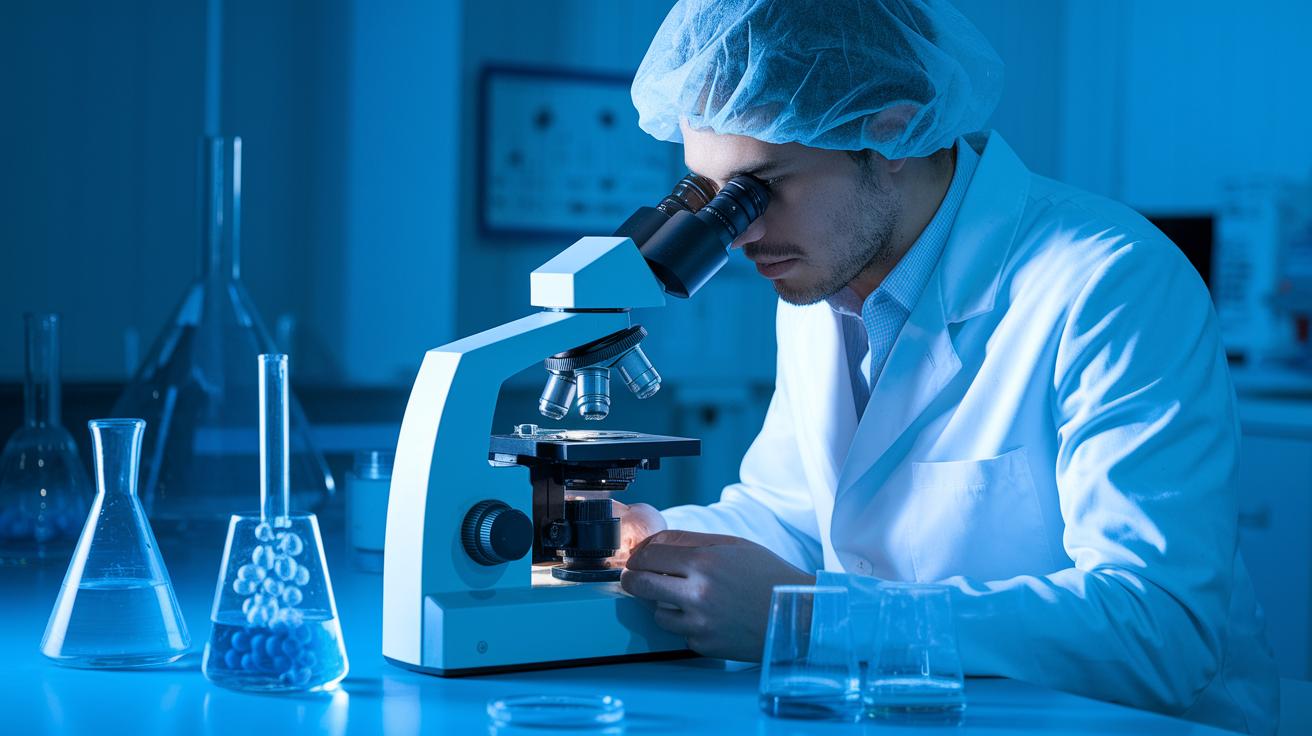
Every second, our body is busy making about 3.8 million fresh cells. That’s a pretty cool reminder of our natural repair system. In fact, think about this: we have roughly 37 trillion cells in us, and every day, nearly 330 billion of them are swapped out. This ongoing cycle is exactly why scientists are so captivated by stem cell research, especially with iPSCs (adult cells reprogrammed to act like embryonic ones) and traditional adult stem cells.
New techniques in cell regeneration are now guiding these amazing cells to rebuild specific tissues. For instance, doctors frequently use hematopoietic stem cell transplants to restore healthy blood cells. Meanwhile, improvements in MSC-based (mesenchymal stem cell) therapies are creating promising treatments to fix damaged cartilage, offering hope for people with orthopedic issues.
Key developments in this field include:
| Breakthrough | Impact |
|---|---|
| Targeted tissue formation | Helps cells become the exact tissue needed |
| Safer sourcing methods | Reduces risks while improving treatment safety |
| Innovative conversion strategies | Takes cell potential directly into healing solutions |
Imagine a patient receiving MSC-based therapy, where every cell is carefully chosen and guided to repair cartilage damage. It’s like the body is doing its own home repair work, piece by piece! These breakthroughs are paving the way for treatments that mimic nature’s own repair methods, potentially transforming the future of regenerative medicine and offering a fresh ray of hope for many conditions.
Regenerative Medicine Innovations in Tissue Engineering and 3D Bioprinting Techniques
Tissue engineering is really taking off thanks to new 3D bioprinting that builds smart scaffolds where blood vessels can grow. These structures act like the body's own support system, keeping cells alive and well. Picture a lab creating a living patch that naturally reconnects damaged heart tissue after a heart attack.
Engineers are now rethinking these scaffolds with improved materials, carefully planning each layer to help cells survive. For instance, early bioengineered organs like mini-livers and heart patches are getting closer to early clinical tests. It’s like putting together a puzzle where every piece fits perfectly, setting the stage for organ replacements that work hand in hand with our natural healing.
Cutting-edge bioprinting machines, such as the New Medical Technology, play a huge role in these advances. Their precise printing lets scientists create custom scaffolds that support cell growth and connect tissues. By combining clever biofabrication methods, researchers are laying a solid foundation for treatments that not only mirror but boost the body’s own healing power. This fresh approach opens up promising possibilities for patients with serious tissue damage.
Genetic Reprogramming Methods in Regenerative Medicine Innovations

Gene editing tools such as CRISPR/Cas9 and base editors are reshaping how we fix cells to help our bodies heal. They work by quickly and accurately correcting mistakes in our DNA, which is like the instruction manual for life. Think about it like catching and fixing a typo in a sentence right when you need it most.
Scientists are also turning ordinary body cells into iPSCs, which are cells that have been reset to a flexible stem cell state. This breakthrough means we can create tailor-made therapies for each person. And there’s more, researchers are experimenting with epigenetic modulation, a way to adjust how genes are expressed without changing the DNA code itself. This adds another tool in the repair toolkit for damaged tissues.
Key areas in this field include:
- Gene editing to target and fix faulty DNA
- Techniques to rejuvenate cells and give them new life
- Methods that reprogram regular cells into versatile healing agents
Each of these approaches is pushing the limits of personalized medicine. By matching cells to an individual’s unique genetic blueprint, these innovations promise therapies that are more effective in repairing and regenerating tissues. Have you ever thought about how amazing it is that science can customize healing like this?
Regenerative Medicine Innovations: Organoids and Personalized Drug Development
Organoids are tiny lab-grown tissues that work a lot like real organs. We create them using special cells (like reprogrammed cells or cells directly taken from organs) so scientists can study how diseases happen and try out new treatments in a small, controlled way. Imagine a mini-kidney that reacts to medicines just like a full one, it’s pretty amazing!
Using these mini-tissues helps speed up the testing of new drugs and checks for harmful side effects without needing many animal tests. This means researchers can see early on if a new therapy might cause problems, and then adjust it before giving it to patients.
Here are some big wins with organoid platforms:
- Faster preclinical testing cycles.
- Better, more reliable results on how safe and effective a drug is.
- The chance to design treatment plans that fit an individual’s needs.
This breakthrough is setting the stage for a future where treatments are as unique as the patients themselves, making healing more precise and personal.
Regenerative Medicine Innovations in Biomaterials and Biomimetic Scaffolding
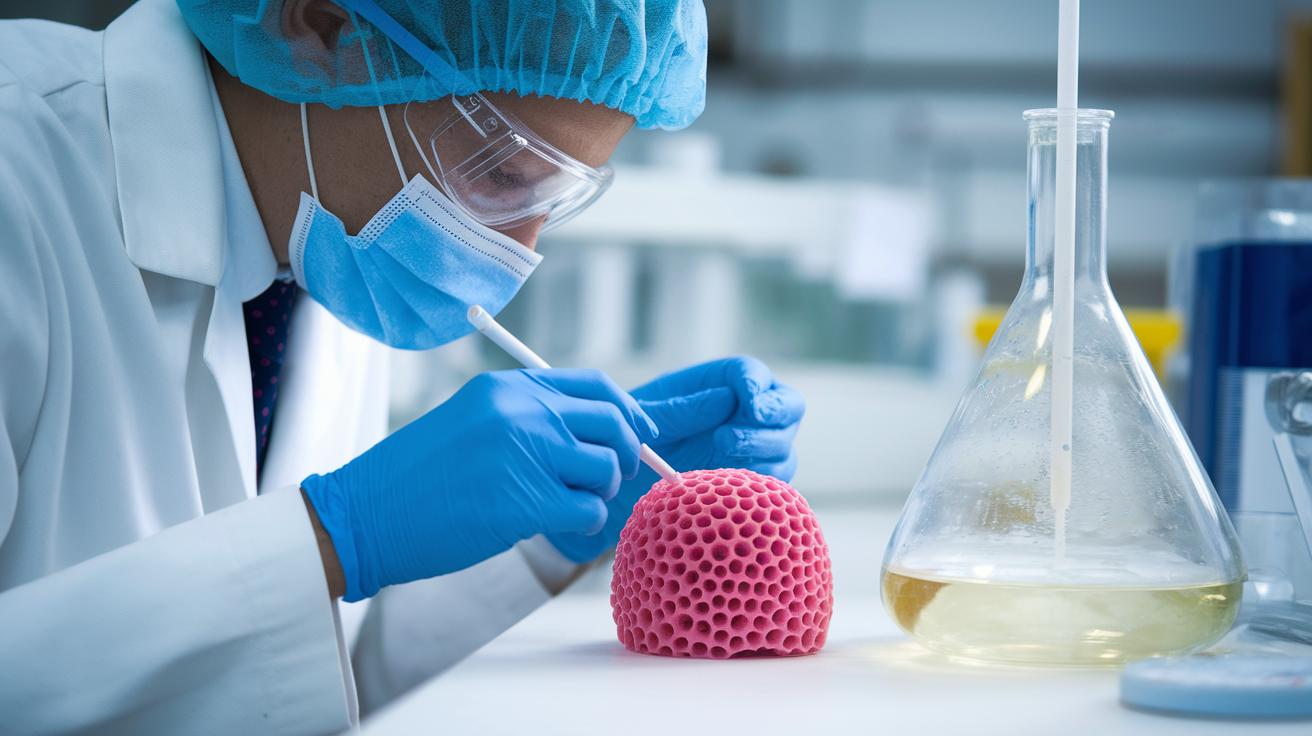
Recent breakthroughs in regenerative medicine are helping us rebuild tissues in ways we never thought possible. Scientists are creating new materials that copy the natural framework in our bodies (called the extracellular matrix). This framework is what holds our cells in place and helps them grow.
These new materials are designed to feel and work a lot like our own tissues. For example, smart polymers now release helpful signals (growth factors) right where they're needed, nudging cells to multiply and mature. This is similar to gently encouraging a plant to bloom with just the right bit of water and sunlight.
Another exciting development is the use of tiny, fibrous scaffolds. These scaffolds guide cells along the right paths and even help form new blood vessels, ensuring that fresh tissue blends smoothly with the rest of the body. It's a bit like laying down train tracks so that everything stays connected.
By combining these clever techniques, researchers are building better foundations for healing and tissue repair. These custom-tailored designs aim to match each patient's unique needs, making treatments feel more natural and personal. It’s a promising step forward in making recovery smoother for everyone.
Regenerative Medicine Innovations: Clinical Application Studies and Healing Technologies
We're living in an exciting time where real-world research is turning regenerative treatments into everyday solutions. Scientists are testing new cartilage repair methods that could soon help people move more easily and feel less pain in their joints. Early tests with heart repair patches are looking promising too. These therapies work by helping heal damaged heart tissue, and patients are already noticing better recoveries and improved heart function, something that was once only seen in experimental treatments.
There's also fresh work being done on healing chronic wounds. Researchers are exploring innovative ways to boost the body's own repair process, which not only cuts down scarring but also hastens healing overall. On top of that, studies on neural repair (fixing nerve damage) are showing how lab breakthroughs can be turned into real treatments. This direct move from the lab to patient care is key to making sure these new methods are both safe and effective.
Here are some key points from these clinical studies:
| Key Focus | Potential Benefits |
|---|---|
| Cartilage Restoration | Better joint function |
| Cardiac Repair Patches | Stronger heart tissue |
| Skin Renewal | Faster healing with less scarring |
| Neural Repair | Lab discoveries turned into patient care |
These studies are paving the way for more accessible and trusted regenerative therapies. With each step, advanced healing technologies are becoming part of everyday patient care, offering new hope to those in need.
Regenerative Medicine Innovations: Regulatory, Ethical, and Funding Pathways

Regulatory rules are steering how quickly new treatments reach patients. The FDA is now offering fast-track options for cell and gene therapies (that is, treatments using living cells or genetic material), which chops down the time needed for testing and approval. In other words, once safety checks are in place, companies can bring their innovations to clinics at a faster pace. Think of it like a lab rushing to perfect a new cell transplant method, knowing it’ll enjoy a smoother, speedier journey from bench to bedside.
Ethical questions also take center stage, especially around the sourcing of stem cells. Researchers often find themselves weighing the benefits of using embryonic cells against adult cells. These thoughtful discussions pave the way for balanced guidelines that not only protect patients but also inspire bold, new research ideas.
Investment is another key player in this field. More money is flowing into regenerative medicine through increased venture capital and collaborations between the public and private sectors. When funding grows, it signals that both government bodies and private investors have solid confidence in these repair strategies. It’s like watching a garden bloom, each new investment lends strength to the roots of innovation.
Keeping up with established guidelines and regular ethical reviews builds trust along the way. By matching legal standards with moral values, the world of regenerative medicine creates a supportive and trustworthy atmosphere. This thoughtful blend not only boosts treatment safety but also keeps research thriving, paving the way for new therapies to emerge.
Future Trends in Regenerative Medicine Innovations
Technology is paving exciting new ways in regenerative medicine. One standout trend is AI-driven tissue design, which uses smart computer models to predict the best tissue structures before they’re even created. It’s like having a clever lab buddy that cuts down on trial and error, saving both time and money.
Nanotechnology is another breakthrough making waves. With tiny particles working like little messengers, treatments can now target the exact spot in your body where they’re needed. This precise approach can help cells respond better and might even reduce unwanted side effects compared to traditional methods.
Researchers are also busy figuring out how to make these treatments on a large scale, almost like products you can pick up off the shelf. Imagine being able to grab a ready-made therapy from a pharmacy, that’s the goal, and it could mean more people get the help they need faster.
At the same time, scientists are putting a lot of energy into methods that are kind to our planet. They’re working on eco-friendly ways to produce these therapies, keeping costs low while caring for the environment. Even though there are still some challenges in ensuring safety and following strict rules, these fresh ideas make the future of regenerative medicine look really promising.
Final Words
In the action, we explored key breakthroughs shaping regenerative medicine innovations, from stem cell therapies to biofabrication and personalized drug development. We touched on the rapid market growth and ethical and regulatory frameworks steering these advancements.
Every section highlighted a piece of the puzzle behind the science and technology of healing. It's clear that each innovation brings us closer to better patient care and opens doors to new possibilities. Stay enthusiastic as this field continues to power forward and create brighter futures.
FAQ
Tissue engineering and regenerative medicine salary
The tissue engineering and regenerative medicine salary typically refers to earnings for professionals in research and clinical settings, varying widely based on experience, job role, and geographic location.
Tissue Engineering and Regenerative Medicine Impact Factor
The tissue engineering and regenerative medicine impact factor measures how often articles in the field are cited, indicating the journal’s influence within scientific research and innovation.
Current regenerative medicine treatments
The current regenerative medicine treatments use methods like stem cell therapies, tissue engineering, and biofabrication to repair damaged tissues and improve patient recovery outcomes.
Journal of Tissue Engineering and Regenerative Medicine
The Journal of Tissue Engineering and Regenerative Medicine publishes studies and reviews on innovative techniques for tissue repair, offering insights into both fundamental research and clinical applications.
Regenerative medicine NIH
The regenerative medicine NIH initiatives support advanced research and clinical trials, aiming to develop therapies that enhance tissue repair, reduce recovery times, and improve overall patient health.
Tissue engineering and regenerative medicine PDF
A tissue engineering and regenerative medicine PDF usually refers to downloadable research documents or guides that summarize the latest scientific advancements and clinical applications in this dynamic field.
Recent advances in regenerative medicine
The recent advances in regenerative medicine include enhanced scaffold designs, refined stem cell techniques, and new gene-editing methods, collectively driving improved tissue repair and personalized therapeutic approaches.
Regenerative medicine modalities
The regenerative medicine modalities cover a range of therapeutic approaches, including cell-based therapies, bioengineered tissues, and genetic reprogramming strategies aimed at restoring damaged body structures.
What are the 4 types of regenerative medicine?
The four types of regenerative medicine typically involve cell therapies, tissue engineering, gene therapy, and biomaterials-based treatments, each addressing different mechanisms of tissue repair and replacement.
What is the holy grail of regenerative medicine?
The holy grail of regenerative medicine is achieving full organ regeneration that functions seamlessly with the body, representing a pioneering goal that could transform treatment for organ failure.
What is the biggest problem with regenerative medicine?
The biggest problem with regenerative medicine lies in controlling immune responses and ensuring long-term integration of new tissues, challenges that can limit the overall success of these innovative therapies.