


Have you ever thought that exploring space might actually be a fun challenge? NASA Space Place turns learning into an adventure for kids in grades 3 through 5. They mix simple science ideas with hands-on projects and playful games to make discovering our solar system feel like a space-themed game.
This online hub is loaded with free content for curious minds. It also brings families and teachers together in a world where every simulation and experiment lights up the imagination.
Stick around and see for yourself just how exciting space exploration can be.
Discover NASA Space Place: Overview for Young Explorers
NASA Space Place is an awesome online hub just for kids in grades 3 to 5. It mixes fun games, hands-on projects, and cool simulations to spark curiosity about space and our planet. These award-winning activities take tricky science topics, like planets, stars, and the forces that shape our world, and make them fun and easy to explore. Best of all, everything on the site is free for families and teachers to enjoy.
The site also features a neat Resource Library that packs articles, videos, and lesson modules all in one spot. Imagine opening a digital book filled with amazing facts and cool experiments, that’s the vibe NASA Space Place gives you. You might even find yourself "catching" a comet in a playful simulation before you’ve even been in a classroom!
Every activity is designed to be engaging and simple to understand, turning complex ideas into enjoyable adventures. Kids can dive into interactive Earth science challenges or solve cosmic puzzles to learn how our solar system works. With NASA Space Place, the thrill of space exploration is right at your fingertips, making learning feel like an exciting cosmic quest.
Interactive Cosmos Games on NASA Space Place
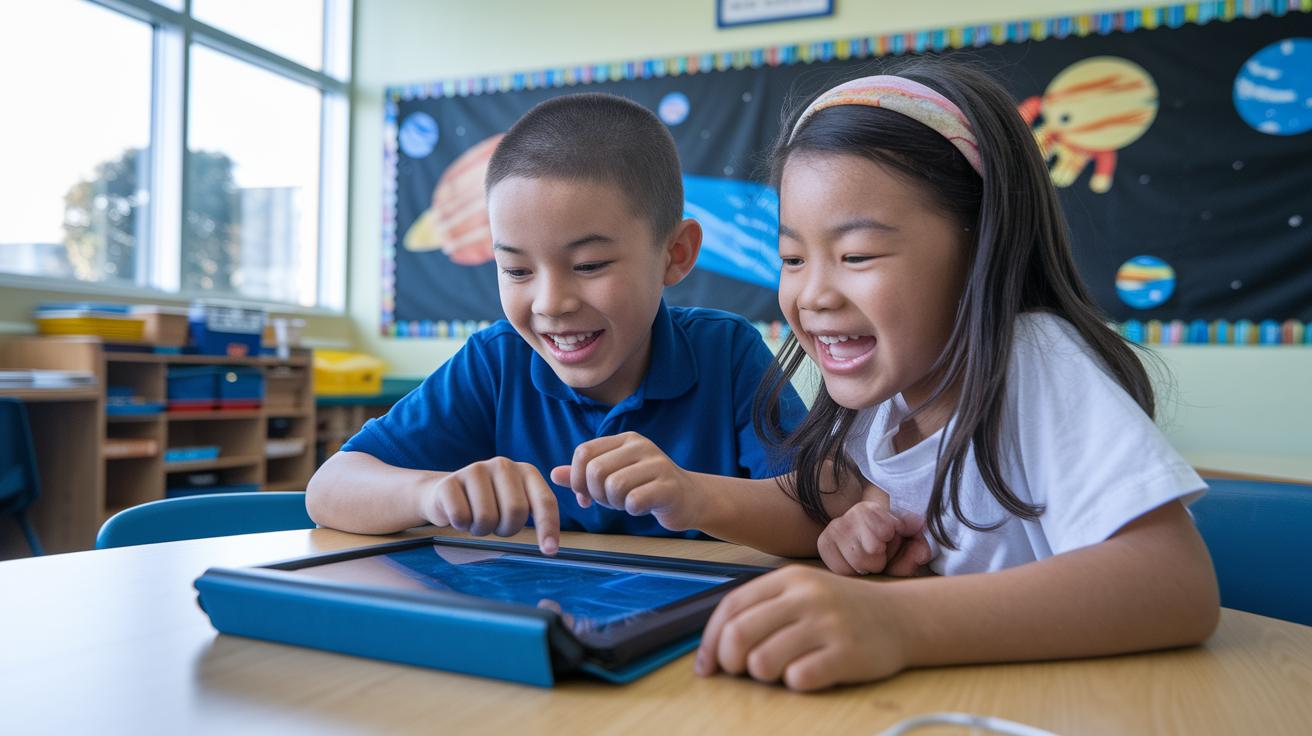
NASA Space Place welcomes young explorers to a lively world of space games that make you wonder about the universe. One fun game is the comet catcher, where you follow easy, step-by-step instructions to track and grab a comet. The game changes its challenge based on how well you do and gives you quick feedback on every move. Imagine steering your own little virtual rocket while learning how gravity (the force that pulls objects together) tugs at these icy travelers!
Another neat game is the black hole simulator, where kids get to play with the pull of a black hole. This simulation guides you through the basics of how gravity works, showing you how objects can twist space around them. As you get better at the simple moves, the game turns up the challenge, so you keep learning and having fun.
Kids can also jump into the star cluster mapping quest. In this adventure, you pilot a virtual spacecraft through an orbit simulation, discovering the positions of planets and the simple mechanics behind their movements. It feels like a mini space mission, where each move teaches you something new about the cosmos. And if you're up for more adventure, check out the mission scenarios inspired by nasa apollo missions that add another exciting twist to the game.
All these games come together to create a smooth learning experience that mixes fun gameplay with real science. With easy instructions, quick scores, and challenges that adapt to your skills, you not only learn about how planets move and orbits work, but you also fuel your cosmic curiosity every step of the way.
Hands-On Activities and Junior Astronomy Projects on NASA Space Place
NASA Space Place invites kids to dive in and explore the stars with simple, fun experiments. One cool project lets you create a comet right at home. They start by sharing a neat fact: mixing everyday kitchen things can create a comet-like tail and structure! For this project, you'll need water, a small piece of dry ice (just remember to use safety gear), and glitter to stand in for icy particles. The step-by-step guide, complete with a clear materials list and safety tips, makes it easy to understand what a comet is made of.
Another creative project uses cookies to map the phases of the moon. Imagine arranging cookie pieces to show how the moon’s look changes over time. This interactive activity explains how light and shadow shape what we see and comes with clear instructions and a list of what you'll need.
There's also a project where you build a simple radio telescope model. With a paper plate, a balloon, and a metal can, you can craft a device that simulates how scientists pick up signals from space. Each activity lays out its learning goals, from understanding comet structure to exploring basic ideas in astrophysics.
These hands-on projects spark curiosity and encourage young minds to ask questions and explore science, whether they're in the classroom or setting up an at-home lab.
Solar System Exploration Guide and 3D Simulations on NASA Space Place
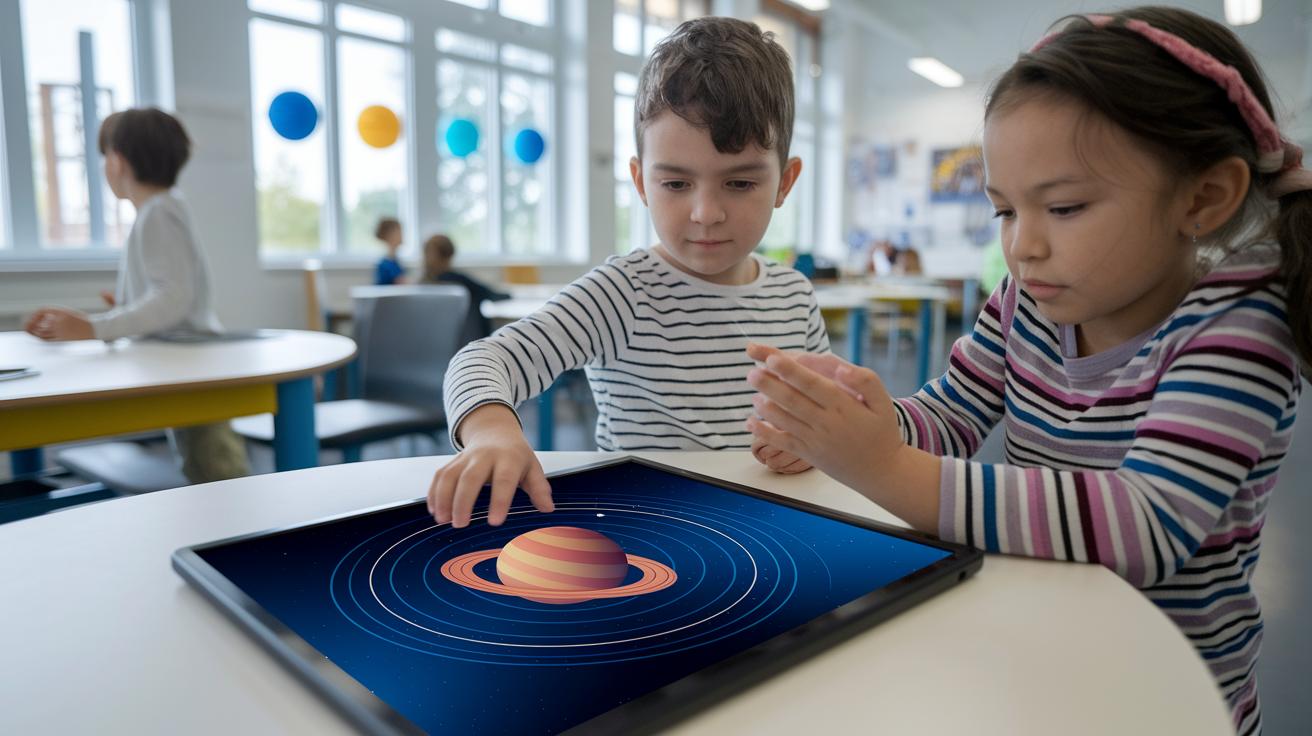
Kids get a cool, interactive look at space using the Augmented Solar Model Experience. They can spin 3D planet models directly on the screen, it’s almost like having a mini planet in your hand. This neat tool shows how planets rotate and lets you see day turn to night as the sun moves across a digital sky.
The simulations break down big space ideas into easy steps. You can watch how a planet's tilt (that’s what makes the seasons) works and see gravity pulling in action. Just imagine sliding a control to change how fast a planet spins and seeing little shadows move over its surface. It’s a fun, hands-on way to understand day and night cycles.
Loaded with interesting facts, the Solar System Exploration Guide makes learning space even more exciting. For example, Mars is super cold, with an average temperature around -80°F, and invites you to explore its chilly world (try checking out the NASA Mars Rover link). Jupiter shows off its 67 moons, proving that big planets can be lively too. Then there’s Saturn, whose beautiful rings are explained through simple diagrams and clear facts about their icy parts. After each section, quick quizzes help you test what you’ve learned.
All these tools bring the wonders of our cosmic neighborhood right to your fingertips. They turn abstract space ideas into a playful journey where every spin and quiz sparks your curiosity about the universe.
Educational Articles, Videos, and Astronomy Lesson Modules on NASA Space Place
NASA Space Place is a friendly spot where young explorers can dive into space science with ease. The site is packed with articles, videos, and lessons that let you journey through topics like black holes (regions in space with super strong gravity), stunning Earth photo galleries, and guides to solar eclipses. You might catch a video showing a time-lapse of swirling nebulae, a cool animation of a spacecraft launch, or even hear charming interviews with astronauts.
The website makes it a breeze to find exactly what you need. With simple filtering tools, students and teachers can sort the content by grade level or subject. For instance, if you're looking for lessons that match NGSS standards, a few clicks will show you modules tailored by reading level and topic. One lesson might kick off with an intriguing fact, like how people once marveled at the stars with their own eyes before modern telescopes came along. It’s a neat way to spark curiosity about how discoveries are made.
Here’s what you can expect in the Resource Library:
- Articles that dive deep into background topics
- Classroom activities designed to get you hands-on and curious
- Quizzes that let you check your knowledge right away
Every lesson is put together with clear steps, vibrant visuals, and interactive challenges, all while matching common core requirements. Whether you’re a curious student or an inspiring teacher, everything you need to explore the wonders of space is right at your fingertips.
Educator Support and Community in the NASA Space Place Portal

NASA Space Place isn’t just a place for fun space activities, it’s a lively meeting spot for teachers who spark curiosity in young explorers. Here, educators can find a handy STEM Community Calendar that lists events like the Arizona SciTech Festival and the National Rural STEM Summit. This portal makes it easy to plan classroom visits or community gatherings and offers a safe space for teachers to share ideas and valuable resources.
Teachers also enjoy several tools designed just for them, such as:
- Resource submission forms that let them share creative lesson plans and engaging classroom activities
- Digital citizenship guides that encourage smart and safe online behavior
- A detailed privacy and security framework that’s checked with a 100+ point rubric updated every few months
These features help teachers tailor their lessons and inspire students to explore space in a supportive, friendly environment. With its clear layout and up-to-date information, NASA Space Place stands out as a reliable hub that connects classroom learning with community involvement.
Final Words
In the action, we took a look at how nasa space place makes space and Earth science fun and easy to grasp. We walked through interactive games, crafty projects, dynamic simulations, and a trove of clear articles and videos. Each part breaks down big ideas into simple, engaging pieces. The platform brings science to life with a friendly twist that sparks curiosity. It's been a refreshing look at a resource that blends learning and creativity. Keep exploring and stay excited about the wonders of our universe!
FAQ
What is NASA’s space place?
The NASA Space Place is an interactive website that provides free, hands-on space science resources, like games, experiments, and articles, designed especially for young explorers.
What types of games does NASA Space Place offer?
The NASA Space Place games include activities such as a comet catcher, black hole simulator, and star mapping quest, all created to explain space science concepts in an engaging way.
Does NASA Space Place provide a kid-friendly app or club?
The NASA Space Place is designed for kids and features easy-to-use platforms along with programs like the NASA Kids’ Club that help ignite a passion for space exploration.
What space topics can I explore on NASA Space Place?
The NASA Space Place covers topics including the solar system, galaxies, the Moon, and Uranus by providing interactive activities and clear explanations that make cosmic concepts accessible.
Where is NASA located and in which country does it operate?
NASA is based in the United States, with headquarters in Washington, D.C., playing a key role in American space research and exploration.