


Imagine flipping on a light and knowing you’re not only powering your home but also boosting your investment portfolio. It’s like a spark that could brighten your entire financial future.
Right now, huge amounts of money are fueling solar (energy harnessed from the sun) and wind (energy generated from breezes) projects that power millions of homes. When investors put their money into these green projects, they start to see steady returns while helping create a cleaner, more sustainable world.
Renewable energy investments are paving the way for both financial growth and a healthier planet. It’s a win-win that could change our everyday lives for the better.
Renewable Energy Investment: Comprehensive Guide to Opportunities, Returns, and Policies
In the US, clean energy spending is booming. Both government and private funds are being funneled into solar, wind, zero-emission vehicles (cars that don’t pollute) and heat pumps. This surge backs the Paris Agreement’s goal to slash heat-trapping emissions to half of what they were in 2005 by 2030. Lately, a burst of capital in the energy market has jumpstarted tech innovations in renewables and opened up new opportunities for investing in green power.
In 2023, solar and wind power grew so much that they delivered enough clean energy to power 61 million homes. Picture that: flipping a switch and lighting up millions of homes, this is the energy revolution in action. Yet, while renewables now produce about 25% of the world’s electricity, fossil fuels still make up roughly 80% of our total energy use.
With the dropping levelized cost of energy (a simple way to calculate the cost per unit of power from building and running a plant), project returns have surged. Investors are excited because clean energy projects not only diversify portfolios but also bring steady cash flows and help guard against wild swings in fossil fuel prices. This reliable return, paired with less dependence on traditional energy systems, makes investing in renewables a smart choice.
Growing green energy markets and savvy global investment trends are changing the game for renewable technology. Detailed quarterly data and state-by-state insights allow investors to pinpoint the regions with the most potential.
| Indicator | Value/Trend |
|---|---|
| Homes powered by solar & wind (2023) | 61 million |
| Global electricity from renewables | 25% |
| Share of fossil fuels in energy | 80% |
Market Trends and Forecasts in Renewable Energy Investment

From Q1 2018 to Q2 2024, the majority of clean energy investments, about 76%, flowed into the South and West of the U.S. States like California, Texas, Florida, Georgia, and North Carolina have steered the trend by putting a lot of money into solar and wind projects. It’s almost as if these regions quickly turned into magnets for projects that cut energy bills and push for a greener future.
North America and Europe have long been leaders in clean energy, but now investors are starting to look over at emerging markets in Asia (outside of China) with a lot of interest. Experts expect these areas to grow fast in the coming years. The Clean Investment Monitor helps by tracking quarterly public and private investments in 2023 dollars, giving us detailed insights into how different regions are tackling renewable energy.
Falling long-term energy costs (which means the overall cost over time) have spurred more deals where companies lock in business arrangements for years, making new projects more likely to move forward. These agreements build a pipeline for new projects and boost investor confidence by promising steady income. It’s like having a balanced mix in your investment portfolio that reduces risks while offering attractive cash returns.
These trends hint at a future where investing in clean energy isn’t just about supporting innovative technology, it’s also a smart way to earn steady returns while meeting the world’s energy needs.
Renewable Energy Investment Vehicles and Financial Instruments: Public Markets, Private Markets, and ETFs
Public markets offer an easy entry into renewable energy investments by putting together pre-built portfolios of green assets. For instance, many investors choose clean energy ETFs that gather assets like solar installations and wind farms. These ETFs follow clear benchmark indices representing a mix of renewable themes, almost like a bundled package that reflects the steady shift toward green energy.
Private markets, on the other hand, take a more hands-on approach. They allow you to invest directly in clean power, whether by financing a project from scratch (often called greenfield project finance) or by buying into an already operating renewable installation. Managers here typically negotiate power purchase agreements (contracts to buy the power) and manage construction efforts that can stretch from a little over a year to several years. This means one investor might fund a brand-new solar project while someone else might take over a wind park already generating energy; each option brings its own level of risk and unique cash flow pattern.
There’s also a growing trend in venture capital for clean technology and private equity in sustainable energy. These funds focus on breakthrough storage solutions, new renewable technologies, and grid modernization projects. They play a big role in sparking the next generation of energy improvements and, in turn, support the overall transition to cleaner energy.
Key renewable energy investing vehicles include:
- Public market ETFs tracking solar, wind, and other clean energy themes.
- Private market investments in both new projects and existing operational assets.
- Venture capital and private equity funds targeting next-generation renewable technologies.
Policy Incentives, Tax Credits, and Subsidies for Renewable Energy Investment
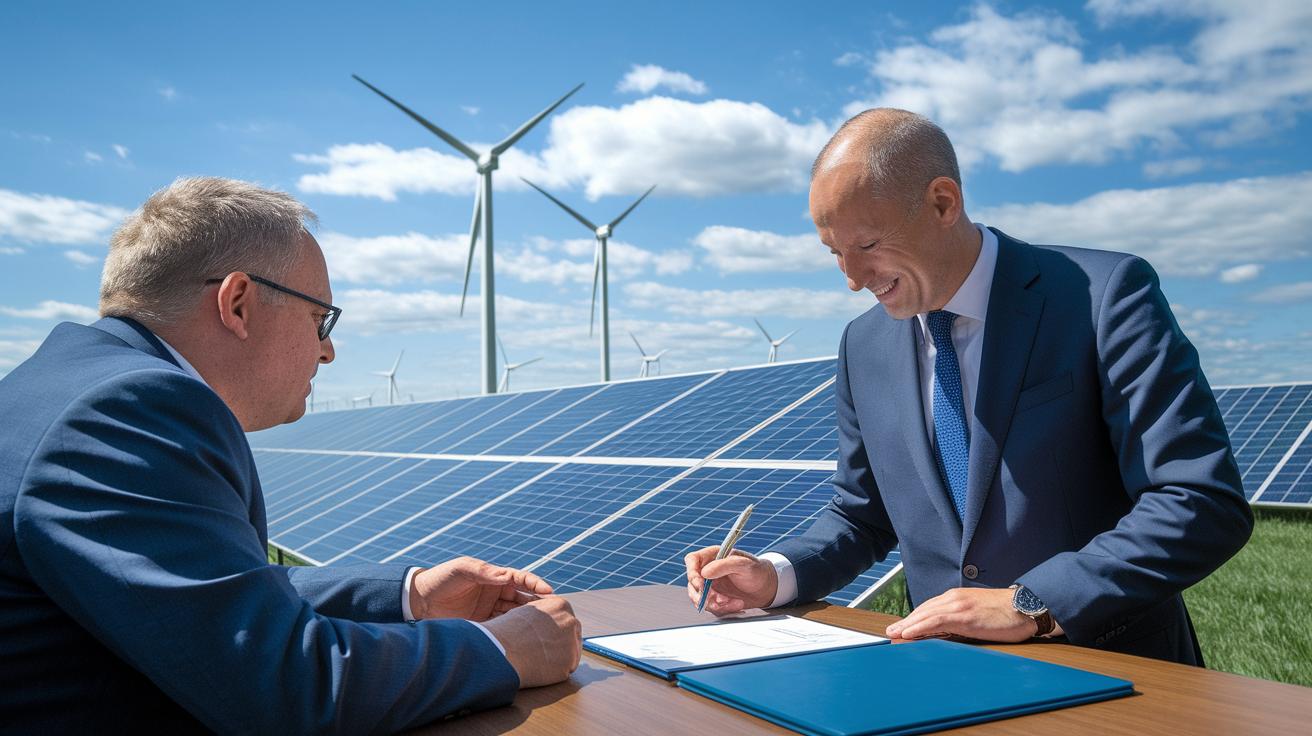
Government actions really shape the renewable energy world. Back in 2015, the Paris Agreement set hard carbon limits that nudged countries to demand cleaner power. When these rules drop into place, it’s like flipping a switch, suddenly, energy grids are updated, and investments in greener power start to flow.
Federal and state tax credits, like the Production Tax Credit (PTC) and the Investment Tax Credit (ITC), play a big part too. They help reduce the large sums needed upfront for clean energy projects and make those investments more appealing (think of it as getting a little extra boost on your return). Did you know that even a small tweak in tax credits helped kick off many solar projects that were ready but just needed that final push?
There are also targeted green subsidies and grant programs that back emerging tech like heat pumps, electric vehicle charging networks, and offshore wind farms. These incentives lower the financial risk and help schedule investments during the most favorable market conditions, guiding project timing and setup.
Key elements include:
- Tax incentives for clean power
- Energy tax credits for sustainability
- Government green subsidies
These programs build a clear regulatory framework that makes investors feel more secure, ultimately making renewable energy projects even more attractive financially.
Risk Management and Performance Metrics for Renewable Energy Investment
Investors often choose renewable energy projects because they promise steady cash flow, a way to mix up a portfolio, and protection from wild fossil fuel prices. Still, there are challenges to watch out for, things like construction hold-ups that could span from a year to several, shifts in policies, changes in natural resources, and weather events like heat waves or coastal flooding. Take a wind farm, for instance; a delay during setup might mean waiting longer to see any income.
Skilled project managers lean on risk analysis to navigate these uncertainties, ensuring that each project moves toward success. They keep track of how things are going using clear performance metrics that show both short-term gains and long-term financial health. This means looking at clean power valuation numbers that help figure out cost efficiency and potential earnings, while regular updates and forecasting let everyone see how a project adapts as conditions change.
Key performance metrics include:
- LCOE (the cost for each unit of energy produced)
- IRR (the rate at which an investment pays back)
- Capacity factor (comparing actual energy output to its maximum potential)
- PPA pricing (the set rate in power purchase agreements)
- Operational lifespan (how long a project is expected to work at full capacity)
These benchmarks give investors a clear snapshot of a renewable asset’s financial strength. By zeroing in on risk management and solid performance metrics, they can keep their portfolio balanced and optimized. With accurate valuation tools, comparing projects across various techs and regions becomes much easier. Companies aiming for long-lasting returns in green energy are always tweaking their strategies and leaning on proven methods, ensuring renewable projects remain a key part of a diversified investment strategy.
Case Studies in Renewable Energy Investment: Solar, Wind, and Hydropower Projects

Across the U.S., big solar projects have been doing amazingly well. In 2023, billions of dollars were raised to power installations that brought clean energy to 61 million homes. Imagine putting money into a huge solar array that not only makes electricity but also delivers steady cash flow and noticeable growth. One developer even set up a deal that boosted returns while serving community energy needs.
Wind energy projects have also shown solid potential. Many top wind farms in leading states have earned returns of 7% to 10% (that’s the rate at which your investment grows). It’s a bit like getting a little bonus when the breeze is just right. Smart revenue-sharing plans help ensure the income keeps flowing. One portfolio manager remarked that watching wind energy deliver steady gains is like observing a well-tuned engine running smoothly every day.
When it comes to hydropower, established markets continue to offer safer and steadier options. Traditional hydropower setups with proven infrastructure produce consistent cash flow. Meanwhile, some regions in Asia are trying out fresh ideas like run-of-river (using the natural flow of water) and pumped-storage systems to mix reliability with creative financing. These projects are ideal for investors looking to support sustainable projects with long-term stability.
When you compare solar, wind, and hydropower, you can clearly see the unique benefits and challenges of each. Solar and wind bring dynamic growth, while hydropower provides a solid, reliable track record. Together, this mix offers a balanced portfolio with plenty of potential for thriving returns in the future.
Renewable Energy Investment Portfolio Strategies: Optimizing Asset Allocation
Mixing stocks, green bonds (eco-friendly loans), private assets, and ETFs is like putting together your own recipe. Each part brings a unique flavor and steady vibe to your overall plan. This blend not only spreads your risk but also sets you up to handle market ups and downs.
Green investments can act like a safety net against sudden carbon cost hikes and usually don’t follow the same patterns as regular commodities. Think of it as carrying an umbrella on a wet day – when other investments might struggle, renewables add that extra layer of protection.
Using tools like ESG screening (which checks for environmental, social, and governance standards) and impact reports helps you stay true to your sustainability goals and follow the rules. By keeping an eye on how your portfolio performs against clean energy benchmarks, you’ll know the right time to make adjustments. It’s a clever way to ensure your investments align with both your risk and environmental targets.
Final Words
In the action, we explored market trends, finance schemes, and policy drivers shaping renewable energy investment. We looked at dynamic fund vehicles and cutting-edge strategies while keeping risk management at the forefront. The article walked through real-world case studies and thoughtful portfolio strategies that offer a balanced mix of solid returns and diversification. It’s clear that renewable energy investment continues to gain traction as an exciting, practical way to support clean power and sustainable growth. Keep an eye on this evolving field, and stay inspired by its bright potential.
FAQ
Q: What are renewable energy investment companies?
A: The renewable energy investment companies manage funds aimed at clean power projects like solar and wind, offering investors a chance to back sustainable energy solutions while aiming for solid financial returns.
Q: How is investment in renewable energy measured by country?
A: The investment in renewable energy by country is tracked using capital flow, project financing levels, and policy incentives, reflecting each nation’s commitment to clean power and the opportunities within its energy market.
Q: What are renewable energy investment stocks?
A: The renewable energy investment stocks consist of public companies focused on producing and advancing clean energy, providing investors with opportunities to participate in a growing market supported by innovative, eco-friendly technologies.
Q: What renewable energy investment jobs exist?
A: The renewable energy investment jobs include roles in project finance, portfolio management, and policy analysis, among others, offering career paths that combine technical expertise with a focus on sustainable energy markets.
Q: What does renewable energy investment data show?
A: The renewable energy investment data shows trends such as funding amounts, regional market growth, and performance metrics that help investors understand the impact of clean energy policies and market dynamics.
Q: What are renewable energy investment funds?
A: The renewable energy investment funds pool capital from investors to finance clean power projects across public and private markets, giving access to diversified portfolios and supporting the expansion of sustainable energy infrastructure.
Q: What was the renewable energy investment environment like in 2022?
A: The renewable energy investment 2022 market saw robust public and private funding, notable growth in solar and wind sectors, and strong policy backing that encouraged increased capital allocation toward clean power initiatives.
Q: What does the 2H 2025 renewable energy investment Tracker include?
A: The 2H 2025 renewable energy investment Tracker covers projected capital flows, regional trends, and emerging project opportunities, enabling investors to anticipate market shifts and align with upcoming funding periods in clean energy.