


Postpartum depression affects one in seven mothers worldwide, yet conversations about it remain surprisingly rare. This MSN-style guide unpacks the basics—from symptoms and risk factors to treatment options and practical support—so new parents and their loved ones can recognise the signs early and seek help without hesitation.
What Is Postpartum Depression?
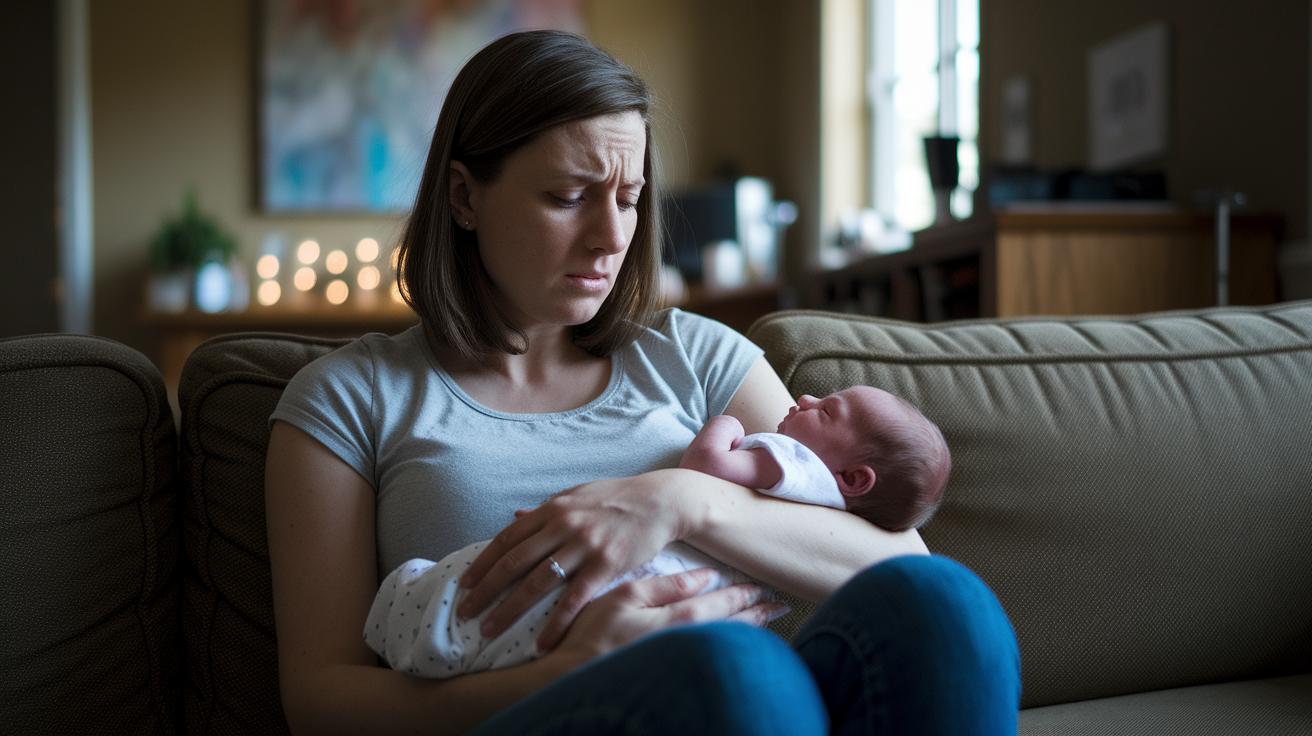
Postpartum depression (PPD) doesn’t care about your job title, postcode, or Instagram feed. About one in seven new mothers worldwide develop clinically significant symptoms after childbirth, yet most still hesitate to say the words out loud. The mood swings get dismissed as “baby blues,” the exhaustion chalked up to sleepless nights, and the quiet panic masked behind perfect newborn photos. By unpacking the facts in plain language, this guide hopes to swap shame for understanding and silence for support. If you’re a new parent, partner, or friend, these next sections give you the tools to spot PPD and respond.
Recognising the Symptoms
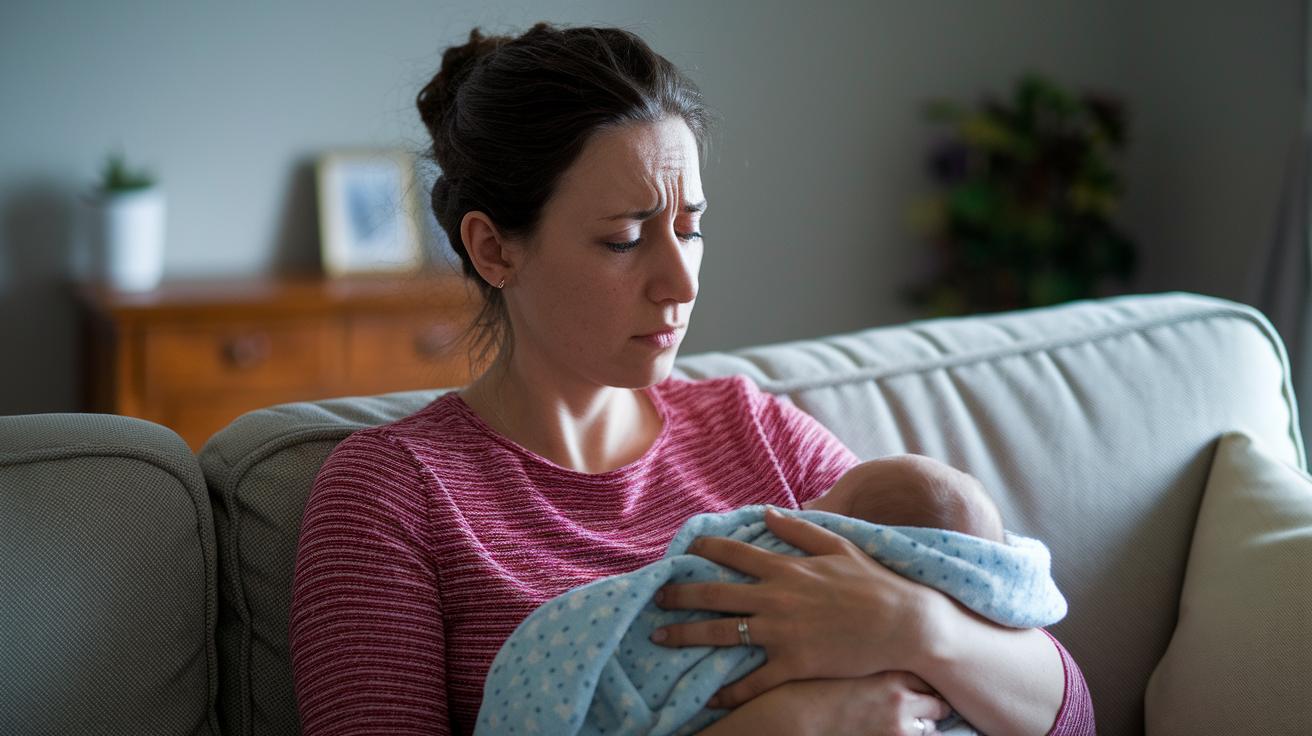
Postpartum depression is a medical condition, not a moral failing. After delivery, a sharp drop in estrogen and progesterone can jolt brain chemistry, paving the way for persistent sadness, crippling anxiety, or bouts of irritability that feel out of character. Some mothers describe foggy detachment, others an unrelenting sense of dread, and many report difficulty bonding with the baby they love dearly. The symptoms last longer and cut deeper than the transient “baby blues.” If low mood, loss of interest, appetite changes, or scary intrusive thoughts linger beyond two weeks, professionals label it PPD and recommend evaluation.
When Does PPD Start?
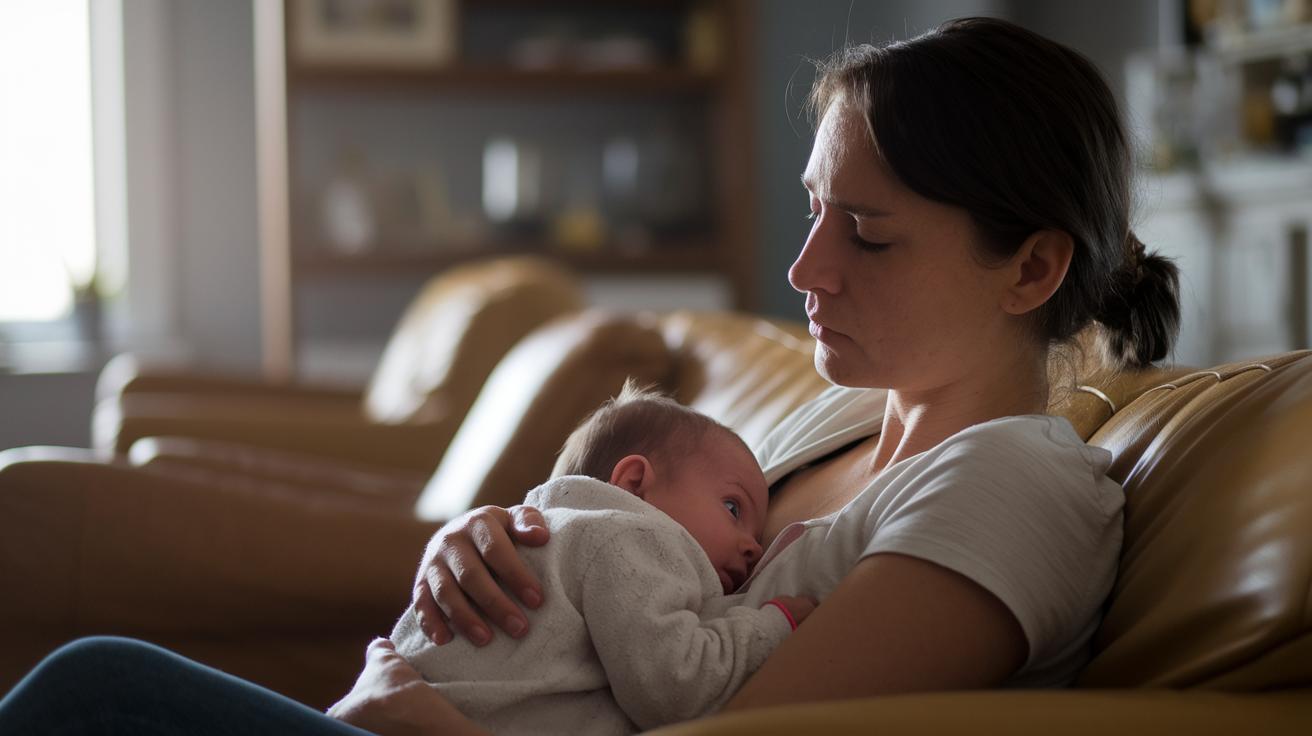
PPD can sneak up quickly or unfold slowly, but the first six weeks after birth are the most vulnerable window. Hormonal turbulence coincides with sleep deprivation, physical recovery, and the pressure to “enjoy every minute,” making it hard to untangle routine adjustment from a brewing mood disorder. That said, postpartum depression can surface anytime during the baby’s first year, even after maternity leave ends. Partners, grandparents, and visiting friends should stay alert for red flags: a mother who cries daily, withdraws from visitors, expresses guilt or hopelessness, or talks about feeling like a failure. Early notice speeds recovery.
Who Is Most at Risk?

Some women carry heavier risk than others, but postpartum depression can affect anyone. A prior personal or family history of depression sets the stage, as do past episodes of anxiety, bipolar disorder, or severe premenstrual mood shifts. Complicated pregnancies, emergency C-sections, chronic pain, or neonatal intensive-care stays add physical and emotional strain. Outside the hospital, limited childcare, shaky finances, an unsupportive partner, or immigration stress can erode resilience. Importantly, half of all cases develop in women with zero obvious risk factors, proving that biology, hormones, and circumstance can collide unexpectedly. Knowing the list simply helps families plan ahead.
Talking to Your Healthcare Provider
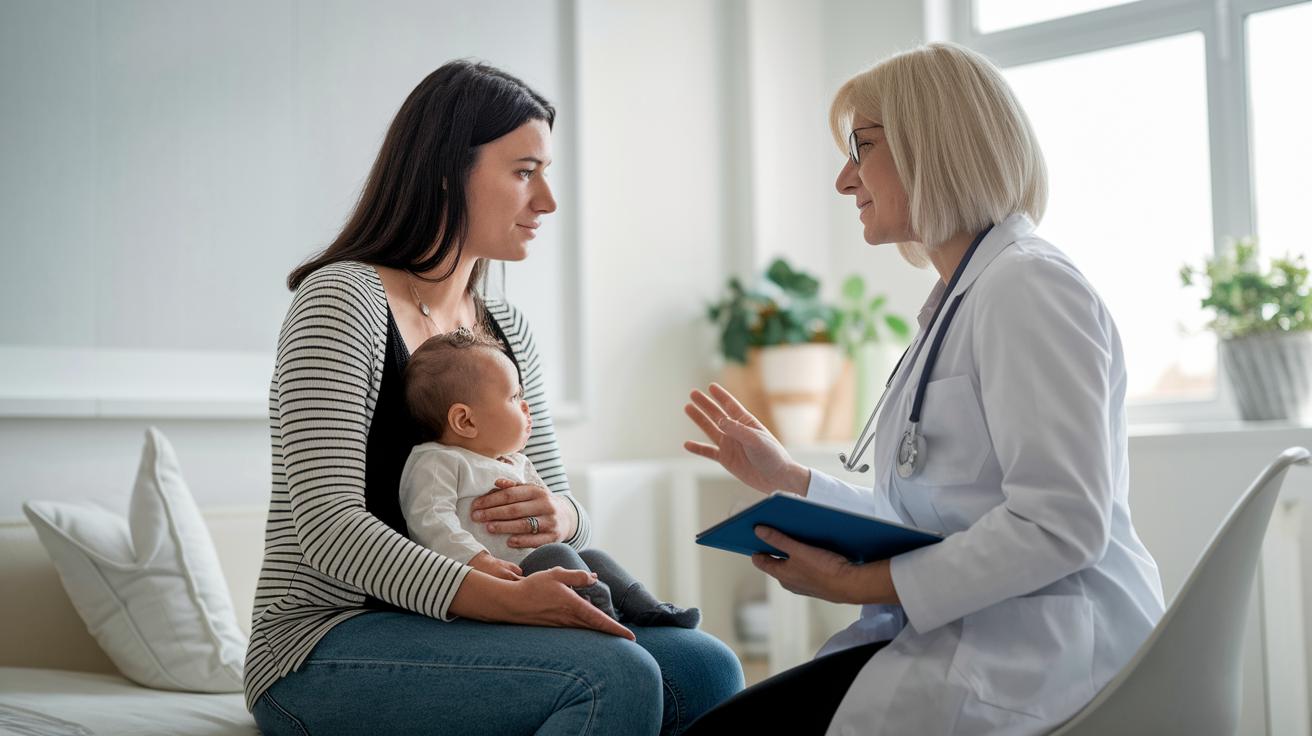
Speak to a healthcare provider as soon as you suspect postpartum depression; treatment works best when started early. Your first step might be mentioning mood changes at the six-week check-up, calling a family doctor, or scheduling a tele-health visit with a mental-health nurse. Evidence-based options include cognitive-behavioural therapy, interpersonal therapy, antidepressant medication compatible with breastfeeding, or a combination tailored to your history. In severe cases, short hospital stays or newly approved injectable hormones offer rapid relief. Don’t let logistical worries block care, many clinics provide sliding-scale fees, virtual sessions, and infant-friendly rooms so mothers can attend without arranging childcare.
How Loved Ones Can Help

Recovery from postpartum depression is a team sport. Partners can handle night feedings, fold laundry, or make that appointment the mother keeps postponing. Friends might deliver freezer meals, send taxi vouchers, or simply sit and listen without judgment. Offer concrete help, “I’m coming Tuesday to watch the baby while you nap”, instead of vague promises. Small gestures, like refilling a water bottle or running a bath, remind a struggling mom that her needs matter too. Encourage her to join parent groups, online forums, or local walk-and-talk meet-ups where she can swap stories with peers who truly understand.
Breaking the Stigma and Moving Forward

Shame thrives in secrecy, so talking openly about postpartum depression chips away at its power. Share accurate resources, tag mental-health hotlines, repost first-hand recovery stories, and challenge off-hand comments that suggest mothers should simply “snap out of it.” The more we normalise screening and support, the more lives we improve, babies included, because maternal mood strongly shapes infant development. If you’re currently in the depths of PPD, remember that effective treatments exist and remission rates are high. With professional care, social support, and time, most women regain their equilibrium and rediscover joy in both motherhood and themselves.