


Ever wonder if clean energy really lives up to its promise? Renewables might seem like the future, but the truth can feel a bit rough. Setting up solar panels or wind turbines might cost more than you expect before you even feel the benefits. And when the wind dies down or the clouds take over, that steady power can vanish. In this article, we'll look at how big costs, unpredictable energy output, and the need for lots of space might work against the green revolution.
disadvantages of renewable energy: Smart Insights
Investing in renewable energy can feel like a mixed bag, exciting yet challenging. Take solar power, for instance. Setting up a system means shelling out a lot of cash upfront for panels, inverters, and mounting gear. It’s a bit like buying a high-end gadget: you pay a steep price at first, but the long-term benefits might make up for it. Wind energy has its own heavy costs with expensive turbines, shipping, and installation.
One major hiccup is how unpredictable these energy sources can be. On cloudy days or when the wind dies down, the power output drops, which makes renewables less steady compared to traditional sources. This unpredictability often means extra backup systems are needed, boosting both costs and the overall complexity.
Another tough nut to crack is the space needed. Solar and wind farms require large tracts of land for proper spacing and upkeep. These projects can spread over hundreds of acres, sometimes clashing with other land uses and drawing extra environmental attention.
All in all, renewable energy comes with high initial costs, variable output, and the need for plenty of space. Each of these factors adds to the economic and logistical puzzles that need sorting out when rolling out clean power solutions on a large scale.
High Upfront and Ongoing Costs in Green Power
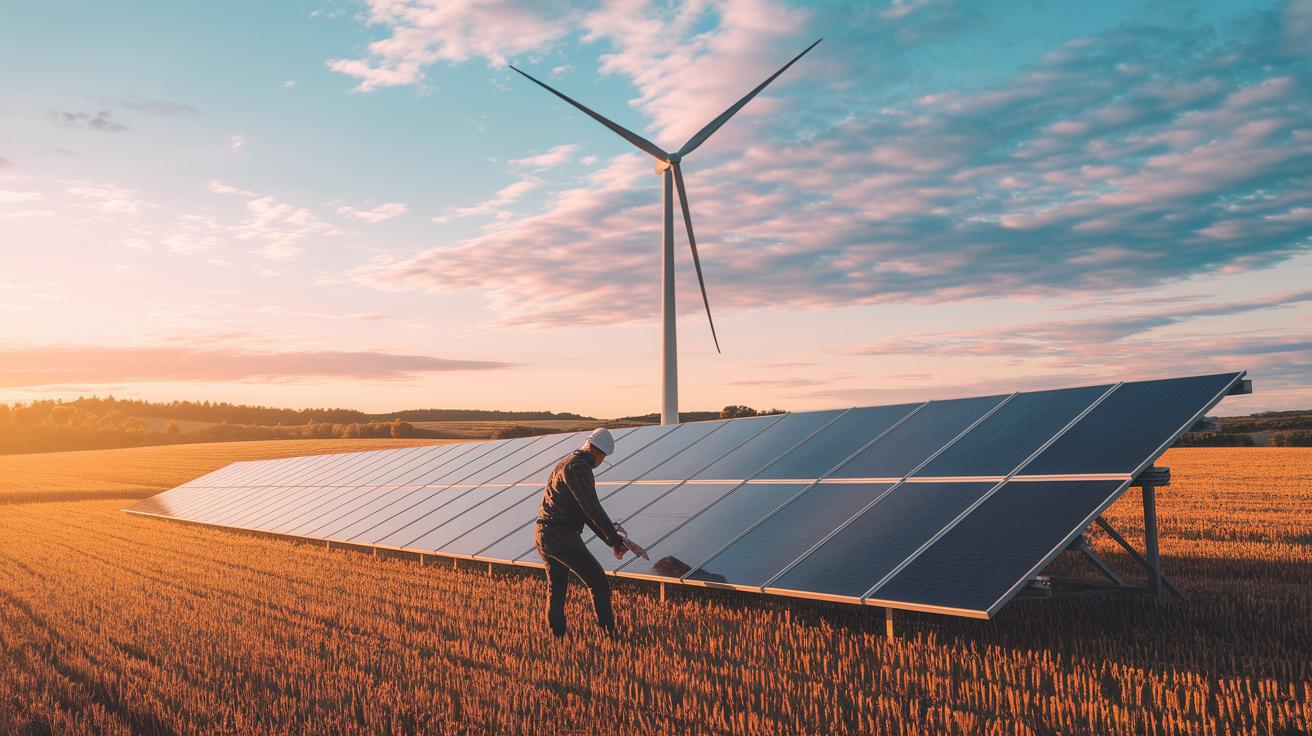
Renewable energy developers often face big money challenges. Buying and installing things like solar panels and heat pumps can cost a lot right from the start, kind of like splurging on a fancy gadget that costs more than you expected. Subsidies can help, but without them, the price is usually too high to handle. And then you’ve got wind turbines, which bring extra hassles because they rely on rare earth elements (special metals needed for modern tech) that can be hard to get.
But the costs don’t stop there. Regular upkeep, like cleaning solar panels and servicing turbine blades, adds to the bills, making these investments even riskier. To top it off, project costs often end up higher than planned, much like owning a car that always surprises you with unexpected repair bills. In short, green energy isn’t just about paying a big sum upfront; recurring expenses can also strain budgets, showing that making clean power both affordable and steady takes overcoming some serious financial hurdles.
Intermittency and Variability in Renewable Generation
Renewable energy can change on a dime because of the weather and different seasons. When the sky is crystal clear, solar panels hit their stride. But even a few passing clouds can cut the power almost instantly. Wind turbines are just as sensitive; a calm spell with low wind leaves a big gap in power.
Seasonal changes add another twist. In winter, shorter days and cloudier skies might slash solar energy by as much as 50%. Wind patterns also shift with the seasons, causing further uncertainty.
| Season | Solar Production Impact | Wind Performance Impact |
|---|---|---|
| Winter | Up to 50% reduction | Periods of low wind activity |
| Summer | High output with clear skies | More stable conditions, yet still weather-dependent |
To solve these issues, engineers have come up with ways to make our power grids more flexible. Now, we use battery storage (think of it as a big power bank), smart grid controllers, and microgrids to plug the energy gaps. Some real-world examples show that mixing these technologies with renewable farms not only evens out the bumps in power supply but also makes it easier to forecast how much energy will be available.
Energy Storage and Grid Integration Obstacles
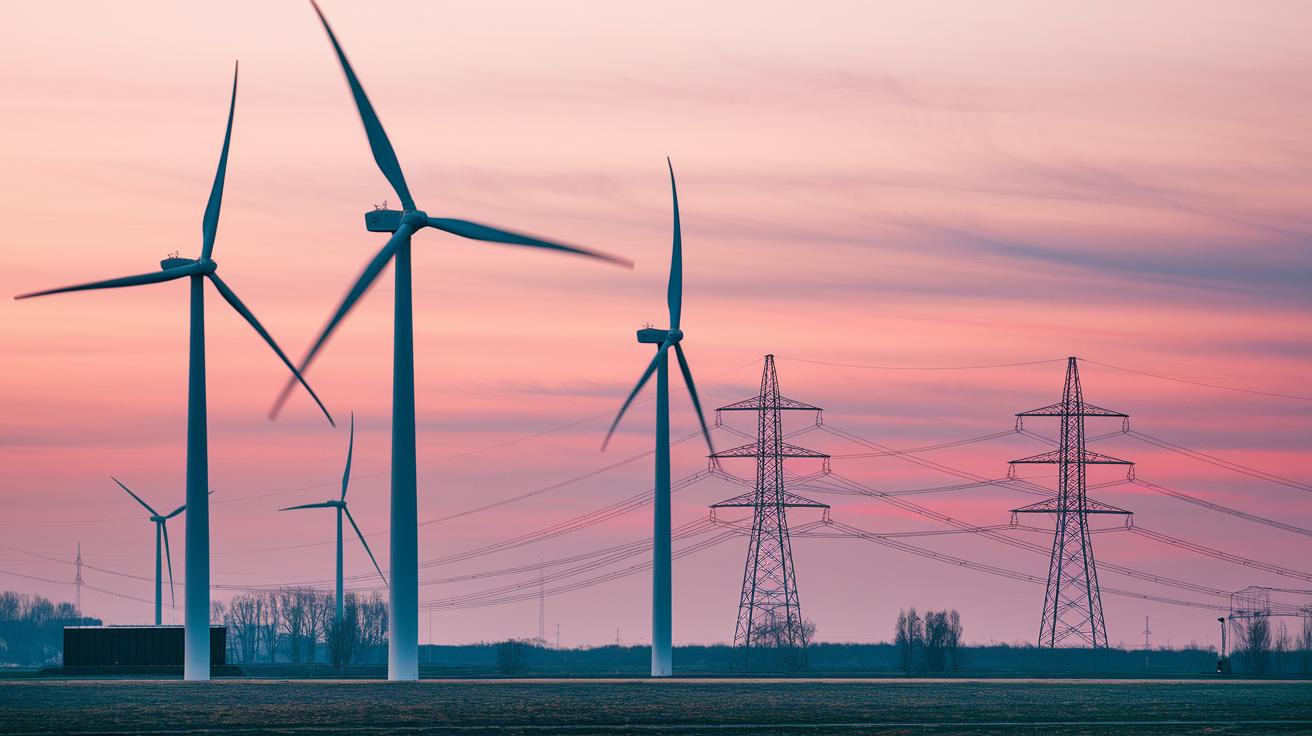
Renewable energy, like wind and solar, doesn’t always produce a steady output. That means we have to find smart ways to store and share this power. For instance, battery systems and pumped-hydro storage (using water reservoirs to store energy) can help smooth out the ups and downs, but they come with big price tags and ongoing costs. Also, over time, these storage systems lose some of their capacity, which can make future planning a bit tricky.
Our current power lines were mostly built to send electricity in one direction, not to handle a constant back-and-forth from many renewable sources. Upgrading these lines to work with two-way flows is no small task, it demands major improvements and fresh technology, encouraging utilities to rethink their whole design. Have you ever thought about how complex it is when your local grid has to juggle power in and out, sometimes unpredictably?
In more isolated areas, off-grid renewable projects face extra hurdles too. Setting up safe and efficient connections in remote spots means overcoming unique challenges that can drive up costs and delay projects. Plus, building storage components and modernizing power lines might put extra strain on local ecosystems. All these hurdles, combined with the limits of current storage tech, slow down the growth of clean power. By investing in more research and better grid systems, we could ease these long-standing problems in the future.
Environmental and Land-Use Trade-offs of Renewable Installations
Solar farms need a lot of clear, open land, often stretching over hundreds of acres. When there isn’t much space to spare, this can lead to disagreements in areas that rely on farming or have wild habitats. Imagine a quiet countryside where a new solar installation forces local farmers and lovers of nature to worry about losing their open fields.
Wind turbines offer clean energy, yet they sometimes produce noise that goes above 50 dB (a measure of sound loudness). This extra hum can disturb nearby residents and wildlife, making life tougher for everyone. Picture a community saying, "It feels like there's a constant low hum that just won’t go away." This kind of noise adds extra hurdles, even as we try to enjoy cleaner energy.
Big renewable projects like hydropower dams can take months, or even years, to get all the necessary approvals. These dams often block the natural path of fish and change the river’s flow, which stirs up debates among locals and environmental groups. The long waiting period means that both communities and developers are left uncertain about how the land will be used in the future.
In truth, every green energy project comes with its own set of challenges. Conflicts over land use, concerns about energy density, and impacts on the environment remind us that even eco-friendly options require careful planning and honest community discussions.
Technical, Scalability and Policy Barriers for Renewable Growth

Often, clean energy ideas only make it past the early testing stage, and they convert less than a quarter of the energy they capture. Even when we see promising projects moving forward, many systems struggle to turn enough of that energy into usable power. Meanwhile, supply chain snags make things even tougher. The key minerals needed for panels and turbines often get stuck along the way, causing delays and higher costs that slow down larger renewable projects.
Even if a technology looks great on paper, real-life conditions throw in extra challenges. Changing rules can cancel or postpone projects, which naturally scares off potential investors. Permitting can take ages, and the slow process of connecting to the grid can stretch out the time it takes to see a return on investment, leaving financial outcomes pretty uncertain. For instance, a wind farm might be all set in the design phase but then spend years waiting for approvals, discouraging new developments.
On top of that, our current power systems were built for one-way energy flow. Now they need to handle energy moving back and forth, which calls for major upgrades and investments. Policies sometimes lag behind these technical upgrades, making smooth integration even harder. When rules are unstable, costs can quickly spiral out of control. This means that developers need to look beyond just how the technology performs, they have to plan for the bigger challenges of expanding green power while dealing with strict regulations and limited space.
Final Words
In the action, we explored several issues that renewable energy sources face. The article highlighted high upfront costs, variability in power output, and complications with storage and grid connections. We also examined trade-offs in land use and environmental impacts.
These points about the disadvantages of renewable energy remind us that even with setbacks, the progress in science and technology continues to open doors for smarter solutions. The challenges today inspire creative breakthroughs tomorrow.