


Have you ever wondered what gets the brightest minds to change our world? For over 150 years, brave experiments took simple ideas and turned them into tools that help us look inside our bodies and explore everything from tiny atoms to advanced medicine. Think about the early days of X-rays and medical breakthroughs, small discoveries that grew into powerful secrets driving our modern lives. Each new finding gives us a fresh chance to think differently, create boldly, and challenge what we once thought was possible.
Overview of Scientific Discoveries That Reshaped the Modern World
Over the last 150 years, our view of the natural world has totally changed thanks to some really cool discoveries in both matter and medicine. We learned that everything around us is built from tiny atoms (the little pieces that make up all matter), and that idea kick-started huge advances in chemistry, physics, and material science. At the same time, early medical breakthroughs like advanced spinal implants sparked hope by showing that reversing paralysis might one day be possible. And who could forget Wilhelm Conrad Roentgen's discovery of X-rays in 1895? It completely flipped diagnostic medicine on its head, letting doctors peek inside the body in ways that once seemed impossible.
Modern research builds on these game-changing discoveries every day. The International HapMap Project, for example, has charted genetic variations (the differences in our DNA that make each of us unique) to deepen our understanding of various diseases. Plus, the discovery of Gamma Delta T Cells, which make up just 3–5% of our immune cells, offers fresh ideas for battling cancer without relying only on traditional methods. Each of these landmark discoveries continues to inspire fresh innovations that are shaping our future and paving the way for tomorrow's revolutionary science breakthroughs.
Atomic Theory: Scientific Discovery That Launched Modern Science
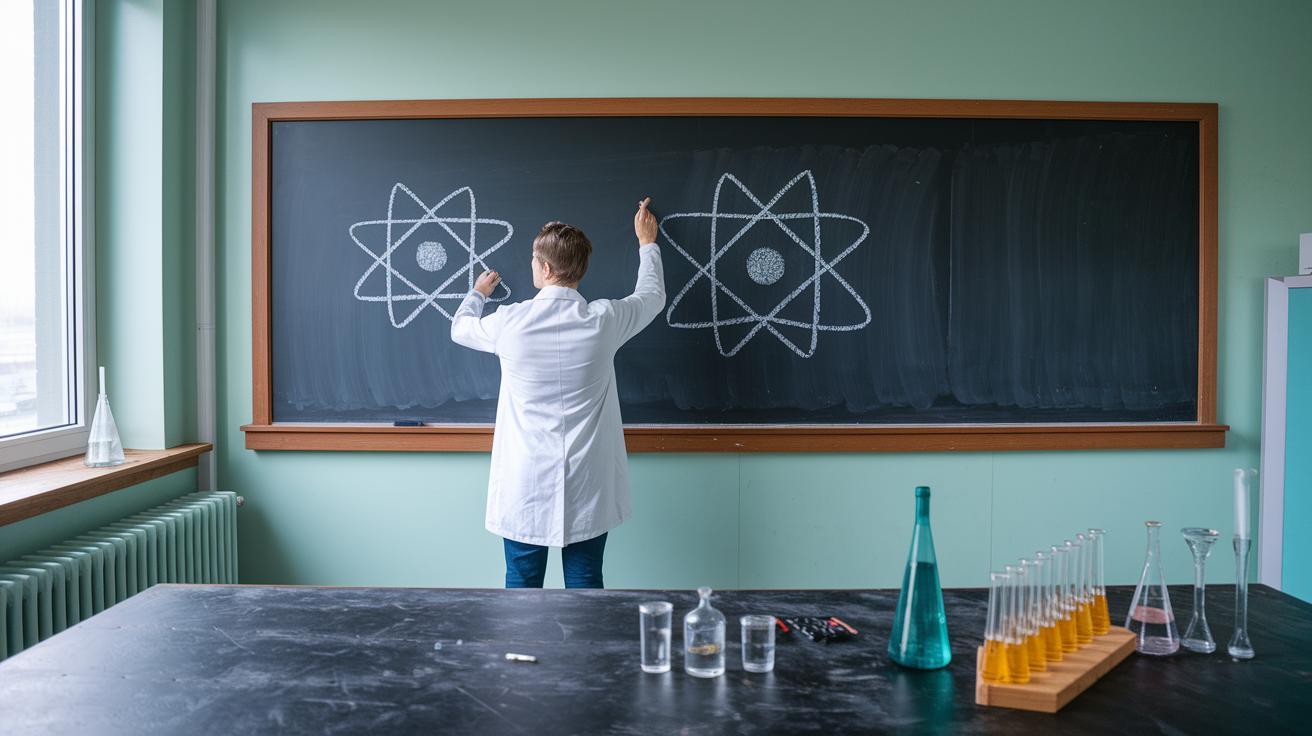
Long ago, curious minds wondered if the world was made of tiny, unbreakable pieces. Back then, these ideas were mostly just thoughts, but they hinted that everything around us could be built from small building blocks. Over time, that simple idea grew into what we now know as atomic theory, a concept many of us learned about even in elementary school.
By the 18th and 19th centuries, scientists started running clever lab experiments that showed matter is made up of individual atoms (the tiny particles that make up everything). These experiments turned a philosophical idea into hard, science-backed proof. In fact, Richard Feynman once pointed out how atomic theory helps explain so many natural phenomena, completely changing how we see the physical world.
Today, atomic theory plays a big role in nanoscience (the study of really small stuff). Researchers now work with individual atoms to craft new materials and devices at the tiniest scales. This ongoing adventure not only pushes advances in chemistry and physics but also sparks fresh, exciting technological breakthroughs. It’s a great reminder that even the smallest pieces can unlock big discoveries.
Medical Innovations: Scientific Discoveries That Transformed Healthcare
Advanced spinal implants are now in clinical trials, and they’re looking really promising. These new implants are designed to create better nerve connections and work more smoothly with the body. One trial even revealed that a patient experienced gradual limb control improvements after just a few sessions with the updated technology. Isn't it fascinating how a small tweak can make such a big difference?
Scientists are also taking a fresh look at our genetic makeup to help people with degenerative disorders. By using rapid genome scanning (a way to quickly read a person’s genes), researchers are searching for rare gene markers that could improve how we predict and treat these conditions. One study even found a tiny genetic variation that shed new light on disease progression. It’s like uncovering a hidden clue that can help personalize treatment plans.
Then there’s exciting work with Gamma Delta T Cells, a type of immune cell that fights cancer. Researchers are refining methods to boost these cells' ability to target tumors. In fact, one study noted that tweaking a patient's treatment to include finely tuned Gamma Delta T Cell infusions led to better elimination of malignant cells. This blend of new techniques and established treatments is opening up fresh avenues for cancer care.
Experiment-Driven Success: Scientific Discoveries Fueling Technological Progress
Today, people from all walks of life, innovators, investors, partners, and policymakers, join forces to speed up progress. They pool their unique skills to design and test new ideas. Picture a creative writer who kicks off a story with an unexpected fact: "Before she became a world-famous scientist, Marie Curie once carried test tubes filled with radioactive material in her pockets, completely unaware of the dangers ahead." That same sense of wonder and discovery drives four key areas: Deep Tech + Exploration, Energy + Climate + Nature, Food + Water + Waste, and Learning + Society. Each area acts like a little lab, nurturing bold ideas until they turn into solid, measurable outcomes.
| Initiative | Focus Area | Outcome |
|---|---|---|
| Mission Methane | Energy + Climate + Nature | Lower greenhouse gas emissions with new energy ideas |
| Coral Restoration | Food + Water + Waste | Boost revitalization of marine life and improved biodiversity |
| Ovarian Decoder | Deep Tech + Exploration | Enhanced diagnostics paving the way for tailored treatments |
These carefully planned experiments are tracked in the 2025 Impact Report. Lab experts go through detailed study stories and data, checking that each project not only reaches its goals but also drives continuous innovation and improvement in technology.
Genetic Revelations: Scientific Discoveries in Biology and Disease
The International HapMap Project changed the game in genetics by charting the variety in our DNA. This huge project showed us why some people might be more likely to get certain diseases. Think of it like reading the instruction manual of life, pretty neat, right? Thanks to these insights, researchers can now better dig into the genetic roots of illnesses and tailor treatments more precisely, turning complex gene maps into essential tools for modern medicine.
Early breakthroughs in understanding metabolic disorders have also made a big impact on healthcare. For example, the discovery of Phenylketonuria (PKU) led to newborn screening programs that catch issues early, saving countless lives. Dr. Roscoe Brady’s work on enzyme replacement therapies gave new hope to patients with metabolic disorders. His efforts paved the way for treatments that fix enzyme problems before they lead to serious symptoms, a true game-changer in patient care.
Experts in the field are buzzing with ideas about the future of genetic research. In various interviews, these scientists talk about new methods that target specific gene changes to improve treatment plans. By linking genetic discoveries with real-life applications, we’re steadily moving toward innovative therapies that could completely transform healthcare in the years ahead.
Accidental Triumphs: Scientific Discoveries Born from Serendipity
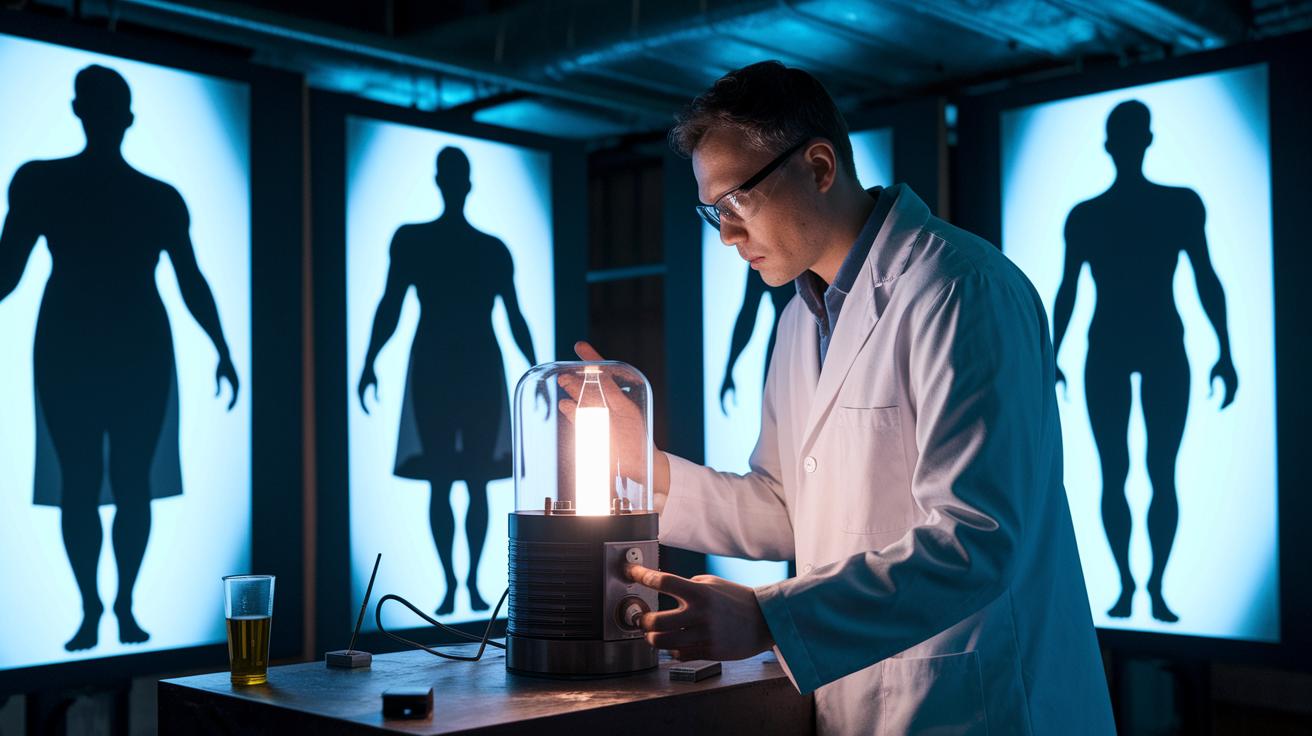
Sometimes, amazing breakthroughs come from happy accidents. Many of our most important discoveries have emerged unexpectedly during simple experiments, completely changing the way we think about science and technology. It’s a neat reminder that those unplanned moments can open up extraordinary paths to progress.
-
Wilhelm Roentgen’s discovery of X-rays (1895)
He was experimenting with cathode rays when he noticed mysterious rays passing through solid objects. This unexpected observation paved the way for non-invasive medical imaging (using rays to view inside the body without surgery) that transformed how doctors diagnose patients. -
Alexander Fleming’s discovery of penicillin (1928)
Fleming found a stray mold growing in his petri dish and realized it was fighting off bacteria. This surprising accident led to the first antibiotic, which has since revolutionized how we treat infections around the world. -
Percy Spencer’s discovery of the microwave oven (1945)
While working near radar equipment, Spencer noticed a chocolate bar melting in his pocket. This chance event gave rise to the microwave oven, a kitchen gadget that’s now found in nearly every home. -
George de Mestral’s invention of Velcro (1948)
De Mestral saw burrs sticking to his clothes and was inspired by nature to develop a new fastening system. His creation of Velcro has had a lasting impact on many industries, offering a simple yet effective way to secure things. -
Spencer Silver’s creation that led to Post-it Notes (1974)
An accidental discovery of a low-tack adhesive eventually turned into the practical office staple we know as Post-it Notes. This offhand finding changed the way we organize, share ideas, and communicate in our daily work lives.
Final Words
In the action, we explored from early atomic theories and groundbreaking lab experiments to modern medical advances and chance discoveries that sparked new research paths. We traced complex ideas down to experiments that reshaped practical health and tech solutions, all presented in clear, approachable steps.
Every segment reinforces how scientific discoveries that changed the world continue to fuel optimism and curiosity. The insights from foundational research to unexpected breakthroughs remind us that each step forward opens fresh possibilities for tomorrow.
FAQ
What are some of the most important scientific discoveries that changed the world?
The most important discoveries range from early breakthroughs like atomic theory to life-changing medical advances, demonstrating how shifts in our understanding shaped modern science.
Which scientific discovery has changed the world the most?
The discovery that all matter comprises atoms is a game changer, as it reshaped both chemistry and physics while forming the bedrock of numerous scientific fields.
What are the top scientific discoveries of the 21st century and the last decade?
Recent breakthroughs include genetic mapping and advancements in targeted cancer therapies that improve healthcare outcomes, marking significant progress in modern scientific research.
What are the top inventions that have impacted our daily lives?
Iconic inventions like atomic theory, X-rays, and accidental serendipitous findings have not only revolutionized scientific thought but continue to drive everyday technological progress.
What is considered the greatest scientific discovery of the last 100 years?
The development and integration of X-ray technology stand out as they transformed diagnostic medicine and set the stage for further advances in medical imaging.