


Have you ever thought that one bold step could change how we see the stars? When Valentina Tereshkova shot into space at just 26, she completely transformed what we believed was possible.
Imagine circling the Earth 48 times, her journey showed us that a courageous spirit can break limits and open new doors to space travel. Her adventure continues to spark inspiration for anyone dreaming of exploring the unknown.
Understanding the Historic First Woman in Space Mission
Valentina Tereshkova took a bold step for human space travel on June 16, 1963 when she entered the Vostok 6 capsule at Baikonur Cosmodrome. At just 26 years old, she set off on a journey that changed the way we see what’s possible beyond our planet. Over nearly three days, she circled Earth 48 times, carrying out weightlessness experiments (where you float because gravity is very weak) and snapping amazing photos of our blue planet. Imagine floating above Earth and watching entire continents glide by like a living, spinning map, it's almost like a dream.
Her flight wasn’t just about breaking records; it showed the world that human spirit and determination can smash through barriers. The mission not only delivered crucial scientific data but also opened the door for broader participation in space exploration. Even today, her incredible journey continues to spark inspiration for scientists and explorers, reminding us that with curiosity and persistence, the wildest dreams can turn into reality.
Valentina Tereshkova’s Early Life and Path to the Cosmos

Valentina Tereshkova was born on March 6, 1937, in Maslennikovo, Russia’s Yaroslavl region. She grew up in a small farming family where life was simple and every day mixed hard work with quiet dreams. Picture a young girl looking up at the wide, starry sky, wondering if one day she could soar among the stars.
At 18, she started working at a textile factory, a job that demanded grit and determination. While many friends stayed in familiar routines, Valentina always felt a pull toward something bigger. By 22, she had become a skilled parachutist, jumping out of planes and enjoying the rush of freefall. It was like rehearsing for a bold performance where even gravity played its part.
Her love for the sky soon led her to a tough and competitive astronaut selection in early 1962. Out of 400 hopefuls, only five women made the cut, thanks in large part to her parachuting experience and strong will. This win wasn’t just about her talent and courage, it was a landmark moment that opened the door for many who came after her. Her leap from textile work to the elite ranks of cosmonaut training shows how passion and hard work can carry you from humble beginnings to the edge of space.
Inside the Vostok 6 Flight: Technical Breakthroughs and Challenges
The Vostok 6 capsule was a true wonder of early space travel. It joined science tools that let researchers do biology tests in zero gravity (when weight seems to vanish). With these tools, scientists could see how living things behaved when they floated around. The capsule also carried cameras that snapped stunning pictures of Earth, views that no one had seen before. And when a small glitch popped up in its navigation system, Tereshkova fixed it on the fly, showing just how comfortable she was with advanced tech.
Planning the Vostok 6 mission meant keeping a close eye on every detail to make sure every system worked perfectly over a long flight. The capsule was built for a long trip, making 48 orbits around Earth in nearly three days (2 days, 23 hours, 12 minutes). This mission needed solid engineering and careful timing. Everything, from the initial launch at Baikonur Cosmodrome to the smooth reentry, had to be just right. Mixing biology tests with photography, this flight wasn’t only about human bravery; it was also a big test of new science tools that would help us understand life in space.
- The science instruments gathered data on how organisms do in zero gravity.
- Tereshkova’s quick mid-flight fix cleared a key navigation glitch.
- The capsule made 48 journeys around Earth.
- The mission ran for almost three days.
- Every step, from launch to landing, was planned with care.
These technical breakthroughs set the stage for later spacecraft designs. By proving that advanced equipment could perform in space and that a skilled human touch was needed to handle surprises, Vostok 6 paved the way for future air and space travel. Its achievements sparked more ideas in building spacecraft and planning missions, giving future explorers a clear guide to meet the challenges of human spaceflight.
Barriers and Triumphs: Gender Milestones in Orbital Exploration
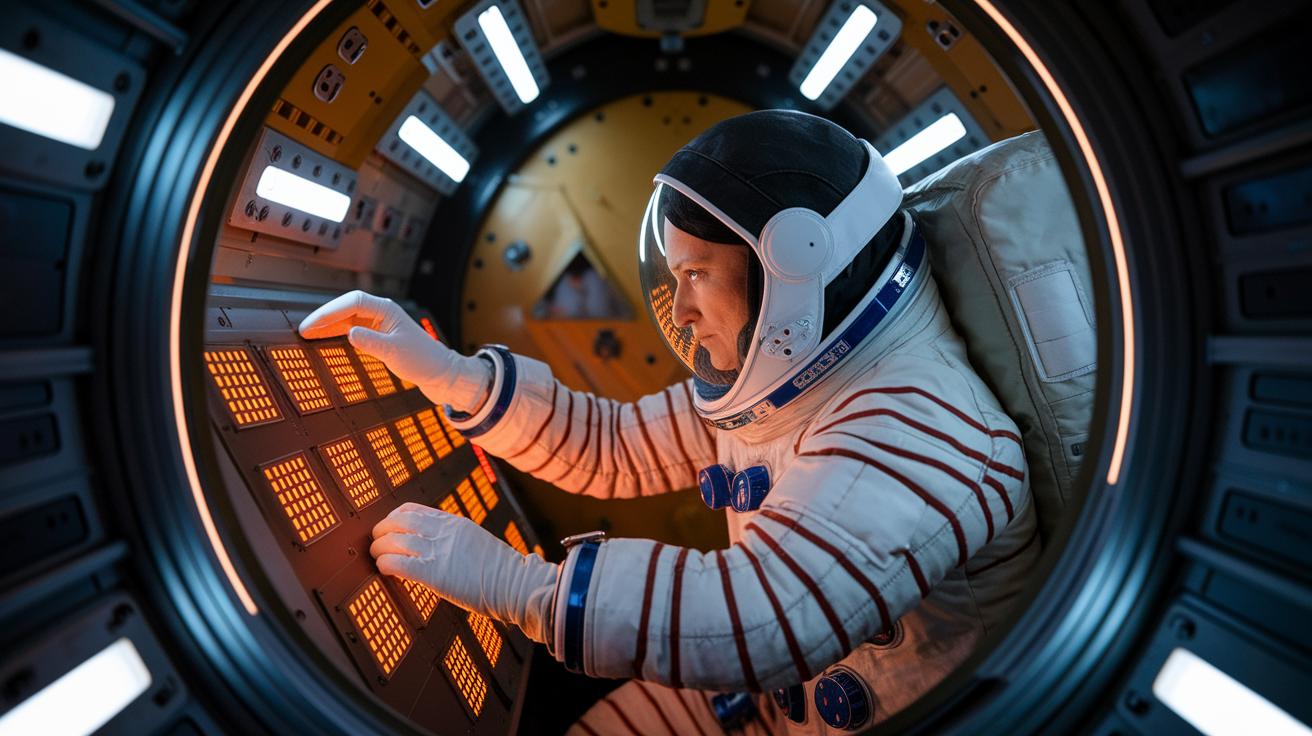
Valentina Tereshkova’s flight wasn’t just an amazing step for space travel, it was a bold move that defied old cultural beliefs. At a time when many thought women couldn’t handle complicated space missions, she rose above the doubts. American media often slandered her abilities, and even parts of the Soviet engineering team were skeptical. Still, she proved her worth not only with her skills as a parachutist and cosmonaut but also when she fixed a navigation glitch during her mission.
Her journey changed how people looked at women in space. By boldly stepping into an arena usually filled with men, Tereshkova broke the mold and set new standards for future female astronauts. Her persistence showed that hard work and talent trump outdated assumptions. And isn’t it inspiring to see someone challenge the status quo, encouraging generations of women to reach for the stars?
The Broader Impact: Tereshkova’s Legacy and Cultural Influence
After Tereshkova's unforgettable ride on Vostok 6, she bagged big honors like the Order of Lenin and the title Hero of the Soviet Union. Imagine a whole nation celebrating someone whose achievements went way beyond one historic flight. On her 70th birthday, she even joked that she’d fly straight to Mars if she could fund it, all of which shows her undying love for space and adventure.
Fresh out of the Zhukovsky Air Force Academy, she didn't just shine as a cosmonaut; she also became a force in politics. As Deputy Chair of the Committee for International Affairs, she helped shape policies on space exploration and brought fresh ideas to global talks. This blend of science and diplomacy helped open doors for budding scientists and engineers all over.
Tereshkova’s lasting legacy goes beyond awards and titles, it’s about lighting a spark in STEM education and inspiring future generations. Her life is proof that passion and hard work can break down old barriers, encouraging young explorers to dream big and reach for the stars.
Transatlantic Trailblazers: From Tereshkova to Sally Ride
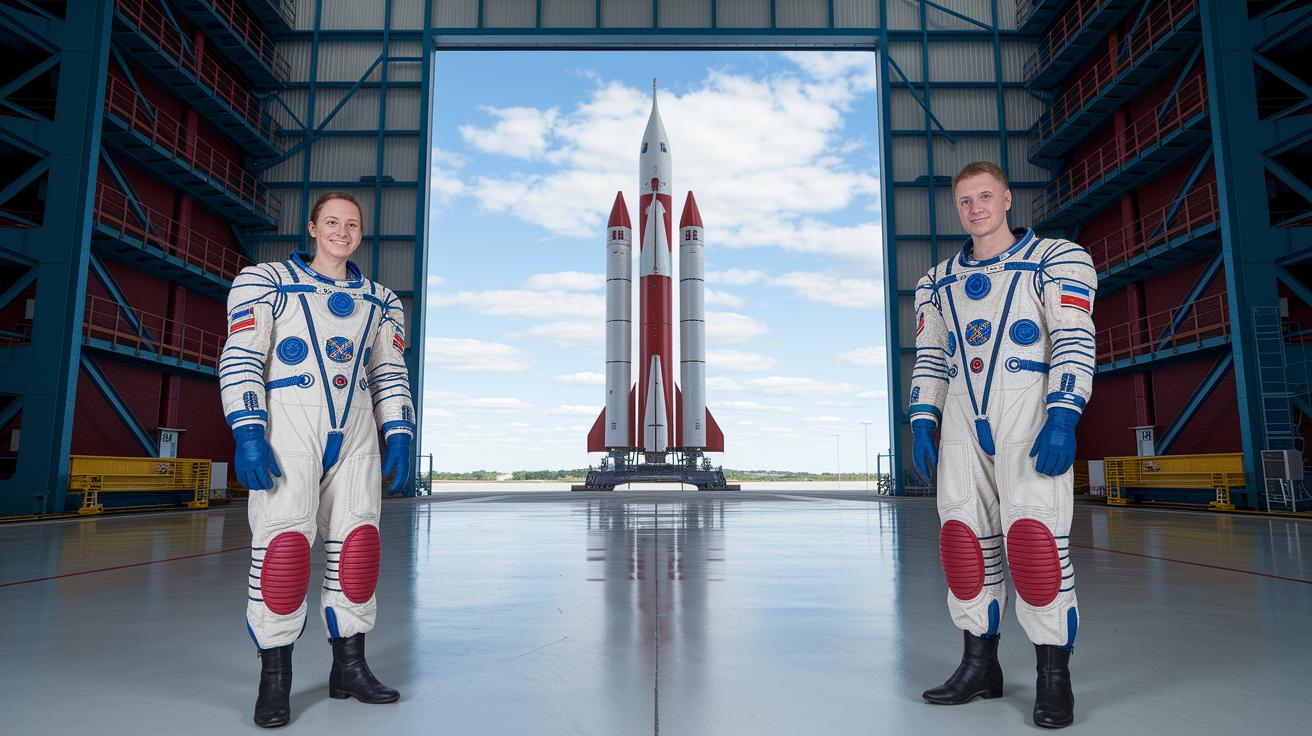
Back in 1963, Valentina Tereshkova became the first woman to journey into space. Her short but historic flight showed that determination and technical skill can open doors in a field that was once all about men.
Then in 1983, Sally Ride built on that early success during the STS-7 mission. As the first American woman to venture into space, she not only guided the shuttle’s robotic arm but also ran experiments that challenged old ideas about women’s roles in space. It’s easy to see how her work with emerging tech helped reshape NASA's research methods.
Together, Tereshkova and Ride mark important milestones in the story of space exploration. While Tereshkova’s solo flight broke new ground on the Soviet side, Ride’s smart, hands-on contributions at NASA paved the way for more women to join the high-tech frontier.
Imagine one tale of a daring solo flight that pushed past limits, alongside another of careful, technical achievements that both diversified crews and advanced the science of exploring space.
Timeline of Early Female Space Voyages
This overview highlights two incredible missions that helped open the door for women in space. We’re looking at key dates, orbit counts, and special milestones that marked these historic voyages. Check out the table below, it even shares some extra context on every mission, giving you a clear snapshot of these groundbreaking achievements.
| Astronaut | Nation | Mission | Date | Orbits | Achievement |
|---|---|---|---|---|---|
| Valentina Tereshkova | USSR | Vostok 6 | June 16, 1963 | 48 | First woman to orbit Earth |
| Sally Ride | USA | STS-7 | June 18, 1983 | 144 | First American woman in space |
Final Words
In the action of recounting the breakthrough of the first woman in space, we witnessed a tale of determination and courage. We explored how Tereshkova’s journey, from her humble beginnings to commanding a historic Vostok 6 mission, challenged norms and inspired a broader shift in space exploration.
Her technical triumphs and personal resolve set the stage for later pioneers, including Sally Ride. This remarkable milestone continues to spark enthusiasm and reminds us to keep daring and dreaming, no matter the obstacles on our path.
FAQ
Who was the first woman in space?
The first woman in space is Valentina Tereshkova, who piloted Vostok 6 on June 16, 1963 from the Baikonur Cosmodrome. She orbited Earth 48 times and conducted essential scientific tests.
When did the first woman in space fly and what did she accomplish?
The flight on June 16, 1963 saw the first woman in space complete multiple Earth orbits, perform microgravity experiments, and capture stunning photographs, marking a pivotal achievement in space exploration.
Who is recognized as the first American woman in space?
The first American woman in space is Sally Ride, who flew aboard STS-7 on June 18, 1983. She managed shuttle systems and inspired many future explorers with her pioneering achievement.
Who was the second woman in space?
The second woman in space was Svetlana Savitskaya. She broke barriers following Tereshkova by taking part in a groundbreaking mission that furthered the role of women in space travel.
Has any woman flown to the Moon?
No woman has flown to the Moon; all lunar landings have been undertaken by male astronauts, leaving the historic Moon missions without a female participant.
Is the 100 tampon story true?
The claim regarding a “100 tampon story” is unverified and considered a myth, without any supporting evidence from established sources or historical records.
Did the first woman in space die during her mission?
The first woman in space, Valentina Tereshkova, safely completed her mission and continued a remarkable career in aviation and public service after her landmark orbital flight.
Who are some notable female pioneers in space and science?
Notable pioneers include Valentina Tereshkova, Svetlana Savitskaya, Sally Ride, Kalpana Chawla, Mae C. Jemison, and Marie Curie, each celebrated for their groundbreaking contributions to science and exploration.