


Have you ever thought about what happens when a moon mission doesn’t go as planned? Athena Lunar Lander set out to check for hidden water on the moon, only to face a hiccup during landing that turned every challenge into a teachable moment. It reminds us that, even when plans fall apart, every twist can lead to smarter and bolder adventures in space. In fact, a setback like this might just spark the bold ideas needed for the next great lunar journey.
Athena Lunar Lander Mission Overview
Athena is Intuitive Machines’ second lunar lander mission. It blasted off on February 26, 2025, at 7:17 p.m. EST from Kennedy Space Center on a SpaceX Falcon 9 rocket. The spacecraft spent about a week cruising toward the moon, following a path near its south pole. Pretty wild, right? Even a straightforward launch like this can change the whole game in space travel.
But things didn’t go exactly as planned. As Athena made its descent on March 10, 2025, it didn’t land in an ideal, upright position, instead, it ended up resting on its side. Because of that, its solar panels couldn’t soak up enough sunlight to recharge the battery, and the mission had to be cut short. This little bump got engineers chatting about better landing and power strategies for the next runs.
The main goal of Athena was to search for water below the moon’s surface, a big part of NASA’s CLPS initiative that backs the Artemis missions. Even though the landing twist ended its active period quickly, the lander still sent back some useful data. These insights will help shape improvements for future lunar missions and pave the way for longer stays on the moon.
| Detail | Information |
|---|---|
| Launch date, rocket, and site | February 26, 2025; SpaceX Falcon 9; Kennedy Space Center |
| Transit duration | About one week |
| Landing location | Near the lunar south pole |
| Primary science objective | Detect subsurface water for CLPS |
| Mission challenge | Misaligned landing led to insufficient solar charging |
Athena Lunar Lander Design Specifications

Athena comes off as a clever blend of compact strength and smart design. Weighing in at about 1,200 kg and standing 3.7 m tall, it’s built to be both sturdy and efficient. Its solar wings, which extend to 5.6 m when deployed, are like the sun-capturing arms of a mini spacecraft apartment where every gram and inch is put to good use.
Power is a big deal for Athena. It features two solar arrays that open up to soak in sunlight, much like large, energy-hungry wings. When the lunar shadows roll in, a Li-ion battery pack steps in so nothing shuts down. With clever thermal measures to manage wild temperature swings, Athena keeps its electronics safe and sound, even in the moon’s chilly nights.
For getting around and controlling its descent, Athena leans on hydrazine monopropellant and four throttleable engines. Its onboard computers and hazard-avoidance sensors work closely together to navigate tricky lunar terrain. This means that if one part ever falters, another picks up the slack, ensuring the lander is as reliable and adaptable as a well-oiled machine.
| Specification | Athena Value |
|---|---|
| Mass | ~1,200 kg |
| Height | 3.7 m |
| Solar Wingspan | 5.6 m |
| Propulsion | Hydrazine monopropellant with four throttleable engines |
| Power | Dual deployable solar arrays plus Li-ion battery pack |
| Avionics | Redundant flight computers and autonomous hazard-avoidance sensors |
Athena Lunar Lander Mission Timeline
Athena’s adventure kicked off with a tight countdown and a smooth liftoff on February 26, 2025 from Kennedy Space Center aboard a Falcon 9 rocket. The journey continued with a careful, week-long trip to the moon where every move was planned to perfection. By March 4, 2025, the spacecraft slid into lunar orbit, a key step that set up a series of detailed system checks and payload rehearsals from March 5 to March 9. This stage made sure each onboard instrument was ready to face the challenges ahead, proving that the mission depended on precise timing.
Then on March 10, 2025, Athena entered the descent phase, the most nail-biting part of the mission. As the craft began its careful glide toward the lunar surface, engineers kept a close eye on every detail of its path. Unfortunately, when touchdown came, Athena ended up on its side instead of standing upright. This misalignment meant the solar panels couldn’t catch enough sunlight to recharge the power system, cutting active operations short. Now, engineers are digging into these details to tweak future descent planning and landing maneuvers.
Athena Lunar Lander Science Objectives and Payload
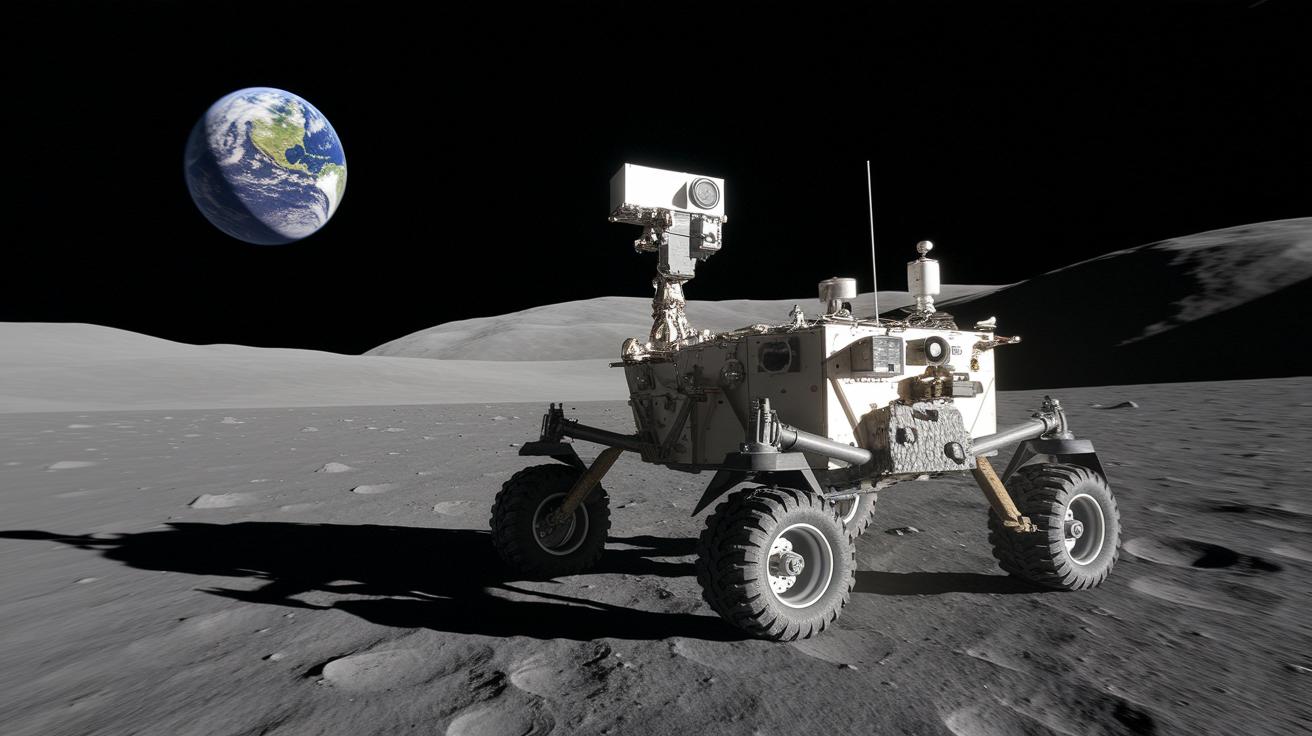
Athena’s onboard science suite was built to answer big questions about the moon’s surface and what lies beneath. Carrying a payload of about 30 kg, the mission plans to map out ice hidden below, study the minerals in lunar soil, and test how well our sensors perform in a tough environment. This work is a key part of NASA’s effort to learn more about lunar resources and set the stage for future moon missions.
The payload includes three main instruments: a ground-penetrating radar, a neutron spectrometer, and a mass spectrometer. The ground-penetrating radar works by sending radio waves into the moon, much like an echo to reveal hidden ice layers. The neutron spectrometer measures how atoms are arranged in the soil, while the mass spectrometer looks at the chemical make-up of the minerals. Together, these tools will paint a clear picture of the moon's geology and resource potential, sparking ideas for even bolder lunar adventures.
Athena Lunar Lander Landing Challenges
Athena’s landing experiment didn’t go as planned. The lander managed to make contact with the Moon’s surface but ended up tipping over, leaving its solar panels askew. Because of this misalignment, the panels couldn’t catch enough sunlight to recharge the battery. Think about trying to charge your phone on a freezing winter day, that’s pretty similar to what occurred here. The tech team noticed that the way the lander’s legs unfolded and the impact during touchdown played a big part in this setback.
Now, engineers are rolling up their sleeves to fix these issues. They’re focusing on boosting power management and making the leg deployment more reliable so that future missions aren’t derailed the same way. They’re testing new safety measures and risk assessments, and looking into smart fixes that keep the panels pointed right at the sun while handling sudden temperature drops. With these improvements, we can look forward to smoother, more efficient lunar landings in upcoming missions.
Athena Lunar Lander Inspires Bold Lunar Vision
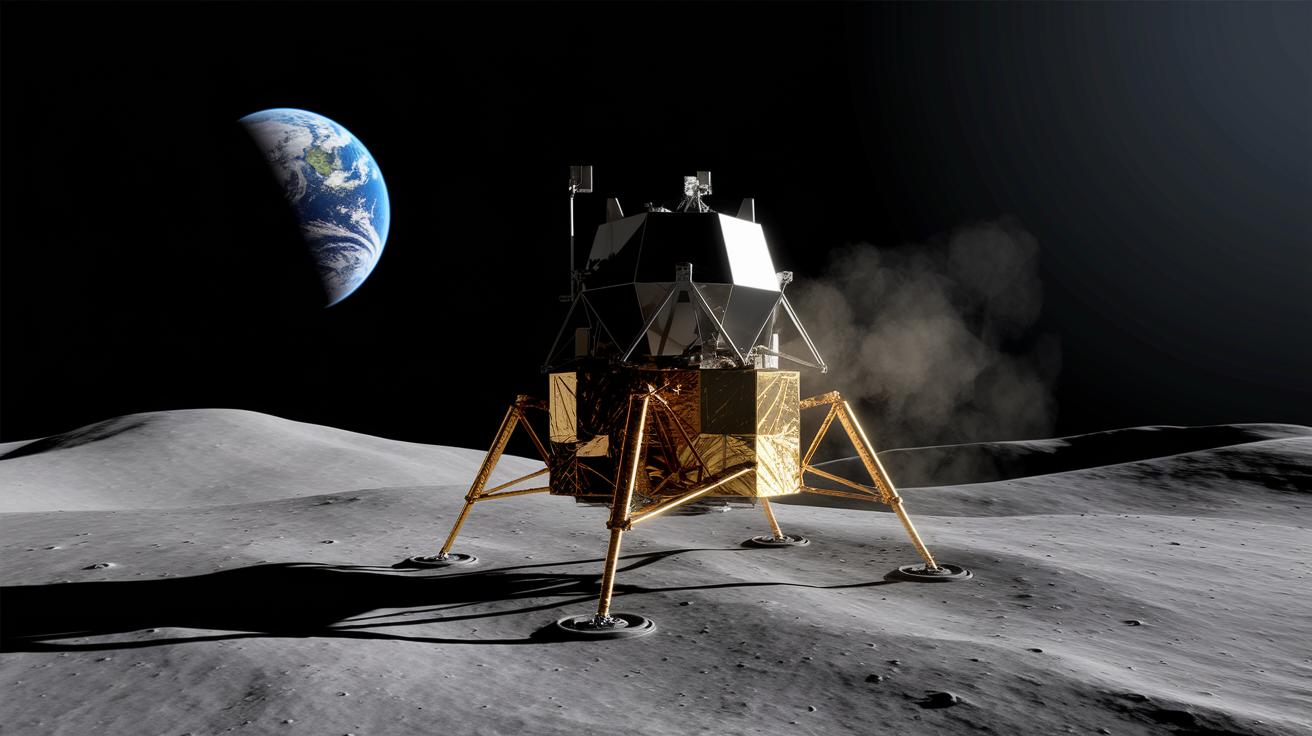
You might remember that Intuitive Machines sent a craft called Odysseus to the moon, and even though it hit some bumps during its landing, those efforts paved the way for Athena's brave new approach. Athena takes these earlier lessons to heart, using fresh techniques to fix past mistakes and make landings safer and more precise. It’s a great reminder that every misstep teaches us something new about the challenges of touching down on the lunar surface.
Lunar exploration has come a long way since the days when Luna 9 became the first spacecraft to land gently on the moon in 1966. Today, NASA's Commercial Lunar Payload Services brings government groups and private companies together like one big team to handle the moon's tough conditions. When you compare today's hurdles with the historic missions of the Soviet Union and NASA, you can see Athena's clear promise to refine its technology and take us further in our journey to explore the moon.
Athena Lunar Lander Future Prospects
The data we got from Athena is already lighting the way for improvements in the design of IM-3 and upcoming Commercial Lunar Payload Services missions. Teams are tweaking the landing software (the code that helps the lander come down safely) and power controls based on what they learned from Athena, aiming to dodge the same issues in future missions. These updates will make future landers more nimble and trustworthy, better able to tackle the tough conditions on the moon’s surface. In simple terms, we’re heading toward smarter spacecraft that can adjust on the fly, lowering risks during both the descent and operations on the surface.
Looking forward, the lessons learned from Athena are also shaping plans for the Artemis human landing systems and a long-term lunar outpost. Engineers are using this fresh data to build stronger, safer landers for people, as well as better surface setups. This progress not only means improved robotic missions but also big steps for human space travel, paving the way for a more dependable and connected approach to exploring the moon.
Final Words
In the action of tracing each phase, we covered the launch, week-long lunar transit, and the rocky landing that shifted the mission’s course.
We looked at detailed design specs, power system challenges, and lessons learned in the landing.
The story of the athena lunar lander brings inspiring insights that spark further innovations and optimism for tomorrow’s lunar pursuits.
FAQ
What happened to Athena Moon Lander?
The Athena Moon Lander experienced a landing mishap by touching down on its side. This misalignment prevented the solar panels from recharging the onboard battery, leading to an early mission end.
Who owns Athena Moon Lander?
The Athena Moon Lander is operated by Intuitive Machines, a private company working with NASA under the Commercial Lunar Payload Services program.
Did Athena land on the moon successfully?
The Athena mission did achieve a lunar landing; however, the lander tipped over upon touchdown, which led to power issues and halted mission operations.
Where is Athena lander now?
The Athena lander remains on the lunar surface in its tipped-over position, unable to resume normal operations after its solar panels misaligned with the sun.
What is IM-2 in relation to the Athena lunar mission?
IM-2 represents the second mission by Intuitive Machines, and Athena is part of this series that is helping refine techniques for future lunar landing efforts.
What does “The Athena launch explosion” refer to?
The Athena mission’s launch on February 26, 2025, was smooth with no explosion, and the vehicle successfully lifted off from the Kennedy Space Center aboard a Falcon 9.
What details are available about related lunar missions such as Blue Ghost Mission 1, IM-1, IM-3, Hakuto-R Mission 1, and Peregrine Mission One?
Related lunar missions like Blue Ghost Mission 1, IM-1, IM-3, Hakuto-R Mission 1, and Peregrine Mission One each contribute to advancing lunar exploration, offering varied approaches and technologies for reaching and studying the Moon.
Where can I find more information or videos on the Athena lunar lander?
More information, including detailed articles and videos regarding the Athena lunar lander, is available on NASA’s official website and on Wikipedia, which provide insights into its design, mission, and challenges.
What is the IM-2 mission launch date?
The IM-2 mission, part of the Athena series, launched on February 26, 2025, from the Kennedy Space Center aboard a SpaceX Falcon 9.