


Imagine if you could redesign life. Scientists are now using synthetic biology to do just that by turning living cells into parts of a planned machine. They treat biology like a design challenge, mixing together tiny helpers (enzymes) and smart gene switches (genetic circuits that act like computer parts) to build new systems.
This field shows that we’re not just watching nature from the sidelines, we can actually shape it. In this article, we’re going to explain the basics of synthetic biology and show how its engineering approach is changing the way we see living things.
Defining Synthetic Biology: Core Principles and Scope
Synthetic biology is all about creating new living things, like enzymes, genetic circuits, and cells, or tweaking what’s already out there. Think of it like designing a computer chip, where every tiny part is carefully planned and put together. Scientists do the same with biological systems, assembling each piece with precision.
This field treats living systems as collections of standard parts that can be mixed and matched like puzzle pieces. Researchers work on parts such as enzyme motifs (basic building blocks), genetic circuits (small loops of DNA that control functions), and metabolic pathways (sequences of chemical reactions) to build more complex systems. It’s a shift from just watching nature to actively designing it.
| Stage | Description |
|---|---|
| Design | Create standard biological parts and devices |
| Build | Synthesize DNA and assemble the components |
| Test & Iterate | Measure, model, and fine-tune the system |
By treating biology like a design challenge, synthetic biology shows us how to apply engineering ideas to living organisms. This approach lets us tailor biological systems for specific tasks, paving the way for exciting innovations in science and technology.
Evolution of Synthetic Biology: Historical Milestones
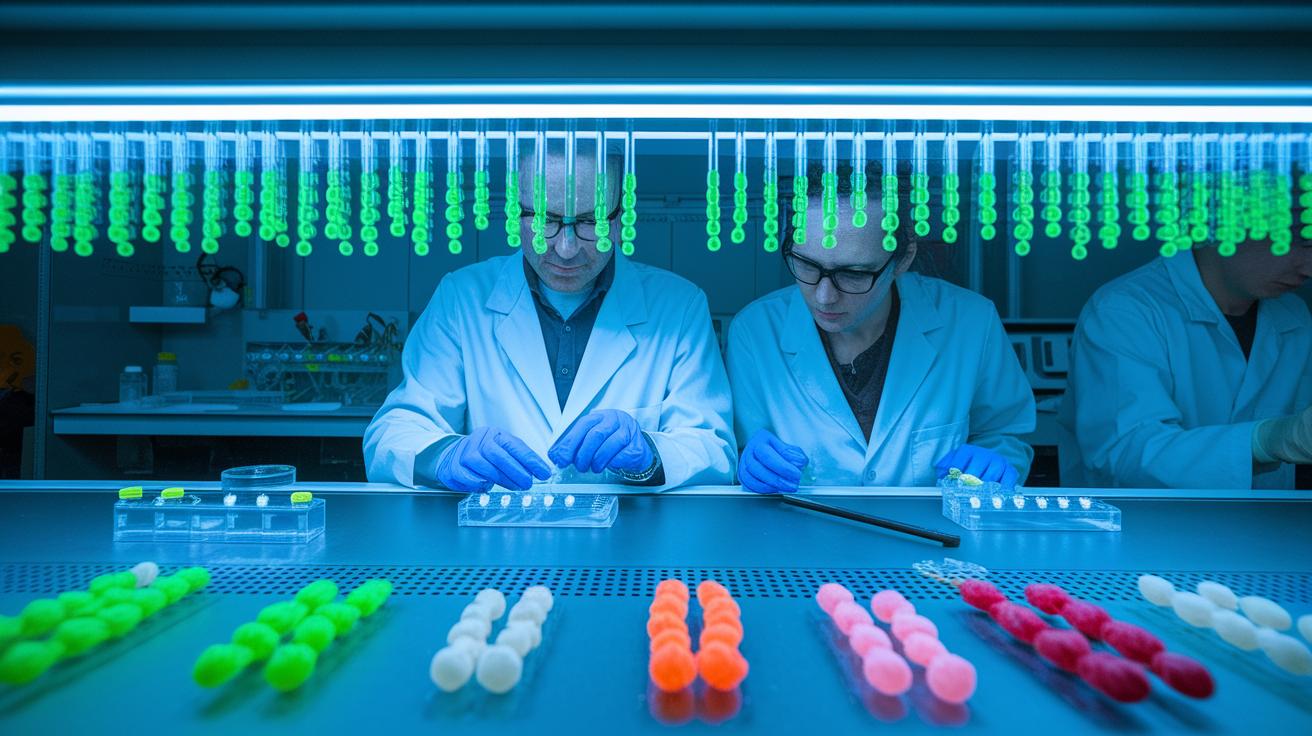
Synthetic biology got its start back in 1961 when researchers were studying E. coli circuits, unknowingly laying the groundwork for designing living systems. Early tests in 2000 and 2003 showed that scientists could control engineered genetic oscillators and switches with precision, just like snapping together building blocks. It was an eye-opening moment that hinted at a future where living cells might be managed as carefully as computer circuits.
Things quickly sped up from there. In 2004, a key conference at MIT spread the word about synthetic biology all over the globe. Then, just two years later, the NSF jumped in with a major 10-year, $37 million grant to boost efforts at places like SynBERC and the BioBricks Foundation. Federal support grew even more between 2008 and 2014, with $820 million fueling research. Milestones like the WHO-approved semi-synthetic artemisinin in 2013 and the opening of Northwestern’s Center for Synthetic Biology in 2016 marked turning points that changed the game.
More recently, new initiatives continue to push the field forward. The 2016 Human Genome Project-Write proposal and the NSF-backed SynBAS program, armed with a $3 million grant from 2018 to 2020, expanded how we work with genomes (the complete set of genes). And then, in September 2022, a national biotechnology and biomanufacturing initiative underscored that biology is steadily becoming an engineered science, reshaping the way we live and work.
Key Techniques and Design Principles in Synthetic Biology
At the core of synthetic biology is the design-build-test cycle. Scientists craft biological parts, put them together with modern tools, and then check how they perform. Thanks to advances in DNA reading and making (methods for uncovering and creating DNA) plus cool developments in machine learning and AI (computers that learn from data), what used to take months now happens in days. Different fields like biology, computer science, and engineering work side by side to help researchers create living systems with more precision and speed.
- State-of-the-art DNA building and joining methods
- Automated systems that handle liquids precisely and streamline lab work
- Rapid screening to pick out the best traits in organisms
- Computer models and smart designs powered by machine learning
- Testing genetic circuits in setups without using live cells
These methods go beyond a simple process; they offer a whole approach to manage the tricky nature of biological systems. For instance, automated liquid-handling machines and biofoundries team up with computer modeling to sort out complex gene interactions that would be nearly impossible to predict by hand. By using standard base organisms and cell-free systems, scientists test their designs in controlled environments before trying them in actual living cells. Collaborative platforms, like open science through data-sharing websites, help ideas and discoveries move quickly, which further speeds up innovation. Putting these strategies together means that projects are done faster, work more efficiently, and cost less. Ultimately, speeding up the design-build-test cycle is paving the way for a future where custom biological solutions help tackle big challenges in medicine, farming, and industry.
Synthetic Biology in Medicine: Therapeutics and Diagnostics
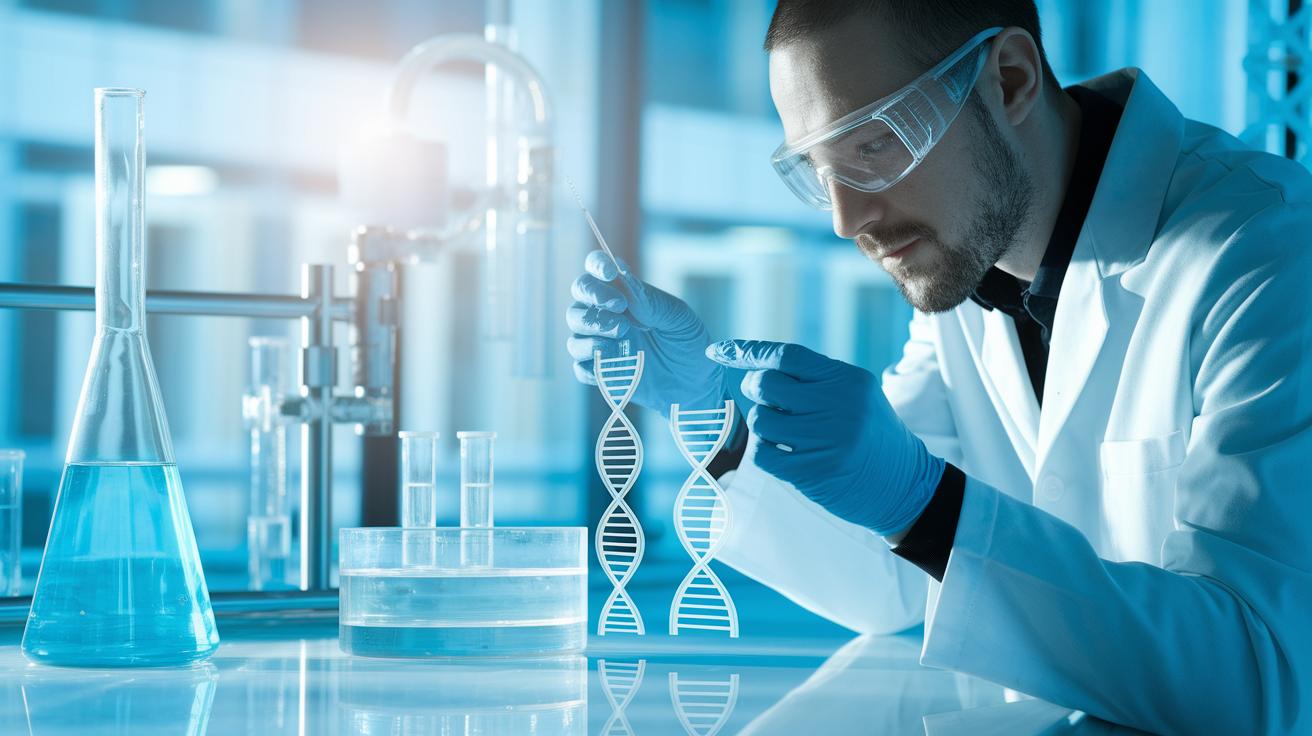
Synthetic biology is changing how we make drugs and vaccines. It lets scientists design living systems in a brand new way. For example, researchers rework cells to produce helpful proteins and craft small-molecule drugs that attack diseases much more precisely. In fact, mRNA vaccines, once just an idea, now protect millions by teaching our immune systems to fight off infections.
Real-life stories show just how powerful synthetic biology can be. In 2013, a semi-synthetic artemisinin project helped create an antimalarial drug on a large scale, making a significant impact in areas plagued by malaria. Similarly, improved methods for developing mRNA vaccines turned an experimental idea into treatments that save lives. These examples remind us that tweaking living cells can lead to smarter and more scalable healthcare solutions.
New diagnostic tools are also making a big mark in medicine. Scientists are designing biosensors and engineered genetic circuits (setups that control how genes work) to spot disease markers fast. Imagine a quick test that can instantly detect an infection or check disease progress, that’s the promise these innovations hold. By moving from old-school methods to engineered solutions, synthetic biology is paving the way for quicker and more reliable testing and treatment options.
What is synthetic biology: Clear, Bold Science
Engineered microbes are changing farming in exciting ways. These tiny, natural helpers work in the soil by grabbing nitrogen from the air and making natural fertilizers that help crops grow. Many farmers are noticing that using these microbes improves soil health, cuts costs, and even manages water use better, all of which support more sustainable farming.
Innovative bacteria are also stepping up to protect our environment. Some special strains take CO₂ (a greenhouse gas) and turn it into useful chemicals like acetone and isopropanol. And then there’s research into creating eco-friendly materials, such as leather substitutes made from kombucha. This clever method not only reduces harmful emissions but also transforms waste into practical products that benefit both nature and industry.
Looking ahead, synthetic biology is sparking big ideas that could reshape our world. Scientists are even exploring ways to bring back extinct species, like the woolly mammoth, to help rebalance delicate ecosystems. These ambitious projects blend nature’s intricate balance with smart scientific design, paving the way for a future where both agriculture and environmental care thrive together.
Industrial Biomanufacturing with Synthetic Biology

Large-scale fermentation is the engine that drives industrial biomanufacturing. Think of it as a bustling factory where tiny cell units work hard to produce what we need. Scientists design these microbes like little workers to churn out biofuels and everyday chemicals, such as acetone and isopropanol, in controlled tanks. New genome techniques let engineers fine-tune each cell for special chemicals, making sure every part works smoothly. And with modular bioreactors, it's easy to switch gears and produce cutting-edge materials or even important medicines like semi-synthetic artemisinin, which plays a key role in global health.
Commercial success in this field happens when genome-scale engineering meets efficient production methods. Companies are now moving away from old-school chemical synthesis and turning to engineered organisms to make recipes that were once too complex and pricey. This not only speeds up production but also cuts costs and helps the environment. By using genome engineering (adjusting the inner workings of cells), producers can fine-tune processes to boost output and maintain quality. In truth, blending biology with manufacturing is paving the way for new market opportunities and changing how we create chemicals and medicines.
Ethical, Safety, and Regulatory Considerations in Synthetic Biology
Communities have joined forces to create simple rules for labs and DIY settings, making sure engineered organisms are handled safely. Even a small experiment in a garage can stir up debates about proper containment. You might hear someone mention, "In a tiny home lab, even one misstep can spark community chatter about risks and control." It’s a clear sign that open, honest communication is key to earning public trust as science changes the way we work with living systems.
Around the globe, rules for synthetic biology differ a lot. For example, the 2022 U.S. national biotechnology program shows that there’s an increasing push for careful oversight. Lawmakers and researchers are teaming up to create ethical guidelines that address both professional lab work and home-based bio projects. They even take part in discussions, such as those in science and technology studies (https://fairlygreat.com?p=1307), to bring together different viewpoints and craft practical strategies. The goal is simple, to balance cool scientific discoveries with values that keep everyone safe.
Future Prospects and Emerging Trends in Synthetic Biology
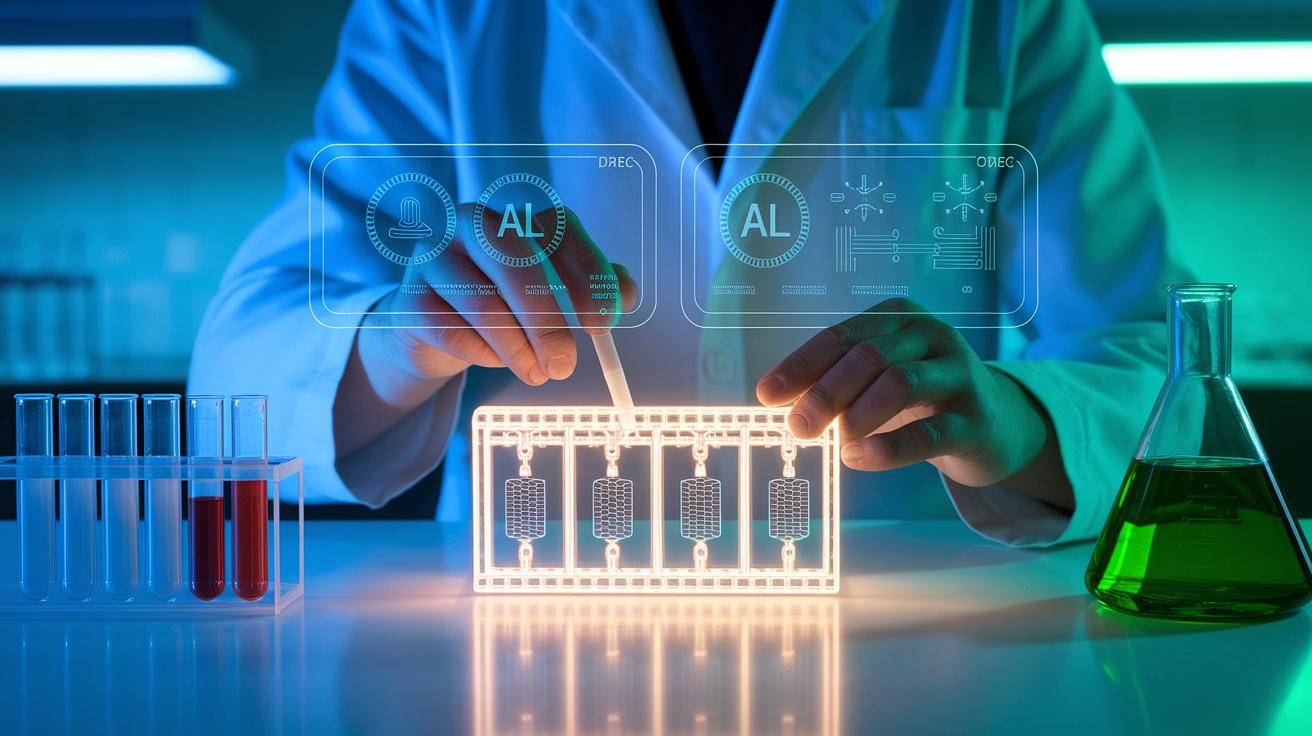
Cutting-edge tech is completely changing how we think about synthetic biology. AI-powered design platforms help scientists create biological systems at a speed and precision that used to be hard to imagine. There’s even something called cell-free systems, essentially, these let researchers test parts outside of living cells, making experiments faster and safer. Imagine building a new genetic circuit like you’d put together a simple gadget at home, with smart tools that get smarter with every test.
Big research projects are also shaking things up. Projects like the Human Genome Project-Write and SynBAS research are pushing our ability to reengineer genomes to a whole new level of accuracy. These efforts not only deepen our grasp of basic biology but also open doors in medicine, energy, and environmental care. They’re setting the stage for advanced systems that might one day tackle some of our toughest challenges.
The startup and investment scene is buzzing with activity too. Companies like Ginkgo Bioworks are leading the charge by mixing biology with technology in fresh, innovative ways. With more investors joining in, noticed in the rise of ETFs and venture rounds, these breakthroughs are quickly moving from the lab to real-world applications. It’s an exciting time where great ideas are turning into practical, impactful solutions almost overnight.
Final Words
In the action, we reviewed how synthetic biology is redefining biology by treating it like a design problem. We explored core ideas, from basic principles to the role of engineered parts that work like circuits in a computer.
Our discussion showed how modern tools have sped up the build-test cycle and turned what is synthetic biology into an accessible field. This approach brings science closer to everyday life and sparks optimism for a future filled with smart, efficient solutions.
FAQ
What are some examples of synthetic biology?
Synthetic biology examples include designing genetic circuits, engineering cells to produce therapeutic compounds, and developing microbes that aid agriculture, illustrating how biological components can be reassembled for new functions.
What are synthetic biology applications?
Synthetic biology applications span medicine, agriculture, energy, and industrial chemistry by engineering biological systems for improved drug production, sustainable crops, and efficient manufacturing processes.
What is synthetic biology and biotechnology?
Synthetic biology and biotechnology both manipulate living systems; synthetic biology redesigns biological parts for new functions while biotechnology typically uses these systems in their natural state to address practical challenges.
What is synthetic biology pdf?
A synthetic biology PDF is a document used to explain the field’s fundamentals, techniques, and examples, serving as a resource for students and enthusiasts to learn about engineered biological systems.
How does synthetic biology work?
Synthetic biology works by assembling standardized biological parts, similar to building electronic circuits, to create new systems or modify existing ones in order to perform functions for various applications.
Why is synthetic biology important?
Synthetic biology is important because it provides innovative ways to tackle challenges in healthcare, agriculture, and industry by enabling precise design and control of biological systems for improved outcomes.
What is a synthetic biology course?
A synthetic biology course introduces students to the theory and practice of engineering life through lessons on genetic circuits, design–build–test methods, and hands-on projects that mirror real-world applications.
Is synthetic biology ethical?
Synthetic biology raises ethical questions by challenging conventional boundaries with genetic modification, prompting discussions about environmental impact, biosafety, and the moral implications of engineering life.
What is synthetic biology in simple terms?
In simple terms, synthetic biology is the practice of designing and building new biological parts and systems much like assembling electronic components to solve challenges in diverse fields.
Why is synthetic biology controversial?
Synthetic biology is controversial because it involves altering life at a fundamental level, which raises concerns about safety, unintended ecological effects, and the moral limits of human intervention.
What is the difference between biotechnology and synthetic biology?
The difference between biotechnology and synthetic biology is that biotechnology traditionally harnesses natural processes, while synthetic biology takes an engineering approach to reassemble and redesign biological systems for novel functions.