


Ever wonder how your personal info stays safe online? SIEM cybersecurity is like a smart helper that watches out for risks before they turn into big problems.
Think of SIEM as a trusty watchdog that keeps an eye on every system and app, quickly alerting teams when something seems off. It acts as an early-warning system that stops threats before they cause harm and helps save you the hassle and cost of fixing breaches later on. In a world where cyber threats keep changing, exploring SIEM’s proactive detection methods might just be the smartest move for a safer digital space.
SIEM Cyber Security Foundations
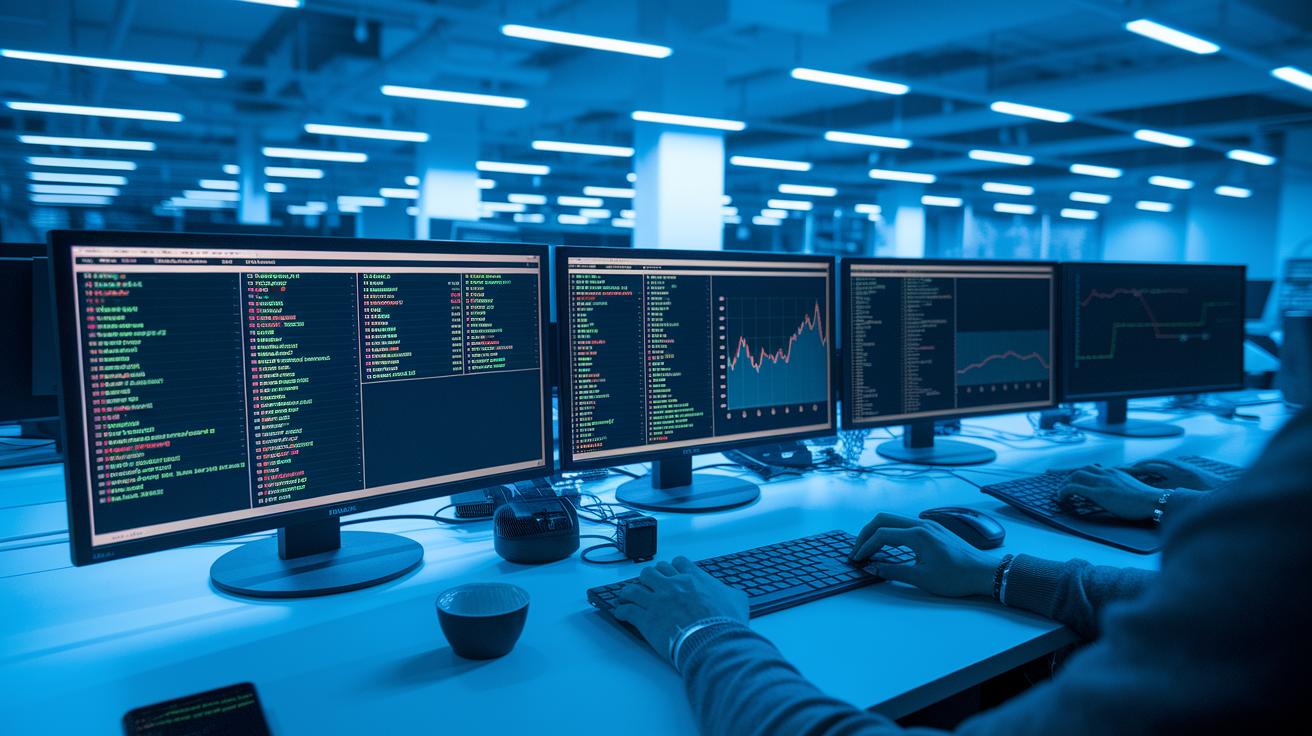
Have you ever wondered how security teams keep our digital world safe? SIEM stands for Security Information and Event Management, and it’s designed to help teams watch over systems and spot threats as they happen. By pulling together data from servers, network devices, apps, and endpoints (all the places where information lives), SIEM makes it possible to catch suspicious behavior early, long before it turns into a big problem. Fun fact: SIEM was first introduced in a time when cyber threats were much simpler, and log collection was mostly about checking boxes for compliance rather than stopping attacks.
Since Gartner first talked about SIEM back in 2005, it’s grown to handle some pretty clever threats. Today, experts say the market could jump from $4.8 billion in 2021 to $11.3 billion by 2026. And in 2023, data breaches cost businesses an average of $5.2 million worldwide, with companies in the U.S. sometimes facing over $10 million in losses. These numbers highlight just how vital SIEM solutions are for limiting damage by catching threats quickly.
At its core, SIEM brings together data collection, real-time monitoring, deep-dive incident investigations, and smart alerting all in one place. This lets security teams sift through huge amounts of data, almost like watching a security camera, to pinpoint risks and respond without delay. In a nutshell, SIEM provides the essential framework for spotting and managing threats in today’s digital landscape.
Key Components of a SIEM Cyber Security Solution
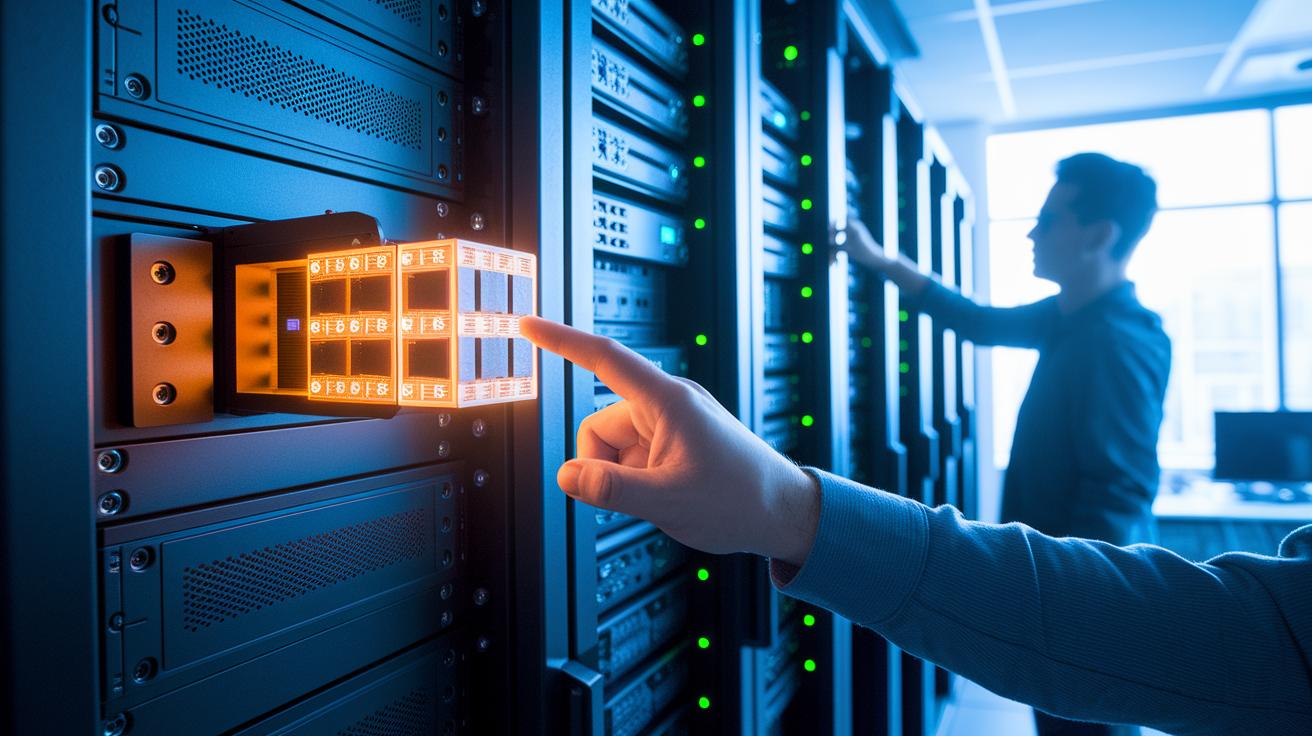
A modular design helps break a tough cybersecurity challenge into smaller, manageable tasks. This way, updating, troubleshooting, and expanding the system as threats evolve becomes a breeze. Each module works on its own task, and together they form a solution that runs like a well-oiled machine.
- Secure data ingestion pipelines for servers, network devices, and applications
- Log management and normalization systems
- Event correlation engine with custom rules and machine learning (smart computer methods to spot patterns)
- Analytics and dashboard interfaces for real-time monitoring
- Threat intelligence integration
- Incident investigation and forensic tools
These parts form the backbone of a SIEM framework, with every piece playing its role in spotting potential threats early. The secure pipelines gather raw data from many sources, while the log management system cleans and organizes this information so it’s easier to analyze. The event correlation engine uses carefully set rules and basic machine learning to sift through the noise, kind of like picking out the important details in a busy scene. Real-time dashboards then provide a clear, visual overview, letting teams spot unusual activity at a glance. By merging in up-to-date external threat data, the system makes sure alerts are both current and meaningful. Plus, the investigation tools help security experts dig into any breaches, learn from them, and fine-tune the system further.
All in all, these building blocks combine to create a cohesive security solution that not only spots risks quickly but also offers straightforward steps to protect your organization’s digital space.
Benefits of SIEM in Cyber Defense Analytics
By keeping a constant, live eye on your network, SIEM helps security teams catch suspicious activity almost as soon as it happens. It works like a smart detective, scanning through huge amounts of data and using techniques like machine learning (a way for computers to learn from data) and anomaly detection (spotting things that don’t fit the usual pattern) to cut down on false alarms. This means that instead of chasing a bunch of harmless signals, security teams get clear alerts about what really matters. For instance, if there’s a sudden burst in data transfers, SIEM will flag it immediately so you can check for a breach without wasting time.
On the business side, SIEM brings a ton of practical benefits too. It keeps detailed audit trails, which can be a lifesaver when you need to prove you’re following regulations like PCI (Payment Card Industry) and GDPR (General Data Protection Regulation). By quickly stopping threats, it helps dodge costly breaches, and it makes compliance reporting a whole lot simpler. Plus, when data from different parts of your system is combined for a unified look at potential risks, you get a smarter, faster way to decide how to protect your most important assets.
Implementing SIEM: Best Practices for Incident Response Automation

Getting started with smart planning is key when you set up your SIEM system with automated incident response. It means clearly figuring out your security priorities so you and your team know what really counts instead of getting lost in unnecessary alerts. Think of a team that took time to map every system and threat before turning on their auto-alerts, they avoided chasing false alarms entirely. This kind of planning makes sure every step, from collecting data to setting alert limits, aligns perfectly with your organization’s security goals.
- Identify and rank your data sources, figuring out exactly how each should be gathered.
- Set precise alert limits and make time to adjust them regularly.
- Practice incident response drills often to test and refine your response plans.
- Integrate your SIEM with SOAR to create smooth automatic response workflows.
Skilled security analysts are the heart of a well-oiled SIEM system. Their knowledge not only helps fine-tune alert rules but also makes sure your team is ready with tested playbooks during cyber drills. By working closely with these experts, you notice the little details that automated alerts might miss, sometimes it’s the subtle, quiet hints of a potential issue. I remember a security specialist once saying, "A sharp analyst can spot a threat hiding in plain sight." This shows that even with tech doing so much of the heavy lifting, human insight remains crucial. Together, this collaborative spirit boosts your audit readiness, keeps compliance in check, and steadily strengthens your organization’s defenses against new threats.
Comparing Leading SIEM Cyber Security Tools

When you’re exploring SIEM solutions, there are a few main things to keep in mind: how well they scale, the depth of their analytics (that’s a fancy way of saying how thoroughly they examine the data), and the ways you can set them up. In simple terms, you need a tool that can handle a flood of data, dig deep into the details, and work no matter if it’s installed at your office, hosted in the cloud, or a combo of both. It’s a bit like picking a tool for a job, you want one that’s both strong and a perfect fit for your needs. Fun fact: Splunk Enterprise Security can process petabytes of data every day, which is why many in high-demand settings swear by it.
| SIEM Tool | Primary Strength | Deployment Model |
|---|---|---|
| Splunk Enterprise Security | Big-data analytics & ML | On-prem & Cloud |
| IBM QRadar | Event correlation & threat intel | Appliance & Cloud |
| Microsoft Sentinel | AI & automated response | Cloud-native |
| Exabeam | UEBA & anomaly detection | On-prem & Cloud |
| Sumo Logic | Hybrid log analytics | SaaS |
Choosing the right tool really comes down to matching its strengths with what your organization needs. If you’re handling lots of different kinds of data, Splunk might be the way to go. On the other hand, if you’re after a solution that is native to the cloud with strong AI features, Microsoft Sentinel could be your best bet. At the end of the day, the ideal choice depends on your company’s security focus and the types of threats you’re looking to fight. It’s all about aligning your main priorities with the tool that can meet both today’s and tomorrow’s challenges.
Real-World Use Cases for SIEM Cyber Security
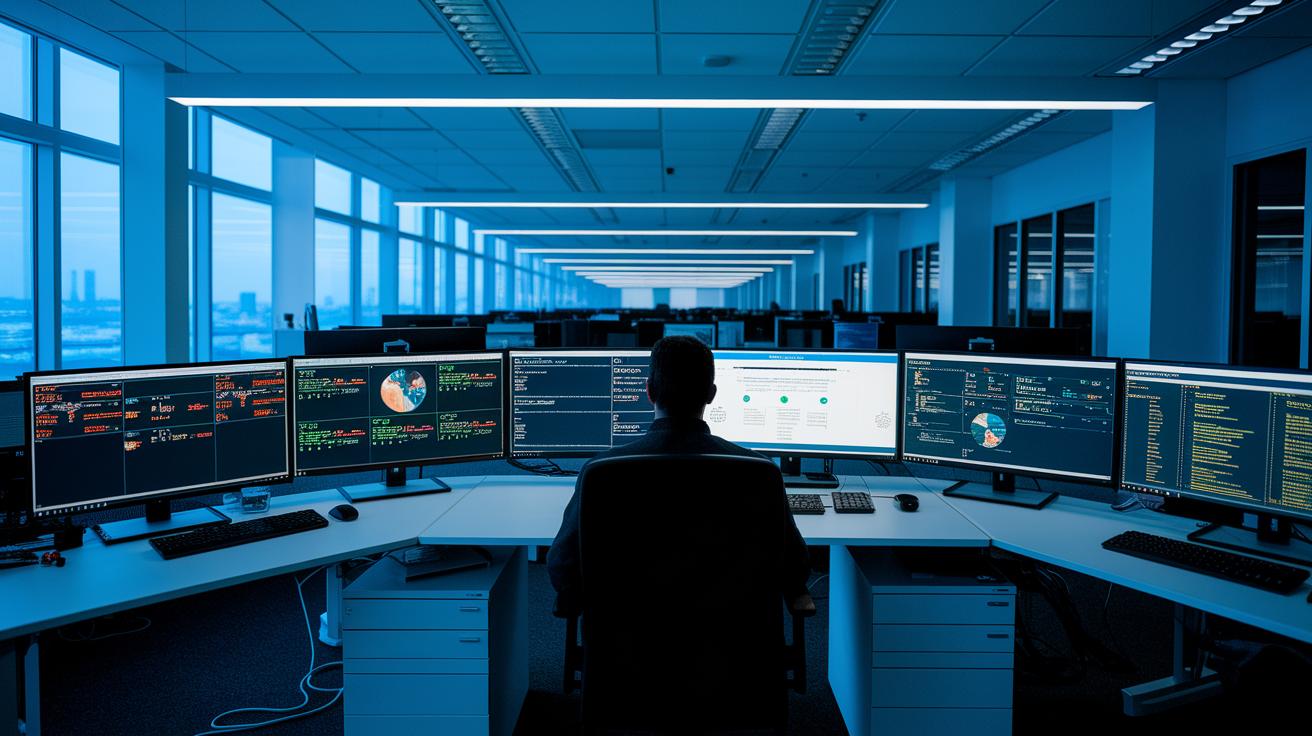
Many organizations lean on SIEM platforms to spot unusual activity from the inside. These systems set up a baseline of normal behavior so that when something odd happens, like a login at an unexpected time or accessing data that usually stays untouched, they immediately send out an alert. This kind of monitoring helps teams catch security risks that might otherwise hide in everyday work routines. For instance, if a rarely used account suddenly starts opening files over and over, it could signal trouble that needs a quick review.
When it comes to threats like ransomware or other breaches, SIEM makes things a lot simpler by automating responses. It can kick off remediation steps on its own to isolate systems that might be under attack, which stops ransomware from spreading further. Plus, many SIEM systems come with tools that help companies stick to rules set by standards like PCI, HIPAA, and GDPR. This means that in a crisis, the necessary records and logs are already in place, keeping security teams one step ahead of the bad guys.
SIEM solutions are also a great fit for cloud setups. They keep an eye on environments hosted on AWS, Azure, or Google Cloud, watching out for any missteps or unauthorized access in real time. This is especially handy for organizations using a mix of on-site and cloud systems, ensuring every part of their network stays under watch. Overall, bringing SIEM into a modern IT setup shows how a smart tool can boost security across the board.
Future Trends in SIEM Cyber Security Analytics
Cloud-native SIEM systems are quickly becoming the top choice for large companies spread across many locations. Instead of relying on old on-site systems, these organizations now use flexible, cloud-based platforms to watch over their security data. Think of it like adding extra lanes to a busy highway as traffic grows. With tools like machine learning (computers that learn from patterns) and predictive threat modeling (spotting possible dangers early), these systems can catch suspicious activity even before an attack fully forms.
Meanwhile, new platforms like SOAR and XDR are changing the game for how security teams handle threats. Many companies are now running two SIEM systems at once, one for keeping up with rules and another for diving deep into security details. This approach cuts down on unnecessary alerts and makes it easier to automate responses. In simple terms, these trends are paving the way for cyber security that’s quicker, smarter, and more in tune with today’s challenges.
Final Words
In the action, we saw how smart SIEM cyber security systems power threat detection, from real-time monitoring to advanced data analysis. The blog broke down key components, benefits, and practical applications.
We also explored best practices and future trends that keep defenses agile and resilient. The insights provide a clear picture of how SIEM solutions can make a real difference in keeping our digital space secure.
FAQ
Frequently Asked Questions
What is SIEM and how does it work in cyber security?
SIEM stands for Security Information and Event Management and works by collecting, centralizing, and analyzing event data from various sources. It helps in identifying potential threats and supports speedy incident response.
What career opportunities and training options exist in SIEM cyber security?
SIEM cyber security offers roles such as analysts with career paths supported by tutorials, courses, and certifications. Salaries vary based on experience and location while the skills in demand keep evolving.
How do SIEM tools like Splunk and IBM fit into the cyber security landscape?
SIEM tools like Splunk Enterprise Security and IBM QRadar serve by aggregating and analyzing security data, employing features like advanced analytics and threat intelligence to detect and respond to incidents.
What is the difference between a SIEM system and a SOC?
A SIEM system is a technology platform that aggregates and analyzes security data, whereas a SOC (Security Operations Center) is a dedicated team that uses tools like SIEM to monitor and respond to security incidents.
What are the different types of SIEM solutions?
SIEM solutions typically come as on-premise, cloud-native, and hybrid models, with each type offering unique deployment benefits and scalability options suited to various organizational needs.
What factors influence the costs of SIEM solutions?
SIEM costs depend on factors like data ingestion volume, deployment models, and the feature set offered by the vendor. Pricing options vary to match different business requirements and budgets.
How are SIEM presentations typically structured?
SIEM presentations often showcase key features like data aggregation, real-time monitoring, and threat detection. They use visual dashboards and simplified analytics to convey complex security information.
What is SIEM’s connection to Gartner?
Gartner introduced the SIEM concept by combining Security Information Management and Security Event Management in 2005 and continues to evaluate SIEM tools based on performance, market trends, and innovation.
How is SIEM pronounced?
SIEM is pronounced “seem,” reflecting its straightforward abbreviation of a more complex set of security intelligence functions.